

Dzalanyama Forest Reserve Travel Guide - Free Web & App
Your ultimate guide to Dzalanyama Forest Reserve. Discover top landmarks, proposed trips, and local tips. Free on the web or via the Evendo companion app.


Dzalanyama Forest Reserve, Malawi, offers miombo woodland, birdwatching, hiking, forest scenery and quiet highland escapes close to Lilongwe.
A Highland Forest Near Lilongwe
Dzalanyama Forest Reserve occupies a broad, wooded highland south-west of Lilongwe, extending towards Malawi’s border with Mozambique. Rather than a conventional park with a dense network of visitor facilities, it is a spacious forest landscape of ridges, valleys, streams and rough access roads, valued for its watershed, biodiversity and sense of remoteness. The reserve forms part of the Dzalanyama Range, whose elevated terrain contrasts with the more open agricultural country around Malawi’s capital.Read more about Dzalanyama Forest Reserve
Miombo Woodland and Birdlife
Exploring a Low-Infrastructure Wilderness
When is the best time to visit Dzalanyama Forest Reserve?
Best: May, August–September · 24–26°C| Month | High (°C) | Rainfall (mm) |
|---|---|---|
| January | 27 | 100 |
| February | 28 | 100 |
| March | 29 | 90 |
| April | 27 | 80 |
| May (best) | 25 | 70 |
| June | 23 | 60 |
| July | 23 | 60 |
| August (best) | 24 | 60 |
| September (best) | 26 | 70 |
| October | 28 | 80 |
| November | 29 | 90 |
| December | 28 | 100 |
Getting to and around Dzalanyama Forest Reserve
How to get there
Transportation
Best attractions in Dzalanyama Forest Reserve
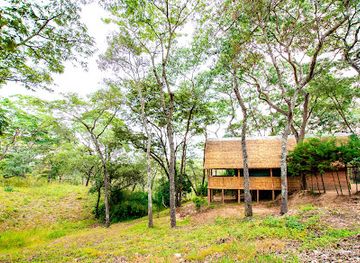
The principal attraction is the forested landscape itself: broad miombo woodland, elevated ridges, quiet valleys and seasonal streams create a markedly different setting from the busy agricultural areas around Lilongwe. Birdwatching is especially worthwhile, with woodland birds and raptors best sought along suitable forest roads and clearings during the cooler parts of the day. Visitors interested in natural history can observe changing vegetation between ridges and drainage lines, while walkers and photographers find interest in the range’s subdued colours, filtered light and distant views where the forest opens. The reserve is also important as a water-catchment landscape, giving streams and headwaters a significance beyond their scenic value. There are no large urban attractions within the reserve, and facilities are limited, so the experience centres on authorised outdoor access rather than formal visitor displays. Surrounding rural communities and Lilongwe provide the practical services that the protected forest itself generally lacks.
-
Tourist attraction
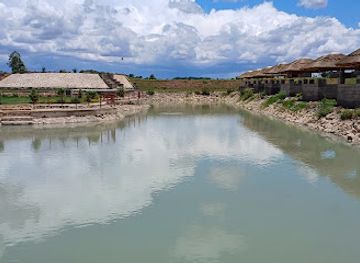
Lynod and Eunice Leisure farms
Discover the natural beauty and cultural richness at Lynod and Eunice Leisure Farms, a serene escape in the heart of Malawi.
-
Park
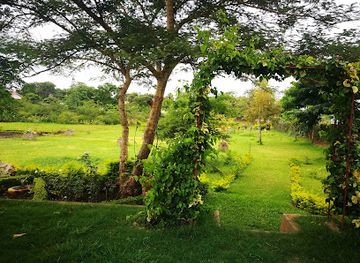
Havilah Park
Experience the beauty of nature at Havilah Park, a serene haven in Lilongwe, perfect for relaxation and family fun amidst lush greenery.
-
Park
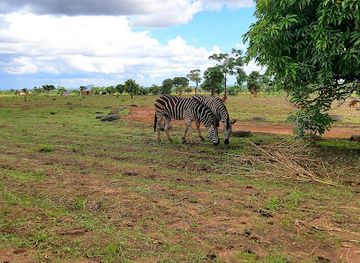
R & L Game Ranch
Discover the tranquility and wildlife of R & L Game Ranch, a serene park in Mwenda, perfect for family outings and nature lovers.
-
Hiking area
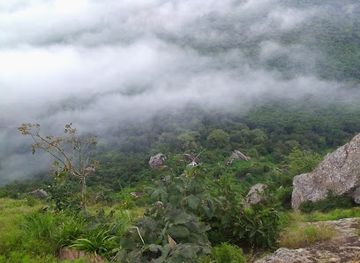
Bunda Mountain
Explore the stunning hiking trails and breathtaking views at Bunda Mountain, a must-visit destination for nature lovers in Lilongwe, Malawi.
Best landmarks in Dzalanyama Forest Reserve
Dzalanyama’s defining landmarks are natural rather than architectural. The Dzalanyama Range forms a prominent wooded highland landscape south-west of Lilongwe, while the reserve’s ridges, valleys and seasonal watercourses express its role as an upland catchment. Miombo woodland is itself a significant ecological landmark, marked by characteristic branching trees, open woodland structure and strong seasonal change. The forest’s importance also lies in its relationship with central Malawi: it preserves a substantial area of elevated vegetation near the capital and helps protect water and soils in a heavily used region. There are no widely developed monumental buildings or urban heritage precincts at the reserve, and visitors should not expect a conventional sightseeing circuit. Its significance is found in the continuity of forest habitat, the scale of the highland landscape and the cultural and environmental value attached to protecting it.
-
Indoor lodging
Dzalanyama Forest Lodge
Discover the serene beauty of Dzalanyama Forest Lodge, a perfect retreat for nature lovers and adventure seekers in Malawi.
-
Hiking area
Ngwenya Hill
Explore Ngwenya Hill in Lilongwe, a stunning hiking area offering breathtaking views and a serene escape into nature's beauty.
-
 Historical landmark
Dzalanyama-Dedza Forest Reserve
Discover the breathtaking beauty and rich biodiversity of Dzalanyama-Dedza Forest Reserve, Malawi's natural treasure and historical landmark.
Explore Dzalanyama Forest Reserve on the map
Plan your trip on one map. See where the top attractions, landmarks, restaurants and hotels are, and book hotels and experiences in a few clicks.
Best hotels in Dzalanyama Forest Reserve
Best restaurants in Dzalanyama Forest Reserve
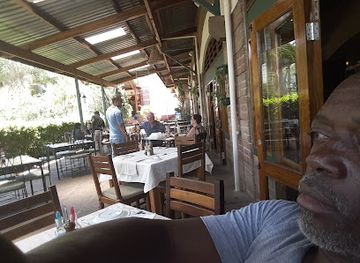
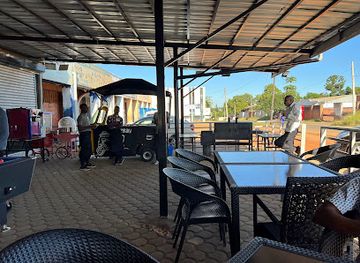
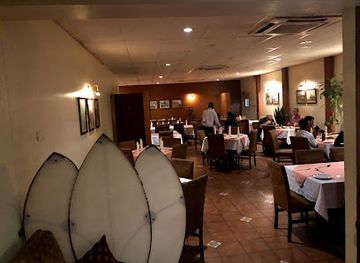
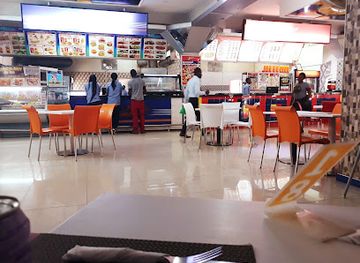
Dzalanyama Forest Reserve has limited or no dependable restaurant infrastructure within its wooded core, so visitors should plan meals before leaving Lilongwe and confirm whether any accommodation or organised visit includes food. The capital offers Malawi’s broadest choice of restaurants, cafés and hotels, with dishes commonly built around nsima, vegetables, beans, chicken, beef and locally available fish, alongside international food in established urban areas. In villages and along approach roads, small local food outlets may provide simple meals or snacks, but availability, hygiene facilities and payment options can vary. Packed lunches are practical for forest excursions, provided all waste is carried out. Visitors staying in nearby rural accommodation should arrange meals in advance rather than assuming that a walk-in dining service operates near the reserve.
-
Restaurant
Mamma Mia Restaurant
Experience authentic Italian flavors at Mamma Mia Restaurant in Lilongwe - where every meal feels like a journey to Italy.
-
Restaurant
The Bay
Experience exquisite Malawian cuisine at The Bay in Lilongwe – where flavors meet culture in a stunning setting.
-
Indian
Bombay Palace
Discover the vibrant flavors of India at Bombay Palace in Lilongwe – where authentic cuisine meets warm hospitality.
-
Restaurant
Sana food court
Discover delicious local and international cuisine at Sana Food Court in Lilongwe – a foodie haven that won’t break the bank!
Best bars in Dzalanyama Forest Reserve
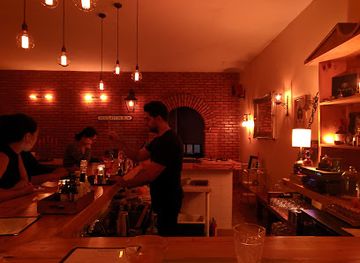
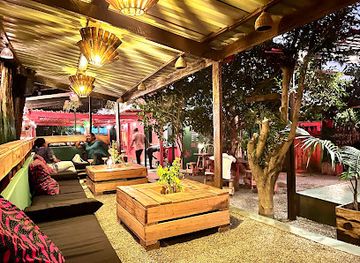
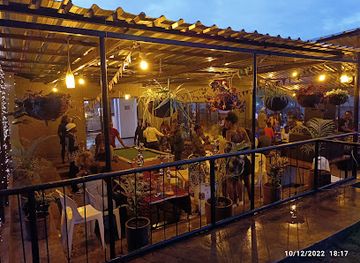
Nightlife is not a feature of Dzalanyama Forest Reserve, where evenings are defined by darkness, woodland sounds and the practical need to remain at an authorised camp or accommodation base. Any social evening is more likely to involve conversation, quiet observation and an early start for birdwatching than a bar or club. The nearest substantial choice of pubs, hotel bars and evening entertainment is in Lilongwe, outside the reserve, with the city’s hospitality venues providing a more conventional night-time scene. Rural settlements on the approach may have informal drinking places, but visitors should not rely on them for dependable opening times, transport or an evening meal. Alcohol should never be taken into sensitive forest areas or combined with driving on remote roads.
-
Cocktail bar
Nocturne
Discover the vibrant nightlife at Nocturne, Lilongwe’s premier cocktail bar, renowned for its creative drinks and captivating atmosphere.
-
Bar
Hideout Bar and Grill
Discover the lively Hideout Bar and Grill in Lilongwe, where local culture meets delightful cuisine and vibrant nightlife.
-
Bar
The Shack
Experience vibrant nightlife at The Shack in Lilongwe, Malawi – a bar with great drinks, fun atmosphere, and engaging activities.
-
Bar
Pa Alex Pa a Marley Pub
Discover the lively spirit of Lilongwe at Pa Alex Pa a Marley Pub, where local culture meets global music in a vibrant bar setting.
Best nightclubs in Dzalanyama Forest Reserve
Nightlife is not a feature of Dzalanyama Forest Reserve, where evenings are defined by darkness, woodland sounds and the practical need to remain at an authorised camp or accommodation base. Any social evening is more likely to involve conversation, quiet observation and an early start for birdwatching than a bar or club. The nearest substantial choice of pubs, hotel bars and evening entertainment is in Lilongwe, outside the reserve, with the city’s hospitality venues providing a more conventional night-time scene. Rural settlements on the approach may have informal drinking places, but visitors should not rely on them for dependable opening times, transport or an evening meal. Alcohol should never be taken into sensitive forest areas or combined with driving on remote roads.
-
Night club
Muslim Sports Club
Discover the vibrant nightlife of Lilongwe at Muslim Sports Club, a lively venue for music, dance, and local entertainment.
-
Night club
Chez Ntemba Night Club
Explore the vibrant nightlife at Chez Ntemba Night Club in Lilongwe, where music, dance, and culture blend for an unforgettable experience.
-
Night club
M1 CENTER POINT NIGHT CLUB
Discover the vibrant nightlife at M1 Center Point Night Club in Lilongwe, where music and energy converge for an unforgettable party experience.
-
Night club
Coco's Lounge
Discover the vibrant nightlife of Lilongwe at Coco's Lounge, where music, dance, and unforgettable experiences await you!



Best shops in Dzalanyama Forest Reserve
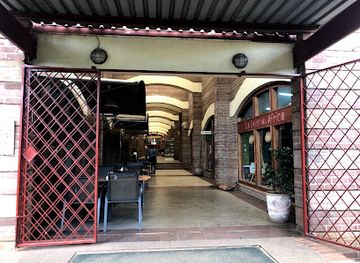
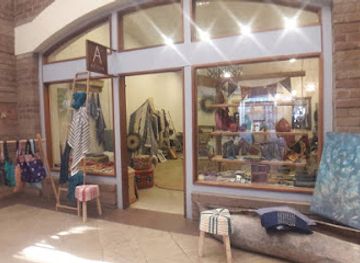
Shopping within Dzalanyama Forest Reserve is extremely limited, and there is no substantial retail centre inside the protected woodland. Visitors should purchase food, water, fuel, cash and outdoor necessities in Lilongwe before travelling south-west. In surrounding villages, small shops may stock basic provisions, but product range and payment facilities are variable. Lilongwe is the most practical place to look for Malawian crafts, woven goods, artwork, textiles and packaged regional products, as well as equipment needed for walking or birdwatching. Any locally made goods bought from communities near the reserve should be purchased respectfully and through legitimate sellers; visitors should not remove plants, timber, rocks or other natural material from the forest. The most appropriate souvenirs are portable, legally obtained crafts or food products rather than anything collected from the reserve.
-
Craft store
African Habitat
Discover the unique crafts of Malawi at African Habitat, where local artistry shines through exquisite handmade souvenirs.
-
Clothing store
Taste of Malawi
Explore authentic Malawian culture at Taste of Malawi, a unique clothing store showcasing local craftsmanship and vibrant designs.
-
Stationery store
Manyokola Mult-shopping centre
Discover a wide range of stationery and local craftsmanship at Manyokola Mult-shopping Centre in Mpingu, Malawi.
-
Gift shop
The Artisan Shop
Explore The Artisan Shop in Lilongwe for handcrafted gifts that showcase the vibrant culture and creativity of Malawi.

Get your free copy of our complete guide to Dzalanyama Forest Reserve, delivered straight to you.
Everything on this page, from attractions and restaurants to essentials and local phrases, in one PDF you can read offline, print or share.
Already have an account? Sign in
Your Dzalanyama Forest Reserve guide is ready.
We'll send it to · Not you? Sign out

Getting your guide ready…
We are putting together a fresh copy of the Dzalanyama Forest Reserve guide. This can take up to a minute.
This can take a few moments. If your browser asks, choose Allow so the download can start. You'll find the guide in your Downloads folder.
Nothing happened? Download it again
Sorry, the guide is taking longer than usual. Please try again in a minute, or get it by email instead.
Dzalanyama Forest Reserve essentials
Currency and Payment
Safety
Emergency Situations
Do's and Don'ts
Local Tips
From Eve
Local phrases worth knowing
You don't need to get them perfect. A few words go a long way, and locals appreciate the effort.
Basics
| English | Local | Say it |
|---|---|---|
| Hello | Moni | [moh-nee] |
| Goodbye | Tawonga | [tah-won-gah] |
| Yes | Eya | [eh-yah] |
| No | Ayiyi | [ah-yee-yee] |
| Please/You're welcome | Chonde | [chon-deh] |
| Thank you | Zikomo | [zee-koh-moh] |
| Excuse me/Sorry | Tikudandaula | [tee-koo-dahn-dow-lah] |
| How are you? | Muli bwanji? | [moo-lee bwan-jee] |
| Fine. And you? | Bwino. Inu? | [bwee-noh ee-noo] |
| Do you speak English? | Mukhulupirira Chingerezi? | [moo-koo-loo-pee-ree-rah chin-geh-reh-zee] |
| I don't understand | Sindikudziwa | [seen-dee-koo-dzee-wah] |
Eating & Drinking
| English | Local | Say it |
|---|---|---|
| I'd like to see the menu, please | Ndifuna kukhala ndi menu, chonde | [n-dee-foo-nah koo-kah-lah n-dee menu, chon-deh] |
| I don't eat meat | Sindidya nyama | [seen-dee-dyah nyah-mah] |
| Cheers! | Zikomo! | [zee-koh-moh] |
| I would like to pay, please | Ndikufuna kulipira, chonde | [n-dee-koo-foo-nah koo-lee-pee-rah, chon-deh] |
Emergencies
| English | Local | Say it |
|---|---|---|
| Help! | Mulongosungirani! | [moo-lon-go-soong-gee-rah-nee] |
| Go away! | Pitani! | [pee-tah-nee] |
| Call the Police! | Pemphani Police! | [pem-phah-nee poh-lee-ceh] |
| Call a doctor! | Pemphani dokotala! | [pem-phah-nee doh-koh-tah-lah] |
| I'm lost | Ndidalost | [n-dee-dah-lohst] |
| I'm ill | Ndidakalipa | [n-dee-dah-kah-lee-pah] |
Shopping
| English | Local | Say it |
|---|---|---|
| I'd like to buy... | Ndifuna kugula... | [n-dee-foo-nah koo-goo-lah] |
| I'm just looking | Ndikufuna kusonkhananso | [n-dee-koo-foo-nah koo-sohn-kah-nahn-soh] |
| How much is it? | Ndi bwanji? | [ndee bwan-jee] |
| That's too expensive | Izi ndi zambiri | [ee-zee ndee zahm-bee-ree] |
| Can you lower the price? | Mukhoza kuchenjera galimoto? | [moo-koh-zah koo-chen-jeh-rah gah-lee-moh-toh] |
Time & Numbers
| English | Local | Say it |
|---|---|---|
| What time is it? | Ndi nthawi yochani? | [ndee n-tah-wee yoh-chah-nee] |
| It's one o'clock | Ndi nthawi yamodzi | [ndee n-tah-wee yah-moh-dzee] |
| Half past (10) | Lifupa lamodzi (mfulu) | [lee-foo-pah lah-moh-dzee (mfoo-loo)] |
| Morning | Usiku | [oo-see-koo] |
| Afternoon | Mawa | [mah-wah] |
| Evening | M'mawa | [m-mah-wah] |
| Yesterday | Nasowa | [nah-soh-wah] |
| Today | Lero | [leh-roh] |
| Tomorrow | Mawa | [mah-wah] |
| 1 | Wanu | [wah-noo] |
| 2 | Zawiri | [zah-wee-ree] |
| 3 | Zachitatu | [zah-chee-tah-too] |
| 4 | Zachinayi | [zah-chee-nah-yee] |
| 5 | Zachisanu | [zah-chee-sah-noo] |
| 6 | Zachisanu ndi wachisanu | [zah-chee-sah-noo ndee wah-chee-sah-noo] |
| 7 | Zachisanu ndi wachitatu | [zah-chee-sah-noo ndee wah-chee-tah-too] |
| 8 | Zachisanu ndi zachinayi | [zah-chee-sah-noo ndee zah-chee-nah-yee] |
| 9 | Zachisanu ndi zachisanu | [zah-chee-sah-noo ndee zah-chee-sah-noo] |
| 10 | Zachipatala | [zah-chee-pah-tah-lah] |
Transport & Directions
| English | Local | Say it |
|---|---|---|
| Where's a/the...? | Kuli...? | [koo-lee] |
| What's the address? | Adziko ndi chiyani? | [ah-dzee-koh ndee chee-yah-nee] |
| Can you show me (on the map)? | Mukhoza kundikonzekera (pa mapu)? | [moo-koh-zah koon-dee-kohn-zeh-keh-rah (pah mah-poo)] |
| When's the next (bus)? | Mphindi wochani? | [mph-ee-nee woh-chah-nee] |
| A ticket (to ....) | Tiketi (kwa...) | [tee-keh-tee (kwah)] |
History of Dzalanyama Forest Reserve
A Long-Used Highland Landscape
The Dzalanyama Range has long been part of the lived landscape of central Malawi, with surrounding communities relying on the wider highlands for agriculture, water and natural resources. The reserve’s forested ridges and valleys are not an untouched wilderness in the strict sense: paths, roads, fire, harvesting and neighbouring land use have all shaped the relationship between people and woodland. Local knowledge remains important for understanding seasonal streams, access routes and the practical value of the forest, even though the reserve itself is managed under formal forestry arrangements.
Forest Reserve Management
Dzalanyama was incorporated into Malawi’s system of protected forest reserves during the period when forest management was being formalised under colonial administration. The principal concerns were the retention of woodland on elevated land, protection of water catchments and regulation of forest use. Such reserves were often managed through boundaries, patrols, fire control and restrictions on the cutting or removal of trees. The resulting landscape reflects both natural miombo ecology and a long history of official attempts to manage forest resources.
A Watershed for Central Malawi
The reserve’s importance increased as Lilongwe and the surrounding central region developed. Its elevated forests help regulate runoff and protect headwaters and seasonal streams, making the range significant beyond its recreational appeal. Pressure from cultivation, charcoal production, fire and the demand for forest products has made woodland management a continuing challenge. Conservation in Dzalanyama therefore concerns not only wildlife and scenery but also the protection of water, soils and ecological functions in a densely used part of Malawi.
Conservation and Responsible Visitation
In modern Malawi, Dzalanyama is valued as a remaining highland forest close to the capital and as a destination for birdwatchers, walkers, researchers and outdoor visitors. Its tourism identity remains relatively low-key, with fewer developed facilities than the country’s better-known national parks. Responsible visitation is consequently important: visitors need to follow local forestry guidance, avoid unauthorised fires and camping, take waste away and recognise that conservation has to accommodate the needs of nearby communities as well as the protection of woodland and catchments.
Dzalanyama Forest Reserve in Photos
Browse through our photo collection highlighting the charm and character of the destination.
Cities in Dzalanyama Forest Reserve
The towns and cities of Dzalanyama Forest Reserve, and the easiest places to base yourself.

Swipe for more cities
Neighbouring destination travel guides
The closest destinations to Dzalanyama Forest Reserve, if you have time for more than one.
-

-

-

-

-


Swipe for more destinations
Explore more

Explore more of Lilongwe Plain
Explore Lilongwe Plain for Malawi’s capital, wildlife sanctuary, markets, civic history and open central-plateau landscapes.
Explore Lilongwe Plain
Explore more of Malawi
Discover Malawi, the Warm Heart of Africa, where pristine landscapes, diverse wildlife, and rich cultural heritage await to enchant every traveler.
Explore Malawi