

Redang Island, Malaysia Travel Guide
Discover Redang Island's stunning coral reefs, clear waters, and white sandy beaches - an idyllic Malaysian getaway for snorkeling, diving, and beach relaxation.
Redang Island, located off the east coast of Malaysia, is a tropical paradise known for its crystal-clear waters, vibrant coral reefs, and pristine white sandy beaches. This idyllic island is part of the Terengganu Marine Park and is a favorite destination for snorkeling, diving, and relaxing by the sea. The island's underwater world is teeming with colorful marine life, making it a haven for underwater photographers and nature enthusiasts alike. Apart from its natural beauty, Redang Island boasts a range of accommodations, from luxurious resorts to cozy beachfront chalets, providing visitors with a perfect blend of comfort and stunning views. The island's warm, tropical climate makes it an ideal getaway year-round, although the best time to visit is during the dry season from April to October. Exploring Redang Island offers more than just beach activities. Visitors can hike through lush rainforests, visit turtle conservation centers, and enjoy local delicacies at beachside restaurants. Whether you're seeking adventure or tranquility, Redang Island promises an unforgettable experience in one of Malaysia's most beautiful island destinations.

Know before you go
Hi, I'm Eve. Here are a few practical things to know before exploring Redang Island.
- Best Time to Visit: The dry season from April to October offers the best weather and clearer waters for snorkeling and diving.
- Marine Park Fee: Be prepared to pay a small fee to enter the Terengganu Marine Park, which helps in the conservation of the island’s marine life.
- Local Cuisine: Don't miss trying the fresh seafood at local beachside restaurants. The grilled fish and squid are particularly popular.
- Cash Is King: While some resorts and restaurants accept credit cards, it's advisable to carry enough cash for smaller establishments and activities.
- Conservation Efforts: Participate in turtle conservation programs and learn about the efforts to protect these magnificent creatures.
Explore Redang Island: Things to Do, Places to Eat, Hotels & More
Handpicked recommendations for top attractions, local dining, accommodations, and more

Best attractions in Redang Island
Top-rated picks
Best Attractions

Marine Park
Explore Marine Park in Kuala Terengganu, a stunning destination for marine life enthusiasts and nature lovers alike, showcasing breathtaking coral reefs and idyllic beaches.

Sand Bank
Experience the serene beauty of Sand Bank, a nature preserve in Pulau Redang, with pristine beaches and vibrant marine life perfect for nature lovers.
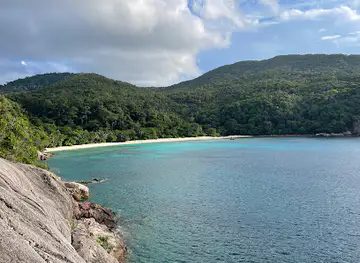
Chagar Hutang Turtle Sanctuary
Experience the magic of sea turtle conservation at Chagar Hutang Turtle Sanctuary, a stunning eco-tourism destination on Pulau Redang.

Taaras Beach
Experience the serene beauty of Taaras Beach on Pulau Redang, where pristine sands meet crystal-clear waters in a tropical paradise.

Best landmarks in Redang Island
Top-rated picks
Best Landmarks

The Taaras Beach & Spa Resort
Discover paradise at The Taaras Beach & Spa Resort in Pulau Redang, Malaysia, where luxury meets nature for an unforgettable getaway.

Redang Beach Resort
Immerse yourself in the stunning beauty of Redang Beach Resort, a peaceful retreat on Malaysia’s tropical paradise island for relaxation and adventure.
Laguna Redang Island Resort
Experience the ultimate tropical retreat at Laguna Redang Island Resort, where luxury meets natural beauty on Pulau Redang.
Redang Pelangi Resort
Experience the serene beauty and adventure at Redang Pelangi Resort, a tropical paradise on Redang Island, Malaysia, perfect for relaxation and exploration.

Best restaurants in Redang Island
Top-rated picks
Best Restaurants

The Taaras Beach & Spa Resort
Experience unparalleled luxury at The Taaras Beach & Spa Resort in Pulau Redang - your gateway to relaxation amidst stunning tropical beauty.
Laguna Redang Island Resort
Experience unparalleled tranquility at Laguna Redang Island Resort - your ultimate tropical escape with stunning beaches and vibrant marine life.

Redang Island
Explore Redang Island: A Tropical Paradise of Pristine Beaches and Vibrant Marine Life in Malaysia.
Redang Lagoon Resort
Experience tranquility at Redang Lagoon Resort with stunning views, delicious Malaysian cuisine, and vibrant marine adventures on Pulau Redang.

Best bars in Redang Island
Top-rated picks
Best Bars

Aima Grill Fish Restaurant
Discover the flavors of the sea at Aima Grill Fish Restaurant, a seafood paradise in Pulau Redang offering fresh, local dishes in a welcoming atmosphere.

Asmadi Cafe & Restaurant & Guest House
Discover the perfect blend of relaxation and Asian culinary delights at Asmadi Cafe & Restaurant & Guest House on Pulau Redang.

Summer Point
Experience the flavors of Malaysia at Summer Point, where stunning ocean views meet exquisite dining on Pulau Redang.

Redang Moon - Vitamin Sea Kitchen
Discover the culinary delights of Redang Moon - Vitamin Sea Kitchen, where fresh seafood meets stunning ocean views on beautiful Pulau Redang.

Best nightclubs in Redang Island
Top-rated picks
Best Nightclubs
Redang Beach Resort
Discover tranquility and beauty at Redang Beach Resort, where sun-kissed beaches meet luxurious accommodations in a tropical paradise.
Laguna Redang Island Resort
Discover the beauty of Laguna Redang Island Resort, where pristine beaches meet luxurious accommodations and vibrant marine adventures await.
Redang Pelangi Resort
Experience the beauty of nature and vibrant marine life at Redang Pelangi Resort, a tranquil escape in Kuala Terengganu, Malaysia.

Redang Bay Resort
Experience the beauty of Pulau Redang at Redang Bay Resort, a serene escape with stunning beaches and vibrant marine life.

Best shops in Redang Island
Top-rated picks
Best Shops

The Taaras Beach & Spa Resort
Experience unparalleled luxury at The Taaras Beach & Spa Resort, where pristine beaches meet exceptional service in the heart of Pulau Redang.
Laguna Redang Island Resort
Discover the beauty of Laguna Redang Island Resort, a tropical paradise offering luxury, adventure, and serene beachfront relaxation.

Redang Island
Experience the untouched beauty of Redang Island, a tropical paradise perfect for snorkeling, diving, and relaxation.
Redang Pelangi Resort
Experience the serene beauty of Redang Pelangi Resort, a tropical paradise in Kuala Terengganu with stunning beaches and vibrant marine life.

Explore Redang Island on the Map
A handpicked selection of must-see spots in Redang Island, mapped for you.
Redang Island Essentials
-
Redang Island is located off the east coast of Peninsular Malaysia in the South China Sea. The nearest airport is Sultan Mahmud Airport in Kuala Terengganu. From there, you can take a taxi or a bus to the Shabandar Jetty or Merang Jetty, where you can catch a ferry to Redang Island. The ferry ride typically takes around 1.5 hours. Alternatively, you can take a flight from Sultan Abdul Aziz Shah Airport in Subang to Redang Airport, which is located on the island itself.
-
Once on Redang Island, transportation options are somewhat limited. Most resorts offer shuttle services to and from the jetty. Renting a bicycle or a motorbike is also an option for exploring the island at your own pace. Taxis and private car hires are available but may be pricier. Walking is a viable option as many of the island's attractions are within close proximity to each other.
-
The official currency in Malaysia is the Malaysian Ringgit (MYR). While major hotels and resorts accept credit cards, it is advisable to carry cash, especially when visiting smaller shops or local eateries. ATMs are available on the island, but it's wise to withdraw sufficient cash before arriving. Currency exchange services are limited, so exchanging money at the airport or in Kuala Terengganu is recommended.
-
Redang Island is generally considered safe for tourists. However, it is always prudent to take standard precautions. Avoid leaving your belongings unattended on the beach and be cautious when walking alone at night. There are no specific high-crime areas targeting tourists, but staying vigilant and aware of your surroundings is always a good practice.
-
In case of an emergency, dial 999 for immediate assistance. The island has a small medical clinic for minor health issues, but for more serious medical emergencies, you may need to be transported to the mainland. It's advisable to have travel insurance that covers medical emergencies. Most resorts have basic first aid kits and can assist in contacting emergency services if needed.
-
Fashion: Do dress modestly, especially in public areas and when visiting religious sites. Avoid wearing revealing clothing. Religion: Do respect local customs and traditions. Remove your shoes when entering homes and places of worship. Public Transport: Do be respectful and patient. Note that public transport options are limited on the island. Greetings: Do greet people with a smile and a slight nod. A handshake is common but not necessary. Eating & Drinking: Do try local delicacies and accept food offerings graciously. Don't waste food, as it is considered impolite.
-
To experience Redang Island like a local, visit the local markets where you can buy fresh seafood and traditional Malaysian snacks. Engage with locals, as they are often friendly and willing to share stories about the island's history and culture. Don't miss the opportunity to snorkel or dive at the island's pristine coral reefs. For a unique experience, take a boat tour to explore the smaller, less-known islands surrounding Redang.
When is the best time to visit Redang Island?
Useful Local Phrases for Redang Island
You don't need to speak the language perfectly. Even learning a few simple words can make conversations warmer—and locals usually appreciate the effort.
— Eve

Here are the phrases I use most often in Redang Island. Try a few—you'll be surprised how far they go! 😊
❤️
-
- HelloHai
[haɪ] - GoodbyeSelamat tinggal
[səˈlamat ˈtiŋɡal] - YesYa
[jɑː] - NoTidak
[tiˈdak] - Please/You're welcomeSila
[ˈsila] - Thank youTerima kasih
[təˈrima kaˈsih] - Excuse me/SorryMaaf
[ˈmaaf] - How are you?Apa khabar?
[ˈapa ˈkhabar] - Fine. And you?Baik. Dan awak?
[baɪk dæn ˈawak] - Do you speak English?Boleh cakap Bahasa Inggeris?
[ˈbʊlə tʃaˈkap baˈhasa ˈɪŋərɪs] - I don't understandSaya tak faham
[saja tak ˈfaham]
- HelloHai
-
- I'd like to see the menu, pleaseSaya hendak melihat menu, sila
[ˈsaja hənˈdak məˈlihat ˈmenu ˈsila] - I don't eat meatSaya tidak makan daging
[saja tiˈdak maˈkan ˈdaɪəŋ] - Cheers!Yam seng!
[jæm sɛŋ] - I would like to pay, pleaseSaya hendak membayar, sila
[ˈsaja hənˈdak məmˈbaɪər ˈsila]
- I'd like to see the menu, pleaseSaya hendak melihat menu, sila
-
- Help!Tolong!
[ˈtoloŋ] - Go away!Pergi jauh!
[ˈpərɡi dʒaʊ] - Call the Police!Panggil Polis!
[ˈpaŋɡil ˈpolis] - Call a doctor!Panggil doktor!
[ˈpaŋɡil ˈdoʊktər] - I'm lostSaya sesat
[ˈsaja səˈsat] - I'm illSaya sakit
[ˈsaja ˈsakit]
- Help!Tolong!
-
- I'd like to buy...Saya hendak membeli...
[ˈsaja hənˈdak məmˈbeli] - I'm just lookingSaya hanya melihat-lihat
[ˈsaja ˈhanya məˈlihat ˈlihat] - How much is it?Berapa harganya?
[bəˈrapa hərˈɡanə] - That's too expensiveItu terlalu mahal
[ˈitʊ tərˈlaːlʊ maˈhal] - Can you lower the price?Boleh kurangkan harga?
[ˈbʊlə kʊˈraŋkan ˈhərɡə]
- I'd like to buy...Saya hendak membeli...
-
- What time is it?Berapa pukul sekarang?
[bəˈrapa pəˈkul səˈkaraŋ] - It's one o'clockPukul satu
[pəˈkul saˈtu] - Half past (10)Setengah pukul (10)
[səˈtəŋa pəˈkul (10)] - MorningPagi
[ˈpaɡi] - AfternoonPetang
[pəˈtaŋ] - EveningMalam
[ˈmalaːm] - YesterdaySemalam
[səˈmalaːm] - TodayHari ini
[ˈhari ˈini] - TomorrowEsok
[ˈɛsok] - 1Satu
[saˈtu] - 2Dua
[ˈdua] - 3Tiga
[ˈtiɡa] - 4Empat
[əmˈpat] - 5Lima
[ˈlima] - 6Enam
[əˈnam] - 7Tujuh
[ˈtuʤo] - 8Lapan
[ˈlapən] - 9Sembilan
[səmˈbilan] - 10Sepuluh
[səˈpulu]
- What time is it?Berapa pukul sekarang?
-
- Where's a/the...?Di manakah...
[di məˈnaʔkə] - What's the address?Berapakah alamatnya?
[bəˈrapaʔkə ˌalamatnja] - Can you show me (on the map)?Boleh tunjukkan kepada saya (pada peta)?
[ˈbʊlə tʊnˈdʒukkən kəpada ˈsaja (ˈpada ˈpɛta)] - When's the next (bus)?Bila bas seterusnya?
[ˈbila bas səˈtərəsnja] - A ticket (to ....)Satu tiket (ke ....)
[saˈtu ˈtikət (kə)]
- Where's a/the...?Di manakah...
History of Redang Island
-
Redang Island, known as Pulau Redang in Malay, has a rich history of early settlement. The island was originally inhabited by the Orang Laut, also known as 'sea people,' who were seafaring tribes living along the coastal regions of Malaysia. Their presence on the island is evidenced by ancient artifacts and oral traditions passed down through generations.
-
During the 16th and 17th centuries, Redang Island found itself at the crossroads of maritime trade routes. Portuguese, Dutch, and British colonial powers recognized the strategic importance of Redang due to its proximity to the South China Sea. The island served as a waypoint for ships and a temporary refuge for sailors. The influence of these colonial powers is still evident in some of the island's architectural remnants.
-
During World War II, Redang Island played a significant role as a strategic point for both the Allied and Axis powers. Japanese forces occupied the island in their bid to control the Malay Peninsula and the South China Sea. The remnants of bunkers and wartime structures can still be explored by visitors today, offering a glimpse into this turbulent period of the island's history.
-
In the late 20th century, recognizing the ecological importance of Redang Island, the Malaysian government established the Redang Marine Park in 1991. This initiative was aimed at preserving the island's rich marine biodiversity and coral reefs. The park status afforded the island a level of protection that has helped maintain its natural beauty and attract eco-tourists from around the world.
-
The cultural heritage of Redang Island is a tapestry woven from various influences over centuries. The local Malay population has maintained traditions such as fishing, boat building, and traditional crafts. Festivals and ceremonies, like the annual Hari Raya celebrations, are vibrant displays of community spirit and cultural pride. These traditions offer visitors a unique insight into the island's way of life.
-
In recent decades, Redang Island has transformed into a popular tourist destination. The development of resorts, dive centers, and other tourist facilities has brought economic growth to the island. Despite this modernization, efforts have been made to balance development with conservation, ensuring that the island's natural and cultural heritage remains intact for future generations to enjoy.
Neighbouring destination travel guides
Browse our curated selection of top destinations, scenic points, and must-visit spots in the area.


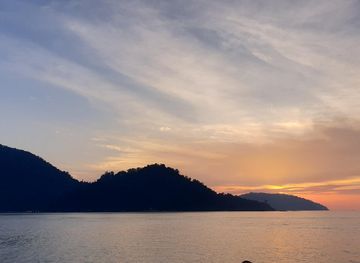


Your all‑in‑one travel companion app
Explore expert travel guides, compare and book tours, experiences, hotels, and more—all from the palm of your hand. Download now for seamless trip planning wherever your wanderlust takes you.


Explore More of Terengganu

Looking beyond Redang Island? Discover Terengganu for broader travel guides, local hot-spots, and regional highlights.
Explore TerengganuExplore More of Malaysia
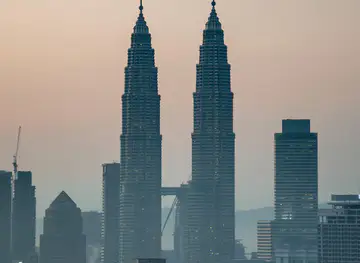
Looking beyond Redang Island? Discover Malaysia for broader travel guides, local hot-spots, and regional highlights.
Explore MalaysiaRedang Island in Photos
Browse through our photo collection highlighting the charm and character of the destination.


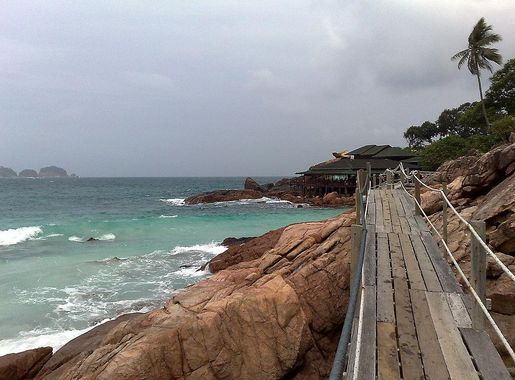


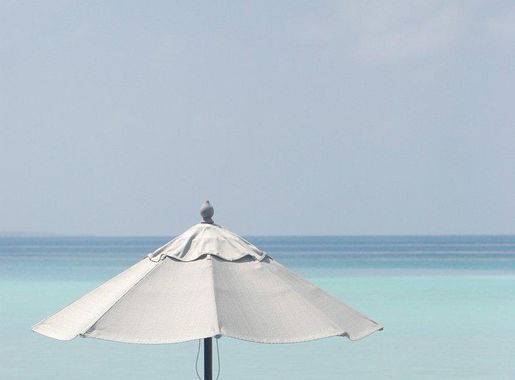

The Enchanting Shores of Redang Island
Redang Island, located off the east coast of Malaysia, is a tropical paradise known for its crystal-clear waters, vibrant coral reefs, and pristine white sandy beaches. This idyllic island is part of the Terengganu Marine Park and is a favorite destination for snorkeling, diving, and relaxing by the sea. The island's underwater world is teeming with colorful marine life, making it a haven for underwater photographers and nature enthusiasts alike. Apart from its natural beauty, Redang Island boasts a range of accommodations, from luxurious resorts to cozy beachfront chalets, providing visitors with a perfect blend of comfort and stunning views. The island's warm, tropical climate makes it an ideal getaway year-round, although the best time to visit is during the dry season from April to October. Exploring Redang Island offers more than just beach activities. Visitors can hike through lush rainforests, visit turtle conservation centers, and enjoy local delicacies at beachside restaurants. Whether you're seeking adventure or tranquility, Redang Island promises an unforgettable experience in one of Malaysia's most beautiful island destinations.