

Thoddoo Island Travel Guide - Free Web & App
Your ultimate guide to Thoddoo Island. Discover top landmarks, proposed trips, and local tips. Free on the web or via the Evendo companion app.


Thoddoo Island, Maldives, combines white-sand beaches, coral reefs, local farming, snorkelling and relaxed guesthouse stays in North Ari Atoll.
Island Landscapes
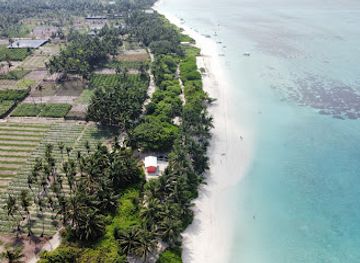
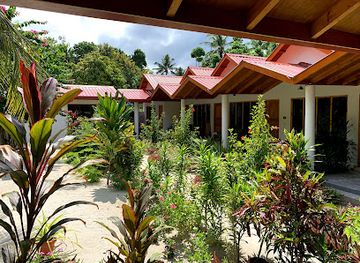
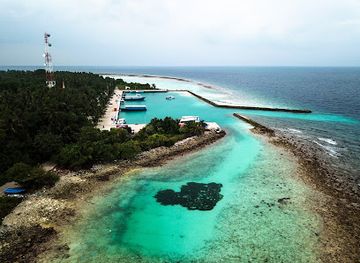
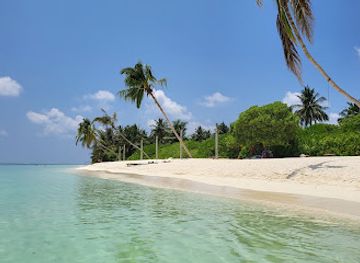
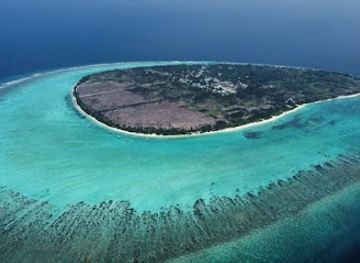
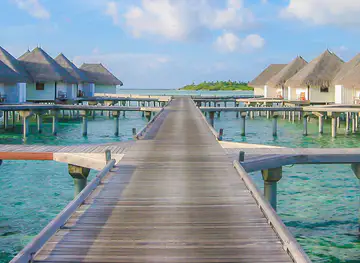
Thoddoo is a large inhabited island in North Ari Atoll, part of the Maldives, where white-sand beaches and shallow turquoise water meet one of the archipelago’s most productive farming communities. Unlike the privately managed resort islands that dominate the country's tourism image, Thoddoo is a local island with a lived-in character: sandy lanes pass between houses, mosques, guesthouses and fields of watermelon, papaya, coconut, chilli and other crops. The island’s broad interior is unusually green, while its surrounding reef creates calm lagoons, coral gardens and several stretches of coast suited to swimming and snorkelling.Read more about Thoddoo Island
Local Life and Heritage
Sea, Farms and Excursions
When is the best time to visit Thoddoo Island?
Best: January–March · 32–33°C| Month | High (°C) | Rainfall (mm) |
|---|---|---|
| January (best) | 32 | 75 |
| February (best) | 33 | 50 |
| March (best) | 33 | 75 |
| April | 34 | 175 |
| May | 34 | 225 |
| June | 33 | 275 |
| July | 33 | 225 |
| August | 33 | 200 |
| September | 32 | 200 |
| October | 32 | 175 |
| November | 32 | 150 |
| December | 32 | 100 |
Getting to and around Thoddoo Island
How to get there
Transportation
Best attractions in Thoddoo Island
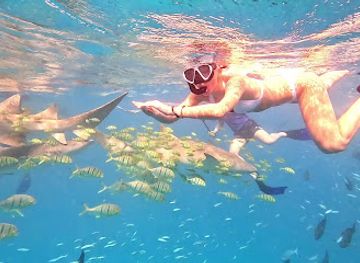
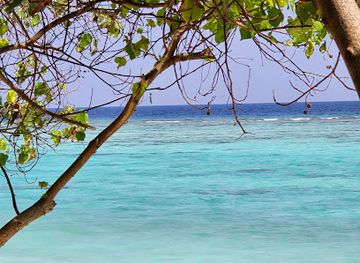
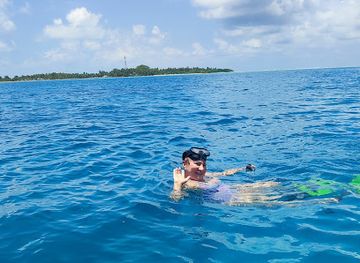
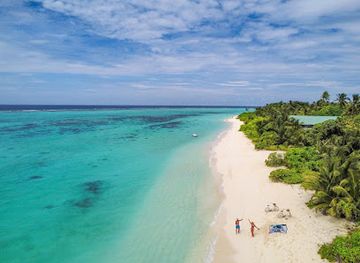
Thoddoo’s principal attractions are its sandy coastline, shallow lagoon and coral reef, with the designated tourist beach providing the clearest setting for swimming and beach relaxation. Snorkelling trips reach reef sites beyond the immediate shore, where conditions may reveal coral formations and tropical marine life, while diving and other boat excursions explore the wider North Ari Atoll under local guidance. Inland, the island differs from many Maldivian resort settings: bicycle lanes and sandy paths pass through fields of watermelon, papaya, coconut and other crops, making the farming landscape an attraction in its own right when visited respectfully. The compact village, mosques and guesthouses offer a glimpse of everyday island life rather than a staged resort environment. Visitors can also seek out coastal viewpoints at quieter times, although Thoddoo has no extensive network of formal monuments or museums and many experiences depend on arrangements made locally.
-
Public beach
Bikini beach
Discover Bikini Beach in Thoddoo, Maldives - a stunning public beach perfect for relaxation, swimming, and vibrant marine life exploration.
-
Tourist attraction
Amazing Trip Thoddoo
Explore the tranquil beauty and vibrant culture of Thoddoo at Amazing Trip Thoddoo, a must-visit destination in the Maldives.
-
Park
Thoddoo sunrise tourist beach
Discover the serene beauty of Thoddoo Sunrise Tourist Beach, a tropical paradise in the Maldives known for stunning sunrises and pristine white sands.
-
Tourist attraction
Thoddoo sunrise guest beach
Experience the serene beauty of Thoddoo Sunrise Guest Beach, a tranquil paradise in the Maldives perfect for relaxation and adventure.
Best landmarks in Thoddoo Island
Thoddoo’s defining landmarks are natural and cultural rather than monumental. The island’s encircling reef and pale beaches express the geology of a Maldivian coral atoll, while the shallow lagoon creates the clear-water setting associated with North Ari Atoll. Its agricultural fields are also notable: broad plots of watermelon, papaya, coconut and other crops give the inhabited island a greener, more productive character than many compact resort islands. Within the settlement, mosques and ordinary residential streets reflect Thoddoo’s continuing Islamic community life. The island is additionally associated with a Buddhist archaeological find, including a Buddhist head now connected with the collections of the National Museum in Malé, offering evidence of the pre-Islamic history of the Maldivian archipelago. These features are best understood as parts of a living island landscape rather than as a concentrated monument complex.
-
Beach pavillion
Sunset Guest Beach (Tourist Beach)
Experience the serene beauty of Sunset Guest Beach in Thoddoo, Maldives: white sands, turquoise waters, and breathtaking sunsets await!
-
Sightseeing tour agency
Thoddoo Astro Dive Club And Excursions
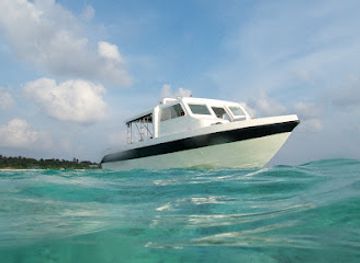
Discover the underwater paradise of Thoddoo with thrilling dives, snorkeling, and boat tours for an unforgettable Maldivian adventure.
-
Island
Thoddoo
Discover Thoddoo Island: Pristine beaches, lush farms, and authentic Maldivian culture await in this tropical paradise.
-
Beach
Thoddu Beach
Discover Thoddoo Beach: Pristine sands, turquoise waters, and authentic Maldivian culture on a lush, agricultural island paradise.
Explore Thoddoo Island on the map
Plan your trip on one map. See where the top attractions, landmarks, restaurants and hotels are, and book hotels and experiences in a few clicks.
Best hotels in Thoddoo Island
Best restaurants in Thoddoo Island
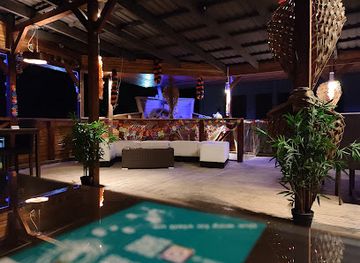
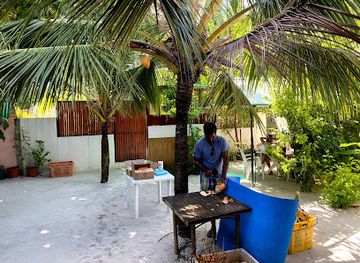
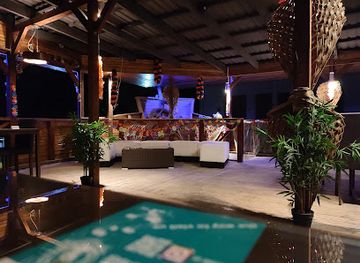
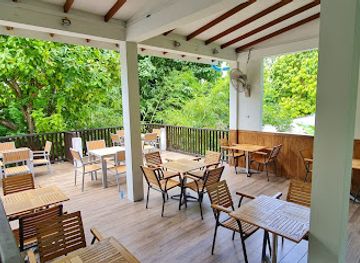
Thoddoo’s dining scene is concentrated around guesthouses, small local cafés and simple restaurants in and near the settled area rather than a large collection of independent destination restaurants. Meals commonly draw on Maldivian staples such as rice, tuna and other seafood, coconut, chilli, curry leaves and flatbreads, with South Asian influences visible in spiced preparations and snacks. The island’s agricultural role adds locally grown watermelon, papaya, coconut and other produce to some menus, although availability varies by season. Guesthouse kitchens can be useful for arranging breakfast, packed lunches or evening meals, while cafés provide straightforward local dishes and drinks. Visitors should not expect alcohol: Thoddoo is a Muslim local island, and resort-style bars are absent. Inform accommodation hosts in advance about dietary requirements, as supplies and specialist choices are more limited than in Malé.
-
Restaurant
Black Anchor Restaurant
Discover culinary delights at Black Anchor Restaurant in Thoddoo - where local flavors meet international cuisine in a cozy setting.
-
Restaurant
PRIANI cuisine
Savor authentic Italian cuisine amidst the serene beauty of Thoddoo in Maldives at PRIANI Cuisine.
-
Restaurant
Food Land
Discover the taste of Maldives at Food Land – where local flavors meet international cuisine in a welcoming setting.
-
Restaurant
Seli Poeli Cafe' & Restuarant
Experience authentic Maldivian cuisine at Seli Poeli Cafe' & Restaurant in Thoddoo, where every dish tells a story.
Best bars in Thoddoo Island
Thoddoo has no conventional nightlife district, nightclub circuit or alcohol-serving bar scene. As a Muslim local island, it offers quiet evenings shaped by guesthouse dining, cafés, conversation and walks through the settlement rather than late-night entertainment. Some accommodation providers may organise low-key experiences such as evening meals, fishing outings or informal gatherings, but these depend on the property and season rather than a permanent events programme. After dark, the coast can offer a peaceful atmosphere, although visitors should follow local advice and avoid secluded areas or entering the water at night. Travellers seeking resort bars, live entertainment or a broader choice of evening venues would need to stay on a private resort island or spend time in Malé, rather than treating Thoddoo as a nightlife destination.
-
Restaurant
Black Anchor Restaurant
Experience the taste of the Maldives at Black Anchor Restaurant in Thoddoo, where every dish tells a story of local flavors.
-
Restaurant
Seli Poeli Cafe' & Restuarant
Experience the flavors of the Maldives at Seli Poeli Cafe' & Restaurant, a must-visit destination for food lovers in Thoddoo.
-
Restaurant
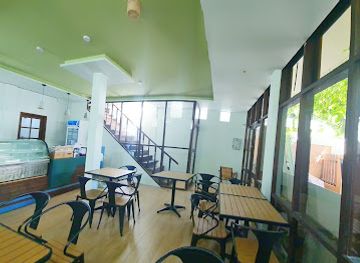
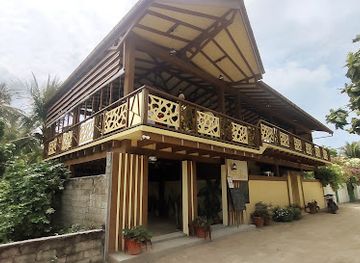
Mango House Cafe' & Restaurant
Experience the flavors of the Maldives at Mango House Cafe' & Restaurant, where culinary traditions meet modern delights.
-
Restaurant
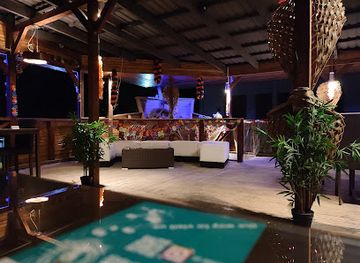
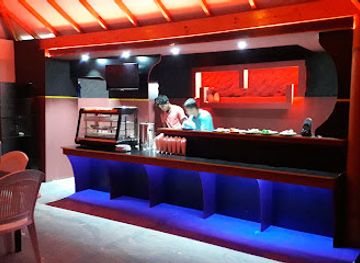
Astro
Experience the authentic flavors of the Maldives at Astro Restaurant, Thoddoo's culinary highlight, offering fresh local dishes in a cozy setting.
Best nightclubs in Thoddoo Island
Thoddoo has no conventional nightlife district, nightclub circuit or alcohol-serving bar scene. As a Muslim local island, it offers quiet evenings shaped by guesthouse dining, cafés, conversation and walks through the settlement rather than late-night entertainment. Some accommodation providers may organise low-key experiences such as evening meals, fishing outings or informal gatherings, but these depend on the property and season rather than a permanent events programme. After dark, the coast can offer a peaceful atmosphere, although visitors should follow local advice and avoid secluded areas or entering the water at night. Travellers seeking resort bars, live entertainment or a broader choice of evening venues would need to stay on a private resort island or spend time in Malé, rather than treating Thoddoo as a nightlife destination.
-
Restaurant
Black Anchor Restaurant
Experience the authentic flavors of the Maldives at Black Anchor Restaurant in Thoddoo, where local cuisine meets a cozy atmosphere.
-
Sightseeing tour agency
Thoddoo Astro Dive Club And Excursions
Discover the enchanting underwater world of the Maldives at Thoddoo Astro Dive Club, offering diving, snorkeling, and boat excursions to explore marine wonders.
-
Restaurant
Mango House Cafe' & Restaurant
Experience the culinary delights of Mango House Cafe' & Restaurant in Thoddoo—where fresh ingredients meet island hospitality.
-
Restaurant
Astro
Discover Astro in Thoddoo, Maldives—where culinary excellence meets breathtaking island views for an unforgettable dining experience.

Best shops in Thoddoo Island
Shopping on Thoddoo is modest and practical, with small island shops supplying everyday goods, snacks, drinks and basic travel necessities rather than a substantial retail district. Its most distinctive products are agricultural: watermelon, papaya, coconut and other locally cultivated produce may be available through shops, growers or guesthouse arrangements, depending on season and supply. Visitors may also find locally made food items and simple Maldivian souvenirs, although choice is narrower than in Malé or on a major resort island. Ask before entering farmland or photographing cultivation, since fields are working private or community plots rather than open markets. For a wider selection of crafts, clothing, imported goods and travel equipment, shop in Malé before travelling to Thoddoo; on the island, buying from small local businesses is more realistic than searching for boutiques or permanent craft markets.
-
Diving center
Thoddoo Diving Center (PDH Maldives) / Русский дайв-центр на Тодду
Explore the breathtaking underwater wonders at Thoddoo Diving Center - a premier diving destination in the heart of the Maldives.
-
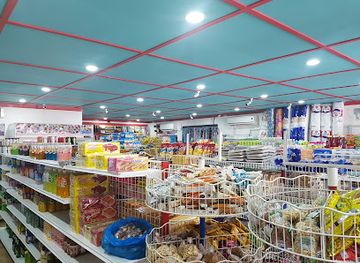
Supermarket
Bright Store
Experience the best of local shopping at the Bright Store in Thoddoo, your essential supermarket for groceries and unique finds.
-
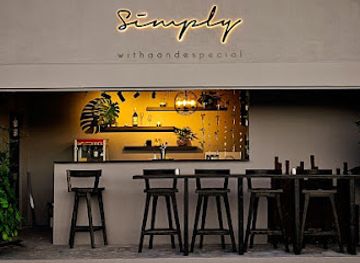
Coffee shop
Simply with Aandespecial
Discover the essence of Thoddoo with exceptional coffee and local flavors at Simply with Aandespecial, a cozy haven for tourists.
-
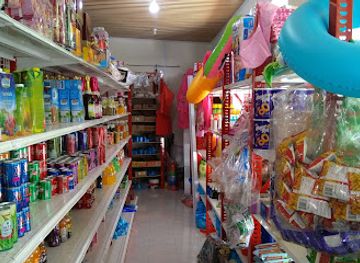
Grocery store
Unique Zone
Experience the vibrant local culture at Unique Zone, Thoddoo's premier grocery store, offering fresh produce and delightful local products.
Get your free copy of our complete guide to Thoddoo Island, delivered straight to you.
Everything on this page, from attractions and restaurants to essentials and local phrases, in one PDF you can read offline, print or share.
Already have an account? Sign in
Your Thoddoo Island guide is ready.
We'll send it to · Not you? Sign out

Getting your guide ready…
We are putting together a fresh copy of the Thoddoo Island guide. This can take up to a minute.
This can take a few moments. If your browser asks, choose Allow so the download can start. You'll find the guide in your Downloads folder.
Nothing happened? Download it again
Sorry, the guide is taking longer than usual. Please try again in a minute, or get it by email instead.
Thoddoo Island essentials
Currency and Payment
Safety
Emergency Situations
Do's and Don'ts
Local Tips
From Eve
Local phrases worth knowing
You don't need to get them perfect. A few words go a long way, and locals appreciate the effort.
Basics
| English | Local | Say it |
|---|---|---|
| Hello | ދުވެގަށް | [Dhivehi] |
| Goodbye | ކިޔާއަށް | [Kihavah] |
| Yes | އޮމެ | [Ome] |
| No | ނުވައި | [Nuvai] |
| Please/You're welcome | މުޙައި/އެންއަވާ | [Mih'u / Enave] |
| Thank you | މުޙައިފާ | [Mih'ufa] |
| Excuse me/Sorry | މުޙައި/ކާންފާ | [Mih'u / Kandifa] |
| How are you? | އޭވެގުން ކާވެއް? | [Ivagan kihave?] |
| Fine. And you? | ފަދަސް މުޙައި? | [Fahas mih'u?] |
| Do you speak English? | އެއިޓެއް ހިސްބާނަށް? | [Aingilis bahaanamake?] |
| I don't understand | ހިތާ ފަޙައި | [Hifa mih'u] |
Eating & Drinking
| English | Local | Say it |
|---|---|---|
| I'd like to see the menu, please | މުޙައި މެނޫއި ދިވެހި ބާކަން | [Mih'u menoo dhevva kureybaan] |
| I don't eat meat | މުޙައި ކަމާއި ނުފެއި | [Mih'u kamaai nufai] |
| Cheers! | ކައިޔާތަން! | [Kihavandu!] |
| I would like to pay, please | މުޙައި އާދީން ކާވަން | [Mih'u adhin kih'an] |
Emergencies
| English | Local | Say it |
|---|---|---|
| Help! | އެލެކާ! | [Elake!] |
| Go away! | ގެއަޔާ! | [Geayu!] |
| Call the Police! | ޕޮލިޔާ ކަލާން! | [Polis kalan!] |
| Call a doctor! | ޑޯކާ ކަލާން! | [Dokan kalan!] |
| I'm lost | މުޙައި އަހަން | [Mih'u ahandu] |
| I'm ill | މުޙައި ކަދީން | [Mih'u kai'an] |
Shopping
| English | Local | Say it |
|---|---|---|
| I'd like to buy... | މުޙައި ދިވެހި... | [Mih'u kurey...] |
| I'm just looking | މުޙައި ކަލާން ކާއި | [Mih'u kalan kai] |
| How much is it? | އުކާ ކަމާ ފަން? | [Oka kamaa faan?] |
| That's too expensive | މުޙައި އޭފެއް ފާދަން | [Mih'u aifai fahandu] |
| Can you lower the price? | ފޮހާ ކަދީ ފަން? | [Hoadha kai faan?] |
Time & Numbers
| English | Local | Say it |
|---|---|---|
| What time is it? | އޮކާ ކަމާ ބާކަން? | [Oka kamaa baan?] |
| It's one o'clock | އެޑުމި އެކާ | [Edhu meka] |
| Half past (10) | އަބަރު (10) | [Abaru (10)] |
| Morning | ހިތާނާ | [Hifanaa] |
| Afternoon | ދިވެހާނާ | [Dhevahanaa] |
| Evening | އިކާކާނާ | [Ikaanaa] |
| Yesterday | ފިވާނާ | [Fihanaa] |
| Today | މުޙައި | [Mih'u] |
| Tomorrow | މުއިވާނާ | [Mihivaanaa] |
| 1 | އެޑުމި | [Edhu meka] |
| 2 | ދިގާރި | [Dhegari] |
| 3 | ތިނާވި | [Thinavi] |
| 4 | ކާރިނާ | [Kerinaa] |
| 5 | ކިބާވާ | [Kibaanaa] |
| 6 | މެގައި | [Mehai] |
| 7 | ދިގެލި | [Dheylai] |
| 8 | ފާކިރާ | [Fakira] |
| 9 | މާނާވާ | [Manavaa] |
| 10 | ކާނާވާ | [Kanavaa] |
Transport & Directions
| English | Local | Say it |
|---|---|---|
| Where's a/the...? | އަބާ ކަނޑާ...? | [Aba kandha...?] |
| What's the address? | އޮކާ އެޑުމި މިނާ...? | [Oka edhu minaa...?] |
| Can you show me (on the map)? | ފޮހާ ކައި ކާވެހޭނާ...? | [Hoadha kai kaihaa...?] |
| When's the next (bus)? | އޮކާ އެޑުމި ދިވެން (ބާފަން)...? | [Oka edhu dhevaa (baanu)...?] |
| A ticket (to ....) | އެޑަލް (.... ދިވެން) | [Edal (... dhevaa)] |
History of Thoddoo Island
A Coral Island in North Ari Atoll
Thoddoo, like the other islands of the Maldives, is built on coral formations shaped by long-term reef growth, changes in sea level and the movement of sand across a shallow atoll environment. Its natural resources have historically been marine: the surrounding reef and lagoon supported fishing, boatbuilding knowledge and inter-island exchange, while coconut palms and other plants provided food and materials. The island’s relatively broad, fertile interior also helped distinguish it from smaller, more densely settled coral islands.
Early Buddhist and Islamic Heritage
The wider Maldivian archipelago was Buddhist before the conversion of the islands to Islam in the twelfth century, and Thoddoo is associated with archaeological evidence from that earlier period. A Buddhist head found on the island is held among the Maldivian National Museum’s noted archaeological objects, although surviving remains are limited and do not form an extensive visitor site. The island’s present cultural identity is Islamic, reflected in its mosques, daily customs and standards of public dress.
Fishing and Island Community Life
For much of its modern history, Thoddoo’s community life was shaped by the familiar Maldivian combination of reef fishing, coconut cultivation, household gardens and seafaring links with neighbouring islands. Boats connected residents with markets, schools, religious institutions and administrative centres, while seasonal weather influenced movement across the atoll. The island’s sizeable settled area and productive land allowed agriculture to remain more visible here than on many smaller Maldivian islands, where limited soil and scarce space favour a stronger dependence on imported food.
Agriculture and Community Tourism
Thoddoo’s contemporary identity has developed through the meeting of commercial farming and community-based tourism. Watermelon, papaya, coconut and other crops are cultivated for local consumption and wider Maldivian markets, giving the island a distinctive agricultural economy. Guesthouses began bringing international visitors into the local setting as Maldivian tourism expanded beyond resort islands. This shift created new opportunities in accommodation, guiding, boat excursions and food services while leaving Thoddoo as an inhabited community rather than converting it into a self-contained resort.
A Modern Marine Environment
Today, Thoddoo’s coast and surrounding reef support both everyday livelihoods and visitor activities such as snorkelling, diving and fishing excursions. Marine conditions are influenced by monsoon weather, tides and the health of the atoll ecosystem, so responsible tourism is important. Avoiding contact with coral, keeping distance from wildlife and following local guidance help protect the environment on which the island’s fishing, recreation and coastal character depend.
Thoddoo Island in Photos
Browse through our photo collection highlighting the charm and character of the destination.
Cities in Thoddoo Island
The towns and cities of Thoddoo Island, and the easiest places to base yourself.

Swipe for more cities
Neighbouring destination travel guides
The closest destinations to Thoddoo Island, if you have time for more than one.
-

-

-
-
-


Swipe for more destinations
Explore more

Explore more of Maldives
Experience the unparalleled beauty of the Maldives, where pristine beaches, luxurious resorts, and vibrant marine life create the perfect tropical getaway.
Explore Maldives