

Veligandu Island Travel Guide - Free Web & App
Your ultimate guide to Veligandu Island. Discover top landmarks, proposed trips, and local tips. Free on the web or via the Evendo companion app.


Veligandu Island, Maldives offers coral beaches, lagoon snorkelling, diving, seaplane arrivals and a peaceful North Ari Atoll resort escape for travellers.
Island and Atoll Setting
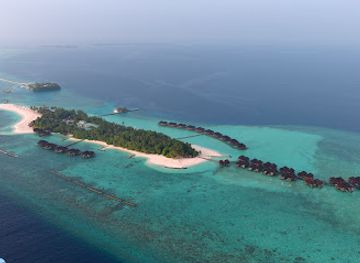
Veligandu Island is a small resort island in North Ari Atoll, part of the central Maldives in the Indian Ocean. Like other Maldivian islands, it is formed from coral sand and reef material surrounding a shallow lagoon, with the island's narrow landform bordered by pale beaches and clear tropical water. The shoreline, lagoon and surrounding reef are the defining features of the destination: there is no town or road network, and the resort occupies the island as a self-contained visitor environment.Read more about Veligandu Island
Life Above and Below the Water
A Resort Island Rather Than a Village
When is the best time to visit Veligandu Island?
Best: January–March · 30°C| Month | High (°C) | Rainfall (mm) |
|---|---|---|
| January (best) | 30 | 93 |
| February (best) | 30 | 61 |
| March (best) | 30 | 76 |
| April | 31 | 132 |
| May | 31 | 225 |
| June | 31 | 193 |
| July | 31 | 171 |
| August | 31 | 140 |
| September | 31 | 155 |
| October | 30 | 191 |
| November | 30 | 203 |
| December | 30 | 151 |
Getting to and around Veligandu Island
How to get there
Transportation
Best attractions in Veligandu Island
Veligandu's principal attractions are its coral beaches, shallow lagoon and surrounding North Ari Atoll reef environment rather than a collection of separate monuments. The island can be explored on foot, with broad views across turquoise water and changing stretches of sand shaped by tide, wind and currents. Guided snorkelling and diving excursions reach nearby reef sites and open-water habitats, where sightings depend on season, visibility and marine conditions. Boat trips may include sunset cruises, fishing outings and visits to selected sandbanks or reef areas arranged by the resort, although routes and access are weather-dependent. The compact island setting also makes the shoreline itself an attraction: quiet beach walks, dawn and dusk views, and observation of seabirds and marine life are central to the experience. There is no independent village, museum or historic district on Veligandu, so excursions beyond the resort focus on the natural character of the atoll and the wider Maldivian seascape.
-
Island
Veligandu
Discover the tranquil beauty of Veligandu Island, a tropical paradise in the Maldives with stunning beaches and vibrant marine life.
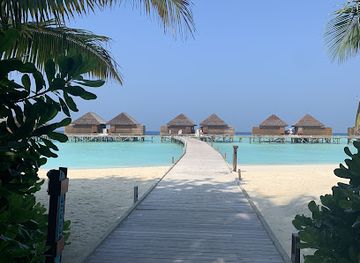
Best landmarks in Veligandu Island
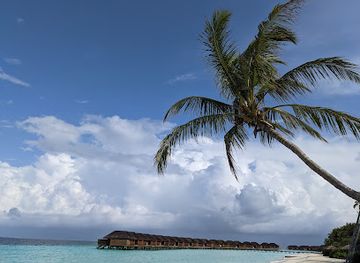
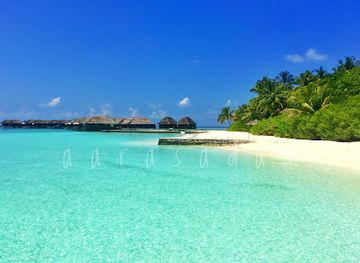
Veligandu's defining landmarks are natural: its narrow coral island, pale sand shoreline, shallow lagoon and encircling reef. These features illustrate the low-lying atoll landscapes for which the Maldives is known, where the visible land is inseparable from the surrounding marine system. The lagoon changes character with tide, weather and sunlight, while the reef marks the boundary between sheltered water and the open Indian Ocean. No major historic castle, religious monument or urban architectural landmark stands on the island, and the resort buildings are contemporary rather than heritage structures. The most significant cultural landmark is therefore the island's position within North Ari Atoll, a maritime landscape historically connected with fishing and inter-island travel. Sandbanks, reef passages and nearby uninhabited islets encountered on organised excursions extend this sense of place, but their accessibility depends on sea conditions and local arrangements.
-
 Resort hotel
Veligandu Maldives Resort Island
Experience the ultimate Maldivian escape at Veligandu: pristine beaches, luxurious villas, and unforgettable moments in a secluded paradise.
-
Island
Veligandu
Discover Veligandu Island: A secluded Maldivian paradise with pristine beaches, vibrant reefs, and luxurious experiences for an unforgettable escape.
-
Health spa
Duniye Spa Veligandu (Over Water Villa)
Experience holistic well-being at Duniye Spa Veligandu, with therapeutic treatments amidst the Maldives' serene overwater beauty.
-
Reef
Veligandu Falhu
Discover Veligandu Falhu: An underwater paradise with vibrant coral reefs, diverse marine life, and exceptional snorkeling and diving in the Maldives.
Explore Veligandu Island on the map
Plan your trip on one map. See where the top attractions, landmarks, restaurants and hotels are, and book hotels and experiences in a few clicks.
Best hotels in Veligandu Island
Best restaurants in Veligandu Island
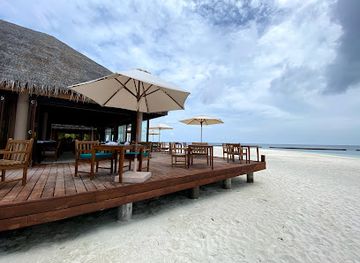
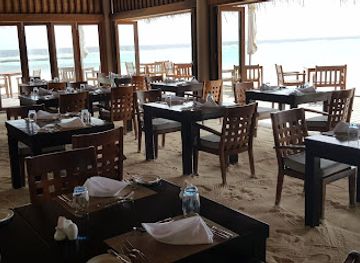
Dining on Veligandu is concentrated within the resort rather than spread across a local town. Meals typically draw on international hotel cuisine alongside familiar Maldivian influences, including rice, coconut, tuna and aromatic spices that reflect the country's fishing traditions and Indian Ocean connections. Seafood may feature prominently, subject to sourcing and daily availability, while breakfast, casual meals and special-occasion dining are generally organised through the resort's restaurants and bars. Guests should not expect a village market, independent café circuit or roadside food stalls on the island. For a more local culinary perspective, excursions to inhabited islands or time in Malé provide a broader view of Maldivian food culture, but these are separate from Veligandu's self-contained resort dining. Dietary requirements should be communicated in advance, particularly because all supplies reach the island through organised transport.
-
Restaurant
Dhonveli Restaurant
Discover authentic Maldivian flavors at Dhonveli Restaurant in Rasdhoo—where every meal is a celebration of local culture.
-
Restaurant
Madivaru Restaurant
Discover the vibrant flavors of Maldivian cuisine at Madivaru Restaurant in Veligandu - a must-visit culinary destination for every traveler.
Best bars in Veligandu Island
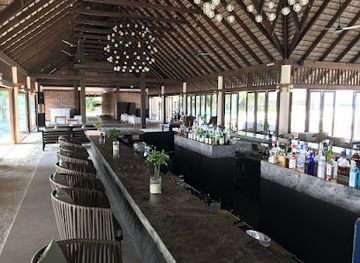
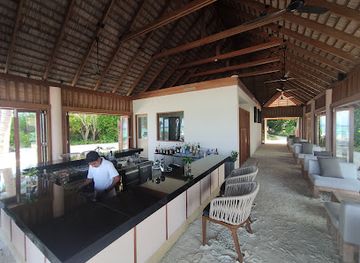
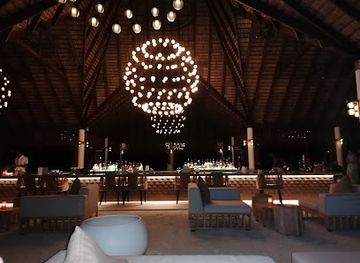
Veligandu has a quiet resort evening atmosphere rather than a conventional nightlife scene. The island's bar facilities provide a place for drinks, conversation and views across the lagoon, while evening entertainment may be arranged within the resort depending on its programme and season. The natural setting lends itself to sunset watching, stargazing and gentle walks more than to late-night clubbing, and there is no independent nightlife district, public-house circuit or town centre. Alcohol service is associated with the resort environment; visitors should remember that regulations and customs are different on inhabited Maldivian islands, where alcohol is generally not available. Travellers seeking busy clubs, live music venues or a wider choice of bars would need to look beyond Veligandu, principally in resort or urban destinations elsewhere in the country.
-
Bar
Thundi Bar
Experience the vibrant nightlife and tropical charm of Thundi Bar in Rasdhoo, where unforgettable moments and stunning ocean views await.
-
Bar
Athiri Bar
Discover the tropical haven of Athiri Bar, where every sip is a taste of paradise in the Maldives.
Best nightclubs in Veligandu Island
Veligandu has a quiet resort evening atmosphere rather than a conventional nightlife scene. The island's bar facilities provide a place for drinks, conversation and views across the lagoon, while evening entertainment may be arranged within the resort depending on its programme and season. The natural setting lends itself to sunset watching, stargazing and gentle walks more than to late-night clubbing, and there is no independent nightlife district, public-house circuit or town centre. Alcohol service is associated with the resort environment; visitors should remember that regulations and customs are different on inhabited Maldivian islands, where alcohol is generally not available. Travellers seeking busy clubs, live music venues or a wider choice of bars would need to look beyond Veligandu, principally in resort or urban destinations elsewhere in the country.
-
Resort hotel
Veligandu Maldives Resort Island
Discover the ultimate tropical escape at Veligandu Maldives Resort Island, where luxury meets nature in a stunning paradise.
-
Bar
Thundi Bar
Experience the vibrant nightlife of Rasdhoo at Thundi Bar, where cocktails, live music, and a friendly atmosphere await you.
-
Bar
Athiri Bar
Discover the serene atmosphere and exquisite cocktails at Athiri Bar, your tropical escape in the heart of the Maldives.

Get your free copy of our complete guide to Veligandu Island, delivered straight to you.
Everything on this page, from attractions and restaurants to essentials and local phrases, in one PDF you can read offline, print or share.
Already have an account? Sign in
Your Veligandu Island guide is ready.
We'll send it to · Not you? Sign out

Getting your guide ready…
We are putting together a fresh copy of the Veligandu Island guide. This can take up to a minute.
This can take a few moments. If your browser asks, choose Allow so the download can start. You'll find the guide in your Downloads folder.
Nothing happened? Download it again
Sorry, the guide is taking longer than usual. Please try again in a minute, or get it by email instead.
Veligandu Island essentials
Currency and Payment
Safety
Emergency Situations
Do's and Don'ts
Local Tips
History of Veligandu Island
A Coral Island in an Atoll Sea
Veligandu's deepest history is geological rather than architectural. The island belongs to the coral atoll system of the Maldives, created over long periods as reef structures developed around subsiding volcanic foundations and accumulated coral sand. Its low, narrow profile, lagoon and surrounding reef are products of this environment. As with other small Maldivian islands, the visible land is closely connected to the health of the reef and to seasonal ocean conditions, leaving little scope for the monumental buildings or extensive archaeological remains associated with older continental settlements.
The North Ari Atoll Setting
Before modern tourism, life across the Maldivian atolls was shaped by fishing, seafaring and the movement of goods and people between islands. North Ari Atoll formed part of this maritime world, where reef passages, lagoons and monsoon winds influenced travel and livelihoods. Veligandu itself is not a traditional inhabited village and has no substantial historic urban fabric to explore. Its cultural context is therefore best understood through the wider Maldivian traditions of island settlement, boat use, fishing and close dependence on the marine environment.
The Rise of Resort Tourism
The Maldives began receiving modern resort visitors after the opening of its first tourist facilities in the 1970s, a development that transformed selected uninhabited islands into self-contained accommodation destinations. Veligandu developed within this national shift towards resort tourism and became associated with the North Ari atoll's lagoon and reef experiences. Tourism brought new employment, transport links and international visibility while retaining the island's small-scale physical character; accommodation, dining, recreation and services remain concentrated within one resort rather than a conventional settlement.
Conservation and a Changing Coastline
Contemporary Veligandu exists within an environment shaped by coral growth, currents, storms and changing sea conditions. Reef health is central to the island's landscape and tourism economy, while careful management of beaches, water activities and marine encounters is essential in a low-lying atoll. The resort setting also reflects a broader Maldivian challenge: balancing visitor access and coastal infrastructure with the protection of fragile coral ecosystems. Visitors encounter this history of adaptation through the island's compact form, reef-based activities and reliance on managed seaplane and boat connections.
Veligandu Island in Photos
Browse through our photo collection highlighting the charm and character of the destination.
Neighbouring destination travel guides
The closest destinations to Veligandu Island, if you have time for more than one.
-

-

-

-

-


Swipe for more destinations
Explore more

Explore more of Ari Atoll
Explore Ari Atoll in the Maldives for coral reefs, whale-shark waters, island communities, diving, sandy beaches and lagoon-based resort stays.
Explore Ari Atoll
Explore more of Maldives
Experience the unparalleled beauty of the Maldives, where pristine beaches, luxurious resorts, and vibrant marine life create the perfect tropical getaway.
Explore Maldives