Early Settlement and Founding
Ukulhas, located in the Alif Alif Atoll of the Maldives, has a rich history that dates back to the early settlement period of the Maldivian islands. Archaeological findings suggest that the island was inhabited as far back as 500 BCE, with early settlers relying on fishing and coconut cultivation. The island’s name, Ukulhas, is believed to derive from ancient Maldivian language, indicating its long-standing significance in the region.
Buddhist Era
Before the advent of Islam in the Maldives, Ukulhas, like many other islands in the archipelago, was influenced by Buddhist culture. Ruins of Buddhist stupas and monastic complexes have been discovered, indicating that Buddhism played a significant role in the spiritual and cultural life of the islanders. The spread of Buddhism to Ukulhas can be traced back to the 3rd century BCE, during the reign of Emperor Ashoka of India.
Islamic Conversion
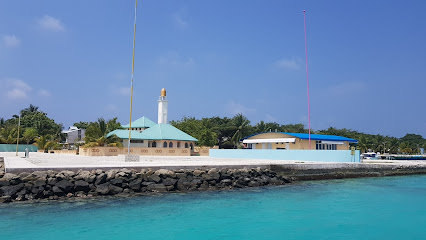
The Maldives, including Ukulhas, converted to Islam in 1153 CE under the guidance of a North African Berber named Abu al-Barakat Yusuf al-Barbari. This event marked a significant cultural and religious transformation for the island. The conversion to Islam led to the construction of mosques and the integration of Islamic practices into the daily life of the inhabitants. Ukulhas is home to several ancient mosques that reflect this historical change.
Sultanate Period
During the Sultanate period, which lasted from the 12th century until the 20th century, Ukulhas was part of the Maldivian Sultanate. The island contributed to the Sultanate’s economy through its fishing industry, particularly the production of dried fish, a staple in Maldivian trade. The islanders also played a role in the maritime trade routes that connected the Maldives to other parts of the Indian Ocean world.
Colonial Encounters
Ukulhas, like the rest of the Maldives, experienced periods of foreign influence and colonial encounters. The Portuguese briefly occupied the Maldives in the mid-16th century, followed by the Dutch and the British. Each of these colonial powers left a mark on the island, influencing its trade, politics, and culture. However, Ukulhas maintained a degree of autonomy and continued to thrive as a local fishing community.
Modern Development
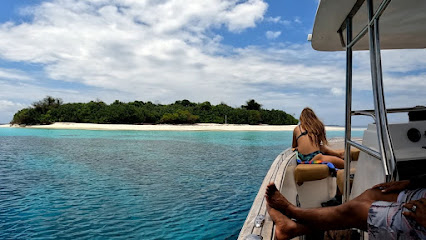
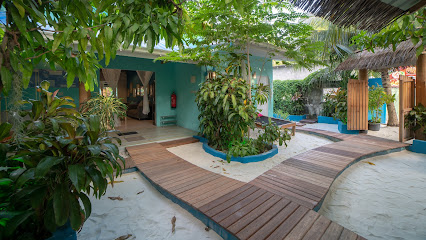
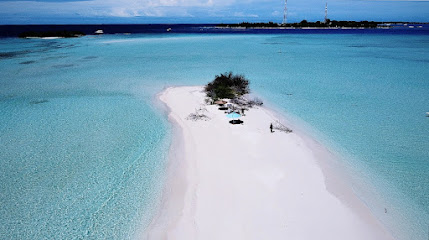
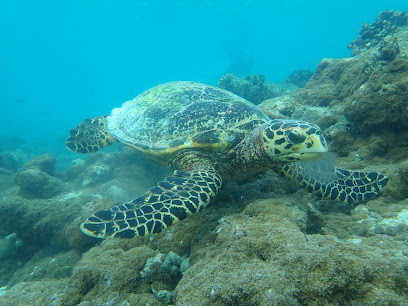
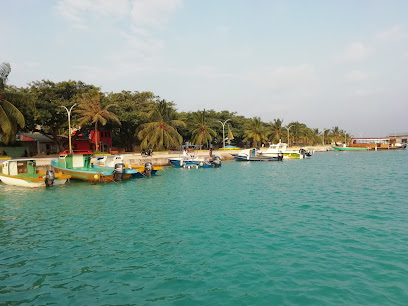
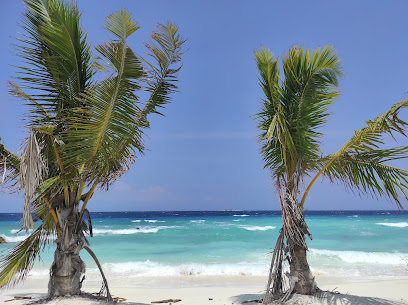
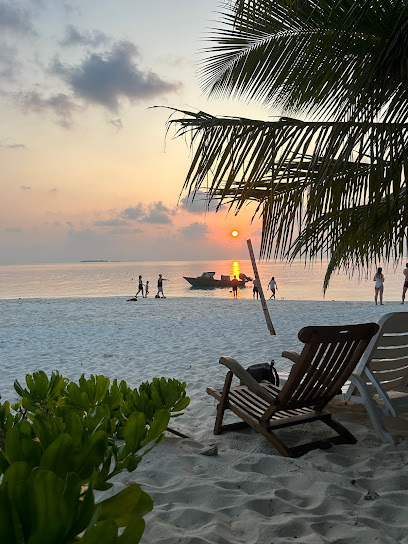
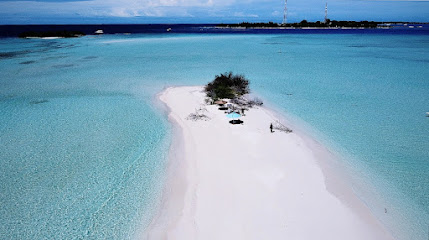
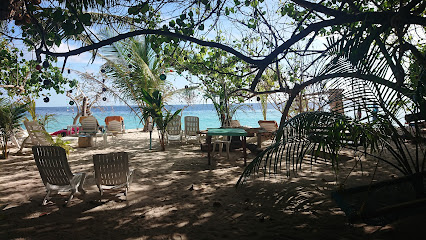
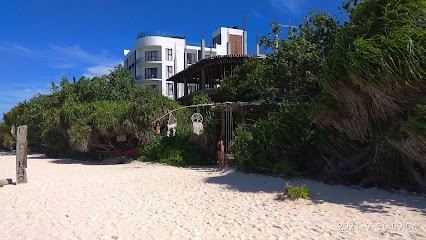
In recent decades, Ukulhas has undergone significant modernization while preserving its historical and cultural heritage. The island has become a popular destination for eco-tourism, known for its beautiful beaches, coral reefs, and sustainable practices. Efforts have been made to protect the island’s natural environment and promote community-based tourism, allowing visitors to experience the unique culture and history of Ukulhas.