
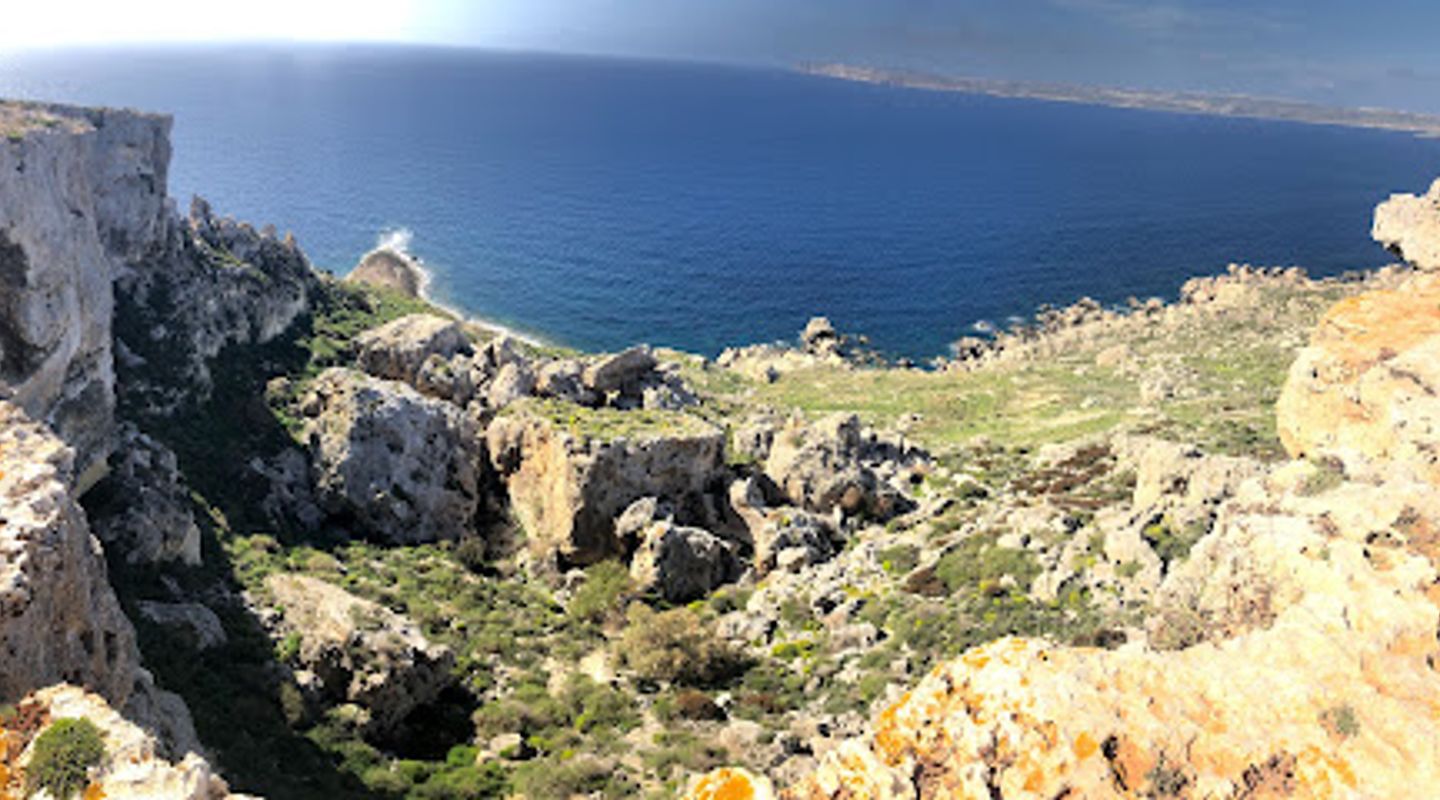
Għar Tuta, Central Region Travel Guide
Explore Għar Tuta: Uncover Malta's ancient past and discover the lives of the island's first inhabitants from 8,500 years ago.
Għar Tuta, also known as Latnija Cave, is a significant archaeological site in Mellieħa, Malta. Recent excavations have revealed evidence of human habitation dating back 8,500 years, pushing Malta's known human history back by a millennium. The cave is now a protected site, offering a glimpse into the lives of Mesolithic hunter-gatherers who first colonized the island.
A brief summary to Għar Tuta
- X8GH+XCQ, Mellieħa, MT

Know before you go
Hi, I'm Eve. Here are a few practical things to know before exploring Għar Tuta.
- Note that access to the cave is currently restricted due to its protected archaeological status.
- Learn about the discoveries at the Mellieha Local Council.
- Wear sturdy shoes if you are walking to the site as the terrain can be uneven.
Do you manage this location?
Take control to get all the benefits, like improved information, better appearance, and stronger visibility across AI-powered discovery. Learn more about listing your business on Evendo
Activate your presenceOther nearby places you may find interesting
The closest places of the same kind, if this one is not quite what you had in mind.
Explore Għar Tuta on the Map
A handpicked selection of must-see spots near Għar Tuta, mapped for you.
Getting There
-
Walking
Għar Tuta is located approximately a 15-minute walk from the main road in Mellieħa. From the Mellieħa Parish Church, head southwest along Triq il-Madonna ta' Fatima. Continue onto Triq il-Latnija. The site is located off the road; look for a fenced-off area.
-
Public Transport
From the Mellieha bus terminus, walk along Triq il-Madonna ta' Fatima, then onto Triq il-Latnija. Several bus routes serve Mellieha, including routes from Valletta and other major towns. A single journey ticket costs €2.50 in summer.
-
Taxi
Taxis are available in Mellieħa. A taxi from the Mellieha centre to Għar Tuta would be a short ride, costing approximately €10-€15. Confirm the fare with the driver before starting your journey.
Discover more about Għar Tuta













Your all‑in‑one travel companion app
Explore expert travel guides, compare and book tours, experiences, hotels, and more—all from the palm of your hand. Download now for seamless trip planning wherever your wanderlust takes you.


Explore More of Central Region
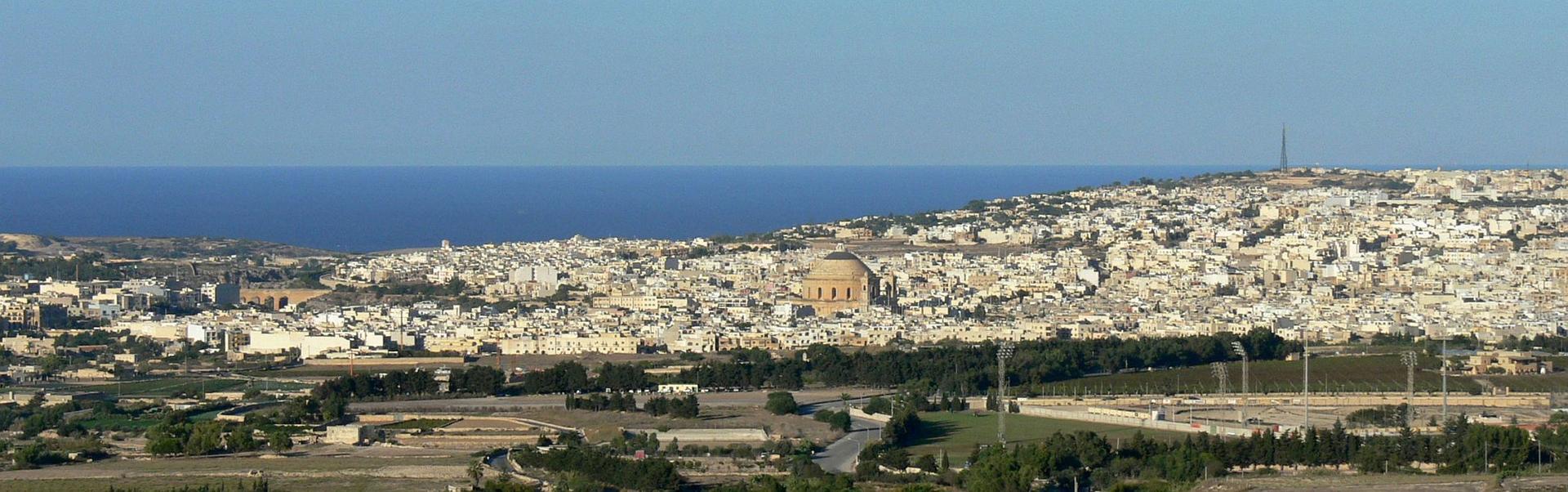
Looking beyond Għar Tuta? Discover Central Region for broader travel guides, local hot-spots, and regional highlights.
Explore Central Region