

Free Ailuk Atoll Travel Guide & Mobile App
Explore Ailuk Atoll with free travel guides. Discover regional history, expert tips, proposed trips, and audio guides on web or mobile app.


Ailuk Atoll in the Marshall Islands offers remote lagoon scenery, Marshallese island culture, reef exploration and an unhurried outer-atoll experience.
Read more about Ailuk Atoll
When is the best time to visit Ailuk Atoll?
Best: January–March · 29°C| Month | High (°C) | Rainfall (mm) |
|---|---|---|
| January (best) | 29 | 200 |
| February (best) | 29 | 170 |
| March (best) | 29 | 190 |
| April | 30 | 210 |
| May | 30 | 220 |
| June | 30 | 230 |
| July | 30 | 240 |
| August | 30 | 250 |
| September | 30 | 260 |
| October | 30 | 270 |
| November | 30 | 280 |
| December | 29 | 290 |
Getting to and around Ailuk Atoll
How to get there
Transportation
Best landmarks in Ailuk Atoll
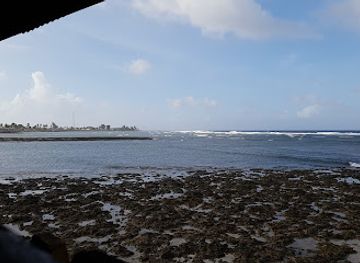
Ailuk's defining landmarks are the physical forms of the atoll itself: the broad lagoon, the narrow coral islets and the reef edge that separates sheltered water from the open Pacific. Their importance is geographical as well as visual, because they determine settlement, fishing, navigation and access between communities. Coconut palms and pandanus, village churches, shoreline homes and canoe landings form a human landscape that should be viewed respectfully rather than treated as a collection of monuments. The inhabited part of Ailuk Island provides the clearest sense of how a low-lying coral community is organised around the water, while the surrounding islets reveal the scale and fragility of the atoll system. There are no grand stone castles or monumental civic buildings here; Ailuk's significance lies in its oceanic setting, traditional land relationships and continuing use as a lived Marshallese place.
-
Hotel
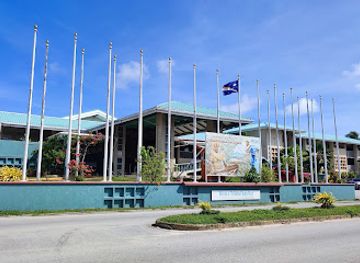
Marshall Islands Resort
Discover the beauty of the Marshall Islands at the luxurious Marshall Islands Resort, where paradise meets adventure in the heart of the Pacific.
-
Atoll
Majuro
Discover the enchanting beauty of Majuro Atoll, where vibrant culture meets stunning natural landscapes in the heart of the Marshall Islands.
-
Island
Arno Atoll
Explore the pristine beaches, vibrant marine life, and rich culture of Arno Atoll, a serene paradise in the Marshall Islands.
-
Island
Ailuk Atoll
Experience the breathtaking beauty and rich culture of Ailuk Atoll, a hidden paradise in the Marshall Islands, perfect for adventure and relaxation.


Explore Ailuk Atoll on the map
Plan your trip on one map. See where the top cities, national parks and sights are, and book hotels and experiences in a few clicks.
Best hotels in Ailuk Atoll
Best restaurants in Ailuk Atoll
Ailuk does not have a conventional restaurant scene, and visitors should arrange meals with a host or accommodation provider before arrival. Food may draw on locally available fish, coconut, breadfruit, pandanus, taro and other island staples, alongside imported rice, tinned goods and packaged foods. What is served depends on the season, household resources, fishing conditions and supply shipments, so no fixed menu should be expected. Sharing food can be an important part of a hosted visit, but visitors should ask politely about arrangements, dietary needs and any contribution requested. Bring suitable snacks if particular foods are essential, especially for delays in air or boat travel. The broader Marshallese culinary tradition is closely tied to the ocean, cultivated plants and imported provisions, and Ailuk offers a chance to encounter that balance in an outer-atoll setting rather than through commercial dining.
-
Restaurant
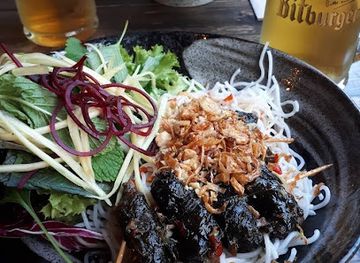
Tide Table Restaurant & Lounge
Experience authentic Marshallese cuisine with stunning ocean views at Tide Table Restaurant & Lounge in Majuro Atoll.
-
Barbecue
Outrigger Bar & Grill
Experience authentic barbecue flavors at Outrigger Bar & Grill in Kwajalein Atoll – where every meal is accompanied by breathtaking ocean views.
-
Restaurant
Toeak Bar and Grill
Discover authentic Marshallese cuisine at Toeak Bar and Grill in Majuro Atoll – where flavor meets breathtaking scenery.
-
Takeout Restaurant
Yummy
Discover delightful takeout at Yummy in Majuro Atoll - where local flavors meet convenience!

Best bars in Ailuk Atoll
Ailuk has no established bar or nightclub district and should not be approached as a nightlife destination. Evenings generally centre on households, community life, conversation and the quiet rhythm of an island settlement, with entertainment dependent on local arrangements rather than advertised venues. Visitors may be offered refreshments by a host, but drinking should never be assumed to be part of an itinerary, and local expectations should be followed. Electricity, internet access and mobile coverage can be intermittent, so evenings are often better suited to stargazing, listening to stories about the atoll or appreciating the lagoon after dark from a safe and permitted place. Anyone travelling for a special gathering should confirm its date and location locally, as community events and informal social occasions are not reliably published for visitors.
-
Hotel
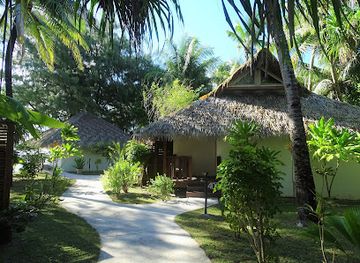
Marshall Islands Resort
Discover the beauty of the Marshall Islands at Marshall Islands Resort, where comfort meets paradise in Majuro Atoll.
-
Restaurant
Tide Table Restaurant & Lounge
Discover the culinary delights of Tide Table Restaurant & Lounge, a premier dining destination in Majuro offering a fusion of local and international flavors.
-
Hotel
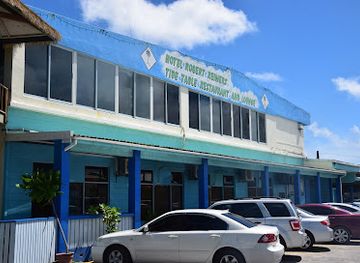
Hotel Robert Reimers
Experience the best of Majuro Atoll at Hotel Robert Reimers, your cozy retreat in the heart of the Marshall Islands.
-
Barbecue
Outrigger Bar & Grill
Discover the ultimate barbecue experience in the serene surroundings of Roi-Namur, Kwajalein Atoll, where local flavors meet island charm.
Best nightclubs in Ailuk Atoll
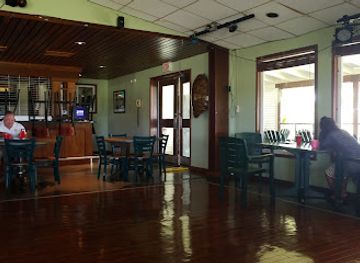
Ailuk has no established bar or nightclub district and should not be approached as a nightlife destination. Evenings generally centre on households, community life, conversation and the quiet rhythm of an island settlement, with entertainment dependent on local arrangements rather than advertised venues. Visitors may be offered refreshments by a host, but drinking should never be assumed to be part of an itinerary, and local expectations should be followed. Electricity, internet access and mobile coverage can be intermittent, so evenings are often better suited to stargazing, listening to stories about the atoll or appreciating the lagoon after dark from a safe and permitted place. Anyone travelling for a special gathering should confirm its date and location locally, as community events and informal social occasions are not reliably published for visitors.
-
Bar
Oceanview Club aka Snake Pit
Experience the vibrant atmosphere and stunning ocean views at Oceanview Club, a must-visit bar in Kwajalein Atoll.
-
Night club
Marshall Islands Club
Discover the lively nightlife at Marshall Islands Club, a must-visit destination for music, dancing, and unforgettable experiences in Majuro Atoll.
-
 Bar
BarJakaro Bar
Discover the tropical charm of Jakaro Bar in Majuro Atoll, where refreshing drinks and vibrant island vibes await every visitor.

Best shops in Ailuk Atoll
Shopping on Ailuk is limited to small local supplies rather than a retail district. Visitors may find basic provisions through community stores or household sellers, but stock, opening arrangements and payment options can vary, so essential purchases should be made before leaving Majuro. Locally made pandanus mats, woven articles, baskets or other handicrafts may sometimes be available through personal connections, although these should be bought respectfully and not assumed to be produced for a constant tourist market. Regional Marshallese products and souvenirs are easier to find in Majuro, outside Ailuk, where shops and markets have more dependable supplies. On the atoll, the most meaningful purchases are usually arranged directly with residents and may support household skills or local livelihoods; agree prices and permissions clearly, and never take shells, coral or other natural material from the reef.
-
Hotel
Marshall Islands Resort
Discover the serene beauty and rich culture of the Marshall Islands at the unique Marshall Islands Resort.
-
Hotel
Hotel Robert Reimers
Experience the beauty of Majuro at Hotel Robert Reimers, where comfort meets local charm in the heart of the Marshall Islands.
-
International airport
Amata Kabua International Airport
Experience the charm of Amata Kabua International Airport, the gateway to the breathtaking Marshall Islands and its stunning natural beauty.
-
Supermarket
EZ Price Mart
Explore local flavors and global favorites at EZ Price Mart, the bustling supermarket in Majuro Atoll for all your shopping needs.
Get your free copy of our complete guide to Ailuk Atoll, delivered straight to you.
Everything on this page, from attractions and restaurants to essentials and local phrases, in one PDF you can read offline, print or share.
Already have an account? Sign in
Your Ailuk Atoll guide is ready.
We'll send it to · Not you? Sign out

Getting your guide ready…
We are putting together a fresh copy of the Ailuk Atoll guide. This can take up to a minute.
This can take a few moments. If your browser asks, choose Allow so the download can start. You'll find the guide in your Downloads folder.
Nothing happened? Download it again
Sorry, the guide is taking longer than usual. Please try again in a minute, or get it by email instead.
Ailuk Atoll essentials
Currency and Payment
Safety
Emergency Situations
Do's and Don'ts
Local Tips
From Eve
Local phrases worth knowing
You don't need to get them perfect. A few words go a long way, and locals appreciate the effort.
Basics
| English | Local | Say it |
|---|---|---|
| Hello | Yokwe | [yoh-kweh] |
| Goodbye | Aolep | [ah-oh-lep] |
| Yes | E | [eh] |
| No | Aolep | [ah-oh-lep] |
| Please/You're welcome | Tatō | [tah-toh] |
| Thank you | Komol tata | [koh-mohl tah-tah] |
| Excuse me/Sorry | Mōkūn | [moh-koon] |
| How are you? | Iakwe? | [ee-ah-kweh] |
| Fine. And you? | Iakwe. Iakwe ej? | [ee-ah-kweh. ee-ah-kweh ej?] |
| Do you speak English? | Ejjab ebon English? | [eh-jahb eh-bon eh-ng-lish?] |
| I don't understand | Ejjab in jān | [eh-jahb in jahn] |
Eating & Drinking
| English | Local | Say it |
|---|---|---|
| I'd like to see the menu, please | Jab in rokkōk, tatō | [jahb in roh-kohk, tah-toh] |
| I don't eat meat | Ejjab in ean etan | [eh-jahb in eh-ahn eh-tahn] |
| Cheers! | Yokwe! | [yoh-kweh!] |
| I would like to pay, please | Jab in rokkōk ke, tatō | [jahb in roh-kohk keh, tah-toh] |
Emergencies
| English | Local | Say it |
|---|---|---|
| Help! | Kōkō! | [koh-koh!] |
| Go away! | Kōke! | [koh-keh!] |
| Call the Police! | Ejjab in kōn ean Police! | [eh-jahb in kohn eh-ahn poh-lees!] |
| Call a doctor! | Ejjab in kōn ean doktor! | [eh-jahb in kohn eh-ahn dohk-tor!] |
| I'm lost | Ejjab in jān ean | [eh-jahb in jahn eh-ahn] |
| I'm ill | Ejjab in jān ean jān | [eh-jahb in jahn eh-ahn jahn] |
Shopping
| English | Local | Say it |
|---|---|---|
| I'd like to buy... | Jab in ean... | [jahb in eh-ahn...] |
| I'm just looking | Ejjab in jān rokkōk | [eh-jahb in jahn roh-kohk] |
| How much is it? | Ewor in ean? | [eh-wor in eh-ahn?] |
| That's too expensive | Ejjab in aolep ean | [eh-jahb in ah-oh-lep eh-ahn] |
| Can you lower the price? | Ejjab in ean ael, ewor? | [eh-jahb in eh-ahn ah-el, eh-wor?] |
Time & Numbers
| English | Local | Say it |
|---|---|---|
| What time is it? | Ejjab in ean jān? | [eh-jahb in eh-ahn jahn?] |
| It's one o'clock | Ejjab in roon jān | [eh-jahb in roh-ohn jahn] |
| Half past (10) | Ejjab in jān 10. | [eh-jahb in jahn 10.] |
| Morning | Mōrning | [mor-ning] |
| Afternoon | Mōrning jān | [mor-ning jahn] |
| Evening | Mōrning jān jān | [mor-ning jahn jahn] |
| Yesterday | Irooj | [ee-rooj] |
| Today | Ejjab in jān | [eh-jahb in jahn] |
| Tomorrow | Ejjab in jān in jān | [eh-jahb in jahn in jahn] |
| 1 | Wōt | [woht] |
| 2 | Jab | [jahb] |
| 3 | Jab wōt | [jahb woht] |
| 4 | Jab jab | [jahb jahb] |
| 5 | Jab jab wōt | [jahb jahb woht] |
| 6 | Jab jab jab | [jahb jahb jahb] |
| 7 | Jab jab jab wōt | [jahb jahb jahb woht] |
| 8 | Jab jab jab jab | [jahb jahb jahb jahb] |
| 9 | Jab jab jab jab wōt | [jahb jahb jahb jahb woht] |
| 10 | Jab jab jab jab jab | [jahb jahb jahb jahb jahb] |
Transport & Directions
| English | Local | Say it |
|---|---|---|
| Where's a/the...? | Ejjab in ean ...? | [eh-jahb in eh-ahn ...?] |
| What's the address? | Ejjab in ean address? | [eh-jahb in eh-ahn ad-dress?] |
| Can you show me (on the map)? | Ejjab in kōkō in (map)? | [eh-jahb in koh-koh in (map)?] |
| When's the next (bus)? | Ejjab in ean next (bus)? | [eh-jahb in eh-ahn next (bus)?] |
| A ticket (to ....) | Ejjab in ticket (to ...) | [eh-jahb in ti-ket (to ...)] |
History of Ailuk Atoll
Ancient settlement and ocean navigation
Ailuk was settled as part of the wider Marshall Islands, whose atolls were reached by skilled Austronesian voyagers navigating open Pacific waters. Marshallese navigators traditionally interpreted swells, currents, stars, cloud formations, birds and other environmental signs to travel between atolls. The low coral islands offered limited land but valuable marine resources, and communities developed detailed knowledge of lagoons, reef passages, fishing grounds and seasonal conditions. This maritime heritage remains central to understanding Ailuk's geography and culture, even though modern transport and imported goods have changed everyday life.
Chiefly society and inter-island exchange
Before European colonial rule, Ailuk formed part of a Marshallese social and political world organised through chiefly authority, family relationships, land rights and obligations between communities. Atoll land was divided into named parcels and resources were governed through customary relationships rather than modern private ownership alone. Canoes connected islands and atolls, carrying people, food, woven goods and news. These systems created a strong sense of belonging to particular places while linking Ailuk to the wider Ratak Chain. Customary authority and respect for land and family continue to influence how visitors should behave.
European contact and German administration
European ships began visiting the Marshall Islands in the early modern period, bringing new forms of trade, Christianity and outside political influence. Germany formally incorporated the islands into its colonial empire in the late nineteenth century, administering the Marshall Islands as part of German New Guinea. Commercial activity and missionary work increased, but the atolls remained geographically remote and local social structures continued to shape daily life. Ailuk's modern history therefore reflects both colonial change and the persistence of Marshallese language, kinship, customary land relationships and ocean-based livelihoods.
Japanese rule and the Second World War
Japan took control of the Marshall Islands during the First World War and later administered them under a League of Nations mandate. Japanese influence brought new administrative and economic structures, while wartime military planning transformed parts of the archipelago. The principal battles and heavily developed military sites were concentrated elsewhere, and Ailuk is not generally visited for major battlefield remains. Nevertheless, wartime rule affected transport, communications, food supplies and the strategic importance of the Marshall Islands, leaving a regional legacy that is still important to the country's historical identity.
United States administration and the Trust Territory
After the Second World War, the Marshall Islands became part of the United States-administered Trust Territory of the Pacific Islands. This period introduced new educational, administrative, health and transport arrangements, while also connecting remote atolls to a wider political system. The United States conducted nuclear testing in the Marshall Islands, principally in the northern atolls of Bikini and Enewetak rather than Ailuk. The consequences of that programme, including displacement and environmental concerns, remain a major national historical issue and form part of the wider context in which Ailuk is understood.
Self-government and the modern atoll
The Republic of the Marshall Islands entered into free association with the United States in 1986, and the constitutional settlement established the country's modern sovereign government. Ailuk is now one of the republic's municipalities, linked to national institutions but still shaped by distance, weather and limited infrastructure. Contemporary life combines customary relationships and subsistence activities with imported goods, formal education, mobile communications and migration between outer islands and urban centres. The atoll's current challenges include transport reliability, climate pressure on low-lying land and the cost of maintaining services across dispersed communities.
Ailuk Atoll in Photos
Browse through our photo collection highlighting the charm and character of the destination.
Neighbouring regions of Ailuk Atoll
The closest regions to Ailuk Atoll, if you have time for more than one.
-

-

-
-

-


Swipe for more regions
Explore more

Explore more of Marshall Islands
Discover the untouched beauty and rich cultural heritage of the Marshall Islands, a Pacific paradise offering pristine beaches, vibrant marine life, and historical treasures.
Explore Marshall Islands