

Free Ratak Chain Travel Guide & Mobile App
Explore Ratak Chain with free travel guides. Discover regional history, expert tips, proposed trips, and audio guides on web or mobile app.


Explore the Marshall Islands’ Ratak Chain for atoll scenery, Marshallese culture, World War II history and remote lagoon adventures.
Read more about Ratak Chain
When is the best time to visit Ratak Chain?
Best: May–July · 31°C| Month | High (°C) | Rainfall (mm) |
|---|---|---|
| January | 29 | 150 |
| February | 29 | 140 |
| March | 30 | 130 |
| April | 31 | 120 |
| May (best) | 31 | 110 |
| June (best) | 31 | 100 |
| July (best) | 31 | 110 |
| August | 31 | 120 |
| September | 31 | 130 |
| October | 31 | 140 |
| November | 30 | 150 |
| December | 29 | 160 |
Getting to and around Ratak Chain
How to get there
Transportation
Explore Ratak Chain on the map
Plan your trip on one map. See where the top cities, national parks and sights are, and book hotels and experiences in a few clicks.
Best hotels in Ratak Chain
Best restaurants in Ratak Chain
Dining in the Ratak Chain is centred on Marshallese home cooking, simple cafés and the limited restaurant scene of Majuro rather than a developed culinary circuit. Fish, coconut, breadfruit, pandanus, taro, rice, chicken and imported tinned or frozen foods appear regularly, with preparation varying between households and islands. On Majuro, visitors can find casual meals, bakeries and restaurants influenced by American and wider Pacific cooking, while markets and small shops provide practical supplies. Outer-atoll visitors should expect food to be arranged through a guesthouse, host family or local contact, often using freshly caught fish and locally grown produce when available. Copra and coconut remain important parts of island life, although the region’s food economy also depends heavily on imported goods. Carrying snacks and confirming meal arrangements is sensible, particularly for boat trips and stays away from the capital. Tipping is not generally the defining feature of local hospitality, but visitors should follow the practice requested by the establishment or host.
-
Restaurant
Tide Table Restaurant & Lounge
Experience authentic Marshallese cuisine at Tide Table Restaurant & Lounge with stunning ocean views and friendly service.
-
Restaurant
Toeak Bar and Grill
Discover Toeak Bar and Grill in Majuro Atoll - where local flavors meet international cuisine amidst stunning ocean views.
-
Restaurant
Island Star
Experience authentic Marshallese cuisine at Island Star, a top-rated restaurant in Majuro Atoll known for fresh ingredients and stunning views.
-
Restaurant
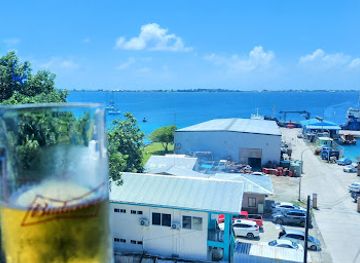
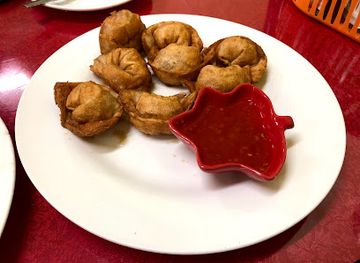
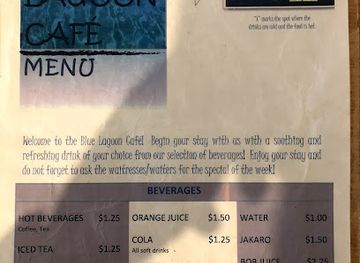
Blue Lagoon Restaurant
Experience authentic Marshallese cuisine at Blue Lagoon Restaurant with stunning views and fresh local ingredients.

Best bars in Ratak Chain
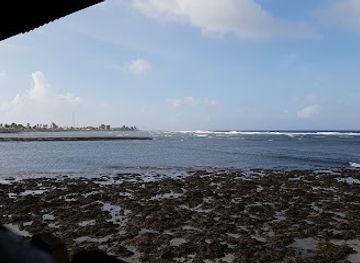
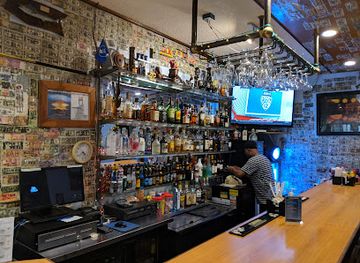
Nightlife in the Ratak Chain is concentrated in Majuro, where evenings may include informal bars, hotel lounges, restaurants, karaoke and occasional live entertainment rather than a large international club scene. The capital’s social life reflects a mix of Marshallese, American and wider Pacific influences, but venues and opening arrangements can change, so local advice is more reliable than assuming a fixed nightlife district. On outer atolls, evening activity is generally community-based: visiting family, church gatherings, conversation, music and shared meals are more common than commercial nightlife. Alcohol is available in some parts of Majuro, but visitors should drink discreetly and respect residential neighbourhoods, local regulations and island customs. Remote stays are better suited to sunset walks, lagoon views and clear night skies than late-night entertainment, with darkness, limited transport and marine conditions making independent travel after dark imprudent.
-
Restaurant
Tide Table Restaurant & Lounge
Discover the flavors of Majuro at Tide Table Restaurant & Lounge, where local ingredients meet international cuisine in a stunning coastal setting.
-
Hotel
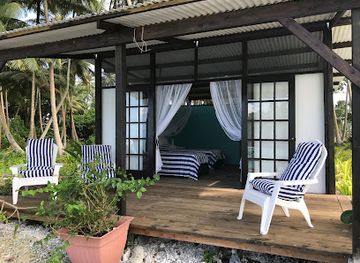
Private Island Boutique Resort Bikendrik Island Hideaway, Marshall Islands
Experience serene luxury at the Private Island Boutique Resort Bikendrik Island Hideaway in the Marshall Islands, your ultimate tropical escape.
-
Restaurant
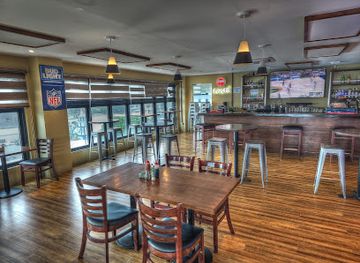
Toeak Bar and Grill
Experience the vibrant culinary scene of Majuro with fresh seafood and international flavors at Toeak Bar and Grill, a must-visit dining destination.
-
Bar
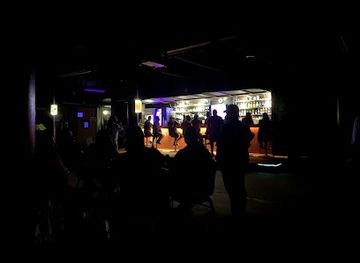
Jitak En Likatu Bar
Experience the vibrant atmosphere of Jitak En Likatu Bar, where local flavors and refreshing drinks create unforgettable moments in Majuro Atoll.
Best nightclubs in Ratak Chain
Nightlife in the Ratak Chain is concentrated in Majuro, where evenings may include informal bars, hotel lounges, restaurants, karaoke and occasional live entertainment rather than a large international club scene. The capital’s social life reflects a mix of Marshallese, American and wider Pacific influences, but venues and opening arrangements can change, so local advice is more reliable than assuming a fixed nightlife district. On outer atolls, evening activity is generally community-based: visiting family, church gatherings, conversation, music and shared meals are more common than commercial nightlife. Alcohol is available in some parts of Majuro, but visitors should drink discreetly and respect residential neighbourhoods, local regulations and island customs. Remote stays are better suited to sunset walks, lagoon views and clear night skies than late-night entertainment, with darkness, limited transport and marine conditions making independent travel after dark imprudent.
-
Restaurant
Toeak Bar and Grill
Experience the culinary delights of Toeak Bar and Grill in Majuro Atoll, where local flavors meet international cuisine in a stunning island setting.
-
Night club
Marshall Islands Club
Unwind and dance the night away at Marshall Islands Club, the heart of Majuro's nightlife with vibrant music and welcoming local culture.
-
Bar
Harry's Bar
Discover the vibrant atmosphere and refreshing drinks at Harry's Bar, a must-visit destination in the Marshall Islands.
-
 Bar
BarJakaro Bar
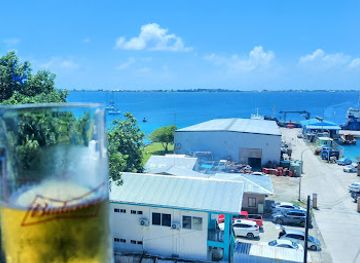
Discover the lively Jakaro Bar in Majuro Atoll, where refreshing drinks and a vibrant atmosphere await tourists in the heart of the Marshall Islands.
Best shops in Ratak Chain
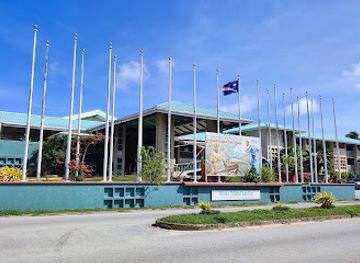
Shopping in the Ratak Chain is practical and community-based rather than centred on large retail districts. Majuro has the widest selection of supermarkets, small shops, pharmacies, clothing outlets, hardware stores and locally made crafts, while markets and roadside sellers may offer fish, breadfruit, coconuts and other island produce. Visitors may find woven pandanus mats, baskets, fans and other handicrafts, but availability varies and many items are made for household or ceremonial use rather than produced as souvenirs. Outer-atoll shops carry limited essentials and may close unpredictably, so supplies for a remote journey should be bought in Majuro. Good regional purchases include locally made woven work and Marshallese books or cultural material from established outlets, provided the seller confirms that the item is permitted for export. Do not buy coral, shells, archaeological objects or wartime remains, and ask permission before purchasing personal or community-owned handicrafts. Bargaining should not be assumed; pay the stated price unless a seller invites discussion.
-
Hotel
Marshall Islands Resort
Experience unparalleled tranquility and stunning lagoon views at the Marshall Islands Resort, a tropical paradise for relaxation and adventure.
-
Supermarket
K&K Island Pride Supermarket
Discover the vibrant flavors of the Marshall Islands at K&K Island Pride Supermarket, your essential stop for local and international groceries.
-
Hotel
Hotel Robert Reimers
Discover the comfort and charm of Hotel Robert Reimers in Majuro Atoll, your ideal base for exploring the Marshall Islands.
-
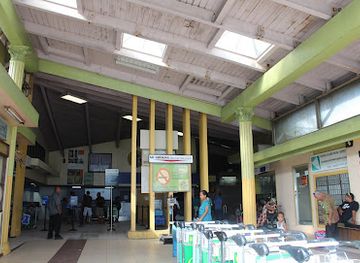
International airport
Amata Kabua International Airport
Discover the beauty of the Marshall Islands through Amata Kabua International Airport, your gateway to stunning atolls and rich culture.


Get your free copy of our complete guide to Ratak Chain, delivered straight to you.
Everything on this page, from attractions and restaurants to essentials and local phrases, in one PDF you can read offline, print or share.
Already have an account? Sign in
Your Ratak Chain guide is ready.
We'll send it to · Not you? Sign out

Getting your guide ready…
We are putting together a fresh copy of the Ratak Chain guide. This can take up to a minute.
This can take a few moments. If your browser asks, choose Allow so the download can start. You'll find the guide in your Downloads folder.
Nothing happened? Download it again
Sorry, the guide is taking longer than usual. Please try again in a minute, or get it by email instead.
Ratak Chain essentials
Currency and Payment
Safety
Emergency Situations
Do's and Don'ts
Local Tips
From Eve
Local phrases worth knowing
You don't need to get them perfect. A few words go a long way, and locals appreciate the effort.
Basics
| English | Local | Say it |
|---|---|---|
| Hello | Yokwe | [yoh-kweh] |
| Goodbye | Aolep | [ah-oh-lep] |
| Yes | Iei | [ay-ee] |
| No | Aole | [ah-oh-leh] |
| Please/You're welcome | Ejjab | [eh-jahb] |
| Thank you | Kommol tata | [koh-mol tah-tah] |
| Excuse me/Sorry | Kommol | [koh-mol] |
| How are you? | Ejjab in? | [eh-jahb in?] |
| Fine. And you? | Ejjab. In ejjab? | [eh-jahb. in eh-jahb?] |
| Do you speak English? | Iei in kajin English? | [ay-ee in kah-jeen English?] |
| I don't understand | Ejjab in noni | [eh-jahb in noh-nee] |
Eating & Drinking
| English | Local | Say it |
|---|---|---|
| I'd like to see the menu, please | Ejjab juon menu, ejjab | [eh-jahb joo-ohn meh-noo, eh-jahb] |
| I don't eat meat | Ejjab noni carne | [eh-jahb noh-nee kar-neh] |
| Cheers! | Raar! | [rah-ar] |
| I would like to pay, please | Ejjab juon pay, ejjab | [eh-jahb joo-ohn pay, eh-jahb] |
Emergencies
| English | Local | Say it |
|---|---|---|
| Help! | Kommol! | [koh-mol] |
| Go away! | Kommol in jikin! | [koh-mol in jee-kin!] |
| Call the Police! | Kommol in jikin Police! | [koh-mol in jee-kin Poh-lees!] |
| Call a doctor! | Kommol in jikin doktor! | [koh-mol in jee-kin dok-tor!] |
| I'm lost | Ejjab in noni | [eh-jahb in noh-nee] |
| I'm ill | Ejjab in noni | [eh-jahb in noh-nee] |
Shopping
| English | Local | Say it |
|---|---|---|
| I'd like to buy... | Ejjab juon bar... | [eh-jahb joo-ohn bar...] |
| I'm just looking | Ejjab in jikin | [eh-jahb in jee-kin] |
| How much is it? | Ejjab in jikin em? | [eh-jahb in jee-kin em?] |
| That's too expensive | Em in jekko | [em in jeh-koh] |
| Can you lower the price? | Ejjab in komman em jekko? | [eh-jahb in kohm-mahn em jeh-koh?] |
Time & Numbers
| English | Local | Say it |
|---|---|---|
| What time is it? | Ejjab in jikin wa? | [eh-jahb in jee-kin wah?] |
| It's one o'clock | Em in jikin juon | [em in jee-kin joo-ohn] |
| Half past (10) | Jikin half (10) | [jee-kin half (10)] |
| Morning | Bok | [bok] |
| Afternoon | Moor | [moor] |
| Evening | Wia | [wee-ah] |
| Yesterday | Jikin jab | [jee-kin jahb] |
| Today | Jikin ko | [jee-kin koh] |
| Tomorrow | Jikin jora | [jee-kin joh-rah] |
| 1 | Juon | [joo-ohn] |
| 2 | Raar | [rah-ar] |
| 3 | Jeb | [jehb] |
| 4 | Raarin | [rah-arin] |
| 5 | Jebin | [jeh-bin] |
| 6 | Jebin raar | [jeh-bin rah-ar] |
| 7 | Jebin jeb | [jeh-bin jehb] |
| 8 | Jebin raarin | [jeh-bin rah-arin] |
| 9 | Jebin raarin jeb | [jeh-bin rah-arin jehb] |
| 10 | Jebin raarin raar | [jeh-bin rah-arin rah-ar] |
Transport & Directions
| English | Local | Say it |
|---|---|---|
| Where's a/the...? | Ejjab in jikin a/the...? | [eh-jahb in jee-kin a/the...?] |
| What's the address? | Ejjab in jikin address? | [eh-jahb in jee-kin ah-dress?] |
| Can you show me (on the map)? | Ejjab in komman juon (on the map)? | [eh-jahb in kohm-mahn joo-ohn (on the map)?] |
| When's the next (bus)? | Ejjab in jikin next (bus)? | [eh-jahb in jee-kin next (bus)?] |
| A ticket (to ....) | Ejjab juon ticket (to ....) | [eh-jahb joo-ohn tik-ket (to ....)] |
History of Ratak Chain
Early Marshallese settlement and atoll society
The atolls of the Ratak Chain were settled by seafaring Austronesian peoples over many centuries as part of the wider movement of Pacific peoples across Micronesia. Marshallese communities developed sophisticated knowledge of currents, winds, stars, wave patterns and reef passages, enabling travel between islands that appear isolated on a modern map. Social organisation centred on land rights, chiefly lineages, extended families and obligations shared across villages. Canoe building, fishing, pandanus work and cultivation of coconut, breadfruit and taro shaped life on the narrow coral islands long before European contact.
European contact and the name of the islands
European navigators began charting the Marshall Islands in the sixteenth century, although sustained foreign involvement came later. British captain John Marshall visited the islands in 1788, and his name was subsequently applied to the archipelago. Contact brought new maritime connections, Christianity, firearms, trade goods and epidemics, while local chiefs and communities continued to control everyday life. The geography of the Ratak Chain encouraged movement by canoe between atolls, but its dispersed settlements also limited the ability of outside powers to impose continuous authority.
German administration and copra trade
Germany declared a protectorate over the Marshall Islands in 1885 and later incorporated them into its colonial administration in Micronesia. The commercial economy focused heavily on copra, the dried flesh of the coconut used to produce oil. Trading stations and shipping links connected atolls including those in the Ratak Chain with wider Pacific markets, while mission activity expanded the Christian presence. The period altered local patterns of authority and commerce without replacing the importance of customary landholding, kinship and inter-atoll relationships.
Japanese rule and the Pacific War
Japan took control of the Marshall Islands during the First World War and received a League of Nations mandate after the conflict. Japanese administration brought schools, communications and expanded military infrastructure, but also placed the islands within Japan’s strategic Pacific network. During the Second World War, atolls such as Wotje and Maloelap became military bases and were subject to Allied bombing and blockade. Concrete structures, runways, ammunition remains and other wartime traces can still be found in parts of the Ratak Chain, though they should be approached cautiously.
United States administration after 1944
United States forces captured the Marshall Islands in 1944, ending Japanese administration and bringing the islands under American military control. After the war, the United States administered the Marshall Islands as part of the Trust Territory of the Pacific Islands under a United Nations trusteeship. The most notorious nuclear testing sites were Bikini and Enewetak Atolls in the western Ralik Chain rather than the Ratak Chain, but the testing era affected the political consciousness, displacement history and environmental concerns of the Marshall Islands as a whole.
Self-government, independence and the Compact era
Marshallese political movements gained momentum during the twentieth century, leading to a constitutional government in 1979 and the end of the trusteeship through the Compact of Free Association with the United States in 1986. Majuro became the national political and economic centre, while outer Ratak atolls remained closely tied to subsistence activity, local governance and family networks. Contemporary life reflects both independence and continuing Compact relationships, including migration, financial support, education and defence arrangements. Climate change and sea-level rise now add a major new dimension to the region’s history.
Ratak Chain in Photos
Browse through our photo collection highlighting the charm and character of the destination.
Neighbouring regions of Ratak Chain
The closest regions to Ratak Chain, if you have time for more than one.
-

-

-

-

-


Swipe for more regions
Explore more

Explore more of Marshall Islands
Discover the untouched beauty and rich cultural heritage of the Marshall Islands, a Pacific paradise offering pristine beaches, vibrant marine life, and historical treasures.
Explore Marshall Islands