

Likiep Atoll, Marshall Islands Travel Guide
Discover Likiep Atoll: A secluded paradise in the Marshall Islands, offering stunning beaches, rich history, and a vibrant local culture.
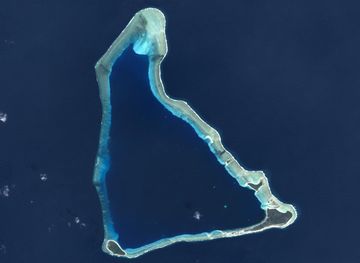
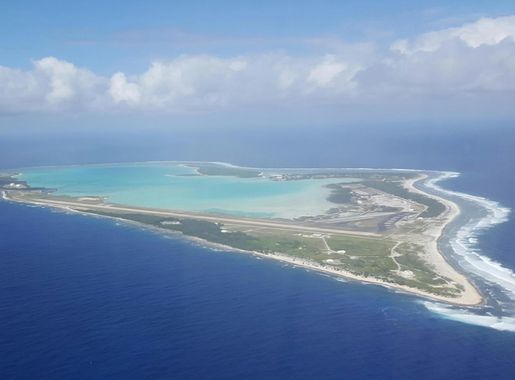
Nestled in the heart of the Pacific Ocean, Likiep Atoll is a paradise waiting to be discovered. Boasting pristine white-sand beaches, crystal-clear waters, and vibrant coral reefs, this atoll is a haven for nature lovers and adventurers alike. Whether you're snorkeling with colorful fish, exploring the rich marine life, or simply lounging under the palm trees, Likiep Atoll offers an idyllic escape from the hustle and bustle of modern life. The atoll is also steeped in history, with remnants of German colonial architecture and World War II relics providing a fascinating glimpse into the past. The local culture is warm and welcoming, with traditional Marshallese crafts and dances adding to the charm of this remote destination. Accommodations on the atoll are limited, but the rustic guesthouses and homestays offer an authentic and intimate experience. Visitors can savor fresh seafood and local delicacies prepared by the islanders, adding a culinary adventure to their stay. Whether you seek relaxation or exploration, Likiep Atoll promises an unforgettable journey into the heart of the Pacific.

Know before you go
Hi, I'm Eve. Here are a few practical things to know before exploring Likiep Atoll.
- Bring cash as there are no ATMs on the atoll.
- Pack eco-friendly sunscreen to protect the coral reefs.
- Respect local customs and dress modestly, especially in villages.
- Arrange accommodations in advance as options are limited.
- Engage with the local community to learn about their traditions and history.

Best landmarks in Likiep Atoll
Top-rated picks
Best Landmarks

Majuro Peace Park
Explore Majuro Peace Park, a serene memorial park in the Marshall Islands, offering lush landscapes and a rich history for tourists seeking reflection and beauty.

Marshallese ship
Explore the historic Marshallese shipwreck in Majuro Atoll, a captivating landmark that merges maritime history with stunning natural beauty.

Best restaurants in Likiep Atoll
Top-rated picks
Best Restaurants

Tide Table Restaurant & Lounge
Experience exquisite dining at Tide Table Restaurant & Lounge in Majuro Atoll, where local flavors meet breathtaking ocean views.

Toeak Bar and Grill
Discover Toeak Bar and Grill: A must-visit restaurant in Majuro Atoll for authentic Marshallese flavors and vibrant atmosphere.

Island Star
Discover the flavors of Marshall Islands at Island Star – where every dish tells a story amidst stunning coastal views.

Blue Lagoon Restaurant
Experience authentic Marshallese cuisine with stunning lagoon views at Blue Lagoon Restaurant in Majuro Atoll.

Best bars in Likiep Atoll
Top-rated picks
Best Bars

Marshall Islands Resort
Discover the serene beauty and vibrant culture of the Marshall Islands at the inviting Marshall Islands Resort, your gateway to paradise.

Tide Table Restaurant & Lounge
Experience the flavors of the Marshall Islands at Tide Table Restaurant & Lounge, where stunning ocean views meet exceptional cuisine.

Hotel Robert Reimers
Discover the charm of Majuro at Hotel Robert Reimers, your perfect getaway in the stunning Marshall Islands.

Amata Kabua International Airport
Amata Kabua International Airport: The welcoming gateway to the stunning natural beauty and vibrant culture of the Marshall Islands.

Best nightclubs in Likiep Atoll
Top-rated picks
Best Nightclubs

Marshall Islands Club
Discover the lively nightlife at Marshall Islands Club, where vibrant music, dance, and delicious drinks await in Majuro Atoll.
Jakaro Bar
Discover the vibrant atmosphere of Jakaro Bar in Majuro Atoll, where tropical drinks and local culture come together for an unforgettable experience.

Best shops in Likiep Atoll
Top-rated picks
Best Shops

Marshall Islands Resort
Discover the beauty of the Marshall Islands at Marshall Islands Resort, where stunning lagoon views and warm hospitality await you.

K&K Island Pride Supermarket
Discover the local flavors and essentials at K&K Island Pride Supermarket, a vibrant hub in Majuro Atoll, offering unique products and warm hospitality.

Hotel Robert Reimers
Discover the beauty of the Marshall Islands while enjoying the comfort of Hotel Robert Reimers, your perfect home away from home.

Amata Kabua International Airport
Discover the beauty of the Marshall Islands through Amata Kabua International Airport, the gateway to your tropical adventure.

Explore Likiep Atoll on the Map
A handpicked selection of must-see spots in Likiep Atoll, mapped for you.
Likiep Atoll Essentials
-
Likiep Atoll is located in the Ratak Chain of the Marshall Islands. The nearest international access point is via Majuro, the capital of the Marshall Islands, served by Amata Kabua International Airport (MAJ). From Majuro, you can take a domestic flight operated by Air Marshall Islands to Likiep Atoll. It is advisable to check the flight schedules in advance as they can be infrequent and subject to change.
-
Once on Likiep Atoll, transportation options are limited. The primary mode of transport within the atoll is by boat. Some locals use bicycles to navigate the smaller islands. There are no car rentals available, but walking is a feasible option for getting around the main settlement areas. It’s best to coordinate your travel within the atoll with local guides or hosts.
-
The official currency in the Marshall Islands is the United States Dollar (USD). Cash is the primary mode of payment on Likiep Atoll as credit card facilities are largely unavailable. It is essential to bring enough cash with you, as there are no ATMs on the atoll. Larger hotels and guesthouses in Majuro may offer currency exchange services.
-
Likiep Atoll is generally safe for tourists. Crime rates are low, and violent crimes are rare. However, it is always advisable to take standard precautions such as not leaving your belongings unattended and avoiding walking alone at night in unfamiliar areas. While there are no specific high-crime areas targeting tourists, maintaining basic safety awareness is recommended.
-
In case of an emergency, contact the local authorities or your accommodation provider immediately. The Marshall Islands have limited medical facilities, and Likiep Atoll has only basic healthcare services. For severe medical emergencies, evacuation to Majuro or another country may be necessary. It is highly recommended to have comprehensive travel insurance that covers medical evacuation.
-
Fashion: Do wear lightweight, modest clothing suitable for tropical climates. Avoid overly revealing attire. Religion: Do respect local customs and traditions, especially during religious ceremonies. Public Transport: Do coordinate with local guides for boat transportation. There are no public buses or taxis. Greetings: Do greet locals warmly; a friendly 'Yokwe' (hello) is appreciated. Eating & Drinking: Do try local dishes and seafood. Don’t refuse food or drink offered by locals as it can be seen as impolite.
-
To experience Likiep Atoll like a local, engage with the community and participate in traditional activities such as fishing or weaving. Visit the historic Likiep Village, which has well-preserved colonial-era buildings. Don’t miss the opportunity to explore the pristine beaches and coral reefs—snorkeling and diving are highly recommended. Bring a reusable water bottle to stay hydrated and reduce plastic waste.
When is the best time to visit Likiep Atoll?
Useful Local Phrases for Likiep Atoll
You don't need to speak the language perfectly. Even learning a few simple words can make conversations warmer—and locals usually appreciate the effort.
— Eve

Here are the phrases I use most often in Likiep Atoll. Try a few—you'll be surprised how far they go! 😊
❤️
-
- HelloIakwe
[ee-ah-kwe] - GoodbyeAolep
[ah-oh-lep] - YesE
[eh] - NoAolep
[ah-oh-lep] - Please/You're welcomeBwe
[bweh] - Thank youKam mir
[kahm meer] - Excuse me/SorryEjjab
[eh-jahb] - How are you?Nok jorren?
[noh-k yor-ren] - Fine. And you?Jorren. Ejjab nok?
[yor-ren. eh-jahb noh-k?] - Do you speak English?Aolep juon English?
[ah-oh-lep yo-on English?] - I don't understandEjjab jorren.
[eh-jahb yor-ren.]
- HelloIakwe
-
- I'd like to see the menu, pleaseJebwe jorren menu, bwe.
[jeh-bweh yor-ren mehn-oo, bwe.] - I don't eat meatEjjab jorren jek.
[eh-jahb yor-ren jek.] - Cheers!Bwe jorren!
[bweh yor-ren!] - I would like to pay, pleaseJebwe jorren jor, bwe.
[jeh-bweh yor-ren jor, bwe.]
- I'd like to see the menu, pleaseJebwe jorren menu, bwe.
-
- Help!Jebwe!
[jeh-bweh!] - Go away!Jebwe eok!
[jeh-bweh eh-ok!] - Call the Police!Bwe jorren Police!
[bweh yor-ren Police!] - Call a doctor!Bwe jorren doctor!
[bweh yor-ren doctor!] - I'm lostEjjab jorren jor.
[eh-jahb yor-ren jor.] - I'm illEjjab jorren jek.
[eh-jahb yor-ren jek.]
- Help!Jebwe!
-
- I'd like to buy...Jebwe jorren eok...
[jeh-bweh yor-ren eh-ok...] - I'm just lookingJebwe jorren ekkan.
[jeh-bweh yor-ren eh-kahn.] - How much is it?Nok eok?
[noh-k eh-ok?] - That's too expensiveEok jorren jek.
[eh-ok yor-ren jek.] - Can you lower the price?Ijjab juon jor jek?
[ee-jahb yo-on yor jek?]
- I'd like to buy...Jebwe jorren eok...
-
- What time is it?Nok jorren jor?
[noh-k yor-ren jor?] - It's one o'clockEok jorren.
[eh-ok yor-ren.] - Half past (10)Jorren juon (10).
[yor-ren yo-on (10).] - MorningBaibai
[bye-bye] - AfternoonJorren baibai
[yor-ren bye-bye] - EveningJorren jor
[yor-ren jor] - YesterdayRij
[reej] - TodayJor
[jor] - TomorrowJorren
[yor-ren] - 1Jebwe
[jeh-bweh] - 2Jebwe eok
[jeh-bweh eh-ok] - 3Jebwe elap
[jeh-bweh eh-lahp] - 4Jebwe jeon
[jeh-bweh jeh-on] - 5Jebwe jorren
[jeh-bweh yor-ren] - 6Jebwe jek
[jeh-bweh jek] - 7Jebwe juon
[jeh-bweh yo-on] - 8Jebwe an
[jeh-bweh ahn] - 9Jebwe ro
[jeh-bweh roh] - 10Jebwe elap juon
[jeh-bweh eh-lahp yo-on]
- What time is it?Nok jorren jor?
-
- Where's a/the...?Nok eok...?
[noh-k eh-ok...?] - What's the address?Nok eok address?
[noh-k eh-ok address?] - Can you show me (on the map)?Ijjab juon ekkan (on the map)?
[ee-jahb yo-on eh-kahn (on the map)?] - When's the next (bus)?Nok eok next (bus)?
[noh-k eh-ok next (bus)?] - A ticket (to ....)Eok ticket (to ....)
[eh-ok ticket (to ....)]
- Where's a/the...?Nok eok...?
History of Likiep Atoll
-
Likiep Atoll, part of the Ratak Chain in the Marshall Islands, has been inhabited by the Marshallese people for centuries. The atoll's early settlers thrived on a subsistence lifestyle, relying on fishing, farming, and the bountiful marine resources. Traditional Marshallese navigation skills were paramount for inter-island travel and trade, and Likiep's lagoon provided a safe harbor for voyagers.
-
In the late 19th century, European explorers and traders began to make contact with the Marshall Islands. Likiep Atoll was particularly significant during this period due to its strategic location and resources. In 1877, German traders Adolph Capelle and Jose deBrum purchased the atoll from the local chiefs, turning Likiep into a hub for copra (dried coconut meat) production. This marked the beginning of Likiep's integration into global trade networks.
-
Likiep Atoll became part of the German Protectorate of the Marshall Islands in 1885. The German administration established an official presence on the atoll, which led to the introduction of Western education, healthcare, and infrastructure. The deBrum family continued to play a significant role in the atoll's development, with Jose deBrum constructing a remarkable two-story house in 1904 that still stands today as a historical landmark.
-
During World War I, Japan seized control of the Marshall Islands from Germany. Likiep Atoll came under Japanese administration, becoming part of the South Seas Mandate. The Japanese period saw substantial changes, including the development of military infrastructure. However, the traditional Marshallese way of life persisted despite these influences.
-
World War II brought significant upheaval to the Marshall Islands. Likiep Atoll, like many other atolls, was used by Japanese forces for military purposes. After the war, the Marshall Islands were placed under American administration as part of the Trust Territory of the Pacific Islands. Likiep Atoll experienced further modernization, including the introduction of new technologies and continued development of infrastructure.
-
The Marshall Islands gained independence in 1986, and Likiep Atoll became part of the sovereign Republic of the Marshall Islands. Today, Likiep Atoll is a blend of traditional Marshallese culture and modern influences. The atoll's residents maintain their heritage through traditional practices, while also participating in global trade and tourism. Likiep remains a testament to the resilience and adaptability of the Marshallese people.
Neighbouring Regions of Likiep Atoll
The closest regions to Likiep Atoll, if you have time for more than one.




Your all‑in‑one travel companion app
Explore expert travel guides, compare and book tours, experiences, hotels, and more—all from the palm of your hand. Download now for seamless trip planning wherever your wanderlust takes you.


Explore More of Marshall Islands

Looking beyond Likiep Atoll? Discover Marshall Islands for broader travel guides, local hot-spots, and regional highlights.
Explore Marshall IslandsLikiep Atoll in Photos
Browse through our photo collection highlighting the charm and character of the destination.





Likiep Atoll: The Hidden Gem of the Marshall Islands
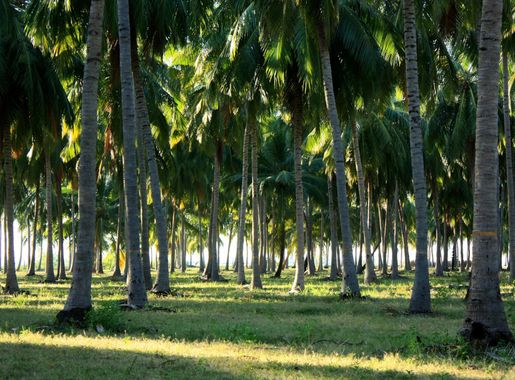
Nestled in the heart of the Pacific Ocean, Likiep Atoll is a paradise waiting to be discovered. Boasting pristine white-sand beaches, crystal-clear waters, and vibrant coral reefs, this atoll is a haven for nature lovers and adventurers alike. Whether you're snorkeling with colorful fish, exploring the rich marine life, or simply lounging under the palm trees, Likiep Atoll offers an idyllic escape from the hustle and bustle of modern life. The atoll is also steeped in history, with remnants of German colonial architecture and World War II relics providing a fascinating glimpse into the past. The local culture is warm and welcoming, with traditional Marshallese crafts and dances adding to the charm of this remote destination. Accommodations on the atoll are limited, but the rustic guesthouses and homestays offer an authentic and intimate experience. Visitors can savor fresh seafood and local delicacies prepared by the islanders, adding a culinary adventure to their stay. Whether you seek relaxation or exploration, Likiep Atoll promises an unforgettable journey into the heart of the Pacific.