

Aur Atoll, Marshall Islands Travel Guide
Discover Aur Atoll in the Marshall Islands, a serene and untouched paradise offering pristine beaches, vibrant marine life, and rich cultural experiences.
Aur Atoll is a secluded paradise located in the Marshall Islands. This enchanting atoll is a ring-shaped coral reef that encircles a tranquil lagoon. It's a pristine destination, untouched by mass tourism, making it perfect for those seeking peace and natural beauty. The atoll comprises 42 islets, each with its unique charm. The crystal-clear waters offer excellent opportunities for snorkeling and diving, where you can explore vibrant coral reefs and encounter diverse marine life. For those interested in marine biology, Aur Atoll is a living laboratory with its rich underwater ecosystem. On land, the white sandy beaches are perfect for relaxation. The local culture is welcoming, and visitors can experience the traditional Marshallese way of life. You can enjoy fresh seafood, engage in local crafts, and participate in traditional dances. The atoll's remoteness also means that it offers some of the clearest night skies, perfect for stargazing.

Know before you go
Hi, I'm Eve. Here are a few practical things to know before exploring Aur Atoll.
- Bring your own snorkeling gear as rental options are limited.
- Respect local customs and traditions to ensure a warm welcome from the community.
- Pack plenty of sunscreen and insect repellent to stay comfortable.
- Cash is essential as there are no ATMs on Aur Atoll.
- Coordinate with local guides in advance for island tours and diving excursions.
Top City Travel Guides in Aur Atoll
The cities of Aur Atoll, and the easiest places to base yourself.

Explore Aur Atoll: Things to Do, Places to Eat, Hotels & More
Handpicked recommendations for top attractions, local dining, accommodations, and more

Top Attractions & Sightseeing in Aur Atoll
Top-rated picks
Best Attractions

Arno Atoll
Explore the untouched beauty of Arno Atoll in the Marshall Islands, where pristine beaches and vibrant marine life await your discovery.

Uliga
Discover the serene beauty of Uliga, a hidden island gem in Majuro Atoll offering breathtaking landscapes, rich culture, and unforgettable adventures.

Cathedral of the Assumption
Experience the serene beauty and cultural heritage of the Cathedral of the Assumption in Majuro, a must-visit attraction in the Marshall Islands.

UTWA MAA
Experience the tranquility and beauty of UTWA MAA Memorial Park, a serene tribute to Kosrae's rich heritage and stunning landscapes.

Best landmarks in Aur Atoll
Top-rated picks
Best Landmarks

Marshall Islands Resort
Experience the tranquil beauty of the Marshall Islands at the Marshall Islands Resort, where comfort meets stunning ocean views in a tropical paradise.

K&K Island Pride Supermarket
Experience local flavors and essentials at K&K Island Pride Supermarket in Majuro, your gateway to the vibrant culture of the Marshall Islands.

Majuro
Explore Majuro Atoll, a stunning tropical paradise in the Marshall Islands, rich in culture and breathtaking natural beauty.

Tide Table Restaurant & Lounge
Experience the vibrant flavors of the Marshall Islands at Tide Table Restaurant & Lounge, where fresh seafood meets stunning lagoon views.

Best restaurants in Aur Atoll
Top-rated picks
Best Restaurants

Marshall Islands Resort
Discover paradise at Marshall Islands Resort - an idyllic retreat surrounded by breathtaking ocean views and vibrant local culture.

Enewetak Atoll
Explore Enewetak Atoll: A Tropical Paradise Rich in Marine Life and History
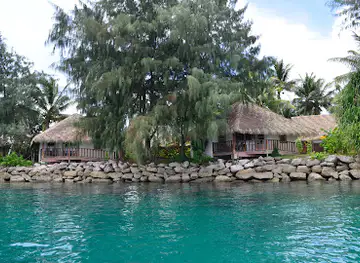
Tide Table Restaurant & Lounge
Experience culinary excellence at Tide Table Restaurant & Lounge in Majuro Atoll - where local flavors meet oceanfront views.

Private Island Boutique Resort Bikendrik Island Hideaway, Marshall Islands
Discover unparalleled luxury and serenity at Bikendrik Island Hideaway - your exclusive escape in the stunning Marshall Islands.

Best bars in Aur Atoll
Top-rated picks
Best Bars

Marshall Islands Resort
Experience the serene beauty of the Marshall Islands at the Marshall Islands Resort, where comfort meets adventure in a tropical paradise.
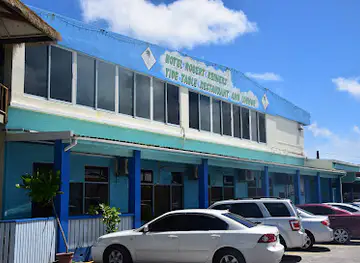
Tide Table Restaurant & Lounge
Experience the culinary charm of Majuro at Tide Table Restaurant & Lounge, where fresh local flavors meet stunning ocean views.

Private Island Boutique Resort Bikendrik Island Hideaway, Marshall Islands
Discover the tranquility of Bikendrik Island Hideaway, a luxurious resort in the Marshall Islands, perfect for relaxation and adventure.

Oceanview Club aka Snake Pit
Experience the laid-back charm of the Oceanview Club, where tropical cocktails meet stunning views in Kwajalein Atoll.


Best shops in Aur Atoll
Top-rated picks
Best Shops

K&K Island Pride Supermarket
Explore the vibrant flavors of the Marshall Islands at K&K Island Pride Supermarket, your local hub for fresh produce and unique snacks.

Payless Supermarket
Discover the heart of Majuro at Payless Supermarket, where locals shop and tourists find unique island delicacies and essentials.

EZ Price Mart
Explore local flavors and essentials at EZ Price Mart, a vibrant supermarket in the heart of Majuro Atoll, Marshall Islands.

Misco Wholesale
Immerse yourself in the vibrant local culture at Misco Wholesale, Majuro's premier fresh food and night market, showcasing the best of Marshallese flavors and community spirit.

Explore Aur Atoll on the Map
A handpicked selection of must-see spots in Aur Atoll, mapped for you.
Aur Atoll Essentials
-
Aur Atoll is located in the central Pacific Ocean and is part of the Marshall Islands. The main entry point is the international airport in Majuro, the capital of the Marshall Islands. From Majuro, you can take a domestic flight to Aur Atoll, which is serviced by Air Marshall Islands. Flights may not be daily, so it is advisable to check the schedule and book in advance.
-
Aur Atoll is relatively small, and most of the exploration can be done on foot. For inter-island travel, small boats are commonly used. It is advised to coordinate with local guides or your accommodation to arrange boat trips. There are no car rental services, and roads are limited.
-
The official currency is the United States Dollar (USD). Credit card facilities are extremely limited, so it is crucial to carry sufficient cash. There are no ATMs on Aur Atoll, so ensure you withdraw enough money in Majuro before your trip.
-
Aur Atoll is generally a safe destination with a low crime rate. However, standard precautions should be taken to ensure personal safety. Avoid walking alone at night and keep an eye on your belongings. There are no specific high-crime areas targeting tourists.
-
In case of an emergency, contact local authorities or the nearest medical center. There are limited medical facilities on Aur Atoll, so it is advisable to have travel insurance that covers medical evacuations. The nearest comprehensive medical services are available in Majuro.
-
Fashion: Do dress modestly, as the local culture is conservative. Avoid overly revealing clothing. Religion: Do respect local customs and traditions. Public Transport: Do coordinate with locals for boat trips; don't assume public transport systems like buses or taxis. Greetings: Do greet locals with a friendly wave or a simple 'hello.' Eating & Drinking: Do try local foods and accept offerings graciously. Don't waste food, as resources can be limited.
-
To experience Aur Atoll like a local, engage with the community and participate in traditional activities such as fishing and weaving. Visit local markets and try traditional Marshallese dishes. Be respectful and open to learning about the local way of life. Engaging with local guides can offer deeper insights into the atoll's history and culture.
When is the best time to visit Aur Atoll?
Useful Local Phrases for Aur Atoll
You don't need to speak the language perfectly. Even learning a few simple words can make conversations warmer—and locals usually appreciate the effort.
— Eve

Here are the phrases I use most often in Aur Atoll. Try a few—you'll be surprised how far they go! 😊
❤️
-
- HelloYokwe
[yoh-kweh] - GoodbyeYokwe
[yoh-kweh] - YesEmoj
[eh-mohj] - NoKwi
[kwee] - Please/You're welcomeKommool
[koh-moh-ol] - Thank youKomol tata
[koh-mohl tah-tah] - Excuse me/SorryTawer
[tah-weh] - How are you?Ejjab?
[eh-jahb] - Fine. And you?Ij jab. Ejjab?
[eej jahb. eh-jahb?] - Do you speak English?Ijjab emoj English?
[ee-jahb eh-mohj English?] - I don't understandEjjab emoj inaj
[eh-jahb eh-mohj ee-nahj]
- HelloYokwe
-
- I'd like to see the menu, pleaseIjjab kein menu, kommool
[ee-jahb kayn meh-noo, koh-mohl] - I don't eat meatEjjab emoj aelap
[eh-jahb eh-mohj ah-lahp] - Cheers!Bula!
[boo-lah] - I would like to pay, pleaseIjjab kein pay, kommool
[ee-jahb kayn pay, koh-mohl]
- I'd like to see the menu, pleaseIjjab kein menu, kommool
-
- Help!Jab!
[jahb] - Go away!Komool jela!
[koh-mohl jeh-lah] - Call the Police!Ejjab emoj kwoj Police!
[eh-jahb eh-mohj kwoh Police!] - Call a doctor!Ejjab emoj kwoj doktor!
[eh-jahb eh-mohj kwoh dok-tor!] - I'm lostEjjab emoj jela
[eh-jahb eh-mohj jeh-lah] - I'm illEjjab emoj inaj
[eh-jahb eh-mohj ee-nahj]
- Help!Jab!
-
- I'd like to buy...Ijjab kein bok...
[ee-jahb kayn boh-k] - I'm just lookingEjjab emoj juon
[eh-jahb eh-mohj joo-on] - How much is it?Ejjab emoj kwoj?
[eh-jahb eh-mohj kwoh?] - That's too expensiveIj aelap ejuon
[eej ah-lahp eh-joo-on] - Can you lower the price?Ejjab emoj wot aelap?
[eh-jahb eh-mohj woht ah-lahp?]
- I'd like to buy...Ijjab kein bok...
-
- What time is it?Ejjab emoj kwoj inaj?
[eh-jahb eh-mohj kwoh ee-nahj?] - It's one o'clockIj jikin inaj
[eej jee-kin ee-nahj] - Half past (10)Ij half past (10)
[eej half pahst (10)] - MorningBwe
[bweh] - AfternoonBwe ejj
[bweh eh-j] - EveningBwe jela
[bweh jeh-lah] - YesterdayJemem
[jeh-mehm] - TodayJemem ejj
[jeh-mehm eh-j] - TomorrowJemem jela
[jeh-mehm jeh-lah] - 1Jab
[jahb] - 2Lale
[lah-leh] - 3Jeb
[jehb] - 4Jek
[jehk] - 5Jel
[jehl] - 6Jebj
[jehbj] - 7Jebj jek
[jehbj jehk] - 8Jebj lale
[jehbj lah-leh] - 9Jebj jab
[jehbj jahb] - 10Jebj jela
[jehbj jeh-lah]
- What time is it?Ejjab emoj kwoj inaj?
-
- Where's a/the...?Ejjab emoj kwoj...?
[eh-jahb eh-mohj kwoh...?] - What's the address?Ejjab emoj kwoj address?
[eh-jahb eh-mohj kwoh ad-dress?] - Can you show me (on the map)?Ejjab emoj show inaj (kwoj map)?
[eh-jahb eh-mohj shoh ee-nahj (kwoh map)?] - When's the next (bus)?Ejjab emoj kwoj next (bus)?
[eh-jahb eh-mohj kwoh next (bus)?] - A ticket (to ....)Ij ticket (kwoj ....)
[eej tee-ket (kwoh ....)]
- Where's a/the...?Ejjab emoj kwoj...?
History of Aur Atoll
-
The Aur Atoll, part of the Marshall Islands, has been inhabited for over 2,000 years. The early settlers were Micronesians who navigated the vast Pacific Ocean using traditional stick charts and star paths. These early inhabitants developed a rich maritime culture, relying on fishing, canoe building, and the cultivation of breadfruit, taro, and pandanus.
-
The first recorded European sighting of the Marshall Islands, including Aur Atoll, was by the Spanish explorer Alonso de Salazar in 1526. Over the following centuries, various European explorers, including the British and Germans, visited the region. These encounters often led to the exchange of goods and ideas but also brought diseases that impacted the local population.
-
In the late 19th century, the Marshall Islands became a protectorate of the German Empire. From 1885 to 1914, the Germans established trading stations on various atolls, including Aur. The German administration focused on copra production (dried coconut meat) as the primary economic activity. This period also saw the introduction of Western education and Christianity.
-
Following Germany's defeat in World War I, Japan took control of the Marshall Islands under a League of Nations mandate. From 1914 to 1944, Japan administered the islands, including Aur Atoll. The Japanese period brought further development in infrastructure and education, but also increased militarization, particularly during World War II.
-
During World War II, the Marshall Islands, including Aur Atoll, became strategically important. In 1944, the United States captured the islands from Japan. Following the war, the Marshall Islands became part of the U.S.-administered Trust Territory of the Pacific Islands. This period saw significant American influence in terms of education, healthcare, and infrastructure development.
-
The Republic of the Marshall Islands gained independence in 1986 through the Compact of Free Association with the United States. Today, Aur Atoll is a part of this sovereign nation. The atoll has maintained its traditional lifestyle while integrating modern amenities. Efforts are ongoing to preserve the unique culture and history of Aur Atoll, ensuring it remains a vibrant part of the Marshall Islands.
Neighbouring Regions of Aur Atoll
The closest regions to Aur Atoll, if you have time for more than one.




Your all‑in‑one travel companion app
Explore expert travel guides, compare and book tours, experiences, hotels, and more—all from the palm of your hand. Download now for seamless trip planning wherever your wanderlust takes you.


Explore More of Marshall Islands

Looking beyond Aur Atoll? Discover Marshall Islands for broader travel guides, local hot-spots, and regional highlights.
Explore Marshall IslandsAur Atoll in Photos
Browse through our photo collection highlighting the charm and character of the destination.


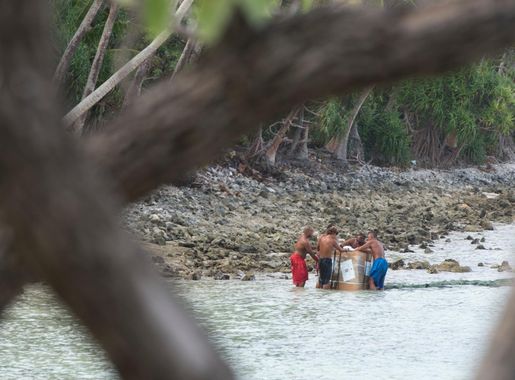
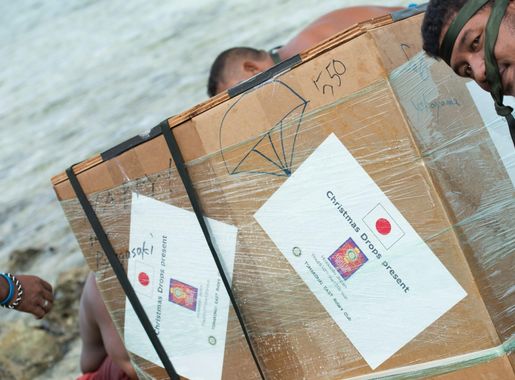
Aur Atoll: The Hidden Gem of the Marshall Islands
Aur Atoll is a secluded paradise located in the Marshall Islands. This enchanting atoll is a ring-shaped coral reef that encircles a tranquil lagoon. It's a pristine destination, untouched by mass tourism, making it perfect for those seeking peace and natural beauty. The atoll comprises 42 islets, each with its unique charm. The crystal-clear waters offer excellent opportunities for snorkeling and diving, where you can explore vibrant coral reefs and encounter diverse marine life. For those interested in marine biology, Aur Atoll is a living laboratory with its rich underwater ecosystem. On land, the white sandy beaches are perfect for relaxation. The local culture is welcoming, and visitors can experience the traditional Marshallese way of life. You can enjoy fresh seafood, engage in local crafts, and participate in traditional dances. The atoll's remoteness also means that it offers some of the clearest night skies, perfect for stargazing.