

Free Majuro Atoll Travel Guide & Mobile App
Explore Majuro Atoll with free travel guides. Discover regional history, expert tips, proposed trips, and audio guides on web or mobile app.


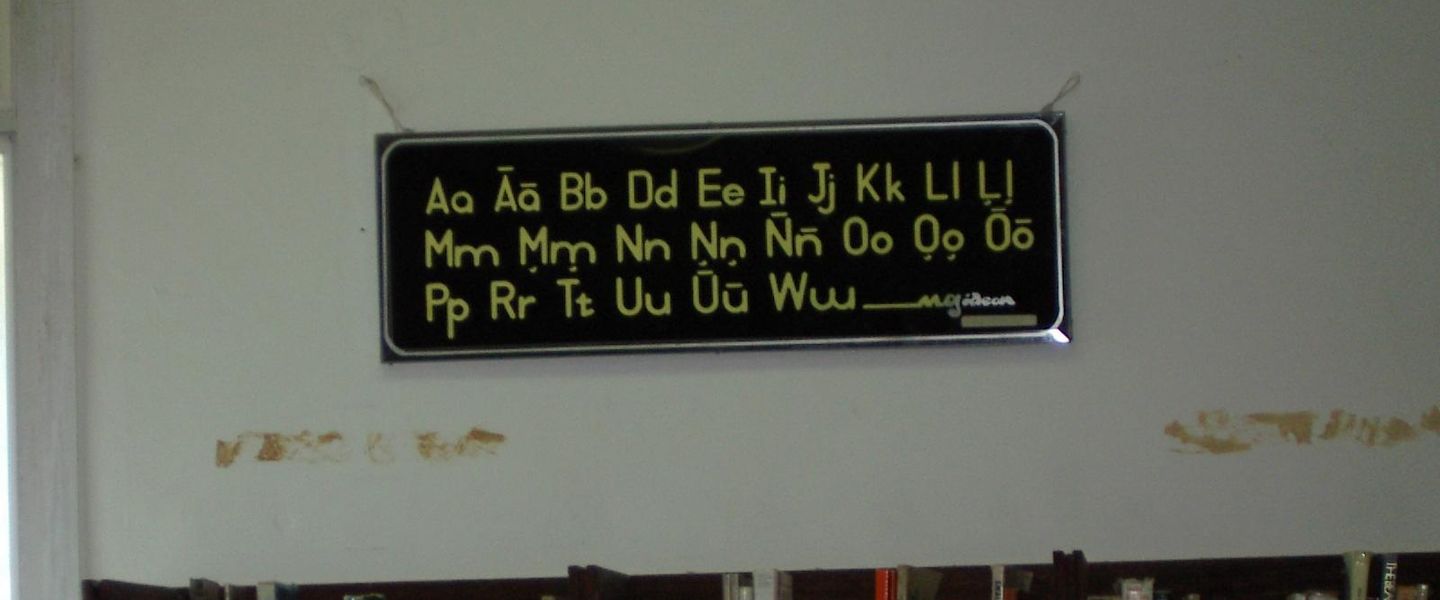


Explore Majuro Atoll for lagoon excursions, Marshallese culture, coral reefs, island history and the everyday life of the Pacific capital.
Read more about Majuro Atoll
When is the best time to visit Majuro Atoll?
Best: February–April · 29–30°C| Month | High (°C) | Rainfall (mm) |
|---|---|---|
| January | 29 | 250 |
| February (best) | 29 | 230 |
| March (best) | 30 | 210 |
| April (best) | 30 | 220 |
| May | 30 | 240 |
| June | 30 | 260 |
| July | 31 | 270 |
| August | 31 | 280 |
| September | 31 | 290 |
| October | 31 | 300 |
| November | 30 | 280 |
| December | 30 | 270 |
Getting to and around Majuro Atoll
How to get there
Transportation
Best attractions in Majuro Atoll
Majuro's attractions centre on the relationship between a densely settled coral atoll and its wide lagoon. The Alele Museum and Public Library provides an accessible introduction to Marshallese history, traditional navigation, material culture and the country's modern experience. In the capital area, visitors can combine it with churches, local shops, food stalls and everyday views of the lagoon rather than expecting a concentrated museum district. Lagoon excursions are the principal leisure activity, offering opportunities for boat trips, swimming, snorkelling and visits to less developed islets when conditions and local permissions allow. Laura, at the western end of the atoll, offers a quieter landscape of palms, gardens, homes and beaches, and the drive there is itself a useful way to see how settlement changes beyond central Majuro. Fishing, shoreline walks and informal picnics are part of island recreation, though access and facilities vary. Travellers should distinguish Majuro's own cultural and marine experiences from the nuclear-testing sites at Bikini and Enewetak Atolls, which are elsewhere in the country and are not routine day trips from the capital.
-
Tourist attraction
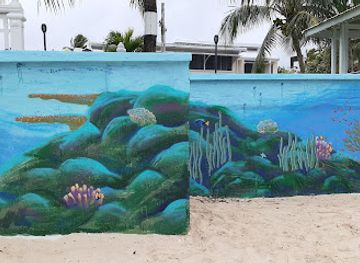
Majuro See-wall Seawall Mural
Explore the vibrant Majuro See-wall Seawall Mural, a captivating display of art and culture on the stunning shores of Majuro Atoll, Marshall Islands.

Best landmarks in Majuro Atoll
Majuro's most defining landmark is its physical form: a slender chain of coral islets enclosing a large lagoon, with the capital's urban strip compressed between lagoon and ocean. The long road through Dalap, Uliga and Djarrit reveals this geography in lived form, passing homes, churches, government buildings and narrow views of water on either side. Amata Kabua International Airport is another significant national landmark because it marks the principal gateway to the republic and lies within the settled atoll landscape. The Alele Museum and Public Library is important not for monumental architecture but for its role in preserving and explaining Marshallese culture, navigation and history. Laura's beaches, palms and wider land area provide a contrasting natural landmark at the western end, while jetties, reef edges and lagoon passages remain central visual features of island life. Majuro has few grand historic structures in the European sense; its significance lies in the relationship between settlement, ocean, colonial and wartime history, and the fragile physical limits of an atoll capital.
-
Atoll
Majuro
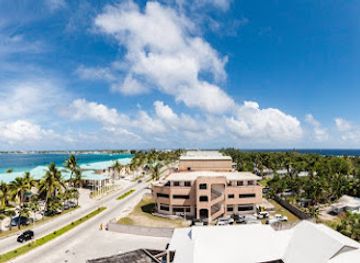
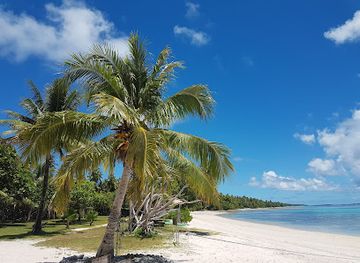
Discover the tranquil beauty and vibrant culture of Majuro Atoll, the stunning capital of the Marshall Islands, perfect for adventure and relaxation.
-
Memorial park
Majuro Peace Park
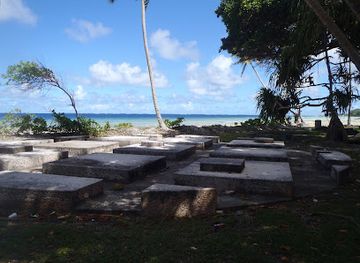
Explore the serene Majuro Peace Park in the Marshall Islands, a memorial park honoring peace, history, and natural beauty in a tropical paradise.
-
Historical landmark
Typhoon Monument
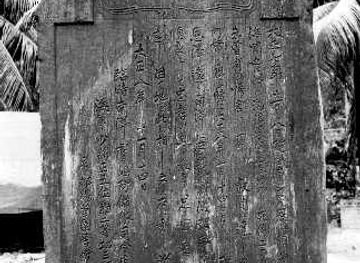
Explore the Typhoon Monument in Majuro Atoll, a tribute to the resilience of the Marshallese people against the forces of nature.
-
Tourist attraction
Majuro See-wall Seawall Mural
Explore the Majuro See-wall Seawall Mural, a vibrant expression of Marshallese culture and marine life along the coast of Majuro Atoll.
Explore Majuro Atoll on the map
Plan your trip on one map. See where the top cities, national parks and sights are, and book hotels and experiences in a few clicks.
Best hotels in Majuro Atoll
Best restaurants in Majuro Atoll
Dining in Majuro reflects the supply realities of a remote Pacific capital as much as it reflects local tradition. Rice, fish, coconut, breadfruit, pandanus and imported tinned or frozen goods appear in different combinations, while fresh seafood may be available through local eateries, households or arranged excursions rather than through a formal restaurant market. Central Majuro has the broadest choice of cafés, casual restaurants, takeaways and hotel dining, with menus often combining Marshallese preferences and American or Asian influences. Small food sellers and community gatherings can provide a more local experience than formal dining, but opening patterns and availability change. Visitors should not expect the same range of produce as in a large mainland city, and should be flexible about substitutions. A good approach is to ask hosts about seasonal fish, locally prepared dishes and appropriate places to eat, while remembering that food traditions belong to communities and families rather than being packaged as a single national menu.
-
Restaurant
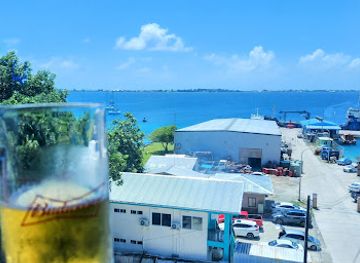
Tide Table Restaurant & Lounge
Experience authentic Marshallese cuisine at Tide Table Restaurant & Lounge while enjoying breathtaking views of Majuro Atoll.
-
Hotel
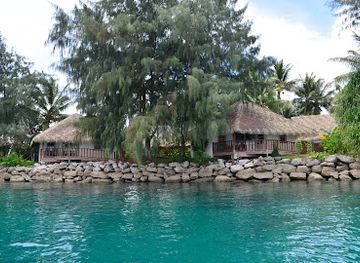
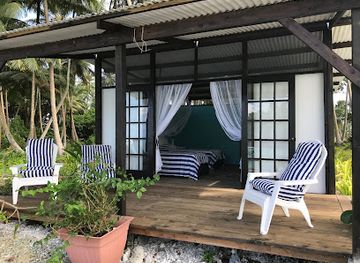
Private Island Boutique Resort Bikendrik Island Hideaway, Marshall Islands
Experience luxury and tranquility at Bikendrik Island Hideaway - your private escape in the Marshall Islands.
-
Restaurant
Toeak Bar and Grill
Experience authentic Marshall Islands cuisine at Toeak Bar and Grill in Majuro Atoll—where every meal comes with stunning ocean views.
-
Chinese
Alliang
Experience authentic Chinese flavors at Alliang in Majuro - where every dish tells a story.
Best bars in Majuro Atoll
Majuro's evening life is modest and community-oriented rather than built around a large nightclub district. Hotels and central businesses provide the most predictable settings for an evening drink, while local bars and casual eateries may attract residents, workers and visitors at different times. Music, church activities, sports and family gatherings are important parts of social life, and evenings can be more about conversation than late-night entertainment. There are few reasons to expect a dense concentration of clubs, and venue status, transport home and opening arrangements can change. Exercise discretion around alcohol, dress and photography, particularly in neighbourhood settings, and follow local advice about where visitors are welcome. The lagoon and ocean are not safe substitutes for nightlife after dark: low lighting, tides, limited transport and uneven access make night-time shoreline exploration unwise.
-
Atoll
Majuro
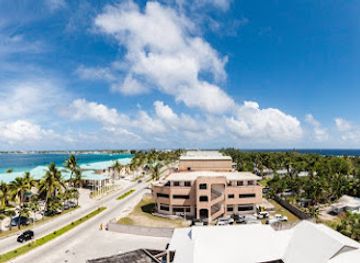
Discover the enchanting beauty and vibrant culture of Majuro Atoll, a tropical paradise in the Marshall Islands.
-
Restaurant
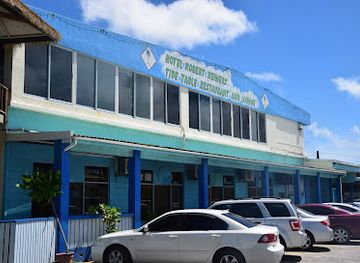
Tide Table Restaurant & Lounge
Discover the flavors of the Marshall Islands at Tide Table Restaurant & Lounge, where local cuisine meets a beautiful coastal setting.
-
Restaurant
Toeak Bar and Grill
Experience the best of local cuisine and breathtaking sunsets at Toeak Bar and Grill in Majuro Atoll, a culinary treasure for every traveler.
-
Taiwanese
Won Hai Shien 旺海軒
Experience the rich flavors of Taiwanese cuisine at Won Hai Shien, a must-visit restaurant in Majuro Atoll, promising an unforgettable dining experience.
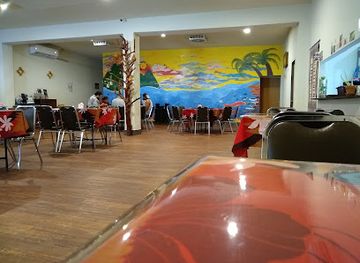
Best nightclubs in Majuro Atoll
Majuro's evening life is modest and community-oriented rather than built around a large nightclub district. Hotels and central businesses provide the most predictable settings for an evening drink, while local bars and casual eateries may attract residents, workers and visitors at different times. Music, church activities, sports and family gatherings are important parts of social life, and evenings can be more about conversation than late-night entertainment. There are few reasons to expect a dense concentration of clubs, and venue status, transport home and opening arrangements can change. Exercise discretion around alcohol, dress and photography, particularly in neighbourhood settings, and follow local advice about where visitors are welcome. The lagoon and ocean are not safe substitutes for nightlife after dark: low lighting, tides, limited transport and uneven access make night-time shoreline exploration unwise.
-
Night club
Marshall Islands Club
Experience the vibrant nightlife at Marshall Islands Club, the ultimate destination for music, dancing, and island fun on Majuro Atoll.
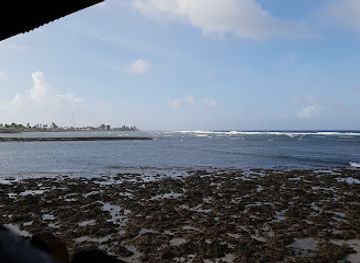
Best shops in Majuro Atoll
Shopping in Majuro is concentrated along the developed urban corridor and is primarily practical: groceries, clothing, household goods, mobile services and imported supplies are more prominent than destination retail. Small shops and supermarkets serve residents, while local sellers and occasional community markets may offer fish, produce, snacks or prepared food according to availability. For gifts, look for Marshallese handicrafts such as woven pandanus items, mats, fans, baskets and shell jewellery, buying directly from makers or reputable local outlets when possible. Books and cultural material associated with the Alele Museum and Public Library can provide more meaningful souvenirs than generic imported goods. Supply is limited and some products are imported, so do not expect a large craft-shopping district or extensive luxury retail. Ask before photographing or bargaining with individual makers, and be cautious about buying shells, coral or wildlife products that may be restricted or environmentally damaging.
-
Atoll
Majuro
Explore the enchanting Majuro Atoll, a serene tropical paradise with stunning lagoons, vibrant marine life, and rich cultural experiences await your discovery.
-
Supermarket
Payless Supermarket
Explore the vibrant selection at Payless Supermarket, the essential shopping destination for tourists in Majuro Atoll, Marshall Islands.
-
Supermarket
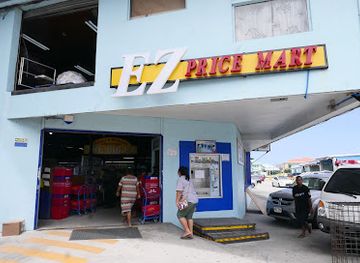
EZ Price Mart
Discover EZ Price Mart in Majuro Atoll, your go-to supermarket for groceries, local products, and kitchen essentials.
-
Hardware store
Majuro True Value
Explore Majuro True Value, your essential hardware store in the Marshall Islands, offering quality tools and supplies for every DIY project.

Get your free copy of our complete guide to Majuro Atoll, delivered straight to you.
Everything on this page, from attractions and restaurants to essentials and local phrases, in one PDF you can read offline, print or share.
Already have an account? Sign in
Your Majuro Atoll guide is ready.
We'll send it to · Not you? Sign out

Getting your guide ready…
We are putting together a fresh copy of the Majuro Atoll guide. This can take up to a minute.
This can take a few moments. If your browser asks, choose Allow so the download can start. You'll find the guide in your Downloads folder.
Nothing happened? Download it again
Sorry, the guide is taking longer than usual. Please try again in a minute, or get it by email instead.
Majuro Atoll essentials
Currency and Payment
Safety
Emergency Situations
Do's and Don'ts
Local Tips
From Eve
Local phrases worth knowing
You don't need to get them perfect. A few words go a long way, and locals appreciate the effort.
Basics
| English | Local | Say it |
|---|---|---|
| Hello | Yokwe | [yoh-kweh] |
| Goodbye | Aolep | [ah-oh-lep] |
| Yes | Iee | [ee-eh] |
| No | Aole | [ah-oh-leh] |
| Please/You're welcome | Bwij | [bwee-j] |
| Thank you | Komol tata | [koh-mohl tah-tah] |
| Excuse me/Sorry | Bwij bwe | [bwee-j bweh] |
| How are you? | Bwij in aolep? | [bwee-j in ah-oh-lep] |
| Fine. And you? | Aolep. Ij im? | [ah-oh-lep. eej eem?] |
| Do you speak English? | Ijjok in English? | [ee-jok in in-glish?] |
| I don't understand | Ejjab in aolep | [ej-jab in ah-oh-lep] |
Eating & Drinking
| English | Local | Say it |
|---|---|---|
| I'd like to see the menu, please | Bwij in jikin menu, komol tata | [bwee-j in yee-keen meh-noo, koh-mohl tah-tah] |
| I don't eat meat | Ejjab in juon kein | [ej-jab in joo-on keh-een] |
| Cheers! | Bwij in jikin! | [bwee-j in yee-keen!] |
| I would like to pay, please | Bwij in jikin juon, komol tata | [bwee-j in yee-keen joo-on, koh-mohl tah-tah] |
Emergencies
| English | Local | Say it |
|---|---|---|
| Help! | Help! | [help!] |
| Go away! | Jab in jikin! | [jahb in yee-keen!] |
| Call the Police! | Kaal in Police! | [kaal in poh-lees!] |
| Call a doctor! | Kaal in doctor! | [kaal in dok-tor!] |
| I'm lost | Ejjab in jikin | [ej-jab in yee-keen] |
| I'm ill | Ejjab in jikin | [ej-jab in yee-keen] |
Shopping
| English | Local | Say it |
|---|---|---|
| I'd like to buy... | Bwij in jikin buy... | [bwee-j in yee-keen buy...] |
| I'm just looking | Ejjab in jikin | [ej-jab in yee-keen] |
| How much is it? | Bwij in jikin ein? | [bwee-j in yee-keen ay-in?] |
| That's too expensive | Ejjab in jikin wot | [ej-jab in yee-keen wot] |
| Can you lower the price? | Bwij in jikin aolep price? | [bwee-j in yee-keen ah-oh-lep pryce?] |
Time & Numbers
| English | Local | Say it |
|---|---|---|
| What time is it? | Ejjab in jikin jeje? | [ej-jab in yee-keen jeh-jeh?] |
| It's one o'clock | Ejjab in jikin juon o'clock | [ej-jab in yee-keen joo-on oh-clock] |
| Half past (10) | Ejjab in jikin half past (10) | [ej-jab in yee-keen half past (10)] |
| Morning | Aolep | [ah-oh-lep] |
| Afternoon | Bwij in jikin | [bwee-j in yee-keen] |
| Evening | Ejjab in jikin | [ej-jab in yee-keen] |
| Yesterday | Aolep | [ah-oh-lep] |
| Today | Bwij in jikin | [bwee-j in yee-keen] |
| Tomorrow | Ijjok in jikin | [ee-jok in yee-keen] |
| 1 | Juon | [joo-on] |
| 2 | Ruo | [roo-oh] |
| 3 | Jilu | [jee-loo] |
| 4 | Jek | [jek] |
| 5 | Jel | [jel] |
| 6 | Jelok | [jeh-lok] |
| 7 | Jelok in jikin | [jeh-lok in yee-keen] |
| 8 | Jelok in jikin | [jeh-lok in yee-keen] |
| 9 | Jelok in jikin | [jeh-lok in yee-keen] |
| 10 | Jelok in jikin | [jeh-lok in yee-keen] |
Transport & Directions
| English | Local | Say it |
|---|---|---|
| Where's a/the...? | Ejjab in jikin...? | [ej-jab in yee-keen...?] |
| What's the address? | Ejjab in jikin address? | [ej-jab in yee-keen ah-dress?] |
| Can you show me (on the map)? | Bwij in jikin jikin (in map)? | [bwee-j in yee-keen yee-keen (in map)?] |
| When's the next (bus)? | Ejjab in jikin next (bus)? | [ej-jab in yee-keen next (bus)?] |
| A ticket (to ....) | In ticket (to ....) | [in tik-et (to ....)] |
History of Majuro Atoll
Ancient Marshallese Settlement and Navigation
The Marshall Islands were settled by Micronesian voyagers who developed sophisticated knowledge of ocean routes, winds, currents, stars and wave patterns. On Majuro Atoll, as elsewhere in the archipelago, communities adapted to narrow coral islets by combining lagoon and ocean fishing, coconut cultivation and inter-island exchange. Traditional navigation was not simply a means of travel but part of a wider cultural system linking chiefs, families, land and the sea. The atoll's present settlements stand within this much older Marshallese maritime world.
Chiefdoms and Marshallese Social Organisation
Before European rule, Majuro was organised through Marshallese systems of chiefly authority, land rights and extended family relationships. Rights to particular sections of atoll land and lagoon were inherited and carefully understood, shaping where people could live, work and gather. These structures remain important in contemporary life, even though the atoll is now the national capital and administrative centre. Visitors may notice that access to land, community events and coastal places can involve local relationships rather than being governed solely by commercial tourism.
European Contact and German Administration
European ships began visiting the Marshall Islands in the early modern period, followed by missionaries, traders and commercial interests. Germany established control over the islands in the late nineteenth century, incorporating them into its Pacific colonial network. Copra, the dried flesh of the coconut, became an important export and connected atolls such as Majuro to international markets. This period brought new religious, commercial and administrative influences, while Marshallese communities retained their own social systems and ties to the land.
Japanese Rule and the Pacific War
Japan took control of the Marshall Islands during the First World War and later administered them under a League of Nations mandate. Japanese influence expanded through government, communications and military planning. During the Second World War, the islands became part of the wider Pacific conflict, and Majuro's strategic position made the atoll significant to American operations. Wartime remains and memories belong to a broader history of military occupation and upheaval across the archipelago, rather than to a single battlefield on Majuro.
American Administration after 1944
United States forces captured Majuro in 1944 and developed it as a strategically useful base and supply point. After the war, the Marshall Islands became part of the Trust Territory of the Pacific Islands, administered by the United States under a United Nations trusteeship. American systems of education, administration, religion, transport and commerce increasingly shaped everyday life. Majuro grew in importance as people from other atolls moved there for employment, services and political activity.
Nuclear Testing and Displacement in the Marshall Islands
United States nuclear testing took place mainly at Bikini and Enewetak Atolls between 1946 and 1958, not on Majuro. Nevertheless, the consequences profoundly affected the whole country. Displaced communities, health concerns, environmental damage and ongoing debates about compensation and responsibility brought many Marshallese to Majuro, increasing its population and political importance. The atoll therefore provides essential context for understanding national discussions about nuclear justice, mobility and the long-term effects of the testing programme.
Self-Government and the Republic of the Marshall Islands
The Marshall Islands adopted a constitution in 1979 and entered into a Compact of Free Association with the United States in 1986, later amended in 2003. Majuro became the seat of the new republic's government and remains its principal urban and diplomatic centre. Government offices, schools, churches, businesses and international organisations are concentrated along the atoll's developed corridor. Contemporary Majuro reflects both national independence and continued close economic, administrative and social links with the United States.
Majuro Atoll in Photos
Browse through our photo collection highlighting the charm and character of the destination.
Neighbouring regions of Majuro Atoll
The closest regions to Majuro Atoll, if you have time for more than one.
-

-

-

-

-


Swipe for more regions
Explore more

Explore more of Marshall Islands
Discover the untouched beauty and rich cultural heritage of the Marshall Islands, a Pacific paradise offering pristine beaches, vibrant marine life, and historical treasures.
Explore Marshall Islands