

Free Maloelap Atoll Travel Guide & Mobile App
Explore Maloelap Atoll with free travel guides. Discover regional history, expert tips, proposed trips, and audio guides on web or mobile app.


Discover the untouched beauty and rich history of Maloelap Atoll in the Marshall Islands, where crystal-clear waters and pristine beaches await.
Read more about Maloelap Atoll
When is the best time to visit Maloelap Atoll?
Best: January–March · 29°C| Month | High (°C) | Rainfall (mm) |
|---|---|---|
| January (best) | 29 | 210 |
| February (best) | 29 | 200 |
| March (best) | 29 | 210 |
| April | 30 | 240 |
| May | 30 | 250 |
| June | 30 | 270 |
| July | 29 | 280 |
| August | 29 | 290 |
| September | 29 | 300 |
| October | 30 | 280 |
| November | 30 | 260 |
| December | 29 | 240 |
Getting to and around Maloelap Atoll
How to get there
Transportation
Explore Maloelap Atoll on the map
Plan your trip on one map. See where the top cities, national parks and sights are, and book hotels and experiences in a few clicks.
Best hotels in Maloelap Atoll
Best restaurants in Maloelap Atoll
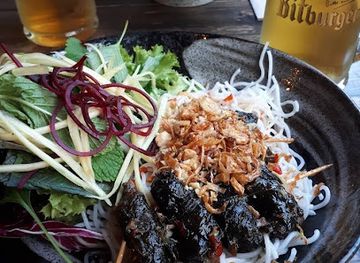
The dining scene in Maloelap Atoll offers an authentic and enchanting experience that captures the essence of Marshallese culture. Visitors can expect to indulge in fresh seafood caught daily by local fishermen, including mouthwatering delicacies like grilled fish, lobster, and octopus prepared with traditional recipes. The island's few but welcoming eateries serve meals infused with tropical flavors, featuring coconut, breadfruit, and pandanus fruits. Visitors will also encounter the unique opportunity to dine under the stars on a pristine beach, with the sound of waves gently lapping at the shore, creating an unforgettable culinary adventure in this remote paradise.
-
Restaurant
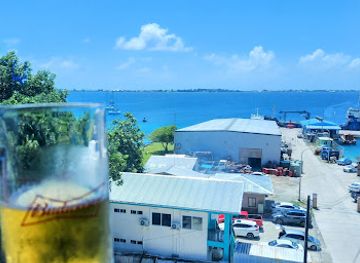
Tide Table Restaurant & Lounge
Discover culinary delights at Tide Table Restaurant & Lounge in Majuro Atoll—where local flavors meet stunning ocean views.
-
Restaurant
Toeak Bar and Grill
Experience the best of local cuisine at Toeak Bar and Grill on Majuro Atoll—where fresh seafood meets island hospitality.
-
Takeout Restaurant
Yummy
Savor authentic Marshallese flavors at Yummy, Delap-Uliga-Djarrit's top takeout restaurant offering delicious local cuisine.
-
Restaurant
Island Star
Discover exquisite flavors at Island Star, where local delicacies meet stunning island views in Majuro Atoll.

Best bars in Maloelap Atoll
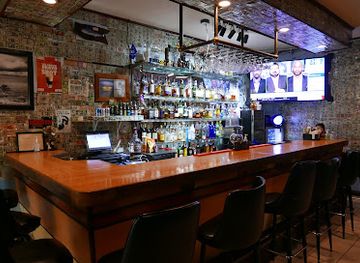
While Maloelap Atoll may not boast the bustling nightlife of metropolitan hubs, its evenings offer a unique and enchanting experience for visitors. As the sun sets over the azure waters, the atoll's charm shifts to cozy beachfront gatherings where travelers can enjoy the serene ambiance. Local establishments often feature traditional Marshallese music and dance performances, providing an authentic cultural immersion. The night sky, unspoiled by city lights, offers stargazing opportunities that are nothing short of breathtaking. Whether sipping on a freshly prepared cocktail at a small, intimate bar or participating in a community bonfire on the beach, the nightlife in Maloelap Atoll is all about immersion in natural beauty and local traditions.
-
Hotel
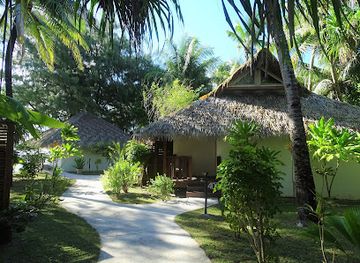
Marshall Islands Resort
Discover the serene beauty of the Marshall Islands at the idyllic Marshall Islands Resort, your gateway to unforgettable tropical adventures.
-
Restaurant
Tide Table Restaurant & Lounge
Enjoy a taste of the Marshall Islands at Tide Table Restaurant & Lounge, where fresh flavors meet stunning ocean views in Majuro Atoll.
-
Hotel
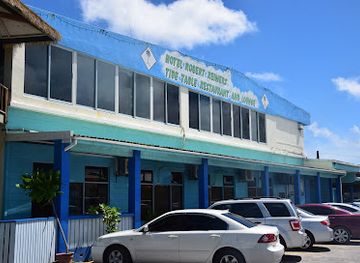
Hotel Robert Reimers
Discover the serene beauty of Majuro Atoll at Hotel Robert Reimers, a perfect blend of comfort, nature, and local culture.
-
International airport
Amata Kabua International Airport
Experience the tropical allure of the Marshall Islands at Amata Kabua International Airport, your gateway to adventure and paradise.
Best nightclubs in Maloelap Atoll
While Maloelap Atoll may not boast the bustling nightlife of metropolitan hubs, its evenings offer a unique and enchanting experience for visitors. As the sun sets over the azure waters, the atoll's charm shifts to cozy beachfront gatherings where travelers can enjoy the serene ambiance. Local establishments often feature traditional Marshallese music and dance performances, providing an authentic cultural immersion. The night sky, unspoiled by city lights, offers stargazing opportunities that are nothing short of breathtaking. Whether sipping on a freshly prepared cocktail at a small, intimate bar or participating in a community bonfire on the beach, the nightlife in Maloelap Atoll is all about immersion in natural beauty and local traditions.

Best shops in Maloelap Atoll
Maloelap Atoll offers visitors a unique and enchanting shopping experience that reflects the rich cultural heritage of the Marshall Islands. As you wander through the small, local markets, you’ll discover an array of handmade crafts, intricate traditional jewelry, and vibrant woven baskets, all crafted by skilled artisans using techniques passed down through generations. The atoll's shops also feature locally sourced goods such as coconut oil, pandanus mats, and shell ornaments, perfect for bringing a piece of Maloelap’s island charm back home. Amidst the serene tropical setting, shopping here feels like a treasure hunt, with each item telling its own story of the atoll’s history and traditions.
-
Hotel
Marshall Islands Resort
Discover the tranquility of Marshall Islands Resort, where breathtaking lagoon views meet tropical paradise in Majuro Atoll.
-
Supermarket
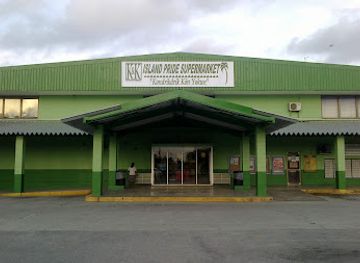
K&K Island Pride Supermarket
Explore the vibrant culture and local flavors of the Marshall Islands at K&K Island Pride Supermarket, your one-stop shopping destination.
-
Hotel
Hotel Robert Reimers
Discover the charm of the Marshall Islands at Hotel Robert Reimers, where comfort meets local culture in a stunning coastal setting.
-
International airport
Amata Kabua International Airport
Discover the beauty of the Marshall Islands through Amata Kabua International Airport, your gateway to adventure and culture in the Pacific.

Get your free copy of our complete guide to Maloelap Atoll, delivered straight to you.
Everything on this page, from attractions and restaurants to essentials and local phrases, in one PDF you can read offline, print or share.
Already have an account? Sign in
Your Maloelap Atoll guide is ready.
We'll send it to · Not you? Sign out

Getting your guide ready…
We are putting together a fresh copy of the Maloelap Atoll guide. This can take up to a minute.
This can take a few moments. If your browser asks, choose Allow so the download can start. You'll find the guide in your Downloads folder.
Nothing happened? Download it again
Sorry, the guide is taking longer than usual. Please try again in a minute, or get it by email instead.
Maloelap Atoll essentials
Currency and Payment
Safety
Emergency Situations
Do's and Don'ts
Local Tips
From Eve
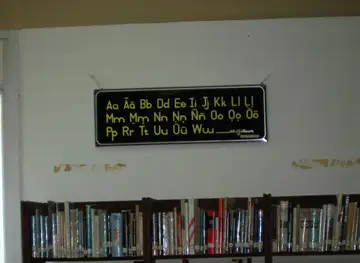
Local phrases worth knowing
You don't need to get them perfect. A few words go a long way, and locals appreciate the effort.
Basics
| English | Local | Say it |
|---|---|---|
| Hello | Iakwe | [ee-ah-kwe] |
| Goodbye | Aolep | [ah-oh-lep] |
| Yes | E | [eh] |
| No | Aolep | [ah-oh-lep] |
| Please/You're welcome | Komol | [koh-mohl] |
| Thank you | Kommol tata | [koh-mohl tah-tah] |
| Excuse me/Sorry | Ijj im | [eej eem] |
| How are you? | Bwij in mwe? | [bwee in mweh] |
| Fine. And you? | Mwe ej in, komol? | [mweh ej in, koh-mohl] |
| Do you speak English? | Ejj in bōd in English? | [ehj in bohd in English] |
| I don't understand | Ej jekde in | [ehj jehk-deh in] |
Eating & Drinking
| English | Local | Say it |
|---|---|---|
| I'd like to see the menu, please | Ejj komol jekde in menu | [ehj koh-mohl jehk-deh in meh-noo] |
| I don't eat meat | Ej jekde in n̄an | [ehj jehk-deh in n̄ahn] |
| Cheers! | N̄an in ro | [n̄ahn in roh] |
| I would like to pay, please | Ejj komol jekde in jān | [ehj koh-mohl jehk-deh in jahn] |
Emergencies
| English | Local | Say it |
|---|---|---|
| Help! | Jekde! | [jehk-deh] |
| Go away! | M̧we en! | [mweh en] |
| Call the Police! | Kōm̧m̧an in Police! | [kohm-mahn in poh-lees] |
| Call a doctor! | Kōm̧m̧an in dokto! | [kohm-mahn in dohk-toh] |
| I'm lost | Ej jān ak | [ehj jahn ahk] |
| I'm ill | Ej jān ak m̧wōn | [ehj jahn ahk mwoh-n] |
Shopping
| English | Local | Say it |
|---|---|---|
| I'd like to buy... | Ejj komol jekde in ... | [ehj koh-mohl jehk-deh in ...] |
| I'm just looking | Ej jān ro | [ehj jahn roh] |
| How much is it? | N̄an ej in? | [n̄ahn ehj in] |
| That's too expensive | Ej jekde in jān | [ehj jehk-deh in jahn] |
| Can you lower the price? | Ejj in jān im jān? | [ehj in jahn eem jahn] |
Time & Numbers
| English | Local | Say it |
|---|---|---|
| What time is it? | N̄an ej in wōt? | [n̄ahn ehj in woht] |
| It's one o'clock | Ej in wōt en | [ehj in woht en] |
| Half past (10) | N̄an ej in lōkuj | [n̄ahn ehj in loh-koo] |
| Morning | N̄an en | [n̄ahn en] |
| Afternoon | Lōm̧in | [loh-meen] |
| Evening | Wōt | [woht] |
| Yesterday | N̄an jān | [n̄ahn jahn] |
| Today | N̄an in jān | [n̄ahn in jahn] |
| Tomorrow | N̄an in lōj | [n̄ahn in lohj] |
| 1 | Jān | [jahn] |
| 2 | Lōk | [loh-k] |
| 3 | Tōn | [tohn] |
| 4 | Jū | [joo] |
| 5 | Lōj | [lohj] |
| 6 | Jōn | [joh-n] |
| 7 | Jūn | [joo-n] |
| 8 | Jūm̧ | [joo-m] |
| 9 | Jūn | [joo-n] |
| 10 | Jūn en | [joo-n en] |
Transport & Directions
| English | Local | Say it |
|---|---|---|
| Where's a/the...? | Ejj in a ...? | [ehj in ah ...] |
| What's the address? | N̄an ej in jek? | [n̄ahn ehj in jehk] |
| Can you show me (on the map)? | Ejj in jān jekde in (map)? | [ehj in jahn jehk-deh in (map)] |
| When's the next (bus)? | N̄an ej in jān (bus)? | [n̄ahn ehj in jahn (bus)] |
| A ticket (to ....) | In jān ticket (to ....) | [in jahn ticket (to ...)] |
History of Maloelap Atoll
Early Settlement
Maloelap Atoll, part of the Ratak Chain in the Marshall Islands, was originally settled by Micronesian navigators around 2,000 years ago. These early settlers relied on their seafaring skills and knowledge of star navigation to traverse vast ocean distances. The atoll's lagoons and abundant marine life provided a sustainable environment for fishing and gathering resources, while its fertile land allowed for the cultivation of breadfruit, taro, and other crops. Traditional Marshallese culture flourished, characterized by matrilineal clans and a deep spiritual connection to the sea.
European Contact
The first recorded European contact with Maloelap Atoll occurred in the early 16th century when Spanish explorers navigated the Pacific Ocean. However, significant interaction did not occur until the 19th century when whalers, traders, and missionaries began frequenting the region. The arrival of European and American ships introduced new goods, diseases, and cultural influences, which began to alter the traditional way of life on the atoll. Despite these changes, Maloelap retained much of its indigenous culture and customs.
German Colonial Era
In 1885, Maloelap Atoll, along with the rest of the Marshall Islands, came under German colonial control. The Germans established trading posts and focused on the copra trade, which involved the harvesting and processing of coconut oil. The colonial administration introduced new infrastructure and educational systems, but traditional Marshallese governance structures remained largely intact. German rule lasted until World War I, when Japan seized the islands as part of its Pacific campaign.
Japanese Occupation
Following the end of World War I, the League of Nations mandated the Marshall Islands, including Maloelap Atoll, to Japan. During the Japanese occupation, which lasted from 1914 to 1944, Maloelap became strategically significant. The Japanese military built an airfield and fortifications on the atoll, transforming it into a military outpost. This period saw the construction of bunkers, gun emplacements, and other wartime infrastructure, remnants of which can still be explored today. The local population experienced significant hardships during this time due to forced labor and resource shortages.
World War II Battle
Maloelap Atoll was a focal point during World War II in the Pacific Theater. In 1944, the United States launched Operation Flintlock, a series of amphibious assaults aimed at capturing the Marshall Islands from Japanese control. Maloelap was heavily bombarded by U.S. forces, leading to significant destruction and loss of life. Although Maloelap was not directly invaded, the intense aerial and naval bombardment left a lasting impact on the atoll's landscape and its inhabitants. Today, the remains of Japanese bunkers, aircraft, and other wartime relics serve as poignant historical sites.
Post-War Period
After World War II, the Marshall Islands, including Maloelap Atoll, came under the administration of the United States as part of the Trust Territory of the Pacific Islands. This period saw efforts to rebuild and modernize the atoll, including the establishment of schools, healthcare facilities, and infrastructure improvements. The traditional Marshallese way of life persisted alongside these developments, with a renewed focus on preserving cultural heritage and language. Maloelap's residents navigated the complexities of post-war recovery while maintaining a strong sense of identity and community.
Independence and Modern Era
The Marshall Islands gained independence from the United States in 1986, becoming a sovereign nation in free association with the U.S. Maloelap Atoll, like other parts of the Marshall Islands, has since worked to balance modernization with cultural preservation. The atoll's economy remains primarily subsistence-based, with fishing and agriculture playing crucial roles. However, tourism has emerged as a growing sector, attracting visitors interested in the atoll's pristine natural beauty and rich history. Efforts to protect the environment and promote sustainable development are ongoing, ensuring that Maloelap's unique heritage is preserved for future generations.
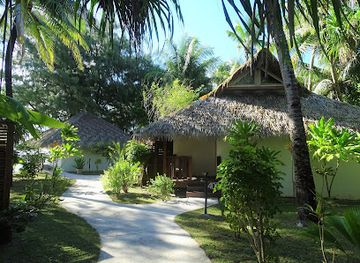
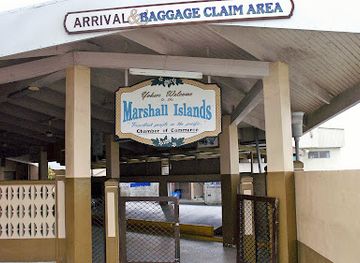
Maloelap Atoll in Photos
Browse through our photo collection highlighting the charm and character of the destination.
Neighbouring regions of Maloelap Atoll
The closest regions to Maloelap Atoll, if you have time for more than one.
-

-

-

-

-


Swipe for more regions

