

Free Kwajalein Atoll Travel Guide & Mobile App
Explore Kwajalein Atoll with free travel guides. Discover regional history, expert tips, proposed trips, and audio guides on web or mobile app.


Kwajalein Atoll combines Marshallese island life, wartime history and a vast Pacific lagoon, with travel shaped by strict access controls.
Read more about Kwajalein Atoll
When is the best time to visit Kwajalein Atoll?
Best: February–April · 29°C| Month | High (°C) | Rainfall (mm) |
|---|---|---|
| January | 29 | 140 |
| February (best) | 29 | 120 |
| March (best) | 29 | 120 |
| April (best) | 29 | 130 |
| May | 29 | 150 |
| June | 30 | 160 |
| July | 30 | 180 |
| August | 30 | 190 |
| September | 30 | 200 |
| October | 30 | 190 |
| November | 29 | 160 |
| December | 29 | 150 |
Getting to and around Kwajalein Atoll
How to get there
Transportation
Best attractions in Kwajalein Atoll
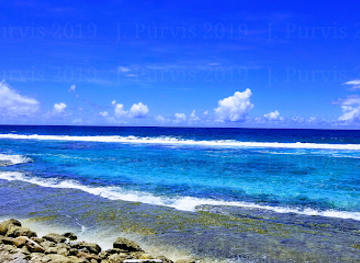
Kwajalein Atoll’s attractions are primarily environmental, historical and experiential rather than commercial. The broad lagoon and surrounding reef provide opportunities for authorised snorkelling, diving, fishing, kayaking and boating, although access depends on local permission, weather and the availability of a suitable operator. Beaches and reef flats are visually compelling but fragile, and visitors should not remove coral, shells or marine life. Wartime remains are found on parts of Kwajalein and other islands, including concrete defensive positions, damaged structures and aircraft or equipment debris; these sites require caution because unexploded ordnance and unstable materials may remain. Ebeye offers insight into contemporary Marshallese life, but it should be visited as a residential community with appropriate sensitivity. On Kwajalein Island, the military range, airfield and associated facilities are important to the atoll’s modern identity, though most are not tourist attractions and many are inaccessible. There is no conventional circuit of museums, theme parks or developed resort excursions, so an authorised visit is best understood as a guided encounter with a working atoll, its lagoon ecology and its layered Pacific history.
-
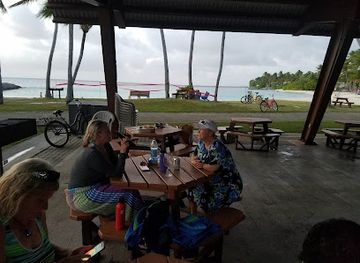
Park
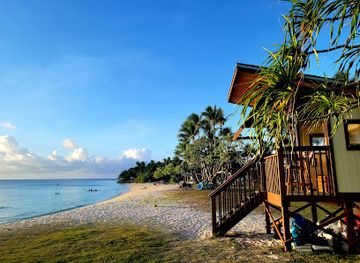
Emon Beach
Discover the breathtaking beauty of Emon Beach in Kwajalein Atoll, a paradise for beach lovers and adventure seekers in the Marshall Islands.
Best landmarks in Kwajalein Atoll
Kwajalein Atoll’s most important landmarks are closely tied to its geography and military history. The lagoon itself is the defining natural feature: a broad, sheltered body of Pacific water enclosed by a thin coral rim, with channels and reef passages shaping travel between islands. Kwajalein Island’s airfield and military infrastructure form a highly visible modern landmark, although operational areas and security installations are not open for casual sightseeing or photography. Across parts of the atoll, Japanese bunkers, gun positions, concrete shelters and other Second World War remains mark the 1944 battle and the earlier Japanese occupation. Their significance lies not in monumental architecture but in the way they reveal the strategic transformation of a lived-in coral atoll. Ebeye is an important social and urban landmark in its own right, illustrating the concentration of Marshallese settlement and the unequal spatial legacy of military land use. Smaller islands, shoreline memorials and wartime debris may also hold local significance, but should be visited only with permission and an experienced guide because conditions and access vary.
-
Historical place
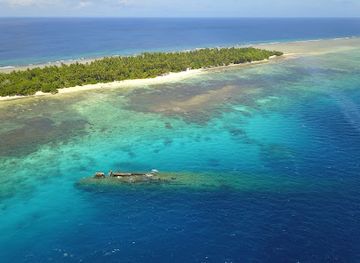
Wreck of German cruiser Prinz Eugen
Discover the captivating history and marine wonder of the Wreck of the German cruiser Prinz Eugen in Kwajalein Atoll, a must-visit for adventurous tourists.
-
Park
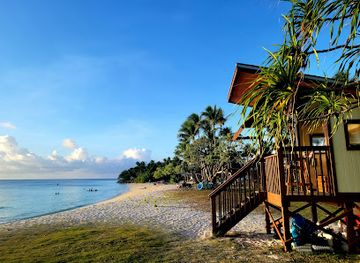
Emon Beach
Discover the enchanting beauty of Emon Beach in the Marshall Islands, where pristine sands and vibrant marine life await you.
-
Island
Kwajalein
Explore the breathtaking landscapes and rich history of Kwajalein Atoll, a paradise in the heart of the Marshall Islands with stunning beaches and vibrant marine life.
-
Island
Roi-Namur
Explore Roi-Namur Island's stunning landscapes, rich history, and serene beaches in the heart of the Kwajalein Atoll.
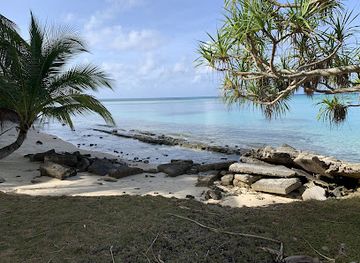
Explore Kwajalein Atoll on the map
Plan your trip on one map. See where the top cities, national parks and sights are, and book hotels and experiences in a few clicks.
Best hotels in Kwajalein Atoll
Best restaurants in Kwajalein Atoll
Dining in Kwajalein Atoll is shaped by a small population, military administration, imported supplies and limited commercial infrastructure. On Kwajalein Island, authorised visitors generally eat through arranged accommodation, workplace or community facilities rather than choosing from a large public restaurant scene. Ebeye has local food outlets and informal places to buy meals, but availability can change and visitors should rely on local guidance. Marshallese cooking commonly draws on fish, coconut, breadfruit, taro, pandanus and imported rice or tinned goods, reflecting both ocean resources and the cost of supplying remote islands. Fresh seafood may be available through local networks, but should not be assumed without advance arrangements. Shared meals, church or community occasions and home cooking can provide a more meaningful introduction to local food than a formal dining itinerary, provided that invitations and dietary expectations are handled respectfully. Bring essential snacks and any specialist dietary supplies, since shops have limited range and replenishment depends on irregular supply chains.
-
Park
Emon Beach
Discover Emon Beach: A stunning tropical haven in Kwajalein Atoll with crystal-clear waters and endless relaxation opportunities.
-
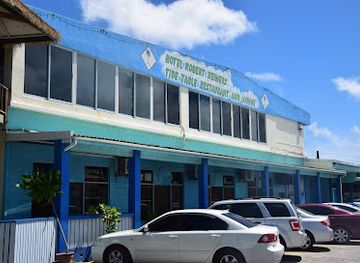
Restaurant
Tide Table Restaurant & Lounge
Discover culinary delights at Tide Table Restaurant & Lounge in Majuro - where local flavors meet stunning ocean views.
-
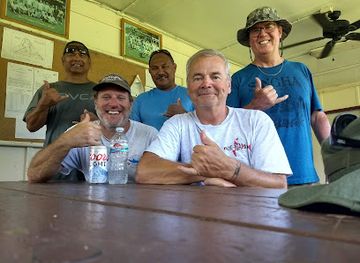
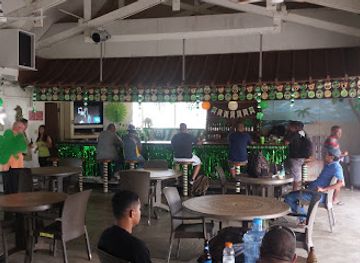
Bar
Oceanview Club aka Snake Pit
Experience the vibrant atmosphere and stunning ocean views at Oceanview Club in Kwajalein Atoll - a must-visit bar for every traveler.
-
Cafe
Cafe Roi
Discover Cafe Roi in Roi-Namur - A delightful cafe offering delicious meals and warm hospitality amidst the stunning landscapes of the Marshall Islands.
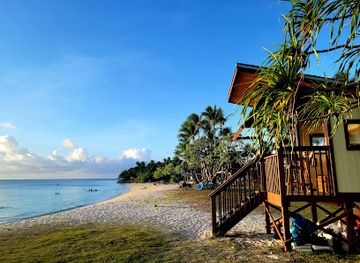
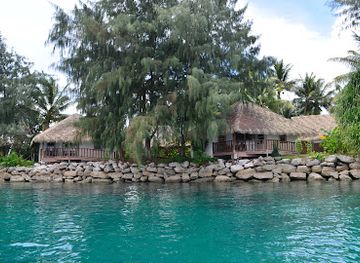
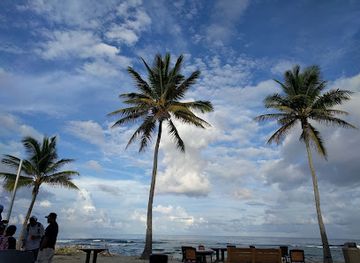
Best bars in Kwajalein Atoll
Kwajalein Atoll does not have a substantial independent nightclub district or a nightlife economy aimed at tourists. Evening life on Kwajalein Island centres on authorised community facilities, social clubs, organised recreation and occasional events within the military community, while Ebeye’s social world is more closely connected to families, churches and neighbourhood life than to a formal entertainment strip. Alcohol rules, access and opening arrangements may differ between facilities, and visitors should follow their sponsor’s guidance rather than assume that public venues are available. Evenings can instead involve lagoon-side gatherings, conversations, sport or quiet observation of the Pacific night, subject to local permission and safe transport. Do not wander into restricted or residential areas after dark, and arrange your return boat or vehicle before going out because transport between islands is not a late-night service to rely on.
-
Park
Emon Beach
Emon Beach: Experience the pristine beauty and tranquility of the Marshall Islands' premier beach park, perfect for relaxation and adventure.
-
Restaurant
Tide Table Restaurant & Lounge
Discover the flavors of the Marshall Islands at Tide Table Restaurant & Lounge, where stunning views meet exquisite cuisine in Majuro.
-
Bar
Oceanview Club aka Snake Pit
Experience the vibrant atmosphere and stunning views at Oceanview Club, Kwajalein Atoll's favorite bar destination.
-
Cafe
Cafe Roi
Discover the charm of Cafe Roi in Roi-Namur, offering delightful coffee, local snacks, and a cozy atmosphere amidst the beauty of the Marshall Islands.
Best nightclubs in Kwajalein Atoll
Kwajalein Atoll does not have a substantial independent nightclub district or a nightlife economy aimed at tourists. Evening life on Kwajalein Island centres on authorised community facilities, social clubs, organised recreation and occasional events within the military community, while Ebeye’s social world is more closely connected to families, churches and neighbourhood life than to a formal entertainment strip. Alcohol rules, access and opening arrangements may differ between facilities, and visitors should follow their sponsor’s guidance rather than assume that public venues are available. Evenings can instead involve lagoon-side gatherings, conversations, sport or quiet observation of the Pacific night, subject to local permission and safe transport. Do not wander into restricted or residential areas after dark, and arrange your return boat or vehicle before going out because transport between islands is not a late-night service to rely on.
-
Bar
Oceanview Club aka Snake Pit
Oceanview Club: A vibrant bar in Kwajalein Atoll, offering stunning views and a lively atmosphere for relaxation and socializing.
-
Night club
Kwajalein Yacht Club
Discover the vibrant nightlife at Kwajalein Yacht Club, where stunning views and great company create unforgettable memories.
-
Night club
Marshall Islands Club
Discover the vibrant nightlife at Marshall Islands Club, where tropical drinks and energetic music create unforgettable memories in paradise.
-
Club
Kwajalein Country Club
Discover relaxation and local culture at the Kwajalein Country Club, a serene retreat in the beautiful Marshall Islands.
Best shops in Kwajalein Atoll
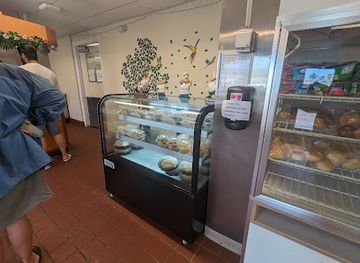
Shopping in Kwajalein Atoll is practical and limited rather than a developed souvenir experience. Kwajalein Island has facilities serving authorised residents and personnel, while Ebeye provides more local everyday commerce, but neither should be approached with expectations of extensive high-street retail. Useful purchases may include snacks, drinks, basic household goods and locally prepared food, although supplies depend on imports and can sell out. Marshallese handicrafts, woven items, shell work and other locally made products may be available through personal networks or community sales, but visitors should buy respectfully and confirm that items are legally and ethically sourced. Do not collect coral, shells, archaeological material or wartime souvenirs. Local food products such as coconut-based goods or preserved items can make appropriate gifts when available, subject to transport and customs rules. Carry essential toiletries, medicines, specialist foods and reliable payment options from the outset, since the atoll’s isolated supply chain makes replacement uncertain.
-
Supermarket
K&K Island Pride Supermarket
Explore the culinary delights of K&K Island Pride Supermarket, your gateway to local flavors and unique island products in Majuro Atoll.
-
Grocery store
Surfway Grocery Store
Explore the flavors of the Marshall Islands at Surfway Grocery Store, your essential stop for local goods and international favorites in Kwajalein Atoll.
-
Bakery
Sunrise Bakery
Experience the delightful flavors of Sunrise Bakery in Kwajalein, where fresh pastries and local treats meet a charming atmosphere.
-
Supermarket
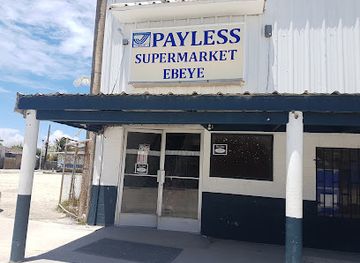
Payless Triple J
Explore Payless Triple J in Ebeye for a diverse selection of groceries and local specialties in the heart of the Marshall Islands.


Get your free copy of our complete guide to Kwajalein Atoll, delivered straight to you.
Everything on this page, from attractions and restaurants to essentials and local phrases, in one PDF you can read offline, print or share.
Already have an account? Sign in
Your Kwajalein Atoll guide is ready.
We'll send it to · Not you? Sign out

Getting your guide ready…
We are putting together a fresh copy of the Kwajalein Atoll guide. This can take up to a minute.
This can take a few moments. If your browser asks, choose Allow so the download can start. You'll find the guide in your Downloads folder.
Nothing happened? Download it again
Sorry, the guide is taking longer than usual. Please try again in a minute, or get it by email instead.
Kwajalein Atoll essentials
Currency and Payment
Safety
Emergency Situations
Do's and Don'ts
Local Tips
From Eve
Local phrases worth knowing
You don't need to get them perfect. A few words go a long way, and locals appreciate the effort.
Basics
| English | Local | Say it |
|---|---|---|
| Hello | Iakwe | [ee-ow-keh] |
| Goodbye | Aolep | [ah-oh-lep] |
| Yes | E | [eh] |
| No | Aolep | [ah-oh-lep] |
| Please/You're welcome | Komol tata | [koh-mol tah-tah] |
| Thank you | Kommol | [koh-mol] |
| Excuse me/Sorry | Ij jela | [eej jeh-lah] |
| How are you? | Iokwe eok? | [ee-oh-kweh eh-ock] |
| Fine. And you? | Iokwe. Eok? | [ee-oh-kweh eh-ock] |
| Do you speak English? | Ena im jab in English? | [eh-nah im jahb in in-glish] |
| I don't understand | Ij etal in | [eej eh-tahl in] |
Eating & Drinking
| English | Local | Say it |
|---|---|---|
| I'd like to see the menu, please | Ena jela im menu, komol | [eh-nah jeh-lah im meh-noo, koh-mol] |
| I don't eat meat | Ij etal in meat | [eej eh-tahl in meet] |
| Cheers! | Bwij! | [bwee-j] |
| I would like to pay, please | Ena jela im pay, komol | [eh-nah jeh-lah im pay, koh-mol] |
Emergencies
| English | Local | Say it |
|---|---|---|
| Help! | Jebwe! | [jeh-bweh] |
| Go away! | Kijj jela! | [kee-j jeh-lah] |
| Call the Police! | Kijj in Police! | [kee-j in poh-lees] |
| Call a doctor! | Kijj in doctor! | [kee-j in dok-tor] |
| I'm lost | Ij etal in | [eej eh-tahl in] |
| I'm ill | Ij etal in jela | [eej eh-tahl in jeh-lah] |
Shopping
| English | Local | Say it |
|---|---|---|
| I'd like to buy... | Ena jela im jek... | [eh-nah jeh-lah im jehk] |
| I'm just looking | Ij jela ke jek | [eej jeh-lah keh jehk] |
| How much is it? | Ena jek eok? | [eh-nah jehk eh-ock] |
| That's too expensive | Ena etal jek eok | [eh-nah eh-tahl jehk eh-ock] |
| Can you lower the price? | Ena eok etal in price? | [eh-nah eh-ock eh-tahl in price] |
Time & Numbers
| English | Local | Say it |
|---|---|---|
| What time is it? | Ena eok jela? | [eh-nah eh-ock jeh-lah] |
| It's one o'clock | Ena eok ian | [eh-nah eh-ock ee-ahn] |
| Half past (10) | Ena eok jela (10) | [eh-nah eh-ock jeh-lah ten] |
| Morning | Bwij | [bwee-j] |
| Afternoon | Ael | [ah-el] |
| Evening | Bwijin | [bwee-jeen] |
| Yesterday | Jebwe | [jeh-bweh] |
| Today | Jebwe eok | [jeh-bweh eh-ock] |
| Tomorrow | Ael eok | [ah-el eh-ock] |
| 1 | Ian | [ee-ahn] |
| 2 | Ruo | [roo-oh] |
| 3 | Jeb | [jehb] |
| 4 | Jel | [jehl] |
| 5 | Lai | [lah-ee] |
| 6 | Jebl | [jeh-bl] |
| 7 | Ruon | [roo-on] |
| 8 | Jebin | [jeh-bin] |
| 9 | Jebwot | [jeh-bwot] |
| 10 | Jeblo | [jeh-bloh] |
Transport & Directions
| English | Local | Say it |
|---|---|---|
| Where's a/the...? | Ena eok ...? | [eh-nah eh-ock ...?] |
| What's the address? | Ena eok address? | [eh-nah eh-ock address?] |
| Can you show me (on the map)? | Ena eok jela (in map)? | [eh-nah eh-ock jeh-lah (in map)?] |
| When's the next (bus)? | Ena eok next (bus)? | [eh-nah eh-ock next (bus)?] |
| A ticket (to ....) | Ikijj (to ...) | [ee-kee-j (to ...)] |
History of Kwajalein Atoll
Marshallese Settlement and Ocean Navigation
The islands of Kwajalein Atoll were settled by Marshallese communities whose lives depended on reef fishing, coconut cultivation, inter-island exchange and skilled navigation across open water. Marshallese navigators traditionally interpreted swell patterns, winds, stars, clouds, birds and the behaviour of the sea to travel between atolls. Land rights and social relationships were organised through extended kinship and chiefly systems rather than through the modern boundaries familiar to visitors. This maritime heritage remains important to understanding the atoll: its islands are not isolated fragments, but parts of a connected cultural and environmental world.
German and Japanese Colonial Rule
Kwajalein Atoll became part of the German colonial sphere in the late nineteenth century and was subsequently administered by Japan after the First World War under a League of Nations mandate. Japanese rule brought new administrative structures, commercial connections and infrastructure, while also placing the Marshall Islands within Japan’s wider strategic system. By the early 1940s, the atoll had military significance because of its location along Pacific sea and air routes. Remnants of Japanese occupation, including defensive works and wartime structures, survive in parts of the atoll, though their condition and accessibility vary.
The Battle of Kwajalein, 1944
In January and February 1944, United States forces attacked Japanese positions in the Marshall Islands during the Pacific War. Kwajalein Atoll was a major objective because control of its lagoon and airfield would support further American operations westwards. Fighting took place on several islands, including Kwajalein and Roi-Namur, with heavy Japanese and American casualties and severe disruption to local communities. The campaign ended Japanese control of the atoll and left behind bunkers, shore defences, aircraft remains and other wartime traces. Much of the physical landscape still carries evidence of this violent transformation.
United States Administration after the War
After the Second World War, the Marshall Islands were administered by the United States as part of the Trust Territory of the Pacific Islands, established under United Nations authority. Kwajalein’s strategic location led to a long-term American military presence and the development of facilities on Kwajalein Island. Marshallese residents were displaced from some islands and access to parts of the atoll became increasingly regulated. This history is central to contemporary debates about land, compensation, sovereignty and the uneven distribution of services and opportunities between the military community on Kwajalein and the densely populated island of Ebeye.
The Republic of the Marshall Islands and the Compact Era
The Republic of the Marshall Islands entered into a Compact of Free Association with the United States in 1986, later amended in 2003. The compact established the country’s sovereign status while maintaining close economic, defence and migration links with the United States. Kwajalein Atoll remains particularly significant within this arrangement because the United States retains use of the military range under a long-term lease. The agreement’s local consequences are visible in the continued presence of American facilities, the movement of Marshallese workers and families, and ongoing discussions about land use and compensation.
Missile Testing and the Modern Atoll
The former Kwajalein Missile Range, now associated with the Ronald Reagan Ballistic Missile Defense Test Site, has supported American missile-tracking, space-surveillance and defence testing for decades. Radar, communications equipment and launch-related infrastructure have made the atoll important to modern military technology as well as to Pacific strategy. These activities limit access to many sites and shape transport, employment and security procedures across the area. At the same time, Kwajalein’s communities face the wider pressures affecting low-lying atolls, including limited land, dependence on imported supplies, freshwater constraints and a changing climate.
Kwajalein Atoll in Photos
Browse through our photo collection highlighting the charm and character of the destination.
Neighbouring regions of Kwajalein Atoll
The closest regions to Kwajalein Atoll, if you have time for more than one.
-

-
-

-

-


Swipe for more regions
Explore more

Explore more of Marshall Islands
Discover the untouched beauty and rich cultural heritage of the Marshall Islands, a Pacific paradise offering pristine beaches, vibrant marine life, and historical treasures.
Explore Marshall Islands