

Free Ocean City Travel Guide & Mobile App
Plan your Ocean City trip with Evendo. Get free guides to top attractions, restaurants, hotels, and bars. Web access or download the mobile app.


Ocean City, Maryland pairs a lively Atlantic boardwalk with broad beaches, coastal history, seafood, family attractions and Delmarva nature escapes.
Beach Resort with a Distinctive Rhythm
Ocean City stretches along Maryland’s Atlantic coast on a narrow barrier island between the ocean and the bays of the Delmarva Peninsula. Its broad sandy beach, salt air and long boardwalk define the town, but the resort’s personality changes noticeably from one district to another. Downtown is the historic and energetic core, where amusements, arcades, food stands and family attractions line the boardwalk near the Inlet. Farther north, the resort becomes more spacious and residential, with hotels, holiday apartments, restaurants and waterfront marinas spread along Coastal Highway.Read more about Ocean City
Boardwalk Traditions and Coastal Landscapes
When is the best time to visit Ocean City?
Best: May–June, September · 23–28°C| Month | High (°C) | Rainfall (mm) |
|---|---|---|
| January | 8 | 90 |
| February | 9 | 80 |
| March | 13 | 90 |
| April | 18 | 90 |
| May (best) | 23 | 100 |
| June (best) | 28 | 100 |
| July | 31 | 110 |
| August | 30 | 110 |
| September (best) | 26 | 100 |
| October | 21 | 90 |
| November | 15 | 90 |
| December | 10 | 90 |
Getting to and around Ocean City
How to get there
Transportation
Best attractions in Ocean City
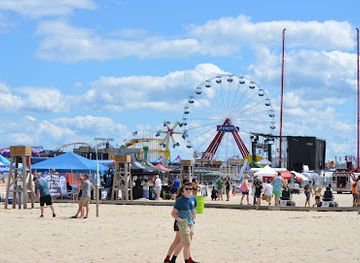
Ocean City’s principal attractions are concentrated around the Atlantic waterfront and the southern end of the barrier island. The Ocean City Boardwalk combines ocean views with arcades, food stalls, miniature golf, amusement rides and the atmosphere of a traditional Mid-Atlantic seaside resort. Trimper’s Rides and Amusements preserves a long-running amusement tradition, while the Ocean City Life-Saving Station Museum explains how shipwreck rescue, fishing and coastal work shaped the town. The beach itself is the central outdoor attraction, offering space for swimming, walking and surfing where conditions and local rules allow. Visitors can also explore bayside marinas, watch fishing boats leave through the Inlet or seek quieter scenery along the island’s northern shoreline. The nearby Ocean City Inlet provides a different perspective on the resort, with jetties, tidal water and anglers. Assateague Island, although outside Ocean City, is a separate regional excursion known for dunes, beaches and wild horses.
-
Tourist attraction
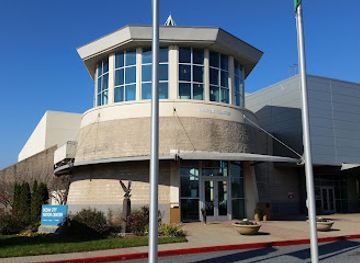
Ocean City, Maryland Visitor Center
Discover Ocean City, Maryland, from its stunning beaches to vibrant attractions at the Visitor Center – your essential guide for an unforgettable coastal experience.
11 min drive · 3.6 km from city centre
-
Arts organization
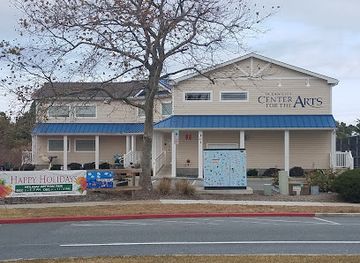
Art League of Ocean City
Discover local artistry at the Art League of Ocean City, a vibrant center for creativity with exhibitions, workshops, and community events.
18 min walk · 1.4 km from city centre
-
Escape room center
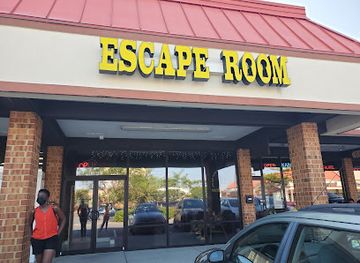
Escapomania Midtown - Escape room
Dive into adventure at Escapomania Midtown, Ocean City's top escape room, where teamwork and thrill combine for an unforgettable experience.
6 min drive · 2.1 km from city centre
-
Escape room center
Trapped - Escape Rooms OCMD
Experience thrilling adventures and mind-bending puzzles at Trapped - Escape Rooms OCMD, a top tourist attraction in Ocean City, Maryland.
9 min drive · 3.0 km from city centre

Best landmarks in Ocean City
The Ocean City Boardwalk is the resort’s defining civic and cultural landmark, representing more than a century of seaside promenades, amusements and public life along the Atlantic shore. At its southern end, the Ocean City Inlet and its jetties reveal the importance of the 1933 storm-created waterway to fishing, boating and coastal engineering. The Ocean City Life-Saving Station Museum, housed in a historic life-saving station building, preserves the memory of maritime rescue and the dangers faced by crews along this coast. Trimper’s historic amusement presence adds another layer to the boardwalk’s long entertainment tradition, while the Ocean City Fishing Pier extends the town’s relationship with the surf and shoreline. The Route 50 bridge is a practical rather than ornamental landmark, but its arrival in 1952 helped turn Ocean City into the large automobile-accessible resort seen today.
-
Tourist attraction
Ocean City, Maryland Visitor Center
Explore Ocean City, Maryland's vibrant beaches and attractions at the convenient Visitor Center, your go-to source for local tips and information.
11 min drive · 3.6 km from city centre
-
Tourist information center
Ocean City Convention & Visitors Bureau
Discover everything Ocean City, Maryland has to offer at the Convention & Visitors Bureau, your go-to source for local attractions, events, and travel tips.
11 min drive · 3.6 km from city centre
Explore Ocean City on the map
Plan your Ocean City trip on one map. See where the top attractions, landmarks, restaurants, bars and hotels are, find what's near where you're staying, and book hotels and experiences in a few clicks.
Best hotels in Ocean City
Best restaurants in Ocean City
Ocean City’s dining scene reflects its position between the Atlantic and the Chesapeake region, with seafood central to many menus. Maryland blue crab, crab cakes, steamed shrimp, oysters, clams and locally styled fish dishes appear in crab houses, waterfront restaurants and casual family eateries, while fried fish, boardwalk snacks and ice cream suit the resort’s easy-going holiday culture. Downtown and the boardwalk are associated with quick bites, pizza, sweets and traditional seaside fare; farther north, Coastal Highway and the bayside districts offer a broad mixture of seafood restaurants, grills, cafés and international cooking. Bayside dining can bring marina views and sunsets, whereas boardwalk establishments trade more on proximity to amusements and the beach. Seasonal businesses are common, so the character and availability of dining can change outside the main summer period.
-
American
Fager's Island
Discover Fager's Island: where exquisite American cuisine meets vibrant nightlife in Ocean City’s stunning bayfront setting.
6 min drive · 1.9 km from city centre
-
Seafood
Ropewalk Ocean City
Experience fresh seafood and vibrant coastal dining at Ropewalk Ocean City - where every bite takes you closer to the sea!
11 min walk · 0.9 km from city centre
-
Grill
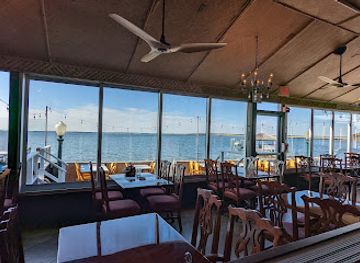
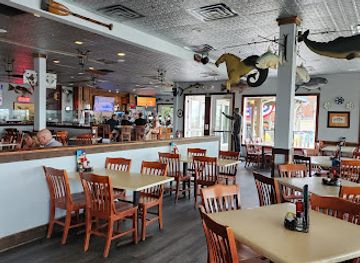
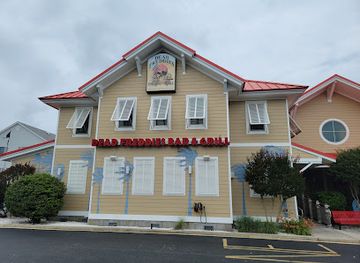
Dead Freddies Island Grill
Experience vibrant coastal dining at Dead Freddies Island Grill in Ocean City—where flavor meets fun in a tropical setting.
5 min drive · 1.5 km from city centre
-
Grill
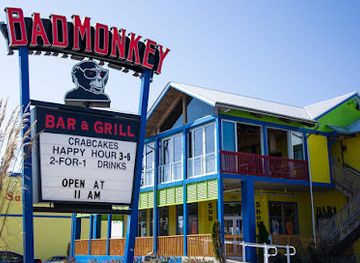
Bad Monkey OC
Discover Bad Monkey OC in Ocean City: A vibrant grill serving fresh breakfast and delightful dishes in a fun beachside setting.
6 min drive · 2.0 km from city centre
Best bars in Ocean City
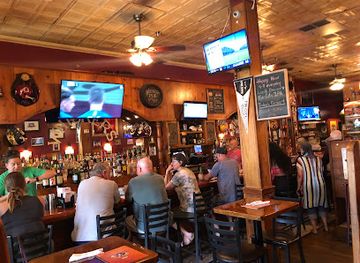
Ocean City’s evening scene ranges from relaxed waterfront drinks and live music to late-night dance venues, particularly during the warmer months. The Boardwalk and downtown offer bars, casual entertainment and amusement activity after dark, while midtown and northern Coastal Highway contain larger nightlife venues, restaurants with music and bayside establishments. Seacrets and Fager’s Island are long-established names associated with the resort’s nightlife, although individual schedules, age policies and seasonal operations vary. Live bands, DJs, karaoke and outdoor performance spaces are common parts of the summer entertainment calendar, while quieter evenings can be spent around a marina or at a theatre and concert event. Visitors should plan transport carefully, respect local alcohol regulations and remember that the town’s atmosphere becomes substantially calmer outside the peak season.
-
Grill
Seacrets
Experience the vibrant atmosphere and Caribbean flavors at Seacrets, Ocean City's premier beachfront grill and entertainment venue.
8 min drive · 2.8 km from city centre
-
Grill
Big Pecker's Bar & Grill
Experience Ocean City's lively dining scene at Big Pecker's Bar & Grill, offering delicious grilled dishes and refreshing drinks in a vibrant atmosphere.
11 min walk · 0.9 km from city centre
-
Restaurant
45th Street Taphouse Bar & Grille
Experience the vibrant culinary scene at 45th Street Taphouse Bar & Grille, offering delicious food and a wide selection of local craft beers in Ocean City.
9 min drive · 3.1 km from city centre
-
Grill
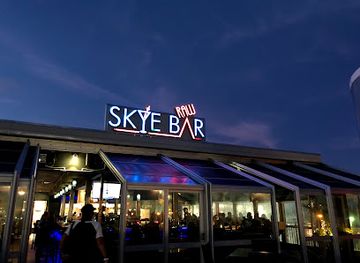
Skye Bar & Grille
Discover the perfect blend of coastal cuisine and lively entertainment at Skye Bar & Grille in Ocean City, MD.
17 min walk · 1.3 km from city centre

Best nightclubs in Ocean City
Ocean City’s evening scene ranges from relaxed waterfront drinks and live music to late-night dance venues, particularly during the warmer months. The Boardwalk and downtown offer bars, casual entertainment and amusement activity after dark, while midtown and northern Coastal Highway contain larger nightlife venues, restaurants with music and bayside establishments. Seacrets and Fager’s Island are long-established names associated with the resort’s nightlife, although individual schedules, age policies and seasonal operations vary. Live bands, DJs, karaoke and outdoor performance spaces are common parts of the summer entertainment calendar, while quieter evenings can be spent around a marina or at a theatre and concert event. Visitors should plan transport carefully, respect local alcohol regulations and remember that the town’s atmosphere becomes substantially calmer outside the peak season.
-
Grill
Seacrets
Experience the vibrant Caribbean atmosphere at Seacrets in Ocean City, where delicious food and lively nightlife create unforgettable memories.
8 min drive · 2.8 km from city centre
-
Gay bar
Leons At The Beach
Explore the vibrant atmosphere of Leons At The Beach, a top gay bar and restaurant in Ocean City, Maryland, combining delicious food with lively nightlife.
9 min drive · 3.0 km from city centre
-
Night club
Ocean Club Night Club
Dive into Ocean Club Night Club's vibrant nightlife in Ocean City, MD – where dancing, drinks, and ocean views create unforgettable memories.
6 min drive · 2.1 km from city centre


Best shops in Ocean City
Shopping in Ocean City is closely tied to its holiday-resort character. The Boardwalk is lined with souvenir shops, beachwear outlets, candy counters, T-shirt stores, novelty businesses and small retailers selling family keepsakes, while the downtown streets provide additional casual shopping within walking distance of the amusements. Along Coastal Highway, visitors find larger shopping centres, surf and beach specialists, convenience stores, galleries, gift shops and independent businesses serving both residents and seasonal visitors. Gold Coast Mall is one of the established northern commercial centres, with retail and services away from the beachfront. Practical purchases include swimwear, beach equipment, local food gifts and Maryland-themed products; visitors seeking artisan goods should look beyond purely novelty-focused shops for galleries and craft retailers. Retail hours and the mix of seasonal businesses can vary outside summer.
-
Shopping mall
Gold Coast Mall
Discover a diverse array of shops and dining at Gold Coast Mall, the ultimate shopping destination in Ocean City, Maryland.
8 min drive · 2.6 km from city centre
-
Shopping mall
Ocean City Square Shopping Center
Discover the vibrant Ocean City Square Shopping Center, the ultimate destination for shopping, dining, and family fun in Ocean City, Maryland.
9 min drive · 3.0 km from city centre
-
Department store
T.J. Maxx
Uncover unbeatable deals on fashion and home goods at T.J. Maxx in Ocean City, MD – a shopper's paradise awaits!
8 min drive · 2.5 km from city centre
-
Gift shop
Patty Jean's Boutique
Explore Patty Jean's Boutique in Ocean City for unique gifts, trendy fashion accessories, and women's clothing that embody coastal charm.
15 min walk · 1.2 km from city centre


Get your free copy of our complete guide to Ocean City, delivered straight to you.
Everything on this page, from attractions and restaurants to essentials and local phrases, in one PDF you can read offline, print or share.
Already have an account? Sign in
Your Ocean City guide is ready.
We'll send it to · Not you? Sign out

Getting your guide ready…
We are putting together a fresh copy of the Ocean City guide. This can take up to a minute.
This can take a few moments. If your browser asks, choose Allow so the download can start. You'll find the guide in your Downloads folder.
Nothing happened? Download it again
Sorry, the guide is taking longer than usual. Please try again in a minute, or get it by email instead.
Ocean City essentials
Currency and Payment
Safety
Emergency Situations
Do's and Don'ts
Local Tips
From Eve
Local phrases worth knowing
You don't need to get them perfect. A few words go a long way, and locals appreciate the effort.
Basics
| English | Local | Say it |
|---|---|---|
| Hello | Hey | [hey] |
| Goodbye | See ya | [see ya] |
| Yes | Yep | [yep] |
| No | Nah | [nah] |
| Please/You're welcome | Please/No problem | [please/no problem] |
| Thank you | Thanks | [thanks] |
| Excuse me/Sorry | Excuse me/My bad | [excuse me/my bad] |
| How are you? | How you doing? | [how you doing?] |
| Fine. And you? | Good. You? | [good. you?] |
| Do you speak English? | You speak English? | [you speak English?] |
| I don't understand | I don't get it | [I don't get it] |
Eating & Drinking
| English | Local | Say it |
|---|---|---|
| I'd like to see the menu, please | Menu, please | [menu, please] |
| I don't eat meat | No meat for me | [no meat for me] |
| Cheers! | Bottoms up! | [bottoms up!] |
| I would like to pay, please | Check, please | [check, please] |
Emergencies
| English | Local | Say it |
|---|---|---|
| Help! | Help! | [help!] |
| Go away! | Leave me alone! | [leave me alone!] |
| Call the Police! | Call the cops! | [call the cops!] |
| Call a doctor! | Get a doctor! | [get a doctor!] |
| I'm lost | Lost | [lost] |
| I'm ill | Sick | [sick] |
Shopping
| English | Local | Say it |
|---|---|---|
| I'd like to buy... | I want to buy... | [I want to buy...] |
| I'm just looking | Just looking | [just looking] |
| How much is it? | How much? | [how much?] |
| That's too expensive | Too pricey | [too pricey] |
| Can you lower the price? | Can you do better? | [can you do better?] |
Time & Numbers
| English | Local | Say it |
|---|---|---|
| What time is it? | What time is it? | [what time is it?] |
| It's one o'clock | It's one | [it's one] |
| Half past (10) | Ten thirty | [ten thirty] |
| Morning | Morning | [morning] |
| Afternoon | Afternoon | [afternoon] |
| Evening | Evening | [evening] |
| Yesterday | Yesterday | [yesterday] |
| Today | Today | [today] |
| Tomorrow | Tomorrow | [tomorrow] |
| 1 | One | [one] |
| 2 | Two | [two] |
| 3 | Three | [three] |
| 4 | Four | [four] |
| 5 | Five | [five] |
| 6 | Six | [six] |
| 7 | Seven | [seven] |
| 8 | Eight | [eight] |
| 9 | Nine | [nine] |
| 10 | Ten | [ten] |
Transport & Directions
| English | Local | Say it |
|---|---|---|
| Where's a/the...? | Where is...? | [where is...?] |
| What's the address? | What's the address? | [what's the address?] |
| Can you show me (on the map)? | Can you show me (on the map)? | [can you show me (on the map)?] |
| When's the next (bus)? | When's the next (bus)? | [when's the next (bus)?] |
| A ticket (to ....) | A ticket (to ....) | [a ticket (to ....)] |
History of Ocean City
Coastal Beginnings and Indigenous Landscapes
The barrier island and mainland shores around present-day Ocean City were used by Indigenous peoples long before the resort was established. The coastal environment offered fish, shellfish, waterfowl and access between the bays and Atlantic Ocean, while the wider region later became part of Maryland’s Eastern Shore agricultural and maritime economy. European settlement developed on the mainland and nearby islands before the oceanfront became a significant holiday destination. For centuries, the exposed shore was valued more for fishing, hunting and navigation than for permanent urban settlement, and its shifting dunes and inlets continued to shape how people travelled and worked along the coast.
The Resort Takes Shape
Ocean City’s modern development began in the nineteenth century, when improved transport and growing interest in seaside recreation brought visitors to the Atlantic shore. The Atlantic Hotel opened in 1875, helping establish the settlement as a resort, and Ocean City was incorporated in 1880. Hotels, boarding houses and bathing facilities followed as visitors arrived from Baltimore, Washington and communities across the Mid-Atlantic. Early tourism was closely tied to the beach, fishing and the perceived health benefits of sea air. The town’s identity emerged through a combination of seasonal hospitality, maritime work and the practical challenges of building on a narrow, storm-exposed island.
The Boardwalk and Amusement Culture
A boardwalk was established in the early twentieth century as Ocean City’s beachfront expanded into a formal resort setting. It offered visitors a defined route beside the ocean and created space for hotels, shops, food concessions and amusements. Over time, rides, arcades and family entertainment became central to the town’s image, particularly around the southern end near the Inlet. The boardwalk’s present character developed through repeated rebuilding and adaptation, since sections have been damaged by storms and altered as the shoreline changed. Its continuing role as a place for strolling, entertainment and public gathering reflects the resort traditions formed during Ocean City’s early growth.
The Inlet and a Changing Coastline
Ocean City’s geography was transformed by the 1933 Chesapeake–Potomac hurricane, which cut an inlet through the southern end of the barrier island. The opening created a direct connection between the Atlantic Ocean and the bay system, changing tidal patterns and strengthening the town’s position as a centre for fishing and boating. Engineers later stabilised the inlet and built jetties, producing the familiar coastal landscape around the Ocean City Inlet. The town’s history therefore cannot be separated from storms, erosion and shoreline management: the same forces that threaten buildings and beaches have also shaped its harbour, fishing economy and recreational appeal.
Automobile Tourism and Modern Expansion
Improved roads and post-war car ownership transformed Ocean City from a primarily seasonal hotel resort into a large regional holiday destination. The opening of the Route 50 bridge in 1952 made access from the mainland easier and supported rapid expansion along the island. Hotels, motels, apartment buildings, restaurants, shops and marinas spread north from the historic centre, while the boardwalk retained its older concentration of amusements. The resort also grew as a base for recreational fishing, boating and watersports. This expansion created the long, linear town visible today, with a compact historic southern end and increasingly dispersed commercial and residential districts to the north.
Storms, Preservation and Contemporary Ocean City
Major storms, including the destructive 1962 Ash Wednesday storm, repeatedly tested Ocean City’s buildings, dunes and boardwalk. Public investment in beach nourishment, dune protection, storm planning and coastal engineering became essential to the resort’s survival, although shoreline management remains an ongoing issue. At the same time, the town has preserved elements of its maritime and recreational past through institutions such as the Ocean City Life-Saving Station Museum and through the continued care of the boardwalk. Contemporary Ocean City combines a large seasonal visitor economy with fishing, hospitality, year-round residents and a coastal landscape whose character is still shaped by weather and water.
Ocean City in Photos
Browse through our photo collection highlighting the charm and character of the destination.
Cities near Ocean City
The closest cities to Ocean City, if you have time for more than one stop.
-

-

-

-

-


Swipe for more cities
Explore more

Explore more of Maryland
Discover Maryland, where coastal charm meets rich history and outdoor adventure. Experience the best of the East Coast in this small but diverse state.
Explore Maryland