

Free Waldorf Travel Guide & Mobile App
Plan your Waldorf trip with Evendo. Get free guides to top attractions, restaurants, hotels, and bars. Web access or download the mobile app.


Waldorf, Maryland blends Southern Maryland history, suburban shopping, local parks and easy access to Washington, D.C., the Potomac and Chesapeake country.
A Suburban Centre in Southern Maryland
Waldorf lies in Charles County, south of Washington, D.C., where broad commercial corridors and expanding residential communities meet the older landscapes of Southern Maryland. Although it is an unincorporated community rather than an incorporated city, Waldorf functions as the county’s principal shopping, dining and service centre. US Route 301 runs through the area, linking it with Washington, the Potomac River communities and the rural roads of Charles County.Read more about Waldorf
Local History and Heritage
Modern Waldorf and Its Surroundings
When is the best time to visit Waldorf?
Best: May, September–October · 21–27°C| Month | High (°C) | Rainfall (mm) |
|---|---|---|
| January | 6 | 76 |
| February | 8 | 66 |
| March | 13 | 89 |
| April | 18 | 89 |
| May (best) | 24 | 102 |
| June | 29 | 102 |
| July | 32 | 114 |
| August | 31 | 114 |
| September (best) | 27 | 102 |
| October (best) | 21 | 89 |
| November | 14 | 76 |
| December | 9 | 76 |
Getting to and around Waldorf
How to get there
Transportation
Best attractions in Waldorf
Waldorf’s attractions reflect its role as a suburban centre with important heritage sites nearby rather than a compact tourist district. The Dr Samuel Mudd House Museum, in a rural part of Waldorf, preserves the home of the physician who treated John Wilkes Booth after Lincoln’s assassination and provides historical interpretation within the actual landscape of the episode. Regency Furniture Stadium offers local baseball and community events, while Waldorf Urban Park provides open lawns, walking paths and recreation within the developed area. St Charles Towne Center is the principal destination for mainstream shopping, dining and indoor leisure. Beyond Waldorf, Port Tobacco’s historic setting and Thomas Stone National Historic Site offer significant excursions, but they are separate communities in Charles County rather than city attractions. Together, these places show the contrast between Southern Maryland’s agricultural past, its Civil War associations and its contemporary suburban life.
-
Park
National Mall
Discover the National Mall in Washington, DC, where iconic monuments and rich history come together in a breathtaking park experience.
53 min drive · 33 km from city centre
-
Natural history museum
Smithsonian National Museum of Natural History
Discover the natural wonders and scientific marvels at the Smithsonian National Museum of Natural History, a must-visit attraction in Washington, D.C.
53 min drive · 33 km from city centre
-
National museum
Smithsonian National Air and Space Museum
Discover the wonders of aviation and space at the Smithsonian National Air and Space Museum in Washington, D.C., a must-visit for travelers and science enthusiasts alike.
52 min drive · 32 km from city centre
-
National museum
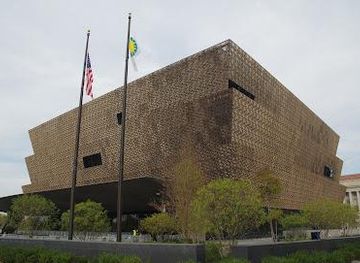
National Museum of African American History and Culture
Discover the profound history and culture at the National Museum of African American History and Culture, a must-visit in Washington, D.C.
53 min drive · 33 km from city centre


Best landmarks in Waldorf
The Dr Samuel Mudd House is Waldorf’s defining historic landmark, a nineteenth-century farmhouse associated with the physician who treated John Wilkes Booth in April 1865; its importance lies in the preserved setting and the complicated national history attached to the property. In the wider Charles County landscape, Thomas Stone National Historic Site in nearby Port Tobacco commemorates a signer of the Declaration of Independence and represents the region’s colonial and Revolutionary-era heritage, while Christ Church-Port Tobacco Parish reflects the area’s long Anglican history. These sites are outside the built-up centre of Waldorf and should not be confused with local urban landmarks. Within contemporary Waldorf, Regency Furniture Stadium and the planned St Charles development are prominent civic and community reference points, illustrating the shift from tobacco country to a modern suburban centre.
-
Memorial park
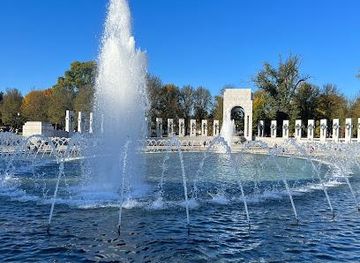
World War II Memorial
Explore the World War II Memorial in Washington, D.C.: A moving tribute to the valor and sacrifice of America's heroes.
53 min drive · 33 km from city centre
-
Memorial
President John F. Kennedy Memorial
Visit the President John F. Kennedy Memorial for a serene reflection on the legacy of JFK and his contributions to America in a picturesque setting.
53 min drive · 33 km from city centre
-
Shopping mall
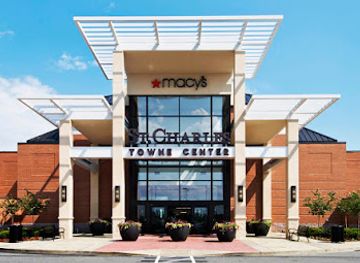
St. Charles Towne Center
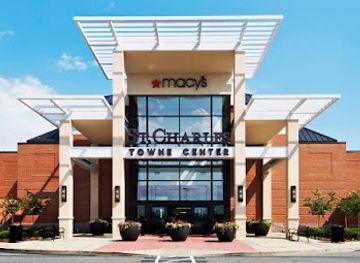
Discover fashion, dining, and entertainment at St. Charles Towne Center in Waldorf, Maryland—your ultimate shopping experience awaits!
14 min walk · 1.1 km from city centre
Explore Waldorf on the map
Plan your Waldorf trip on one map. See where the top attractions, landmarks, restaurants, bars and hotels are, find what's near where you're staying, and book hotels and experiences in a few clicks.
Best hotels in Waldorf
Best restaurants in Waldorf
Waldorf’s dining scene follows its role as a diverse regional service centre, with independent restaurants, national chains, family-run eateries and casual dining concentrated along US Route 301, Crain Highway and the St Charles area. Southern Maryland flavours appear alongside broader American, Caribbean, Latin American and Asian cuisines, reflecting the community’s varied population. Seafood is a natural presence, with Chesapeake traditions influencing menus even when restaurants take a contemporary approach; regional favourites may include blue crab, crab cakes, oysters and other locally familiar preparations. Southern Maryland stuffed ham, a seasoned ham dish associated especially with the region’s holiday and community cooking, is another tradition to look for during seasonal events or at specialist establishments. Bakeries, coffee shops, carry-outs and buffet-style restaurants add practical everyday choices, while nearby farmers and roadside sellers may offer produce when in season.
-
American
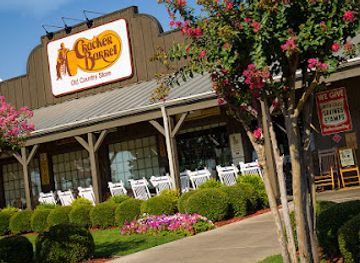
Cracker Barrel Old Country Store
Discover Southern flavors at Cracker Barrel Old Country Store in Waldorf - where every meal feels like home.
9 min walk · 0.7 km from city centre
-
Irish pub
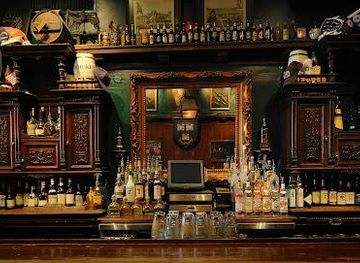
The Dubliner Restaurant
Authentic Irish pub heartbeat of Capitol Hill: live music, hearty shepherd's pies, frothy Guinness, and wood-paneled warmth capturing Dublin's spirit amid DC's historic hum.
53 min drive · 33 km from city centre
-
Breakfast
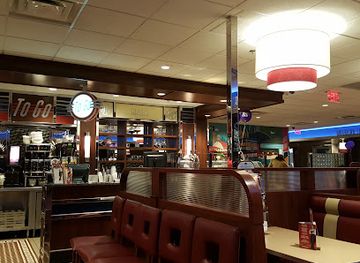
Silver Diner
Experience delightful American cuisine at Silver Diner in Waldorf – perfect for families and food enthusiasts seeking breakfast or brunch!
7 min drive · 2.3 km from city centre
-
Italian
Olive Garden Italian Restaurant
Experience the essence of Italy at Olive Garden in Waldorf with authentic flavors, family-friendly ambiance, and exceptional service.
7 min walk · 0.6 km from city centre
Best bars in Waldorf
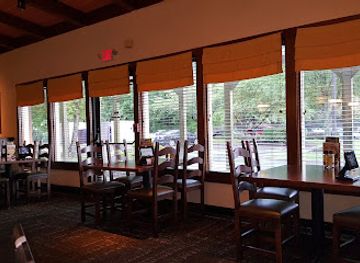
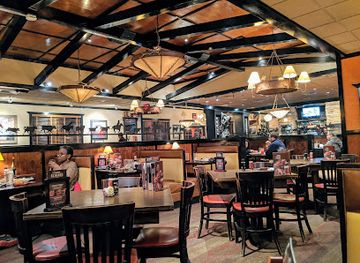
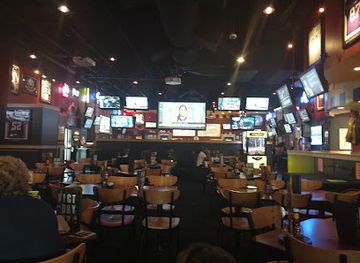
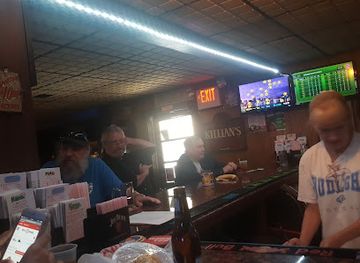
Waldorf’s evening scene is primarily suburban and social rather than concentrated in a famous club district. Restaurants with bars, neighbourhood pubs, sports bars and lounges provide the main opportunities for drinks and informal gatherings, particularly around the commercial corridors and larger shopping areas. Regency Furniture Stadium can create a livelier atmosphere during baseball games and community events, while cinemas and other entertainment venues offer alternatives to nightlife centred on alcohol. The area has fewer late-night clubs than central Washington or Baltimore, and venues can be widely separated, making a car or arranged ride useful. Live music and special events may appear at individual establishments or community facilities, but programming changes over time. Visitors should observe Maryland’s drinking laws, carry suitable identification and use a designated driver or other safe transport after drinking.
-
Steak
LongHorn Steakhouse
Experience the best of American dining at LongHorn Steakhouse in Waldorf, where flavorful steaks and a warm atmosphere await every hungry traveler.
18 min walk · 1.5 km from city centre
-
Bar
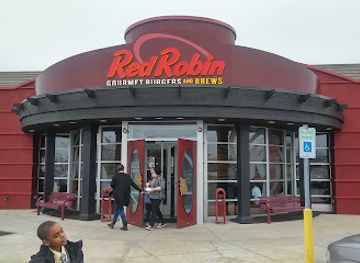
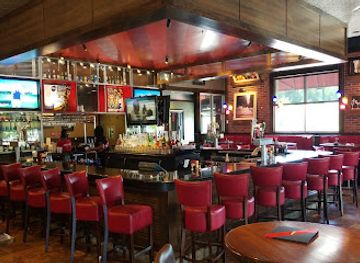
Red Robin Gourmet Burgers and Brews
Indulge in gourmet burgers and brews at Red Robin, the family-friendly American restaurant in Waldorf, Maryland, perfect for a satisfying meal.
7 min drive · 2.2 km from city centre
-
Restaurant
TGI Fridays
Experience the vibrant atmosphere and delicious American cuisine at TGI Fridays in Waldorf, MD, perfect for casual dining and sports fans alike.
6 min drive · 1.9 km from city centre
-
Chicken Wings
Buffalo Wild Wings
Experience the thrill of sports and the taste of delicious wings at Buffalo Wild Wings in Waldorf, Maryland.
10 min walk · 0.8 km from city centre
Best nightclubs in Waldorf
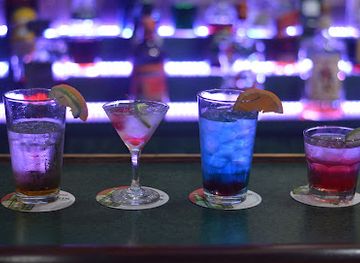
Waldorf’s evening scene is primarily suburban and social rather than concentrated in a famous club district. Restaurants with bars, neighbourhood pubs, sports bars and lounges provide the main opportunities for drinks and informal gatherings, particularly around the commercial corridors and larger shopping areas. Regency Furniture Stadium can create a livelier atmosphere during baseball games and community events, while cinemas and other entertainment venues offer alternatives to nightlife centred on alcohol. The area has fewer late-night clubs than central Washington or Baltimore, and venues can be widely separated, making a car or arranged ride useful. Live music and special events may appear at individual establishments or community facilities, but programming changes over time. Visitors should observe Maryland’s drinking laws, carry suitable identification and use a designated driver or other safe transport after drinking.
-
Grill
THE CUT BAR & RESTAURANT
Savor the finest grilled dishes and handcrafted cocktails at The Cut Bar & Restaurant in Waldorf, MD – perfect for any occasion!
12 min drive · 3.9 km from city centre
-
Cigar shop
Invictus II Cigars
Discover a world of premium cigars and relaxing vibes at Invictus II Cigars in Waldorf, Maryland.
19 min drive · 6.3 km from city centre
-
Hookah bar
Society Hookah Lounge & Bar
Discover the ultimate hookah experience at Society Hookah Lounge & Bar in Waldorf, Maryland, where vibrant nightlife and cultural flavors unite.
11 min drive · 3.5 km from city centre
-
Bar
Bunker Hill Liquor Store and Tavern
Discover the lively charm of Bunker Hill Liquor Store and Tavern in Waldorf, MD, where great drinks meet unforgettable local experiences.
20 min drive · 6.5 km from city centre
Best shops in Waldorf
Shopping in Waldorf is concentrated in suburban retail districts rather than an old-fashioned main street. St Charles Towne Center is the area’s principal enclosed shopping destination, with a broad selection of mainstream retailers and services, while the US 301 and Crain Highway corridors contain additional shops, restaurants, furniture outlets and everyday commercial facilities. Independent businesses and specialist stores are spread through these districts rather than gathered in one historic quarter. Visitors seeking regional flavour can look for Maryland food products, Chesapeake-themed gifts, locally made crafts and seasonal produce, although Waldorf is better known for practical retail than for a large artisan market. For antiques and heritage-oriented finds, the older communities and rural roads around Charles County may offer more character, but stock and opening arrangements vary. Sales tax is added at the till, as is standard in Maryland.
-
Shopping mall
L'Enfant Plaza
Explore L'Enfant Plaza, a premier shopping and dining destination in Washington, DC, offering diverse cuisines and a vibrant atmosphere for all visitors.
52 min drive · 32 km from city centre
-
Shopping mall
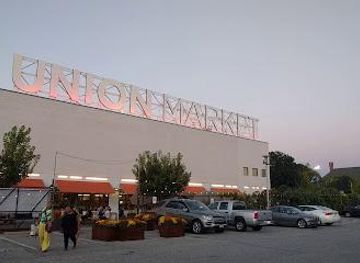
Union Market
Explore the vibrant Union Market in Washington, D.C., a culinary haven offering diverse food options, unique shops, and a lively community atmosphere.
54 min drive · 34 km from city centre
-
Shopping mall
CityCenterDC
Discover CityCenterDC, Washington D.C.'s premier shopping destination with luxury stores, diverse dining, and vibrant cultural events.
54 min drive · 34 km from city centre
-
Shopping mall
St. Charles Towne Center
Discover a vibrant shopping experience at St. Charles Towne Center, featuring top brands, diverse dining, and family-friendly entertainment in Waldorf, MD.
14 min walk · 1.1 km from city centre


Get your free copy of our complete guide to Waldorf, delivered straight to you.
Everything on this page, from attractions and restaurants to essentials and local phrases, in one PDF you can read offline, print or share.
Already have an account? Sign in
Your Waldorf guide is ready.
We'll send it to · Not you? Sign out

Getting your guide ready…
We are putting together a fresh copy of the Waldorf guide. This can take up to a minute.
This can take a few moments. If your browser asks, choose Allow so the download can start. You'll find the guide in your Downloads folder.
Nothing happened? Download it again
Sorry, the guide is taking longer than usual. Please try again in a minute, or get it by email instead.
Waldorf essentials
Currency and Payment
Safety
Emergency Situations
Do's and Don'ts
Local Tips
From Eve
Local phrases worth knowing
You don't need to get them perfect. A few words go a long way, and locals appreciate the effort.
Basics
| English | Local | Say it |
|---|---|---|
| Hello | Hey there | [hey dher] |
| Goodbye | See ya | [see yuh] |
| Yes | Yup | [yuhp] |
| No | Nah | [nah] |
| Please/You're welcome | Please/No problem | [pleez/no probluhm] |
| Thank you | Thanks | [thanks] |
| Excuse me/Sorry | Pardon me/My bad | [pahrdn me/my bad] |
| How are you? | How ya doin'? | [how yuh doin] |
| Fine. And you? | I'm good. You? | [ahm good. yuh?] |
| Do you speak English? | Ya speak English? | [yuh speak ing-glish] |
| I don't understand | I don't get it | [ah don't get it] |
Eating & Drinking
| English | Local | Say it |
|---|---|---|
| I'd like to see the menu, please | Can I check the menu? | [kan eye chek thuh menu] |
| I don't eat meat | I'm vegetarian | [ahm veh-jih-tair-ee-uhn] |
| Cheers! | Cheers! | [cheers] |
| I would like to pay, please | Can I settle the bill? | [kan eye set-l thuh bil] |
Emergencies
| English | Local | Say it |
|---|---|---|
| Help! | Help! | [help] |
| Go away! | Scram! | [skram] |
| Call the Police! | Call the Cops! | [call thuh cops] |
| Call a doctor! | Get a doc! | [get uh doc] |
| I'm lost | I'm all turned around | [ahm all turnd uh-round] |
| I'm ill | I'm under the weather | [ahm under thuh weh-thur] |
Shopping
| English | Local | Say it |
|---|---|---|
| I'd like to buy... | I wanna buy... | [ah wanna buy] |
| I'm just looking | Just browsing | [just bro-zing] |
| How much is it? | What's the price? | [whats thuh price] |
| That's too expensive | That's steep | [thats steep] |
| Can you lower the price? | Can ya drop the price? | [kan yuh drop thuh price] |
Time & Numbers
| English | Local | Say it |
|---|---|---|
| What time is it? | What's the time? | [whats thuh time] |
| It's one o'clock | It's one | [its one] |
| Half past (10) | Ten thirty | [ten thur-tee] |
| Morning | Mornin' | [mornin] |
| Afternoon | Afternoon | [afternoon] |
| Evening | Evenin' | [evenin] |
| Yesterday | Yest'day | [yest-day] |
| Today | Today | [today] |
| Tomorrow | T'morrow | [tuh-mor-row] |
| 1 | One | [wuhn] |
| 2 | Two | [too] |
| 3 | Three | [three] |
| 4 | Four | [four] |
| 5 | Five | [five] |
| 6 | Six | [six] |
| 7 | Seven | [seven] |
| 8 | Eight | [eight] |
| 9 | Nine | [nine] |
| 10 | Ten | [ten] |
Transport & Directions
| English | Local | Say it |
|---|---|---|
| Where's a/the...? | Where's the...? | [wheres thuh] |
| What's the address? | What's the addy? | [whats thuh add-ee] |
| Can you show me (on the map)? | Can ya point it out? | [kan yuh point it out] |
| When's the next (bus)? | When's the next bus? | [whens thuh next bus] |
| A ticket (to ....) | A pass (to ....) | [uh pass tuh] |
History of Waldorf
Tobacco Farms and Early Settlement
The Waldorf area formed part of Charles County’s agricultural landscape, where English colonial settlement, enslaved labour and tobacco cultivation shaped the economy for generations. Farms and small crossroads developed among the creeks and wooded uplands south of the Potomac, while nearby Port Tobacco served as an important colonial port and county centre. The community that later became known as Waldorf did not begin as a formally planned city; it emerged from this rural pattern of farms, roads, churches and local commerce. The region’s surviving historic houses, churches and archaeological sites reflect both the wealth created by tobacco and the profound social inequalities that supported plantation agriculture.
The Railroad and the Name Waldorf
Waldorf gained a stronger identity in the nineteenth century as rail connections improved access to Washington and other Southern Maryland communities. A post office was established under the name Waldorf in 1872, generally associated with Walldorf in the German state of Baden, although the community’s development remained tied to the surrounding farms rather than to a dense urban settlement. Rail transport helped local producers move agricultural goods and gave residents a more direct connection with the capital. The line and stations also encouraged the growth of stores, services and modest commercial activity around the settlement, creating the framework for the later suburban centre.
The Mudd House and National Crisis
Waldorf’s most internationally recognised historical association comes from the Dr Samuel Mudd House, where physician Samuel Mudd treated John Wilkes Booth after Booth and David Herold fled Washington following Abraham Lincoln’s assassination on 14 April 1865. Mudd was later convicted of conspiracy, though President Andrew Johnson pardoned him in 1869. The house and its surrounding property preserve the setting in which this disputed and consequential episode unfolded. The site does not represent the whole history of Waldorf, but it connects the community to the Civil War’s aftermath, the national pursuit of Lincoln’s assassin and the contested legal consequences for people linked to the escape.
From Farming Community to Suburb
For much of the early twentieth century, the Waldorf area remained predominantly rural, with tobacco, dairy farming and small local businesses defining everyday life. Wider changes after the Second World War altered that pattern. Improved roads, rising car ownership and the expansion of the Washington metropolitan area brought new residents and commercial development into Charles County. US Route 301 became an important north-south corridor, and housing estates began replacing portions of the agricultural landscape. Waldorf’s transition was gradual but substantial: the settlement increasingly served as a commuter community and regional service centre while retaining pockets of farmland and older rural roads.
Contemporary Charles County Centre
Late twentieth- and early twenty-first-century Waldorf was shaped by planned residential communities, schools, retail complexes and public facilities, particularly around the St Charles development and the US 301 corridor. The community’s population and commercial importance grew as households seeking more space moved south from Washington and Prince George’s County. This expansion brought a more diverse population and a broad range of restaurants, services and community organisations. Modern Waldorf therefore combines suburban infrastructure with reminders of Southern Maryland’s rural and colonial past, while the nearby historic areas of Port Tobacco and the wider Potomac landscape provide context for the transformations visible in the community today.
Waldorf in Photos
Browse through our photo collection highlighting the charm and character of the destination.
Cities near Waldorf
The closest cities to Waldorf, if you have time for more than one stop.
-

-

-

-

-


Swipe for more cities
Explore more

Explore more of Maryland
Discover Maryland, where coastal charm meets rich history and outdoor adventure. Experience the best of the East Coast in this small but diverse state.
Explore Maryland