

Free Laurel Travel Guide & Mobile App
Plan your Laurel trip with Evendo. Get free guides to top attractions, restaurants, hotels, and bars. Web access or download the mobile app.


Laurel, Maryland blends mill-town history, Main Street architecture, museums, parks and Patuxent landscapes between Washington, DC and Baltimore.
A Mill Town Between Two Cities
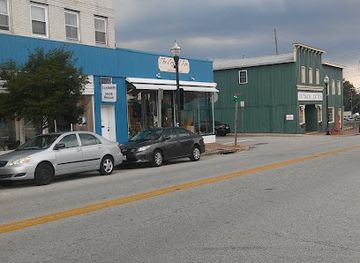
Laurel occupies a strategic position between Washington, DC and Baltimore, yet its character is distinct from both. The city grew along the Patuxent River around the former Laurel cotton mill, whose industrial legacy shaped the compact centre and gave Laurel its name. Today, historic Main Street combines late nineteenth- and early twentieth-century commercial buildings with restaurants, independent shops and civic institutions, while the surrounding neighbourhoods extend across a wooded landscape in Prince George’s County.Read more about Laurel
Heritage Along Main Street
Wildlife, Science and Open Space
When is the best time to visit Laurel?
Best: May–June, September · 24–28°C| Month | High (°C) | Rainfall (mm) |
|---|---|---|
| January | 6 | 75 |
| February | 7 | 70 |
| March | 12 | 89 |
| April | 19 | 84 |
| May (best) | 24 | 95 |
| June (best) | 28 | 97 |
| July | 30 | 100 |
| August | 29 | 101 |
| September (best) | 25 | 88 |
| October | 19 | 83 |
| November | 12 | 80 |
| December | 6 | 78 |
Getting to and around Laurel
How to get there
Transportation
Best attractions in Laurel
Laurel’s attractions combine local history with open-air discovery. Main Street provides the most concentrated introduction to the city, with historic commercial buildings and a walkable civic centre leading towards the Laurel Museum, where domestic life, industry and community history are interpreted in a former worker’s home. The historic Laurel MARC station adds a transport dimension to the streetscape. Outside the centre, the National Wildlife Visitor Center at Patuxent Research Refuge explains the region’s habitats, research and wildlife through exhibits and nearby trails. Dinosaur Park, a protected fossil site in the city, offers a very different perspective, linking Laurel to Maryland’s prehistoric past and to ongoing scientific work. Local parks such as Granville Gude Park provide lawns, water and recreational space, while the Patuxent River corridor gives the city a quieter, wooded setting beyond its commercial roads.
-
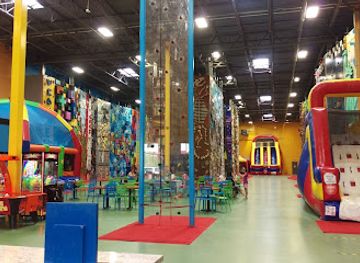
Amusement center
ClimbZone Laurel
Experience the thrill of indoor climbing and adventure sports at ClimbZone Laurel, a family-friendly destination in Maryland that offers fun for everyone.
8 min drive · 2.6 km from city centre
-
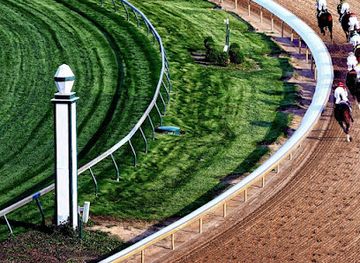
Tourist attraction
Laurel Park
Discover the excitement of live horse racing at Laurel Park, a premier racecourse in Maryland, perfect for tourists and racing enthusiasts alike.
9 min drive · 2.9 km from city centre
-
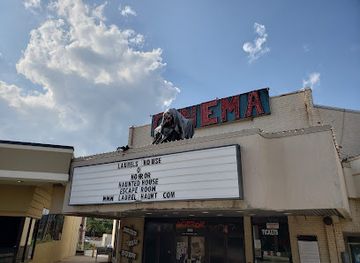
Haunted house
Laurel’s House of Horror
Dive into a terrifying adventure at Laurel's House of Horror, where haunted houses and escape rooms unite for an unforgettable thrill in Maryland.
10 min walk · 0.8 km from city centre
-
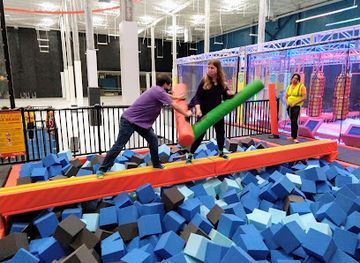
Amusement park
Urban Air Trampoline and Adventure Park
Experience thrilling adventures at Urban Air Trampoline and Adventure Park in Laurel, Maryland, where fun meets fitness for all ages!
7 min drive · 2.3 km from city centre
Best landmarks in Laurel
Laurel’s landmarks express the city’s evolution from river industry to connected suburban community. The Laurel Museum, housed in a former mill-worker residence, is significant not only for its exhibits but also for the way its domestic scale represents the families who supported the industrial town. The historic Laurel MARC station recalls the railway that linked the community with Washington and Baltimore and helped transform local commerce. Main Street’s surviving nineteenth- and early twentieth-century façades form a civic streetscape rather than a single monumental building, revealing the scale of the former mill town. The Patuxent Research Refuge’s National Wildlife Visitor Center represents a later chapter, when the surrounding landscape became important for wildlife conservation and federal research. Dinosaur Park contributes a scientific landmark of another kind, preserving evidence of Maryland’s prehistoric environment within the modern city.
-
Farmers' market
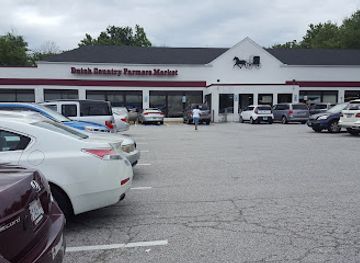
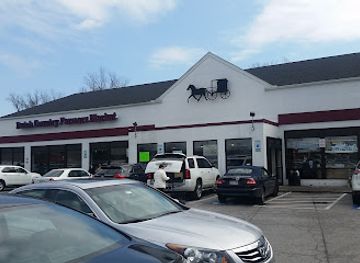
Dutch Country Farmer's Market
Discover fresh produce, artisanal goods, and local delicacies at the Dutch Country Farmer's Market in Laurel, Maryland—an authentic taste of community and tradition.
6 min drive · 2.1 km from city centre
-
Shopping mall
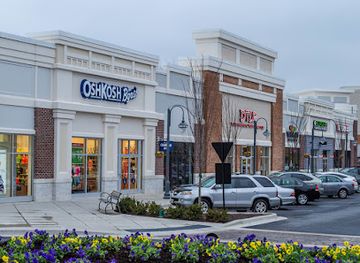
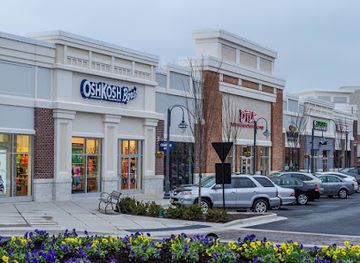
Towne Centre at Laurel
Explore the Towne Centre at Laurel for a unique shopping, dining, and entertainment experience in Maryland that caters to all tastes.
6 min walk · 0.5 km from city centre
-
Shopping mall
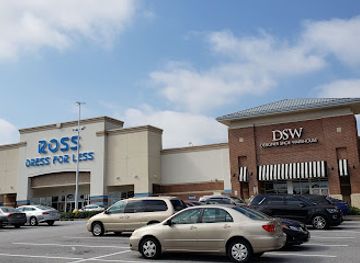
Laurel Shopping Center
Explore the vibrant Laurel Shopping Center in Maryland, where shopping, dining, and fun come together for an unforgettable experience.
9 min walk · 0.7 km from city centre
-
Metaphysical supply store
The Crystal Fox
Explore The Crystal Fox in Laurel, Maryland - your destination for unique metaphysical supplies, crystals, jewelry, and more.
6 min drive · 1.9 km from city centre
Explore Laurel on the map
Plan your Laurel trip on one map. See where the top attractions, landmarks, restaurants, bars and hotels are, find what's near where you're staying, and book hotels and experiences in a few clicks.
Best hotels in Laurel
Best restaurants in Laurel
Laurel’s dining scene reflects its position in the Washington–Baltimore corridor and the diversity of contemporary Prince George’s County. Main Street and nearby commercial areas offer independent restaurants, cafés and casual places to eat, while larger shopping corridors provide a broad selection of international cuisines. Chesapeake influences appear through Maryland crab dishes, crab cakes, fried seafood and the liberal use of Old Bay seasoning, alongside familiar American breakfasts, sandwiches and barbecue. Caribbean, Latin American, South Asian and East Asian cooking add variety shaped by the area’s immigrant communities. Food shopping and everyday dining are generally more important to Laurel’s character than a formal restaurant quarter, with family-run establishments and practical cafés standing alongside newer concepts. Visitors should look beyond the historic centre as well as along it, since Laurel’s most diverse food choices are spread across its suburban commercial landscape.
-
Seafood
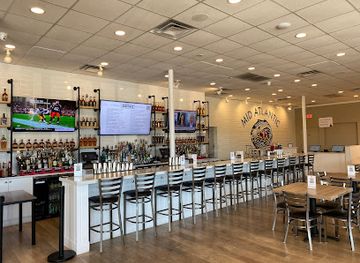
Mid Atlantic Seafood
Experience delectable seafood dishes at Mid Atlantic Seafood in Laurel, Maryland – where coastal flavors meet local charm.
5 min drive · 1.8 km from city centre
-
Tex Mex
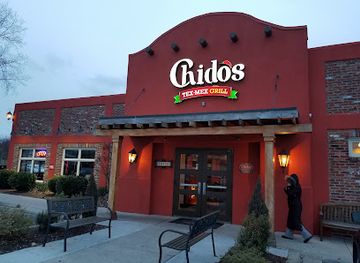
Chido's Tex-Mex Grill
Discover the vibrant taste of Tex-Mex at Chido's Grill in Laurel, where every meal is a fiesta of flavors.
7 min walk · 0.6 km from city centre
-
Italian
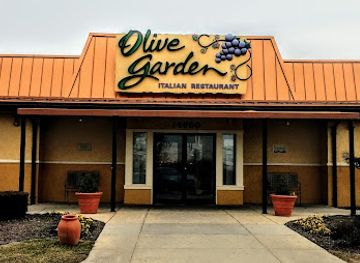
Olive Garden Italian Restaurant
Olive Garden in Laurel: A family-friendly Italian restaurant serving delicious pasta, seafood, and gluten-free options in a warm atmosphere.
6 min walk · 0.5 km from city centre
-
Steak
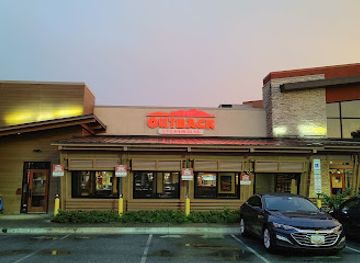
Outback Steakhouse
Discover authentic Australian dining at Outback Steakhouse in Laurel—featuring mouthwatering steaks and vibrant flavors in a welcoming setting.
7 min walk · 0.6 km from city centre
Best bars in Laurel
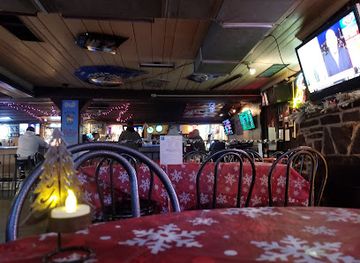
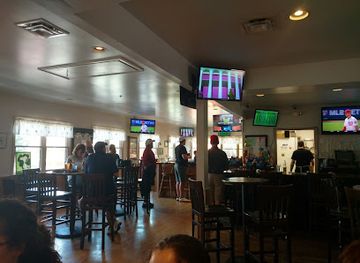
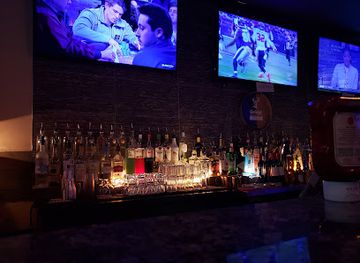
Laurel’s evening scene is relatively modest and dispersed rather than centred on a large nightclub district. Main Street offers the most established setting for an evening out, with restaurants, casual bars and places suited to conversation, while shopping corridors provide additional pubs, lounges and informal meeting spots. The city’s proximity to Washington and Baltimore means that major concerts, theatres and late-night clubs are accessible by regional travel, but Laurel itself is better known for relaxed dining, community events and low-key social evenings than for all-night entertainment. Live music and seasonal performances may appear at local venues or civic spaces, although programmes vary. Drivers should plan carefully if moving between districts, and visitors using alcohol should arrange a taxi, ride service or other sober transport rather than relying on a walkable nightlife network.
-
Bar
Outback Steakhouse
Discover the flavors of the Outback at Outback Steakhouse in Laurel, Maryland, where delicious steaks and a welcoming atmosphere await you.
7 min walk · 0.6 km from city centre
-
Bar
BJ's Restaurant & Brewhouse
Discover BJ's Restaurant & Brewhouse in Laurel, where delicious food, craft beer, and a vibrant atmosphere come together for an unforgettable dining experience.
7 min walk · 0.6 km from city centre
-
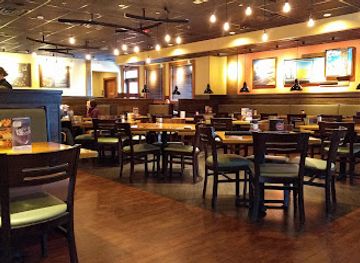
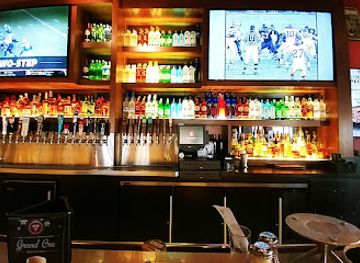
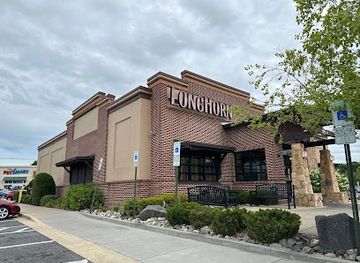
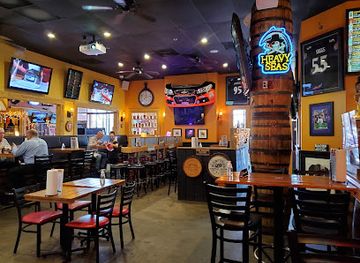
Steak
LongHorn Steakhouse
Experience the ultimate steak dining at LongHorn Steakhouse, where flavor meets tradition in a welcoming atmosphere.
6 min drive · 2.1 km from city centre
-
Grill
Mad Cow Grill
Experience authentic Jamaican flavors at Mad Cow Grill, a delightful Caribbean-inspired restaurant in Laurel, MD, perfect for food lovers and tourists alike.
8 min walk · 0.7 km from city centre
Best nightclubs in Laurel
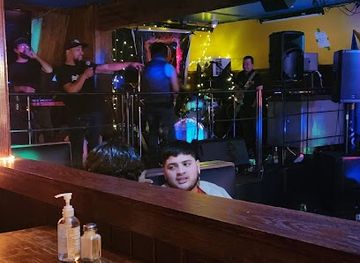
Laurel’s evening scene is relatively modest and dispersed rather than centred on a large nightclub district. Main Street offers the most established setting for an evening out, with restaurants, casual bars and places suited to conversation, while shopping corridors provide additional pubs, lounges and informal meeting spots. The city’s proximity to Washington and Baltimore means that major concerts, theatres and late-night clubs are accessible by regional travel, but Laurel itself is better known for relaxed dining, community events and low-key social evenings than for all-night entertainment. Live music and seasonal performances may appear at local venues or civic spaces, although programmes vary. Drivers should plan carefully if moving between districts, and visitors using alcohol should arrange a taxi, ride service or other sober transport rather than relying on a walkable nightlife network.
-
Bar
Nuzback's Bar
Experience the vibrant nightlife at Nuzback's Bar in Laurel, MD, with its extensive drink menu and inviting atmosphere.
10 min walk · 0.8 km from city centre
-
Gastropub
Oliver's Old Town Tavern
Discover the flavors of Maryland at Oliver's Old Town Tavern, a cozy gastropub in Laurel offering delicious fare and a welcoming atmosphere.
5 min drive · 1.7 km from city centre
-
Grill
The Hideout
Discover the vibrant flavors and lively atmosphere of The Hideout in Laurel, a grill that promises an unforgettable dining experience.
10 min drive · 3.5 km from city centre
-
Restaurant
Paraiso Bar & Grill
Experience vibrant flavors and a lively atmosphere at Paraiso Bar & Grill in Laurel, Maryland.
15 min walk · 1.2 km from city centre
Best shops in Laurel
Shopping in Laurel ranges from small independent businesses on Main Street to practical suburban retail around Route 1 and Laurel Shopping Center. The historic centre is the most atmospheric place to browse locally oriented shops, cafés, services and occasional specialist retailers, with older buildings giving the experience a stronger sense of place than a conventional mall. Larger commercial areas provide clothing, groceries, household goods and everyday American retail, while the city’s diverse population is reflected in international food shops and specialist ingredients. Suitable regional purchases include Maryland seafood products, Old Bay seasoning, local sweets and Chesapeake-themed gifts, although availability varies by shop. Laurel is not chiefly a luxury-shopping destination; its appeal lies in combining neighbourhood commerce, independent businesses and useful retail with the opportunity to explore a historic main street.
-
Farmers' market
Dutch Country Farmer's Market
Discover fresh produce, homemade delights, and local crafts at Dutch Country Farmer's Market in Laurel, MD for an authentic taste of Maryland culture.
6 min drive · 2.1 km from city centre
-
Shopping mall
Towne Centre at Laurel
Experience the best of shopping, dining, and entertainment at Towne Centre at Laurel, the ultimate destination in Maryland for tourists and locals alike.
6 min walk · 0.5 km from city centre
-
Shopping mall
Laurel Shopping Center
Explore the vibrant shopping experience at Laurel Shopping Center, where diverse stores and delightful dining await every visitor.
9 min walk · 0.7 km from city centre
-
Shopping mall
Laurel Lakes Centre
Explore the vibrant shopping and dining scene at Laurel Lakes Centre, a premier destination for tourists in Laurel, Maryland.
14 min walk · 1.1 km from city centre
Get your free copy of our complete guide to Laurel, delivered straight to you.
Everything on this page, from attractions and restaurants to essentials and local phrases, in one PDF you can read offline, print or share.
Already have an account? Sign in
Your Laurel guide is ready.
We'll send it to · Not you? Sign out

Getting your guide ready…
We are putting together a fresh copy of the Laurel guide. This can take up to a minute.
This can take a few moments. If your browser asks, choose Allow so the download can start. You'll find the guide in your Downloads folder.
Nothing happened? Download it again
Sorry, the guide is taking longer than usual. Please try again in a minute, or get it by email instead.
Laurel essentials
Currency and Payment
Safety
Emergency Situations
Do's and Don'ts
Local Tips
From Eve
Local phrases worth knowing
You don't need to get them perfect. A few words go a long way, and locals appreciate the effort.
Basics
| English | Local | Say it |
|---|---|---|
| Hello | Hey | [hey] |
| Goodbye | See ya | [see ya] |
| Yes | Yeah | [yeah] |
| No | Nah | [nah] |
| Please/You're welcome | Please/No problem | [please/no problem] |
| Thank you | Thanks | [thanks] |
| Excuse me/Sorry | Excuse me/Sorry | [excuse me/sorry] |
| How are you? | How you doin'? | [how you doin'] |
| Fine. And you? | Good. You? | [good. you?] |
| Do you speak English? | You speak English? | [you speak English?] |
| I don't understand | I don't get it | [I don't get it] |
Eating & Drinking
| English | Local | Say it |
|---|---|---|
| I'd like to see the menu, please | Can I see the menu? | [can I see the menu?] |
| I don't eat meat | I'm vegetarian | [I'm vegetarian] |
| Cheers! | Cheers! | [cheers!] |
| I would like to pay, please | Check, please | [check, please] |
Emergencies
| English | Local | Say it |
|---|---|---|
| Help! | Help! | [help!] |
| Go away! | Get lost! | [get lost!] |
| Call the Police! | Call the cops! | [call the cops!] |
| Call a doctor! | Call the doc! | [call the doc!] |
| I'm lost | I'm lost | [I'm lost] |
| I'm ill | I'm sick | [I'm sick] |
Shopping
| English | Local | Say it |
|---|---|---|
| I'd like to buy... | I wanna buy... | [I wanna buy...] |
| I'm just looking | Just browsing | [just browsing] |
| How much is it? | How much? | [how much?] |
| That's too expensive | Too pricey | [too pricey] |
| Can you lower the price? | Can you do better? | [can you do better?] |
Time & Numbers
| English | Local | Say it |
|---|---|---|
| What time is it? | What time is it? | [what time is it?] |
| It's one o'clock | It's one | [it's one] |
| Half past (10) | Ten-thirty | [ten-thirty] |
| Morning | Morning | [morning] |
| Afternoon | Afternoon | [afternoon] |
| Evening | Evening | [evening] |
| Yesterday | Yesterday | [yesterday] |
| Today | Today | [today] |
| Tomorrow | Tomorrow | [tomorrow] |
| 1 | One | [one] |
| 2 | Two | [two] |
| 3 | Three | [three] |
| 4 | Four | [four] |
| 5 | Five | [five] |
| 6 | Six | [six] |
| 7 | Seven | [seven] |
| 8 | Eight | [eight] |
| 9 | Nine | [nine] |
| 10 | Ten | [ten] |
Transport & Directions
| English | Local | Say it |
|---|---|---|
| Where's a/the...? | Where's the...? | [where's the...?] |
| What's the address? | What's the address? | [what's the address?] |
| Can you show me (on the map)? | Can you show me (on the map)? | [can you show me (on the map)?] |
| When's the next (bus)? | When's the next (bus)? | [when's the next (bus)?] |
| A ticket (to ....) | A ticket (to ....) | [a ticket (to ....)] |
History of Laurel
Piscataway Lands and Early Settlement
Before European settlement, the Patuxent valley around present-day Laurel was used by Indigenous peoples, including communities associated with the Piscataway and the wider Algonquian-speaking world. The river provided access through a landscape of woodland, wetlands and fertile ground. European colonial expansion in Maryland brought land grants, farming and changing patterns of settlement, while Indigenous communities faced displacement, disease and the loss of territorial control. Laurel did not begin as a large colonial town; its later identity emerged from the river’s industrial potential. The natural falls and waterways that attracted mill builders were part of a much older cultural and ecological landscape.
The Mill at Laurel Factory
Laurel developed in the early nineteenth century around a cotton mill established beside the Patuxent River, generally dated to 1811. Known as Laurel Factory, the settlement drew workers, tradespeople and families to an industrial site that processed cotton and connected local commerce with the broader economy of the Chesapeake region. The mill shaped the town physically and socially: worker housing, shops and transport routes gathered around the river and factory. Although the original industrial complex no longer dominates the centre, the mill-town plan remains visible in Laurel’s older streets and in the collections of the Laurel Museum.
Railways and Incorporation
Rail transport strengthened Laurel’s position between Washington and Baltimore during the nineteenth century. The Baltimore and Ohio Railroad’s Washington Branch, opened in the 1830s, made it easier to move goods and people through the Patuxent corridor, supporting the town’s industrial and commercial life. Laurel was incorporated as a town in 1870, formalising a community that had grown around manufacturing, trade and transport. Main Street and the historic railway station preserve the imprint of this period, when the settlement was neither an isolated mill village nor simply a suburb, but a working town linked to two expanding regional cities.
A Changing Industrial Community
Laurel’s economy and built environment changed as textile manufacturing declined and regional transport improved. The town retained its commercial centre while new homes and institutions spread beyond the original mill district. Rail connections, electric streetcar-era development and later road travel made commuting increasingly practical, linking Laurel to Washington, Baltimore and the growing federal economy. The city’s historic buildings date largely from the nineteenth and early twentieth centuries, when shops, churches, civic structures and residences gave the centre its enduring form. The transition away from heavy industry left Laurel with a layered identity: part historic mill town, part connected metropolitan community.
Research, Conservation and Suburban Growth
During the twentieth century, Laurel expanded as Prince George’s County urbanised and the Washington metropolitan area grew. The surrounding landscape also acquired a new scientific importance through the establishment of the Patuxent Research Refuge and associated federal research activity, creating a large protected environment near the city. Modern Laurel developed through a mixture of older neighbourhoods, commercial corridors, apartment communities and suburban streets, while conservation areas preserved wetlands, forests and wildlife habitat. The city’s contemporary identity therefore rests on several histories at once: Indigenous presence, river industry, railway commerce, metropolitan growth and the continuing study of the natural world.
Laurel in Photos
Browse through our photo collection highlighting the charm and character of the destination.
Cities near Laurel
The closest cities to Laurel, if you have time for more than one stop.
-

-

-

-

-


Swipe for more cities
Explore more

Explore more of Maryland
Discover Maryland, where coastal charm meets rich history and outdoor adventure. Experience the best of the East Coast in this small but diverse state.
Explore Maryland