

Dakhlet Nouadhibou, Mauritania Travel Guide
Explore the diverse landscapes and rich cultural heritage of Dakhlet Nouadhibou, Mauritania's coastal treasure and gateway to the Sahara Desert.
Dakhlet Nouadhibou, a hidden gem in Mauritania, offers a unique blend of natural beauty and rich cultural heritage. Located on the edge of the Atlantic Ocean, this destination is known for its stunning coastal landscapes, diverse wildlife, and fascinating shipwrecks. Whether you are an adventure enthusiast or a history buff, Dakhlet Nouadhibou has something for everyone. One of the main attractions here is the Banc d'Arguin National Park, a UNESCO World Heritage site. The park is home to a variety of migratory birds and marine life, making it a paradise for bird watchers and nature lovers. The pristine beaches and crystal-clear waters provide a perfect setting for relaxation and exploration. For those interested in history and culture, the city of Nouadhibou offers a glimpse into the local way of life. Visit the bustling markets to experience the vibrant atmosphere and sample traditional Mauritanian cuisine. Don't miss the chance to explore the famous shipwrecks along the coast, which tell the story of the region's maritime history. Dakhlet Nouadhibou is also a gateway to the Sahara Desert. Take a guided tour to experience the breathtaking dunes and starry nights. The desert offers a stark contrast to the coastal scenery, providing a diverse and unforgettable travel experience.

Know before you go
Hi, I'm Eve. Here are a few practical things to know before exploring Dakhlet Nouadhibou.
- Visit Banc d'Arguin National Park early in the morning for the best bird-watching opportunities.
- Hire a local guide for an authentic experience and to learn more about the region's history and culture.
- Pack sunscreen and a hat, as the sun can be very strong, especially in the desert areas.
- Carry cash, as credit card facilities may not be widely available in the markets and smaller establishments.
- Respect local customs and dress modestly, particularly when visiting rural areas and traditional sites.

Best landmarks in Dakhlet Nouadhibou
Top-rated picks
Best Landmarks

Banc d'Arguin National Park
Experience the breathtaking landscapes and rich biodiversity of Banc d'Arguin National Park, a UNESCO World Heritage site in Mauritania.

Centre de Pêche de Nouadibou
Discover the beauty of Cabo Blanco at Centre de Pêche de Nouadibou – your ultimate fishing resort in Mauritania, blending adventure and relaxation.

General trading
Explore the vibrant culture and stunning landscapes at the General Trading Campground in Nouadhibou, Mauritania.

Best restaurants in Dakhlet Nouadhibou
Top-rated picks
Best Restaurants

Hotel Delphin
Discover luxury and comfort at Hotel Delphin in Nouadhibou - your perfect base for exploring Mauritania's stunning landscapes.

Auberge Sahara
Discover authentic Mauritanian hospitality at Auberge Sahara in Nouadhibou—an affordable oasis for travelers seeking comfort and adventure.

ATLAS KEBAB RESTAURANT
Experience authentic Middle Eastern cuisine at Atlas Kebab Restaurant in Nouadhibou – where flavor meets hospitality.

Restaurant Fresco
Experience authentic Mauritanian cuisine at Restaurant Fresco in Nouadhibou - where local flavors meet warm hospitality.

Best bars in Dakhlet Nouadhibou
Top-rated picks
Best Bars
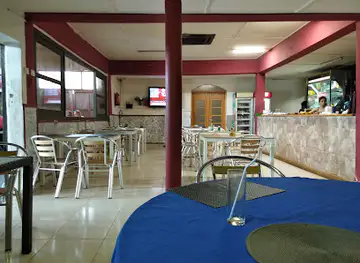
مطعم جلوفة
Discover the authentic flavors of Mauritania at مطعم جلوفة, where traditional dishes meet a vibrant dining atmosphere in Nouadhibou.

ATLAS KEBAB RESTAURANT
Experience the authentic taste of Mauritania at Atlas Kebab Restaurant, where delicious kebabs and local specialties meet warm hospitality.

Ndb Ice Cafe
Discover the delightful flavors of Ndb Ice Cafe, a cozy spot in Nouadhibou, offering delicious ice creams and a relaxing atmosphere for all visitors.

Venezia
Experience the flavors of Mauritania at Venezia, a culinary treasure in Nouadhibou, offering traditional dishes in a warm, inviting atmosphere.


Best shops in Dakhlet Nouadhibou
Top-rated picks
Best Shops

Supermarché Le Bon Choix
Discover the vibrant offerings of Supermarché Le Bon Choix in Nouadhibou, where local flavors meet international convenience.

SUPER MARKET 28 NOVEMBRE
Experience the local flavors and vibrant atmosphere at SUPER MARKET 28 NOVEMBRE in Nouadhibou, your go-to destination for groceries and Mauritian specialties.

بقالة المغرب العربي Épicerie maghreb arab
Discover the authentic tastes of Mauritania at بقالة المغرب العربي Épicerie maghreb arab, a vibrant supermarket in Nouadhibou offering local and international delights.

Le Bon Choix 2 بون شواه
Explore the rich flavors of Mauritania at Le Bon Choix 2, your go-to grocery store in Nouadhibou for local treats and essentials.

Explore Dakhlet Nouadhibou on the Map
A handpicked selection of must-see spots in Dakhlet Nouadhibou, mapped for you.
Dakhlet Nouadhibou Essentials
-
Dakhlet Nouadhibou is accessible via the Nouadhibou International Airport, which serves as the primary gateway to the region. Several airlines offer flights from major cities in Europe and North Africa. Alternatively, travelers can fly into Nouakchott, the capital of Mauritania, and take a domestic flight or a long-distance bus to Nouadhibou. The journey by road from Nouakchott to Nouadhibou takes approximately 5-6 hours.
-
Within Dakhlet Nouadhibou, taxis are the most common mode of transportation and are relatively inexpensive. It is advisable to negotiate the fare before starting the journey. Shared taxis and minibuses (locally known as 'bush taxis') are also available for intercity travel. For those preferring more flexibility, car rental services are available but be aware that driving conditions can be challenging due to poorly maintained roads.
-
The official currency in Mauritania is the Mauritanian Ouguiya (MRU). Credit cards are not widely accepted, so it is essential to carry sufficient cash. ATMs are available in Nouadhibou but may not always be reliable. It is advisable to exchange currency at banks or authorized exchange bureaus for the best rates.
-
Dakhlet Nouadhibou is generally safe for tourists, but it is crucial to remain vigilant. Avoid walking alone at night and stay away from poorly lit areas. The neighborhoods around the port and some parts of the city can have higher crime rates targeting tourists. Always keep an eye on your belongings and avoid displaying valuable items.
-
In case of emergency, dial 117 for police assistance or 118 for medical emergencies. The Nouadhibou Regional Hospital provides medical care, but the facilities may not be up to Western standards. It is highly recommended to have comprehensive travel insurance that covers medical evacuation. Pharmacies are available for minor health issues, but it is advisable to bring essential medications with you.
-
Fashion: Do dress modestly. Avoid wearing revealing clothing, especially in rural areas and religious sites. Religion: Do respect local customs and Islamic traditions. Avoid public displays of affection. Public Transport: Do be respectful and courteous to fellow passengers. Don't eat or drink on public transport. Greetings: Do greet people with a handshake or a friendly nod. It is polite to ask about someone's health and family. Eating & Drinking: Do try local dishes and accept food offered by hosts. Don't refuse hospitality, as it may be considered rude.
-
To experience Dakhlet Nouadhibou like a local, visit the bustling fish market where you can see the day's catch and sample fresh seafood. Engage with the local fishermen to learn about their trade. For a unique experience, take a trip to the Banc d'Arguin National Park, a UNESCO World Heritage Site renowned for its biodiversity and birdwatching opportunities. Don't miss the chance to explore the shipwrecks along the coast, which offer a glimpse into the region's maritime history.
When is the best time to visit Dakhlet Nouadhibou?
Useful Local Phrases for Dakhlet Nouadhibou
You don't need to speak the language perfectly. Even learning a few simple words can make conversations warmer—and locals usually appreciate the effort.
— Eve

Here are the phrases I use most often in Dakhlet Nouadhibou. Try a few—you'll be surprised how far they go! 😊
❤️
-
- Helloسلام
[Salam] - Goodbyeإلى اللقاء
[Ila al-liqaa] - Yesنعم
[Na'am] - Noلا
[La] - Please/You're welcomeمن فضلك
[Min fadlik] - Thank youشكرا
[Shukran] - Excuse me/Sorryعفوا
[Afwan] - How are you?كيف حالك؟
[Kayfa halak?] - Fine. And you?بخير. وأنت؟
[Bikhayr. Wa anta?] - Do you speak English?هل تتحدث الإنجليزية؟
[Hal tatahaddath al-inglizia?] - I don't understandلا أفهم
[La afham]
- Helloسلام
-
- I'd like to see the menu, pleaseأود رؤية القائمة، من فضلك
[Awad ru'yat al-qaimah, min fadlik] - I don't eat meatلا أأكل اللحوم
[La akul al-luhum] - Cheers!في صحتك!
[Fi sihhatak!] - I would like to pay, pleaseأود الدفع، من فضلك
[Awad al-daf', min fadlik]
- I'd like to see the menu, pleaseأود رؤية القائمة، من فضلك
-
- Help!نجدة!
[Najda!] - Go away!اذهب بعيدا!
[Izhab ba'eed!] - Call the Police!اتصل بالشرطة!
[Ittasil bil-shurta!] - Call a doctor!اتصل بطبيب!
[Ittasil bi-tabeeb!] - I'm lostأنا ضائع
[Ana da'i'] - I'm illأنا مريض
[Ana marid]
- Help!نجدة!
-
- I'd like to buy...أود شراء...
[Awad shira'] - I'm just lookingأنا فقط أبحث
[Ana faqat abhas] - How much is it?كم ثمنه؟
[Kam thamanuh?] - That's too expensiveهذا غالي جدا
[Hatha ghali jiddan] - Can you lower the price?هل يمكنك تخفيض السعر؟
[Hal yumkinuka takhfid al-si'r?]
- I'd like to buy...أود شراء...
-
- What time is it?كم الساعة؟
[Kam al-sa'ah?] - It's one o'clockالساعة الواحدة
[Al-sa'ah al-wahidah] - Half past (10)نصف الساعة (10)
[Nisf al-sa'ah (10)] - Morningصباحا
[Sabaahan] - Afternoonبعد الظهر
[Ba'd al-thuhur] - Eveningمساء
[Masa'an] - Yesterdayأمس
[Ams] - Todayاليوم
[Al-yawm] - Tomorrowغدا
[Ghadan] - 1واحد
[Wahid] - 2اثنان
[Ithnayn] - 3ثلاثة
[Thalatha] - 4أربعة
[Arba'a] - 5خمسة
[Khamsa] - 6ستة
[Sitta] - 7سبعة
[Sab'a] - 8ثمانية
[Thamaniya] - 9تسعة
[Tis'a] - 10عشرة
[Ashara]
- What time is it?كم الساعة؟
-
- Where's a/the...?أين...؟
[Ayn...?] - What's the address?ما هو العنوان؟
[Ma huwa al-unwan?] - Can you show me (on the map)?هل يمكنك أن تريني (على الخريطة)؟
[Hal yumkinuka an turini (ala al-kharita)?] - When's the next (bus)?متى يأتي (الباص) التالي؟
[Mata ya'ti (al-bus) al-tali?] - A ticket (to ....)تذكرة (إلى ....)
[Tadhkirah (ila ....)]
- Where's a/the...?أين...؟
History of Dakhlet Nouadhibou
-
Dakhlet Nouadhibou, located on the Ras Nouadhibou peninsula, has been inhabited since prehistoric times. The area was first settled by Berber tribes, who were attracted by its strategic coastal location and the abundance of marine resources. Evidence of ancient habitation, including rock art and archaeological remains, can be found throughout the region.
-
In the late 19th and early 20th centuries, Dakhlet Nouadhibou became part of French West Africa. The French established a colonial presence in the area, building infrastructure and promoting economic activities such as fishing and trade. The port of Nouadhibou was developed during this period, becoming a key point of maritime commerce and a hub for the export of local products.
-
The discovery of significant iron ore deposits in the nearby region of Zouérat in the 1950s transformed Dakhlet Nouadhibou. The construction of the railway line from Zouérat to Nouadhibou facilitated the transportation of iron ore to the port, leading to economic growth and increased international trade. The mining industry remains a vital part of the local economy to this day.
-
Mauritania gained independence from France in 1960, and Dakhlet Nouadhibou became an important city in the newly formed nation. Post-independence, the city continued to grow, with investments in infrastructure, education, and healthcare. The port of Nouadhibou expanded its capacity, further cementing its role as a crucial economic center.
-
In recent decades, attention has turned to the environmental importance of the Dakhlet Nouadhibou area. The Banc d'Arguin National Park, a UNESCO World Heritage site, lies to the south and is renowned for its biodiversity, particularly its bird populations. Conservation efforts aim to protect the unique ecosystems and promote sustainable tourism in the region.
-
Dakhlet Nouadhibou is a melting pot of cultures, reflecting the diversity of Mauritania as a whole. The city is home to a mix of ethnic groups, including Moors, Berbers, and Sub-Saharan Africans. Traditional music, dance, and cuisine are integral parts of local life, and cultural festivals and events are celebrated with great enthusiasm, showcasing the rich heritage of the region.
Neighbouring Regions of Dakhlet Nouadhibou
The closest regions to Dakhlet Nouadhibou, if you have time for more than one.




Your all‑in‑one travel companion app
Explore expert travel guides, compare and book tours, experiences, hotels, and more—all from the palm of your hand. Download now for seamless trip planning wherever your wanderlust takes you.


Explore More of Mauritania

Looking beyond Dakhlet Nouadhibou? Discover Mauritania for broader travel guides, local hot-spots, and regional highlights.
Explore MauritaniaDakhlet Nouadhibou in Photos
Browse through our photo collection highlighting the charm and character of the destination.


Discover the Enigmatic Beauty of Dakhlet Nouadhibou
Dakhlet Nouadhibou, a hidden gem in Mauritania, offers a unique blend of natural beauty and rich cultural heritage. Located on the edge of the Atlantic Ocean, this destination is known for its stunning coastal landscapes, diverse wildlife, and fascinating shipwrecks. Whether you are an adventure enthusiast or a history buff, Dakhlet Nouadhibou has something for everyone. One of the main attractions here is the Banc d'Arguin National Park, a UNESCO World Heritage site. The park is home to a variety of migratory birds and marine life, making it a paradise for bird watchers and nature lovers. The pristine beaches and crystal-clear waters provide a perfect setting for relaxation and exploration. For those interested in history and culture, the city of Nouadhibou offers a glimpse into the local way of life. Visit the bustling markets to experience the vibrant atmosphere and sample traditional Mauritanian cuisine. Don't miss the chance to explore the famous shipwrecks along the coast, which tell the story of the region's maritime history. Dakhlet Nouadhibou is also a gateway to the Sahara Desert. Take a guided tour to experience the breathtaking dunes and starry nights. The desert offers a stark contrast to the coastal scenery, providing a diverse and unforgettable travel experience.