

Free Trarza Travel Guide & Mobile App
Explore Trarza with free travel guides. Discover regional history, expert tips, proposed trips, and audio guides on web or mobile app.


Explore Trarza in south-west Mauritania for Rosso’s river trade, Diawling’s wetlands, Sahelian landscapes and the cultural meeting point of desert and floodplain.
Read more about Trarza
When is the best time to visit Trarza?
Best: December–February · 26–28°C| Month | High (°C) | Rainfall (mm) |
|---|---|---|
| January (best) | 26 | 0 |
| February (best) | 28 | 0 |
| March | 30 | 0 |
| April | 33 | 1 |
| May | 36 | 2 |
| June | 38 | 5 |
| July | 39 | 15 |
| August | 38 | 35 |
| September | 37 | 25 |
| October | 35 | 10 |
| November | 31 | 1 |
| December (best) | 28 | 0 |
Getting to and around Trarza
How to get there
Transportation
Top city travel guides in Trarza
The cities of Trarza, and the easiest places to base yourself.

Swipe for more cities
Best attractions in Trarza
-
Stadium
Olympic Stadium
Explore the Olympic Stadium in Nouakchott, a vibrant venue where sports, culture, and community converge, showcasing Mauritania's rich heritage.
-
Art gallery
Galerie Zeinart
Explore the creative spirit of Mauritania at Galerie Zeinart - a premier destination for art lovers in Nouakchott, showcasing local talent and unique handicrafts.
-
Museum
Mauritanian National Museum
Discover the rich history and culture of Mauritania at the Mauritanian National Museum, a treasure trove of artifacts and art in Nouakchott.
-
Beach
Sultan Beach شاطئ سلطان
Experience the tranquil beauty of Sultan Beach in Nouakchott, Mauritania, where golden sands meet the Atlantic Ocean and local flavors come alive.


Best landmarks in Trarza
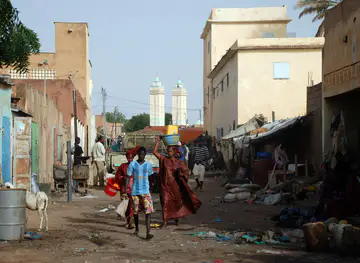
The Senegal River is Trarza’s defining natural and cultural landmark, forming a green, cultivated corridor through an otherwise predominantly dry region and marking the international frontier with Senegal. Rosso’s ferry crossing is its most recognisable human landmark, representing the continuing importance of river transport, trade and cross-border movement; procedures and crossing arrangements should be checked before travel. Within the lower delta, the lagoons, reed beds, flood basins and dune formations of Diawling National Park provide a landscape landmark of ecological as well as visual significance. The park’s identity depends on seasonal water, so its appearance changes substantially between wetter and drier phases. The region also retains associations with the historical Emirate of Trarza, although its political structures are not represented by a single monumental palace or preserved capital comparable to Mauritania’s famous ancient desert towns. Instead, Trarza’s historical character is visible through Rosso’s river economy, cultivated floodplain settlements, pastoral routes and the continuing interaction between desert-edge communities and the Senegal valley.
-
Art gallery
Galerie Zeinart
Explore the artistic soul of Nouakchott at Galerie Zeinart, a vibrant hub for art lovers and cultural enthusiasts.

Explore Trarza on the map
Plan your trip on one map. See where the top cities, national parks and sights are, and book hotels and experiences in a few clicks.
Best hotels in Trarza
Best restaurants in Trarza
Dining in Trarza is practical and closely connected to household and market cooking rather than a distinct restaurant circuit. In Rosso, visitors are likely to encounter rice, millet, couscous, fish from the Senegal River system, meat stews, beans, vegetables where available and sweet tea served in the Mauritanian manner. Dates and other preserved or dried foods are useful staples in the hotter, more remote areas. Small cafés and informal eateries provide simple meals, while accommodation catering may be the most dependable option for travellers heading towards Diawling National Park. River communities have culinary links with the wider Senegal valley, so food traditions do not stop neatly at the international boundary. Travellers should carry snacks and safe drinking water when visiting wetlands or rural districts, where food services are sparse. In private homes, accept refreshments graciously where possible, eat with the right hand when following local practice, and ask about ingredients if dietary restrictions are important.
-
Restaurant
Rotana Café
Experience authentic Mauritanian cuisine at Rotana Café in Nouakchott – where tradition meets flavor in every bite.
-
Indian
The India Gate الطعام الهندي
Experience the vibrant tastes of India at The India Gate in Nouakchott - where every dish tells a story.
-
Restaurant
Tafarit Restaurant
Experience authentic Mauritanian seafood at Tafarit Restaurant in Nouakchott - a culinary delight awaits you!
-
Restaurant
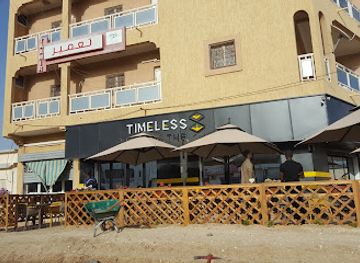
Timeless
Experience authentic Mauritanian cuisine at Timeless in Nouakchott - where every dish tells a story.


Best bars in Trarza
Trarza does not have a conventional bar or nightclub scene. Mauritania is predominantly Muslim, and evening social life generally centres on tea, family visits, cafés, market activity and informal conversation rather than alcohol-led entertainment. In Rosso, the busiest atmosphere is usually connected with transport, commerce and river trade, while smaller settlements become quiet after dark. Visitors may find simple cafés serving tea and light food, but should not expect a concentrated nightlife district, late-opening venues or regular live entertainment. Alcohol is restricted and should not be assumed to be available; public drunkenness would be especially inappropriate. In rural Trarza and around Diawling National Park, evenings are mainly valued for cooler temperatures, stargazing and quiet observation of the landscape. Accommodation providers can advise on suitable places to sit, eat or meet locally, but travellers should respect residential settings and local religious and social norms.
-
 Hotel
Mauricenter Hotel
Discover comfort and local charm at Mauricenter Hotel, the perfect base for your Mauritania adventure.
-
Restaurant
Tafarit Restaurant
Discover the authentic flavors of Mauritius at Tafarit Restaurant, a top dining spot in Nouakchott for food enthusiasts.
-
Hotel
Monotel (Dar El Barka)
Discover the perfect blend of comfort and culture at Monotel (Dar El Barka) in the heart of Nouakchott, Mauritania.
-
Hotel
HOTEL IMAN
Discover the charm of Nouakchott while enjoying comfort and hospitality at Hotel Iman, your perfect travel retreat in Mauritania's capital.

Best nightclubs in Trarza
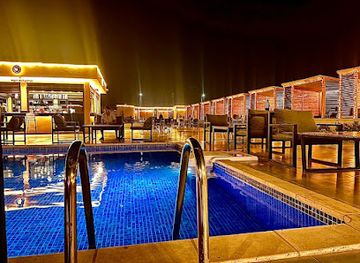
Trarza does not have a conventional bar or nightclub scene. Mauritania is predominantly Muslim, and evening social life generally centres on tea, family visits, cafés, market activity and informal conversation rather than alcohol-led entertainment. In Rosso, the busiest atmosphere is usually connected with transport, commerce and river trade, while smaller settlements become quiet after dark. Visitors may find simple cafés serving tea and light food, but should not expect a concentrated nightlife district, late-opening venues or regular live entertainment. Alcohol is restricted and should not be assumed to be available; public drunkenness would be especially inappropriate. In rural Trarza and around Diawling National Park, evenings are mainly valued for cooler temperatures, stargazing and quiet observation of the landscape. Accommodation providers can advise on suitable places to sit, eat or meet locally, but travellers should respect residential settings and local religious and social norms.
-
Restaurant
Nouakchott Night
Discover the vibrant culinary scene at Nouakchott Night, where local flavors and lively atmosphere create unforgettable dining experiences in Mauritania's capital.
-
Lounge
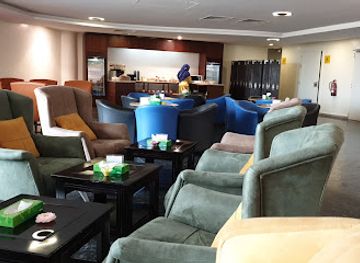
Afroport Lounge
Experience comfort and tranquility at Afroport Lounge, the ultimate relaxation spot at Nouakchott Oumtounsy International Airport.
-
Night club
تفرغ زينة
Unwind at تفرغ زينة, the vibrant night club in Nouakchott, Mauritania, where music and culture blend for an unforgettable nightlife experience.
Best shops in Trarza
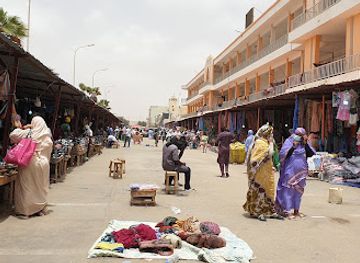
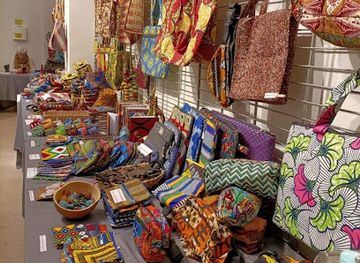
Shopping in Trarza is concentrated in Rosso and other market centres, where stalls and small shops serve local residents, farmers, fishers, travellers and cross-border traders. Useful purchases include tea, dates, grains, dried foods, locally made textiles, simple household goods and practical clothing. The selection is functional rather than geared towards luxury retail, and stock changes with supply routes and seasonal trade. Visitors may encounter Mauritanian clothing, leatherwork, woven items or jewellery, but quality and provenance vary, so buy directly from makers or trusted sellers when possible. Markets are also places to observe the movement of regional produce from the Senegal River valley and surrounding pastoral areas. Near Diawling, there are few dependable shopping opportunities and no reason to expect a fully equipped visitor centre, so carry essential supplies from Rosso or Nouakchott. Bargaining may be customary for some goods, but it should remain polite and proportionate; ask before photographing stalls, craftspeople or market activity.
-
Shopping mall
Marche Capitale
Discover the cultural and shopping experience at Marche Capitale, the premier shopping mall in Nouakchott, Mauritania.
-
Art gallery
Galerie Zeinart
Immerse yourself in the cultural richness of Mauritania at Galerie Zeinart, an art gallery that showcases local and international talent.
-
Hotel
The Best Iconic Hotel
Discover unparalleled luxury and comfort at The Best Iconic Hotel in Nouakchott, Mauritania, the perfect retreat for discerning travelers.
-
Hotel
Casaẞlü Hotel
Experience comfort and local charm at Casaẞlü Hotel, ideally located in the heart of Nouakchott, Mauritania.

Get your free copy of our complete guide to Trarza, delivered straight to you.
Everything on this page, from attractions and restaurants to essentials and local phrases, in one PDF you can read offline, print or share.
Already have an account? Sign in
Your Trarza guide is ready.
We'll send it to · Not you? Sign out

Getting your guide ready…
We are putting together a fresh copy of the Trarza guide. This can take up to a minute.
This can take a few moments. If your browser asks, choose Allow so the download can start. You'll find the guide in your Downloads folder.
Nothing happened? Download it again
Sorry, the guide is taking longer than usual. Please try again in a minute, or get it by email instead.
Trarza essentials
Currency and Payment
Safety
Emergency Situations
Do's and Don'ts
Local Tips
From Eve
Local phrases worth knowing
You don't need to get them perfect. A few words go a long way, and locals appreciate the effort.
Basics
| English | Local | Say it |
|---|---|---|
| Hello | Salam | [sah-lahm] |
| Goodbye | Ma'a as-salama | [mah-ah ahs-sah-lah-mah] |
| Yes | Na'am | [nah-am] |
| No | La | [lah] |
| Please/You're welcome | Afwan | [ahf-wan] |
| Thank you | Shukran | [shook-rahn] |
| Excuse me/Sorry | Ana asif | [ah-nah ah-seef] |
| How are you? | Kayfa halak? | [kay-fah hah-lak] |
| Fine. And you? | Ana bikhair. Wa anta? | [ah-nah bee-khair. wah an-tah?] |
| Do you speak English? | Hal tatahadath al-ingliziya? | [hal tah-tah-hah-d ath-lin-ghee-zee-yah?] |
| I don't understand | Ana la afham | [ah-nah lah af-ham] |
Eating & Drinking
| English | Local | Say it |
|---|---|---|
| I'd like to see the menu, please | Arju an ara al-menu, min fadlak | [ahr-joo ahn ah-rah al-men-oo, min fad-lak] |
| I don't eat meat | Ana la akul lahm | [ah-nah lah ah-kool lahm] |
| Cheers! | Bila hafdh | [bee-lah haf-dh] |
| I would like to pay, please | Arju an adfa'a, min fadlak | [ahr-joo ahn ad-fa-ah, min fad-lak] |
Emergencies
| English | Local | Say it |
|---|---|---|
| Help! | Al-najda! | [ahl-nah-jdah] |
| Go away! | Izhab! | [iz-hahb] |
| Call the Police! | Ittasil bil shurta! | [it-ta-see-l bil shoor-tah] |
| Call a doctor! | Ittasil bi-tabeeb! | [it-ta-see-l bi-ta-beeb] |
| I'm lost | Ana dhahibt | [ah-nah dhah-ibt] |
| I'm ill | Ana marid | [ah-nah mah-reed] |
Shopping
| English | Local | Say it |
|---|---|---|
| I'd like to buy... | Arju an ashtari... | [ahr-joo ahn ash-tah-ree] |
| I'm just looking | Ana just looking | [ah-nah just looking] |
| How much is it? | Kam thamanuh? | [kam thah-ma-noo] |
| That's too expensive | Hatha ghaly jiddan | [hah-thah ghal-ee jid-dahn] |
| Can you lower the price? | Hal tastati'u an tukhafid al-thaman? | [hal tas-ta-tee' ahn too-khah-fid al-thah-man] |
Time & Numbers
| English | Local | Say it |
|---|---|---|
| What time is it? | Ma al waqt? | [mah al-wakt] |
| It's one o'clock | Al-sa'ah wahida | [ahl-sah-ah wah-hee-dah] |
| Half past (10) | Nisf al-ashra | [nisf al-ash-rah] |
| Morning | Sabaah | [sah-bah] |
| Afternoon | Ba'ad al-zuhur | [ba-ad al-zoo-hoor] |
| Evening | Masa' | [mah-sah'] |
| Yesterday | Ams | [ahms] |
| Today | Al-yawm | [ahl-yaw-m] |
| Tomorrow | Ghad | [ghad] |
| 1 | Wahid | [wah-heed] |
| 2 | Ithnayn | [ith-nayn] |
| 3 | Thalatha | [thah-lah-thah] |
| 4 | Arba'a | [ahr-bah-ah] |
| 5 | Khamsa | [kham-sah] |
| 6 | Sitta | [sit-tah] |
| 7 | Sab'a | [sah-bah] |
| 8 | Thamaniya | [thah-mah-nee-yah] |
| 9 | Tis'a | [tis-ah] |
| 10 | Ashara | [ah-shah-rah] |
Transport & Directions
| English | Local | Say it |
|---|---|---|
| Where's a/the...? | Ayna ...? | [ai-nah] |
| What's the address? | Ma huwa al-‘unwan? | [mah hoo-wah al-‘oon-wahn] |
| Can you show me (on the map)? | Hal yumkinuka an turini (ala al-kharta)? | [hal yum-kee-nu-kah ahn too-ree-nee (ah-lah al-khar-tah)] |
| When's the next (bus)? | Mata al-bus al-qadim? | [mah-tah al-boos al-qah-deem] |
| A ticket (to ....) | Tazkara (ila ...) | [taz-kah-rah (ee-lah)] |
History of Trarza
Early settlement and the Senegal River valley
The lower Senegal valley has long provided a more dependable setting for human settlement than the surrounding arid plains. Communities used the river, flood basins and seasonal wetlands for fishing, cultivation, grazing and transport, while exchange linked the valley with Saharan routes to the north. Archaeological evidence across the wider Senegal River region points to long-term changes in settlement and agriculture, although individual sites in Trarza are not always developed for public visitation. The region’s historical importance rests partly on this enduring relationship between fluctuating water, mobility and food production.
The rise of the Emirate of Trarza
From the seventeenth century, the Emirate of Trarza became a major political power in the lower Senegal valley and the western Sahel. Its rulers governed through alliances, tribute, trade and military influence among Hassaniya-speaking groups and communities living along the river, including Wolof- and Pulaar-speaking populations. The emirate was involved in commercial and diplomatic relations with the French settlements on the Senegalese side of the river, as well as with other regional powers. Its legacy remains central to the historical identity of south-western Mauritania, even though the emirate’s political authority ended under colonial rule.
Caravan trade, gum arabic and river commerce
Before modern roads, Trarza connected Saharan and Sahelian economies through caravan routes, river crossings and seasonal markets. Gum arabic, livestock, grain, fish, dates and manufactured goods moved through networks that joined desert communities with the Senegal valley and Atlantic-facing settlements. Rosso’s later prominence grew from this strategic position on the river, where commerce and transport converged. Trade was never separate from politics: control of routes, access to pasture and negotiated relations with river communities all shaped the prosperity and influence of local rulers.
French expansion and colonial administration
French influence in the lower Senegal region expanded during the nineteenth century and became more directly administrative in the early twentieth century. The colonial boundary along the Senegal River divided communities and established a political frontier that later became an international border between Mauritania and Senegal. New administrative practices, roads, river transport arrangements and commercial systems altered older patterns of movement. Rosso gained importance as a crossing and official post, while colonial rule weakened the authority of the Emirate of Trarza and incorporated the area into French West Africa’s wider political structure.
Independence, agriculture and the managed river
Mauritania became independent in 1960, after which Trarza’s river lands acquired increased importance for national food production and regional development. Irrigation schemes and flood-control works associated with the Senegal River basin changed the timing and extent of seasonal inundation. The Diama and Manantali dams, developed through regional cooperation in the 1980s, helped regulate water for agriculture and navigation but also altered wetland ecology. These changes contributed to the creation and management of protected areas such as Diawling National Park, where conservation now sits alongside fishing, grazing and local livelihoods.
Diawling National Park and wetland conservation
Diawling National Park was established in 1991 in the lower Senegal delta to protect a mosaic of floodplains, lagoons, dunes and coastal wetland habitats. Its importance extends beyond Mauritania: the delta is part of a wider ecological system shared with Senegal and is a major stopover and breeding area for waterbirds. Park management seeks to restore or maintain seasonal flooding while accommodating traditional activities such as fishing and livestock grazing. The park represents a modern stage in Trarza’s history, in which water management, biodiversity protection and community livelihoods must be balanced within a heavily changing river environment.
Trarza in Photos
Browse through our photo collection highlighting the charm and character of the destination.
Neighbouring regions of Trarza
The closest regions to Trarza, if you have time for more than one.
-

-

-

-
-


Swipe for more regions
Explore more

Explore more of Mauritania
Discover Mauritania's vast Sahara Desert, ancient cities, and rich cultural heritage. Experience the stunning landscapes and warm hospitality of this West African gem.
Explore Mauritania