

Free Iguidi Travel Guide & Mobile App
Explore Iguidi with free travel guides. Discover regional history, expert tips, proposed trips, and audio guides on web or mobile app.


Iguidi in Mauritania offers remote Saharan dunes, vast silence, star-filled skies and demanding expedition travel far from established tourist infrastructure.
Read more about Iguidi
When is the best time to visit Iguidi?
Best: December–February · 25–29°C| Month | High (°C) | Rainfall (mm) |
|---|---|---|
| January (best) | 25 | 0 |
| February (best) | 29 | 0 |
| March | 33 | 1 |
| April | 36 | 1 |
| May | 40 | 1 |
| June | 42 | 4 |
| July | 42 | 13 |
| August | 42 | 15 |
| September | 39 | 8 |
| October | 35 | 1 |
| November | 31 | 0 |
| December (best) | 26 | 0 |
Getting to and around Iguidi
How to get there
Transportation
Top city travel guides in Iguidi
The cities of Iguidi, and the easiest places to base yourself.

Swipe for more cities
Best attractions in Iguidi
-
Stadium
Olympic Stadium
Explore the Olympic Stadium in Nouakchott, a vibrant venue where sports, culture, and community converge, showcasing Mauritania's rich heritage.
-
Art gallery
Galerie Zeinart
Explore the creative spirit of Mauritania at Galerie Zeinart - a premier destination for art lovers in Nouakchott, showcasing local talent and unique handicrafts.
-
Museum
Mauritanian National Museum
Discover the rich history and culture of Mauritania at the Mauritanian National Museum, a treasure trove of artifacts and art in Nouakchott.
-
Beach
Sultan Beach شاطئ سلطان
Experience the tranquil beauty of Sultan Beach in Nouakchott, Mauritania, where golden sands meet the Atlantic Ocean and local flavors come alive.


Best landmarks in Iguidi
Iguidi’s most important landmarks are natural formations rather than buildings. The dune ridges of Erg Iguidi create the region’s defining visual identity, with their alignment, colour and form changing according to wind and the angle of the sun. Equally significant are the boundaries between the erg and the surrounding gravel plains, where soft sand gives way to hard, open desert and the scale of the terrain becomes especially apparent. There are no major permanent monuments or historic town centres inside the remote dune field. Zouérat and Fderîck, outside Iguidi, are notable practical and industrial reference points because of the modern mining landscape of Tiris Zemmour, but they should not be presented as landmarks within the erg. Any stone structure, burial place, pottery fragment or rock marking encountered during an expedition should be left untouched and reported through an appropriate local guide. In Iguidi, geographic form, silence and distance carry greater landmark value than constructed architecture.
-
Tourist attraction
Richat Structure
Explore the Richat Structure, a stunning natural wonder in Mauritania that showcases the Earth's geological history and offers breathtaking desert landscapes.
-
National park
Banc d'Arguin National Park
Explore the breathtaking natural beauty and rich biodiversity of Banc d'Arguin National Park, a UNESCO World Heritage site in Mauritania.
-
Art gallery
Galerie Zeinart
Explore the vibrant art scene of Nouakchott at Galerie Zeinart, showcasing local artists and traditional Mauritanian crafts.
-
Tour operator
T'Ore Mauritania
Experience the authentic beauty of Mauritania with T'Ore Mauritania, your premier tour operator for personalized adventures in this captivating land.


Explore Iguidi on the map
Plan your trip on one map. See where the top cities, national parks and sights are, and book hotels and experiences in a few clicks.
Best hotels in Iguidi
Best restaurants in Iguidi
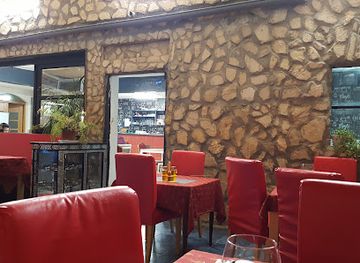
There is no established restaurant scene within Iguidi. Food is part of expedition planning, with cooks and guides preparing simple meals at camp from supplies bought before entering the desert. Tea, often prepared through repeated pouring in Mauritanian hospitality, is a familiar social ritual, while rice, couscous, pasta, pulses, tinned provisions and meat may form the practical basis of remote catering. In larger Mauritanian towns, visitors can find cafés and unpretentious restaurants serving dishes influenced by Saharan, Arab and West African traditions, but availability becomes limited around northern mining settlements and should not be assumed in the dunes. Fresh produce, chilled drinks and specialised dietary items are much easier to obtain in Nouakchott or another major supply centre than near Iguidi. Travellers should disclose dietary requirements well before departure, carry suitable high-energy supplements and treat water provision as a logistical priority rather than a restaurant matter. Sharing tea or food with hosts should be approached respectfully and without waste.
-
Restaurant
مطعم بالاسيو Palacio
Discover authentic Mauritanian cuisine at Palacio Restaurant in Nouakchott - where flavors come alive!
-
Indian
The India Gate الطعام الهندي
Discover the essence of Indian flavors at The India Gate Restaurant in Nouakchott - A culinary haven for food lovers.
-
Restaurant
Tafarit Restaurant
Discover authentic Mauritian cuisine at Tafarit Restaurant – where every meal tells a story.
-
Restaurant
O Délice
Discover the flavors of Mauritania at O Délice - where delicious hamburgers meet mouth-watering tacos in a vibrant setting.


Best bars in Iguidi
Iguidi has no bars, nightclubs or organised nightlife. Evenings centre on the expedition camp, where tea, conversation and the changing desert sky replace commercial entertainment. Alcohol is not a normal feature of public life in Mauritania, a predominantly Muslim country, and visitors should not bring it into local communities or expect it to be available during desert journeys. In Zouérat and other larger towns, evening activity is more likely to involve cafés, restaurants, family visits and informal socialising than a conventional club scene. The most distinctive night-time experience in Iguidi is environmental: after sunset, the absence of urban lighting can make the stars prominent, while wind and temperature may change quickly. Keep lighting and noise low, respect other camps and follow the guide’s advice about fire, wildlife and night movements.
-
Restaurant
Tafarit Restaurant
Discover authentic Mauritanian cuisine at Tafarit Restaurant, a culinary treasure in the heart of Nouakchott, offering a vibrant dining experience.
-
Bar
مطعم جلوفة
Experience the best of Mauritanian cuisine at مطعم جلوفة in Nouadhibou, a haven for food lovers with a rich menu and inviting atmosphere.
-
Restaurant
Nouakchott Night
Discover the culinary delight of Nouakchott Night, where local flavors meet vibrant nightlife in Mauritania's capital.
-
Restaurant
SMASH FOOD
Discover the culinary delights of SMASH FOOD in Nouakchott, where local flavors meet international cuisine in a vibrant setting.



Best nightclubs in Iguidi
Iguidi has no bars, nightclubs or organised nightlife. Evenings centre on the expedition camp, where tea, conversation and the changing desert sky replace commercial entertainment. Alcohol is not a normal feature of public life in Mauritania, a predominantly Muslim country, and visitors should not bring it into local communities or expect it to be available during desert journeys. In Zouérat and other larger towns, evening activity is more likely to involve cafés, restaurants, family visits and informal socialising than a conventional club scene. The most distinctive night-time experience in Iguidi is environmental: after sunset, the absence of urban lighting can make the stars prominent, while wind and temperature may change quickly. Keep lighting and noise low, respect other camps and follow the guide’s advice about fire, wildlife and night movements.
-
Restaurant
Nouakchott Night
Discover the vibrant culinary scene at Nouakchott Night, where delicious Mauritanian dishes and lively atmosphere come together for an unforgettable experience.
-
Restaurant
Calipso Club
Discover the culinary treasures of Nouakchott at Calipso Club, where local flavors meet international cuisine in a vibrant atmosphere.
-
 Adult entertainment club
COMEDIE DIASPORA LE GRIN
Discover the vibrant nightlife and cultural entertainment at Comedie Diaspora Le Grin in Nouakchott, Mauritania.


Best shops in Iguidi
Iguidi offers no shops, markets or permanent retail facilities, so all expedition supplies must be obtained before entering the desert. Practical purchases include water containers, fuel, food, sun protection, batteries, vehicle-recovery materials and warm clothing for night conditions. Zouérat and Fderîck, outside the dune field, are the nearest relevant northern supply centres, although visitors should not expect the range found in Nouakchott. Souvenirs are better purchased in established Mauritanian towns, where small traders and craft sellers may offer woven goods, leather items, jewellery, textiles, tea equipment and locally produced foods. Prices and quality vary, so buy respectfully, avoid pressure and do not purchase objects that appear archaeological or may have been removed from the desert. A useful rule for Iguidi is to take only durable memories and photographs away: stones, pottery, fossils and metal fragments belong to the landscape and should remain where they are found.
-
Shopping mall
Marche Capitale
Explore the vibrant Marche Capitale in Nouakchott, Mauritania, a shopping mall that offers a unique blend of local culture and modern retail experiences.
-
Art gallery
Galerie Zeinart
Discover the vibrant art scene at Galerie Zeinart, showcasing contemporary and traditional works that reflect Mauritania's rich cultural heritage.
-
Clothing store
MARCHE TURC
Explore MARCHE TURC in Nouakchott for a unique shopping experience featuring diverse clothing, accessories, and local Mauritanian fashion.
-
Shopping mall
Inchiri Shop
Discover the bustling Inchiri Shop in Nouakchott - a shopping paradise for unique Mauritanian crafts and international brands.



Get your free copy of our complete guide to Iguidi, delivered straight to you.
Everything on this page, from attractions and restaurants to essentials and local phrases, in one PDF you can read offline, print or share.
Already have an account? Sign in
Your Iguidi guide is ready.
We'll send it to · Not you? Sign out

Getting your guide ready…
We are putting together a fresh copy of the Iguidi guide. This can take up to a minute.
This can take a few moments. If your browser asks, choose Allow so the download can start. You'll find the guide in your Downloads folder.
Nothing happened? Download it again
Sorry, the guide is taking longer than usual. Please try again in a minute, or get it by email instead.
Iguidi essentials
Currency and Payment
Safety
Emergency Situations
Do's and Don'ts
Local Tips
From Eve
Local phrases worth knowing
You don't need to get them perfect. A few words go a long way, and locals appreciate the effort.
Basics
| English | Local | Say it |
|---|---|---|
| Hello | Salam | [sah-lahm] |
| Goodbye | Ma'a as-salama | [mah-ah ahs-sah-lah-mah] |
| Yes | Na'am | [nah-am] |
| No | La | [lah] |
| Please/You're welcome | Afwan | [ahf-wahn] |
| Thank you | Shukran | [shook-rahn] |
| Excuse me/Sorry | Asif | [ah-seef] |
| How are you? | Kayfa halak? | [kay-fah hah-lak] |
| Fine. And you? | Ana bikhair. Wa anta? | [ah-nah bi-khair. wah an-tah?] |
| Do you speak English? | Hal tatakallam al-ingliziya? | [hal tah-tah-kah-lam al-in-gli-zi-yah] |
| I don't understand | Ana la afham | [ah-nah lah af-ham] |
Eating & Drinking
| English | Local | Say it |
|---|---|---|
| I'd like to see the menu, please | Aريد أن أرى القائمة، من فضلك | [a-reed an ah-rah al-qa-i-mah, min fad-lak] |
| I don't eat meat | Ana la akul lahm | [ah-nah lah ah-kool lahm] |
| Cheers! | في صحتك! | [fi sih-tak!] |
| I would like to pay, please | أريد أن أدفع، من فضلك | [a-reed an ad-fa', min fad-lak] |
Emergencies
| English | Local | Say it |
|---|---|---|
| Help! | نجدة! | [naj-da!] |
| Go away! | اخرج! | [ukh-ruj!] |
| Call the Police! | اتصل بالشرطة! | [it-tis-il bil-shur-ta!] |
| Call a doctor! | اتصل بطبيب! | [it-tis-il bi-tabiib!] |
| I'm lost | أنا ضائع | [ah-nah da-i'] |
| I'm ill | أنا مريض | [ah-nah ma-reed] |
Shopping
| English | Local | Say it |
|---|---|---|
| I'd like to buy... | أريد أن أشتري... | [a-reed an ashta-ree...] |
| I'm just looking | أنا فقط أبحث | [ah-nah fa-qat ab-hath] |
| How much is it? | كم سعره؟ | [kam si-ra?] |
| That's too expensive | هذا مكلف جداً | [ha-dha mu-kalif jid-dan] |
| Can you lower the price? | هل يمكنك تخفيض السعر؟ | [hal yum-kin-uka takh-feed as-si'r?] |
Time & Numbers
| English | Local | Say it |
|---|---|---|
| What time is it? | كم الساعة؟ | [kam as-sa'ah?] |
| It's one o'clock | الساعة واحدة | [as-sa'ah wa-hidah] |
| Half past (10) | نصف (10) | [ni-saf (10)] |
| Morning | صباح | [sa-bah] |
| Afternoon | بعد الظهر | [ba'd al-zuh-r] |
| Evening | مساء | [ma-sah] |
| Yesterday | أمس | [am-s] |
| Today | اليوم | [al-yawm] |
| Tomorrow | غداً | [ghad-an] |
| 1 | 1 | [wahid] |
| 2 | 2 | [ithnayn] |
| 3 | 3 | [thalatha] |
| 4 | 4 | [arba'a] |
| 5 | 5 | [khamsa] |
| 6 | 6 | [sitta] |
| 7 | 7 | [sab'a] |
| 8 | 8 | [thamaniya] |
| 9 | 9 | [tis'a] |
| 10 | 10 | [ashra] |
Transport & Directions
| English | Local | Say it |
|---|---|---|
| Where's a/the...? | أين...؟ | [ayn...?] |
| What's the address? | ما هو العنوان؟ | [ma huwa al-'un-wan?] |
| Can you show me (on the map)? | هل يمكنك أن تريني (على الخريطة)؟ | [hal yum-kin-uka an tu-reeni (ala al-khareeta)?] |
| When's the next (bus)? | متى يأتي (الباص) التالي؟ | [mata ya'ti (al-bus) at-taali?] |
| A ticket (to ....) | تذكرة (إلى...) | [tadh-kira (ila...)] |
History of Iguidi
The Green Sahara and Early Human Settlement
During wetter phases of the early and middle Holocene, parts of the Sahara supported grasslands, wildlife and more extensive human settlement than today. In the wider Mauritanian desert, archaeological traces such as stone tools, ancient occupation sites and rock imagery testify to changing patterns of movement as the climate dried. Iguidi itself is primarily known as a dune environment, and individual archaeological claims within the erg require specialist confirmation. The broader legacy is nevertheless important: today’s apparently empty sand sea is the latest phase of a landscape repeatedly shaped by water, vegetation, animals and people.
Camel Pastoralism and Desert Mobility
The spread of camel use across the Sahara transformed long-distance movement, pastoralism and trade. In the desert north of Mauritania, knowledge of wells, seasonal grazing, tracks and dune passages allowed nomadic communities and commercial travellers to cross terrain that was otherwise extremely difficult. The routes were rarely fixed roads in the modern sense; they depended on memory, landmarks and local expertise. This mobile culture remains an essential part of understanding Iguidi, where navigation and survival still depend more on environmental knowledge than on permanent infrastructure.
Trans-Saharan Trade Networks
For many centuries, western Saharan routes linked settlements and markets across what are now Mauritania, Western Sahara, Algeria and Mali. Salt, livestock, dates, textiles and other goods moved through a network of desert corridors, while religious learning and news travelled with merchants and pastoral groups. Iguidi was not a single city or kingdom, but its wider desert setting formed part of the geographic world through which these journeys passed. The historic caravan towns farther south, including Chinguetti and Ouadane, reflect the commercial and scholarly systems that made the Sahara a zone of connection rather than an absolute barrier.
Islamic Scholarship and the Western Saharan World
From the medieval period onwards, Islam and Arabic-language scholarship profoundly shaped the societies of present-day Mauritania. Religious teachers, manuscript culture and travelling scholars connected desert communities to wider intellectual networks in North and West Africa. The famous scholarly centres of the Adrar lie well south of Iguidi, so they should not be presented as local monuments of the erg. They are nevertheless part of the historical context in which northern desert travel developed, linking pastoral mobility, trade, faith and education across long distances.
Colonial Borders and Modern Mauritania
French colonial expansion in the western Sahara gradually imposed administrative boundaries over older networks of movement. The borders that now separate Mauritania, Algeria and Western Sahara do not correspond neatly to historic caravan routes or pastoral territories. After Mauritania became independent in 1960, the northern desert acquired greater importance in questions of territorial administration, security and access. For visitors, this history explains why a seemingly open landscape can involve permits, border sensitivities and carefully controlled logistical planning.
Mining and the Tiris Zemmour Economy
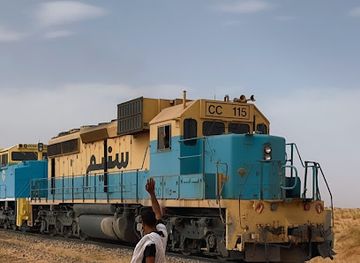
The modern north of Mauritania is strongly associated with iron-ore mining around Zouérat and the railway corridor leading towards the Atlantic coast. Mining created permanent industrial settlements and transport links in a region historically dominated by mobility and sparse habitation. These developments are outside the dunes of Iguidi but provide the nearest substantial northern economic context and practical service base. They also illustrate the contrast between two Mauritanian desert realities: an extractive, infrastructure-dependent economy around Tiris Zemmour and the largely roadless, environmentally demanding sand landscapes beyond it.
Iguidi in Photos
Browse through our photo collection highlighting the charm and character of the destination.
Neighbouring regions of Iguidi
The closest regions to Iguidi, if you have time for more than one.
-

-

-

-
-


Swipe for more regions
Explore more

Explore more of Mauritania
Discover Mauritania's vast Sahara Desert, ancient cities, and rich cultural heritage. Experience the stunning landscapes and warm hospitality of this West African gem.
Explore Mauritania