

Inchiri, Mauritania Travel Guide
Discover Inchiri, Mauritania's hidden gem, where vast dunes, ancient rock art, and vibrant wildlife create an unforgettable adventure in the Sahara Desert.
Inchiri, a lesser-known region in Mauritania, offers a unique blend of natural beauty and cultural richness. This desert wonderland is characterized by its vast dunes, rocky plateaus, and ancient rock art, making it an ideal destination for adventure seekers and history buffs alike. The region’s capital, Akjoujt, serves as a gateway to the spectacular landscapes that define Inchiri. Visitors can explore the mesmerizing sand dunes, some of which reach heights of over 100 meters. The desert is not just about sand; it is home to a variety of wildlife, including gazelles, foxes, and numerous bird species. Inchiri is also steeped in history. The ancient rock engravings found in the area provide a glimpse into the lives of the early inhabitants. These petroglyphs, some dating back thousands of years, depict scenes of hunting, animals, and human figures. Exploring these historical sites offers a profound connection to the past and a deeper understanding of Mauritania's rich cultural heritage.

Know before you go
Hi, I'm Eve. Here are a few practical things to know before exploring Inchiri.
- Visit during the cooler months between October and April to avoid the extreme heat of the summer.
- Hire a local guide to explore the desert safely and to gain deeper insights into the region's history and culture.
- Ensure you have a 4x4 vehicle for traveling across the challenging desert terrain.
- Bring plenty of water and sun protection, as the desert environment can be harsh and dehydrating.
- Respect local customs and traditions, and always seek permission before photographing people.
Top City Travel Guides in Inchiri
The cities of Inchiri, and the easiest places to base yourself.

Explore Inchiri: Things to Do, Places to Eat, Hotels & More
Handpicked recommendations for top attractions, local dining, accommodations, and more

Top Attractions & Sightseeing in Inchiri


Best landmarks in Inchiri
Top-rated picks
Best Landmarks

Mauritanian National Museum
Discover the cultural riches of Mauritania at the Mauritanian National Museum, a treasure trove of history and art in Nouakchott.

Galerie Zeinart
Explore the rich artistic heritage of Mauritania at Galerie Zeinart, a vibrant art gallery offering unique local and contemporary artworks.

Best restaurants in Inchiri
Top-rated picks
Best Restaurants
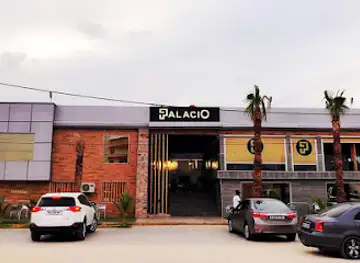
مطعم بالاسيو Palacio
Experience authentic Mauritanian cuisine at Palacio Restaurant in Nouakchott - where every meal is a celebration of local flavors.

The India Gate الطعام الهندي
Experience the vibrant flavors of Indian cuisine at The India Gate in Nouakchott—where tradition meets taste!
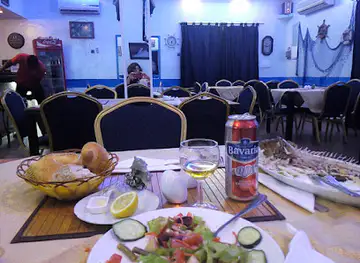
Tafarit Restaurant
Discover authentic Mauritanian cuisine at Tafarit Restaurant - where seafood meets tradition in the heart of Nouakchott.

Timeless
Discover culinary delights at Timeless in Nouakchott – where traditional flavors meet modern dining.

Best bars in Inchiri
Top-rated picks
Best Bars

Rotana Café
Experience the rich flavors of Mauritania at Rotana Café, where local dishes meet warm hospitality in the heart of Nouakchott.

Tafarit Restaurant
Experience the rich flavors and welcoming atmosphere of Tafarit Restaurant in Nouakchott, Mauritania, where culinary traditions come to life.

Nouakchott Night
Immerse yourself in the vibrant nightlife of Nouakchott at Nouakchott Night, where local flavors and cultural experiences await every visitor.

SMASH FOOD
Discover the vibrant flavors of Mauritania at SMASH FOOD in Nouakchott, where delightful dishes and a warm atmosphere await you.

Best nightclubs in Inchiri
Top-rated picks
Best Nightclubs

Nouakchott Night
Discover the vibrant culinary scene of Nouakchott at Nouakchott Night, where local flavors and lively ambiance create unforgettable dining experiences.

Racing Club
Discover the fusion of sports and culture at the Racing Club in Nouakchott, where thrilling tennis and vibrant performances come alive.

NKC airport VIP lounge
Experience unparalleled comfort and tranquility at NKC Airport VIP Lounge, your perfect airport retreat in Mauritania.

Mauritanie Diving service خدمات الغوص البحري
Discover the underwater wonders of Mauritania at Mauritanie Diving Service – a paradise for diving enthusiasts and nature lovers.

Best shops in Inchiri
Top-rated picks
Best Shops

Marche Capitale
Discover the diverse shopping scene at Marche Capitale in Nouakchott, where local culture meets modern retail in a vibrant atmosphere.

Galerie Zeinart
Explore the vibrant art scene at Galerie Zeinart in Nouakchott, Mauritania, where creativity meets tradition in every masterpiece.

Akjoujt
Discover Akjoujt, Mauritania – a vibrant electronics market that showcases the latest tech and local culture in a charming setting.

Boutique jumbo بوتيك جمبو
Experience the vibrant culture of Mauritania at Boutique Jumbo, your go-to destination for unique local crafts and souvenirs in Nouakchott.

Explore Inchiri on the Map
A handpicked selection of must-see spots in Inchiri, mapped for you.
Inchiri Essentials
-
Inchiri, located in the western part of Mauritania, is best accessed via Nouakchott, the capital city of Mauritania. Nouakchott-Oumtounsy International Airport (NKC) is the closest major airport, with flights from various international destinations. From Nouakchott, you can travel by road to Inchiri. Taxis and private car hires are available, and the journey typically takes around 3 to 4 hours, depending on the exact destination within Inchiri.
-
Inchiri is sparsely populated, and public transportation options are limited. Renting a car is the most convenient way to explore the region. Local taxis are available in the main towns, but for more remote areas, a 4x4 vehicle is recommended due to the rough terrain. It is advisable to have a local guide if you plan to venture off the main roads.
-
The official currency of Mauritania is the Mauritanian Ouguiya (MRU). Credit cards are not widely accepted in Inchiri, so it is essential to carry enough cash. ATMs are scarce, and it is advisable to withdraw sufficient cash in Nouakchott before traveling to Inchiri. Ensure you have small denominations as large bills may be difficult to change in rural areas.
-
Inchiri is generally a safe region, but standard travel precautions should be taken. Petty theft can occur, especially in more populated areas. Avoid displaying valuable items and keep your belongings secure. Be cautious when traveling at night and stick to well-lit and populated areas. It is advisable to stay updated on local news and follow any travel advisories.
-
In case of an emergency, dial 117 for police assistance or 118 for medical emergencies. Medical facilities in Inchiri are limited, so it is crucial to have travel insurance that includes medical evacuation coverage. For minor health issues, carry a basic first aid kit and any necessary medications. The nearest well-equipped hospitals are in Nouakchott.
-
Fashion: Do dress conservatively, covering your shoulders and knees, particularly when visiting religious sites. Avoid wearing revealing clothing. Religion: Do respect local customs and religious practices. Don't enter mosques without permission. Public Transport: Do be respectful and courteous to fellow passengers. Don't eat or drink on public transport. Greetings: Do greet people with a handshake or a polite nod. Men should avoid initiating physical contact with women. Eating & Drinking: Do accept food and drink offerings graciously. Don't refuse hospitality, as it may be considered impolite.
-
To experience Inchiri like a local, visit traditional markets where you can purchase local crafts and produce. Engage with locals, as they are often welcoming and eager to share their culture. Don't miss exploring the natural landscapes, such as the Banc d'Arguin National Park, a UNESCO World Heritage Site known for its rich biodiversity. For a unique experience, consider arranging a guided tour to learn about the region's history and heritage.
When is the best time to visit Inchiri?
Useful Local Phrases for Inchiri
You don't need to speak the language perfectly. Even learning a few simple words can make conversations warmer—and locals usually appreciate the effort.
— Eve

Here are the phrases I use most often in Inchiri. Try a few—you'll be surprised how far they go! 😊
❤️
-
- HelloSalut
[sah-loo] - GoodbyeAu revoir
[oh ruh-vwar] - YesOui
[wee] - NoNon
[noh] - Please/You're welcomeS'il vous plaît
[seel voo pleh] - Thank youMerci
[mehr-see] - Excuse me/SorryExcusez-moi
[ex-kew-zay mwah] - How are you?Comment ça va?
[koh-mohn sah vah] - Fine. And you?Bien. Et vous?
[byan. eh voo] - Do you speak English?Parlez-vous anglais?
[par-lay voo ahn-glay] - I don't understandJe ne comprends pas
[zhuh nuh kom-prahn pah]
- HelloSalut
-
- I'd like to see the menu, pleaseJe voudrais voir le menu, s'il vous plaît
[zhuh voo-dray vwar luh meh-nu, seel voo pleh] - I don't eat meatJe ne mange pas de viande
[zhuh nuh mahnj pah duh vyahnd] - Cheers!Santé!
[sahn-tay] - I would like to pay, pleaseJe voudrais payer, s'il vous plaît
[zhuh voo-dray pay-ay, seel voo pleh]
- I'd like to see the menu, pleaseJe voudrais voir le menu, s'il vous plaît
-
- Help!Au secours!
[oh seh-koor] - Go away!Allez-vous-en!
[ah-lay voo-zahn] - Call the Police!Appelez la police!
[ah-peh-lay lah poh-lees] - Call a doctor!Appelez un médecin!
[ah-peh-lay uh meh-decine] - I'm lostJe suis perdu
[zhuh swee pair-doo] - I'm illJe suis malade
[zhuh swee mah-lahd]
- Help!Au secours!
-
- I'd like to buy...Je voudrais acheter...
[zhuh voo-dray ah-sheh-tay] - I'm just lookingJe regarde juste
[zhuh ruh-gard zhoost] - How much is it?Combien ça coûte?
[kohm-byen sah koot] - That's too expensiveC'est trop cher
[seh troh shair] - Can you lower the price?Pouvez-vous baisser le prix?
[poo-vay voo beh-say luh pree]
- I'd like to buy...Je voudrais acheter...
-
- What time is it?Quelle heure est-il?
[kel uhr eh-teel] - It's one o'clockIl est une heure
[eel eh ewn uhr] - Half past (10)Dix heures et demie
[dees uhr eh duh-mee] - MorningMatin
[mah-tahn] - AfternoonAprès-midi
[ah-pray mee-dee] - EveningSoir
[swahr] - YesterdayHier
[ee-air] - TodayAujourd'hui
[oh-zhoor-dwee] - TomorrowDemain
[duh-mahn] - 1Un
[uhn] - 2Deux
[duhr] - 3Trois
[trwah] - 4Quatre
[katr] - 5Cinq
[sank] - 6Six
[sees] - 7Sept
[set] - 8Huit
[weet] - 9Neuf
[nurf] - 10Dix
[deez]
- What time is it?Quelle heure est-il?
-
- Where's a/the...?Où est un/une...?
[oo eh uh/oon] - What's the address?Quelle est l'adresse?
[kel eh l'ah-dress] - Can you show me (on the map)?Pouvez-vous me montrer (sur la carte)?
[poo-vay voo muh mohn-tray (sur lah kart)] - When's the next (bus)?Quand est le prochain (bus)?
[kahn eh luh pro-shen (boos)] - A ticket (to ....)Un billet (pour ....)
[uhn bee-yay (poor ....)]
- Where's a/the...?Où est un/une...?
History of Inchiri
-
Inchiri, located in western Mauritania, has historically been a crucial point along ancient trade routes that traversed the Sahara Desert. These routes connected sub-Saharan Africa to the Mediterranean, facilitating the exchange of gold, salt, and other precious commodities. The region's strategic position made it a bustling hub for merchants and traders for centuries.
-
The Almoravid Dynasty, which rose to prominence in the 11th century, had a significant impact on Inchiri. The Almoravids were a Berber Muslim dynasty that established an empire stretching from the Sahara to Spain. Inchiri served as a critical base for their operations in West Africa. The dynasty's influence is still evident in the region's architecture and cultural practices.
-
During the late 19th and early 20th centuries, Inchiri came under French colonial rule, as part of French West Africa. The colonial period brought about significant changes in the region's administrative and social structures. Infrastructure such as roads and railways were developed, facilitating better connectivity but also altering the traditional way of life for the local inhabitants.
-
Mauritania gained independence from France in 1960, marking a new chapter in Inchiri's history. The post-independence period saw efforts to modernize the region while preserving its rich cultural heritage. Inchiri has since become a focal point for mining activities, particularly for iron ore, which has contributed to the area’s economic development.
-
Inchiri is home to a mosaic of cultures and traditions, influenced by its historical interactions with various civilizations. Traditional music, dance, and storytelling are integral parts of the local culture. The region also hosts several annual festivals that celebrate its rich heritage, drawing visitors from across Mauritania and beyond.
-
Inchiri boasts stunning natural landscapes, from the vast dunes of the Sahara to the rugged Adrar Plateau. These natural wonders have not only shaped the way of life in the region but also hold significant historical importance. Many ancient rock art sites can be found in the area, offering glimpses into the lives of early inhabitants.
Neighbouring Regions of Inchiri
The closest regions to Inchiri, if you have time for more than one.



Your all‑in‑one travel companion app
Explore expert travel guides, compare and book tours, experiences, hotels, and more—all from the palm of your hand. Download now for seamless trip planning wherever your wanderlust takes you.


Explore More of Mauritania

Looking beyond Inchiri? Discover Mauritania for broader travel guides, local hot-spots, and regional highlights.
Explore MauritaniaInchiri in Photos
Browse through our photo collection highlighting the charm and character of the destination.

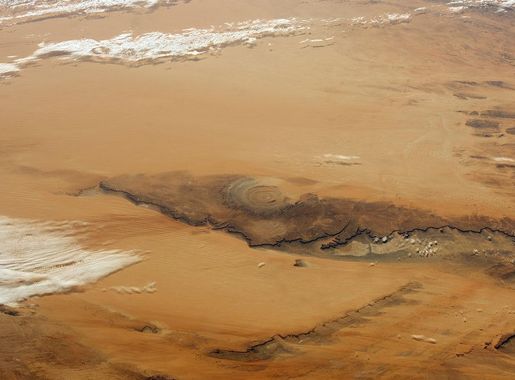


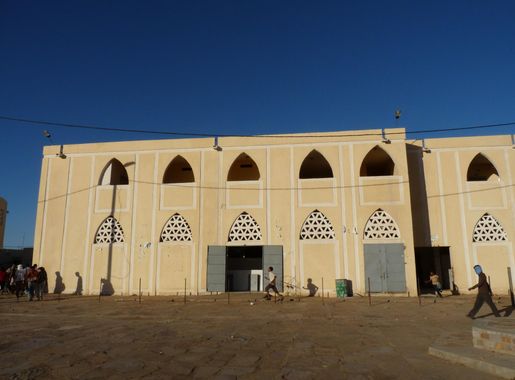
Inchiri: The Hidden Gem of Mauritania
Inchiri, a lesser-known region in Mauritania, offers a unique blend of natural beauty and cultural richness. This desert wonderland is characterized by its vast dunes, rocky plateaus, and ancient rock art, making it an ideal destination for adventure seekers and history buffs alike. The region’s capital, Akjoujt, serves as a gateway to the spectacular landscapes that define Inchiri. Visitors can explore the mesmerizing sand dunes, some of which reach heights of over 100 meters. The desert is not just about sand; it is home to a variety of wildlife, including gazelles, foxes, and numerous bird species. Inchiri is also steeped in history. The ancient rock engravings found in the area provide a glimpse into the lives of the early inhabitants. These petroglyphs, some dating back thousands of years, depict scenes of hunting, animals, and human figures. Exploring these historical sites offers a profound connection to the past and a deeper understanding of Mauritania's rich cultural heritage.