

Free Hodh Ech Chargui Travel Guide & Mobile App
Explore Hodh Ech Chargui with free travel guides. Discover regional history, expert tips, proposed trips, and audio guides on web or mobile app.


Explore Hodh Ech Chargui in eastern Mauritania for Oualata's painted earth architecture, desert landscapes, pastoral culture and trans-Saharan history.
Read more about Hodh Ech Chargui
When is the best time to visit Hodh Ech Chargui?
Best: December–February · 22–24°C| Month | High (°C) | Rainfall (mm) |
|---|---|---|
| January (best) | 22 | 1 |
| February (best) | 24 | 1 |
| March | 28 | 2 |
| April | 31 | 3 |
| May | 34 | 4 |
| June | 37 | 5 |
| July | 38 | 6 |
| August | 35 | 7 |
| September | 34 | 6 |
| October | 32 | 5 |
| November | 28 | 3 |
| December (best) | 23 | 2 |
Getting to and around Hodh Ech Chargui
How to get there
Transportation
Explore Hodh Ech Chargui on the map
Plan your trip on one map. See where the top cities, national parks and sights are, and book hotels and experiences in a few clicks.
Best hotels in Hodh Ech Chargui
Best restaurants in Hodh Ech Chargui
Dining in Hodh Ech Chargui is practical, communal and closely connected to the ingredients that can be transported or produced in a dry region. In Néma, visitors can find simple cafés, market food and modest restaurants serving rice, couscous, pasta, bread, tea and dishes based on meat or vegetables, with availability varying from day to day. In pastoral areas, milk, dates and locally prepared grains may be more significant than a formal restaurant menu. Mauritanian tea, traditionally poured in successive glasses, is an important element of hospitality, while sweet dates and peanuts are common practical refreshments. Oualata is not a destination for a broad restaurant scene, so travellers should arrange meals with accommodation providers or guides and carry durable provisions for the journey. Food expectations should remain flexible: imported ingredients and refrigeration are less dependable than in coastal cities, and eating arrangements may be part of a local household or camp experience rather than a commercial service.
-
Indian
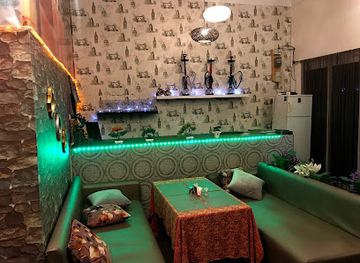
The India Gate الطعام الهندي
Savor authentic Indian flavors at The India Gate in Nouakchott—your gateway to exquisite cuisine in Mauritania.
-
Restaurant
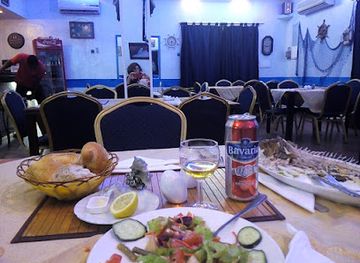
Tafarit Restaurant
Discover the exquisite flavors of Mauritania at Tafarit Restaurant in Nouakchott—renowned for its fresh seafood and inviting ambiance.
-
Restaurant
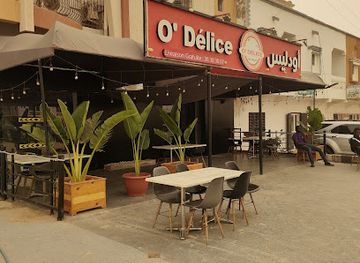
O Délice
Experience the vibrant flavors of hamburgers and tacos at O Délice in Nouakchott - where culinary delights meet warm Mauritanian hospitality.
-
 Restaurant
Terjit Vacances
Experience Mauritania's hospitality at Terjit Vacances - where dining meets comfort in the heart of Nouakchott.
Best bars in Hodh Ech Chargui
Hodh Ech Chargui does not have a conventional bar or nightclub scene. Public evening life is centred on tea, conversation, family visits, market activity and modest cafés, particularly in Néma, while smaller settlements become quiet after the working day. Alcohol is not a normal part of public social life in Mauritania, reflecting the country's Islamic customs and laws. In Oualata and remote areas, evenings are more likely to involve calm gatherings, storytelling or time outdoors beneath a clear sky than organised entertainment. Visitors should not expect late-opening venues, live-music circuits or extensive nightlife infrastructure, and should respect local expectations around dress, behaviour and photography. Accommodation providers or local guides can explain appropriate places for an evening meal or tea, but arrangements are usually informal and may depend on the season, local events and the availability of electricity or communications.
-
Restaurant
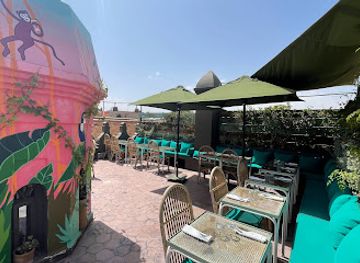
Epicurien
Experience the vibrant culinary scene at Epicurien, where Moroccan flavors meet modern dining in the heart of Marrakech.
-
Bar
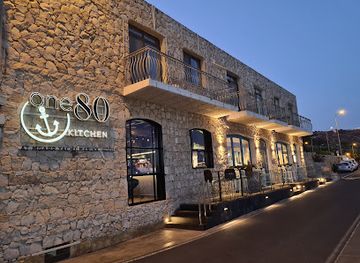
one80 Kitchen at Mgarr Yacht Marina
Experience the perfect blend of exquisite dining and stunning views at One80 Kitchen, the jewel of Mgarr Yacht Marina in Gozo.
-
Restaurant
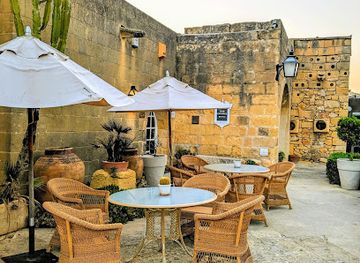
Ta' Frenċ
Discover exquisite Maltese cuisine at Ta' Frenċ, a fine dining gem in Gozo, Malta, where culinary artistry meets breathtaking landscapes.
-
Restaurant
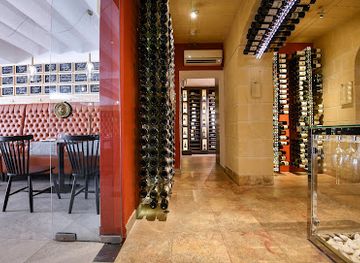
Vini e Capricci by Abraham's
Discover the exquisite flavors of Malta at Vini e Capricci, a gourmet restaurant and wine haven nestled in the heart of the Gozitano Agricultural Village.
Best shops in Hodh Ech Chargui
Shopping in Hodh Ech Chargui is concentrated in Néma's market and commercial streets, where visitors may find basic provisions, clothing, household goods, tea, dates and supplies for onward travel. Retail choice is limited compared with Nouakchott, and stock changes according to transport links and seasonal demand. Oualata is more significant for its traditional architectural craft and local cultural identity than for a large organised retail scene. Visitors may encounter locally made textiles, leather goods or small handicrafts, but should buy respectfully and avoid removing fragments, bricks or decorative material from historic buildings. Regional purchases can include dates, tea, fabrics, practical desert clothing and artisan objects, although provenance and quality should be discussed with a trusted local intermediary. Bargaining may occur in informal markets, but it should be conducted courteously and without treating local livelihoods as entertainment. Carry cash, protect purchases from dust and heat, and allow time for transport arrangements if taking goods onwards.
-
Garden
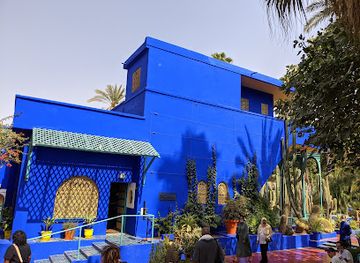
Jardin Majorelle
Explore the stunning Jardin Majorelle, a botanical oasis in Marrakech filled with exotic plants, vibrant colors, and rich Berber heritage.
-
Cultural landmark
Jemaa el-Fnaa
Discover the vibrant atmosphere of Jemaa el-Fnaa, a UNESCO World Heritage site, where culture, cuisine, and entertainment come alive in Marrakech.
-
Shopping mall
Menara Mall
Explore the ultimate shopping experience at Menara Mall, where modern retail meets Moroccan culture in Marrakech.
-
Market
Souk Semmarine
Experience the vibrant and colorful Souk Semmarine, a must-visit market in Marrakesh filled with unique Moroccan treasures and rich cultural experiences.

Get your free copy of our complete guide to Hodh Ech Chargui, delivered straight to you.
Everything on this page, from attractions and restaurants to essentials and local phrases, in one PDF you can read offline, print or share.
Already have an account? Sign in
Your Hodh Ech Chargui guide is ready.
We'll send it to · Not you? Sign out

Getting your guide ready…
We are putting together a fresh copy of the Hodh Ech Chargui guide. This can take up to a minute.
This can take a few moments. If your browser asks, choose Allow so the download can start. You'll find the guide in your Downloads folder.
Nothing happened? Download it again
Sorry, the guide is taking longer than usual. Please try again in a minute, or get it by email instead.
Hodh Ech Chargui essentials
Currency and Payment
Safety
Emergency Situations
Do's and Don'ts
Local Tips
From Eve
Local phrases worth knowing
You don't need to get them perfect. A few words go a long way, and locals appreciate the effort.
Basics
| English | Local | Say it |
|---|---|---|
| Hello | سلام | [Salam] |
| Goodbye | وداع | [Wada'] |
| Yes | نعم | [Na'am] |
| No | لا | [La] |
| Please/You're welcome | من فضلك | [Min fadlak] |
| Thank you | شكرا | [Shukran] |
| Excuse me/Sorry | عفوا | [Afwan] |
| How are you? | كيف حالك؟ | [Kayfa halak?] |
| Fine. And you? | بخير. وأنت؟ | [Bikhayr. Wa anta?] |
| Do you speak English? | هل تتحدث الإنجليزية؟ | [Hal tatahadath al-ingliziyah?] |
| I don't understand | لا أفهم | [La afham] |
Eating & Drinking
| English | Local | Say it |
|---|---|---|
| I'd like to see the menu, please | أود رؤية القائمة، من فضلك | [Awad ru'yat al-qa'ima, min fadlak] |
| I don't eat meat | لا أتناول اللحم | [La atanaawal al-lahm] |
| Cheers! | في صحتك! | [Fi sihtak!] |
| I would like to pay, please | أود الدفع، من فضلك | [Awad al-daf', min fadlak] |
Emergencies
| English | Local | Say it |
|---|---|---|
| Help! | نجدة! | [Najda!] |
| Go away! | ابتعد! | [Ibta'id!] |
| Call the Police! | اتصل بالشرطة! | [Ittasil bil-shurta!] |
| Call a doctor! | اتصل بطبيب! | [Ittasil bi-tabeeb!] |
| I'm lost | أنا ضائع | [Ana da'i'] |
| I'm ill | أنا مريض | [Ana marid] |
Shopping
| English | Local | Say it |
|---|---|---|
| I'd like to buy... | أود شراء... | [Awad shira'...] |
| I'm just looking | أنا فقط أنظر | [Ana faqat anzur] |
| How much is it? | كم سعره؟ | [Kam si'ruhu?] |
| That's too expensive | هذا مكلف جدا | [Hatha mukallif jiddan] |
| Can you lower the price? | هل يمكنك تخفيض السعر؟ | [Hal yumkinuka takhfid al-si'r?] |
Time & Numbers
| English | Local | Say it |
|---|---|---|
| What time is it? | ما الوقت؟ | [Ma al-waqt?] |
| It's one o'clock | الساعة واحدة | [Al-sa'ah wahida] |
| Half past (10) | نصف الساعة (10) | [Nisf al-sa'ah (10)] |
| Morning | صباح | [Sabah] |
| Afternoon | بعد الظهر | [Ba'ad al-zuhur] |
| Evening | مساء | [Masa'] |
| Yesterday | أمس | [Ams] |
| Today | اليوم | [Al-yawm] |
| Tomorrow | غدا | [Ghad] |
| 1 | 1 | [1] |
| 2 | 2 | [2] |
| 3 | 3 | [3] |
| 4 | 4 | [4] |
| 5 | 5 | [5] |
| 6 | 6 | [6] |
| 7 | 7 | [7] |
| 8 | 8 | [8] |
| 9 | 9 | [9] |
| 10 | 10 | [10] |
Transport & Directions
| English | Local | Say it |
|---|---|---|
| Where's a/the...? | أين...؟ | [Ayn...?] |
| What's the address? | ما هو العنوان؟ | [Ma huwa al-'unwan?] |
| Can you show me (on the map)? | هل يمكنك أن تريني (على الخريطة)؟ | [Hal yumkinuka an turini (ala al-kharita)?] |
| When's the next (bus)? | متى يأتي (الحافلة) القادمة؟ | [Mata yati (al-hafila) al-qadima?] |
| A ticket (to ....) | تذكرة (إلى....) | [Tadhkira (ila....)] |
History of Hodh Ech Chargui
Early Sahelian Settlement and Pastoral Landscapes
Long before the emergence of the historic caravan towns, the Hodh formed part of a wider Sahelian environment used by pastoralists, hunters and farming communities. Archaeological evidence across the broader Hodh basin indicates that settlement patterns changed as rainfall fluctuated and lakes, grasslands and wells became more or less dependable. Much of the early material record is difficult to visit and is not organised as a conventional tourist attraction, but it helps explain why water points, seasonal grazing and routes through the desert have remained central to life in eastern Mauritania.
Trans-Saharan Trade and the Rise of Oualata
Oualata developed as a major settlement in the network linking the western Sahel with North Africa. Its location supported the movement of salt, gold, textiles, foodstuffs and scholarly knowledge across the Sahara, while its wells and cultivated surroundings made it an important stopping place. Medieval writers associated the town with the wider commercial world of the Ghana and Mali regions, although the routes and political centres changed over time. Oualata's surviving earthen architecture is the clearest physical reminder of this period of long-distance exchange.
Islamic Scholarship and the Historic Ksar Tradition
As Islam spread through the western Sahel, settlements such as Oualata became centres of religious learning as well as commerce. Mosques, manuscript culture, legal study and networks of scholars connected the town to other Saharan and Sahelian communities. The term ksar refers to a fortified or compact historic settlement, and Oualata belongs to the architectural tradition represented by several ancient Mauritanian towns. Its decorated façades, enclosed lanes and earthen construction reflect local building knowledge adapted to heat, limited timber and the availability of compacted earth.
The Mali Empires and Changing Caravan Routes
Oualata and the eastern Hodh were affected by the rise and decline of successive Sahelian powers, including the Mali Empire and later the Songhai sphere. Political authority was often expressed through control of trade routes, tribute, wells and market towns rather than through a continuous state presence across the desert. As trans-Saharan commerce shifted towards other routes and ports, the relative importance of individual settlements changed. The region's layered cultural identity reflects centuries of movement among Arabic-speaking, Berber, Soninke, Fulani and other Sahelian communities.
French Colonial Expansion and Border Formation
French authority expanded into Mauritania during the late nineteenth and early twentieth centuries, gradually altering the political geography of the eastern territories. Colonial administration introduced new military posts, taxation systems and border arrangements, while caravan commerce continued in modified form. The boundary with what became Mali divided established routes and pastoral networks, although movement and social connections did not simply disappear. Néma gained importance as an administrative and transport centre, contributing to the modern hierarchy of settlements in Hodh Ech Chargui.
Drought, Sedentarisation and Contemporary Change
Severe droughts in the Sahel, particularly from the 1970s onwards, placed intense pressure on pastoral livelihoods, wells, livestock and seasonal migration. Many families adopted more settled patterns or combined herding with trade, wage work and small-scale cultivation, accelerating the growth of towns such as Néma. Roads, humanitarian services and cross-border commerce have also reshaped local life. Today, Hodh Ech Chargui remains strongly connected to pastoral traditions, but its communities are negotiating modern education, migration, climate uncertainty and the practical challenges of living in a remote border region.
Hodh Ech Chargui in Photos
Browse through our photo collection highlighting the charm and character of the destination.
Neighbouring regions of Hodh Ech Chargui
The closest regions to Hodh Ech Chargui, if you have time for more than one.
-

-

-

-

-


Swipe for more regions
Explore more

Explore more of Mauritania
Discover Mauritania's vast Sahara Desert, ancient cities, and rich cultural heritage. Experience the stunning landscapes and warm hospitality of this West African gem.
Explore Mauritania