

Free Néma Travel Guide & Mobile App
Explore Néma with free travel guides. Discover regional history, expert tips, proposed trips, and audio guides on web or mobile app.


Néma offers a practical gateway to eastern Mauritania’s Sahelian landscapes, historic caravan routes, markets and the wider Hodh Ech Chargui region.
Read more about Néma
When is the best time to visit Néma?
Best: December–February · 28–31°C| Month | High (°C) | Rainfall (mm) |
|---|---|---|
| January (best) | 28 | 0 |
| February (best) | 31 | 0 |
| March | 35 | 1 |
| April | 38 | 1 |
| May | 40 | 2 |
| June | 42 | 2 |
| July | 42 | 5 |
| August | 41 | 8 |
| September | 40 | 4 |
| October | 36 | 1 |
| November | 31 | 0 |
| December (best) | 28 | 0 |
Getting to and around Néma
How to get there
Transportation
Best attractions in Néma
Néma’s attractions are primarily environmental, cultural and experiential rather than a collection of formal ticketed sights. The town’s markets, tea stalls and working streets offer a grounded view of life in the capital of Hodh Ech Chargui, while the surrounding Sahelian plains reveal the relationship between settlement, wells, seasonal watercourses and pastoral movement. Travellers with suitable vehicles can arrange excursions into the wider countryside, but these require local guidance, water, navigation and careful attention to security. The historic town of Oualata, located elsewhere in Hodh Ech Chargui, is a significant longer-distance excursion for visitors specifically interested in earthen architecture, caravan history and Islamic scholarship; it is not a casual day trip from Néma. Archaeological traces and older pastoral landscapes exist across the wider region, although most are remote and lack interpretation or visitor facilities. The best experiences are therefore often based on landscape observation, local knowledge and patient travel rather than a conventional sightseeing schedule.
-
Banc d'Arguin National Park
Explore the breathtaking Banc d'Arguin National Park, a UNESCO World Heritage site in Mauritania, where stunning landscapes and rich biodiversity await.
-
Mauritanian National Museum
Explore the rich cultural heritage of Mauritania at the Mauritanian National Museum, a treasure trove of history and art in Nouakchott.
-
 Tourist attraction
the Bay of Lévrier
Explore the Bay of Lévrier, a breathtaking coastal paradise in Nouadhibou, known for its stunning landscapes and rich marine biodiversity.


Best landmarks in Néma
Néma’s most important landmarks are tied to its function as an eastern regional capital rather than to a dense historic core. The town’s mosque, public buildings, market areas and broad road approaches express its role as an administrative and commercial centre for Hodh Ech Chargui, although visitors should observe restrictions around government and security facilities. The wider landscape itself is a defining landmark: open Sahelian horizons, sandy ground, seasonal channels and distant pastoral routes explain why movement and water have shaped settlement here. Oualata, far to the south-west within the same wilaya, is the region’s major historic architectural reference, known for earthen houses, decorated façades and a long association with caravan commerce and Islamic learning; it must be visited as a separate overland destination. Néma should therefore be understood through its regional setting rather than judged by the number of monumental buildings within the town.
-
Tourist attraction
Richat Structure
Visit the Richat Structure in Mauritania, a stunning geological wonder known as the Eye of the Sahara, offering breathtaking views and unique explorations.
-
National park
Banc d'Arguin National Park
Explore the breathtaking landscapes and rich biodiversity of Banc d'Arguin National Park, a UNESCO World Heritage site in Mauritania.
-
Shopping mall
Marche Capitale
Experience the vibrant culture and shopping scene at Marche Capitale, Nouakchott's premier shopping destination, blending local charm with modern flair.
-
Museum
Mauritanian National Museum
Discover the essence of Mauritania at the Mauritanian National Museum, showcasing the rich history and diverse culture of this captivating country.


Explore Néma on the map
Plan your trip on one map. See where the top cities, national parks and sights are, and book hotels and experiences in a few clicks.
Best hotels in Néma
Best restaurants in Néma
Dining in Néma is functional and locally oriented, with modest restaurants, tea establishments and food sellers serving residents, traders and travellers. Meals commonly draw on Mauritanian and wider Sahelian patterns, including rice, couscous, meat, legumes, bread and sauces, while tea is an important part of hospitality and social exchange. Availability varies, and menus may be limited outside busy periods, so visitors with dietary restrictions should carry suitable supplementary food. Fresh produce can be less predictable than in coastal or major urban markets, although local shops and market stalls may provide fruit, vegetables, dates and staple provisions when supplies arrive. Restaurants attached to accommodation may be the most convenient option for travellers, but advance confirmation is sensible. Eating respectfully, accepting local meal times and allowing extra time for preparation are more useful expectations than seeking a developed fine-dining scene.
-
Restaurant
مطعم بالاسيو Palacio
Discover the flavors of Mauritania at Palacio, where local cuisine meets inviting hospitality in the heart of Nouakchott.
-
Restaurant
Rotana Café
Discover the flavors of Mauritania at Rotana Café - where local meets international cuisine in a welcoming atmosphere.
-
Indian
The India Gate الطعام الهندي
Discover the vibrant flavors of Indian cuisine blended with African influences at The India Gate Restaurant in Nouakchott.
-
Restaurant
Tafarit Restaurant
Discover the authentic flavors of Mauritania at Tafarit Restaurant in Nouakchott - where tradition meets taste in every dish.


Best bars in Néma
Néma does not have a conventional bar or nightclub scene. Mauritania is an Islamic country where public nightlife is centred on cafés, tea houses, restaurants and social visits rather than alcohol-led entertainment. Evenings in town may involve tea, conversation and busy market or street activity, while remote areas become quiet soon after dark. Visitors should not expect established club districts, late-night venues or a large live-music programme. Alcohol is not part of ordinary public hospitality and should not be sought or consumed in ways that disregard local law or custom. For travellers, the evening experience is more likely to consist of a meal, a short walk in an appropriate busy area or time spent with a local host, followed by an early start for the next day’s journey.
-
Restaurant
مطعم بالاسيو Palacio
Savor the authentic taste of Mauritania at مطعم بالاسيو Palacio, a must-visit restaurant in Nouakchott offering a rich culinary experience.
-
Muxima
Experience the vibrant nightlife of Muxima in Vila Nova de Gaia, where cocktails, dancing, and unforgettable moments await you.
-
Restaurant
Rotana Café
Experience the rich flavors of Mauritania at Rotana Café, where traditional cuisine meets a warm, inviting atmosphere in the heart of Nouakchott.
-
Restaurant
Tafarit Restaurant
Experience the best of Mauritian seafood at Tafarit Restaurant, a culinary gem in the heart of Nouakchott, known for its vibrant atmosphere and fresh flavors.


Best nightclubs in Néma
Néma does not have a conventional bar or nightclub scene. Mauritania is an Islamic country where public nightlife is centred on cafés, tea houses, restaurants and social visits rather than alcohol-led entertainment. Evenings in town may involve tea, conversation and busy market or street activity, while remote areas become quiet soon after dark. Visitors should not expect established club districts, late-night venues or a large live-music programme. Alcohol is not part of ordinary public hospitality and should not be sought or consumed in ways that disregard local law or custom. For travellers, the evening experience is more likely to consist of a meal, a short walk in an appropriate busy area or time spent with a local host, followed by an early start for the next day’s journey.
-
Restaurant
Nouakchott Night
Immerse yourself in the vibrant nightlife of Nouakchott Night, where exquisite cuisine meets lively entertainment in the heart of Mauritania.
-
Men's clothing store
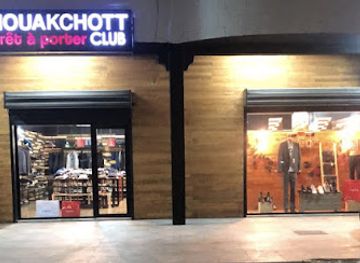
NOUAKCHOTT CLUB
Experience the fusion of traditional Mauritanian style and modern fashion at Nouakchott Club, a premier men's clothing destination in Nouakchott.
-
Restaurant
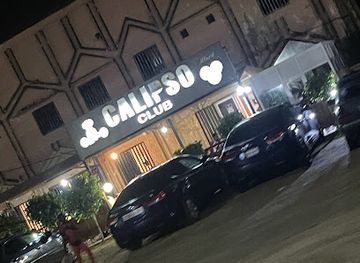
Calipso Club
Discover the vibrant flavors of Mauritania at Calipso Club, where culinary tradition meets modern dining in Nouakchott.
-
Night club
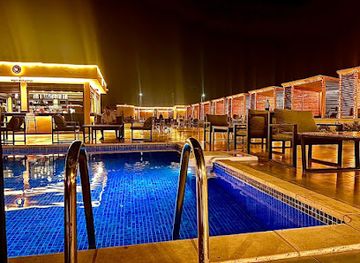
قاعة نجوم ليل
Experience the vibrant nightlife of Nouakchott at قاعة نجوم ليل, a lively bar with a unique atmosphere and diverse drink offerings.
Best shops in Néma
Shopping in Néma is oriented towards daily necessities, provisions and regional exchange rather than souvenirs or specialist retail. Market stalls and small shops may offer clothing, household goods, dates, tea, grains, dried foods and practical equipment for journeys. Visitors can look for locally used textiles, leather goods and simple craft items, but quality and availability vary and purchases should be made through respectful bargaining rather than aggressive negotiation. There is little reason to expect a dedicated tourist shopping quarter, a large modern shopping centre or a permanent selection of gallery-style crafts. The most useful purchases before travelling onwards are water, food, sun protection, batteries, medicines and other supplies that may be difficult to replace in remote districts. Ask permission before photographing market activity, and remember that some goods connected with wildlife, antiquities or archaeological material should not be purchased or exported.
-
Grocery store
Big Market
Discover the local culture at Big Market, Nouakchott's bustling grocery store offering fresh produce and traditional Mauritian goods.
-
Shopping mall
Marche Capitale
Explore Marche Capitale: A vibrant shopping mall in Nouakchott, Mauritania, blending local culture with modern shopping and dining experiences.
-
Art gallery
Galerie Zeinart
Discover the artistic heart of Nouakchott at Galerie Zeinart, where Mauritania's vibrant culture comes to life through stunning artworks.
-
Supermarket
SUPER MARKET 28 Novembre
Discover the essence of Mauritania at Super Market 28 Novembre, a vibrant hub for local goods and a taste of authentic culture.


Get your free copy of our complete guide to Néma, delivered straight to you.
Everything on this page, from attractions and restaurants to essentials and local phrases, in one PDF you can read offline, print or share.
Already have an account? Sign in
Your Néma guide is ready.
We'll send it to · Not you? Sign out

Getting your guide ready…
We are putting together a fresh copy of the Néma guide. This can take up to a minute.
This can take a few moments. If your browser asks, choose Allow so the download can start. You'll find the guide in your Downloads folder.
Nothing happened? Download it again
Sorry, the guide is taking longer than usual. Please try again in a minute, or get it by email instead.
Néma essentials
Currency and Payment
Safety
Emergency Situations
Do's and Don'ts
Local Tips
From Eve
Local phrases worth knowing
You don't need to get them perfect. A few words go a long way, and locals appreciate the effort.
Basics
| English | Local | Say it |
|---|---|---|
| Hello | Salam | [sah-lahm] |
| Goodbye | Bisslama | [bis-lah-mah] |
| Yes | Iye | [ee-yeh] |
| No | La | [lah] |
| Please/You’re welcome | Afwan | [ah-fwan] |
| Thank you | Shukran | [shook-rahn] |
| Excuse me/Sorry | Samahni | [sah-mah-nee] |
| How are you? | Kif halak? | [keef hah-lak] |
| Fine. And you? | Bikhair. Winta? | [bi-khair. win-tah] |
| Do you speak English? | Hal tatakalam al-injiliziyya? | [hal tah-tah-kah-lam al-in-ji-li-zee-yah] |
| I don't understand | Ana la afham | [ah-nah lah af-ham] |
Eating & Drinking
| English | Local | Say it |
|---|---|---|
| I’d like to see the menu, please | Ureed an ara al-menu, afwan | [oo-reed an ah-rah al-men-oo, ah-fwan] |
| I don’t eat meat | Ana la akul lahm | [ah-nah lah ah-kool lahm] |
| Cheers! | Sahha! | [sah-hah!] |
| I would like to pay, please | Ureed an adfa' al-fatur, afwan | [oo-reed an ad-fa' al-fa-toor, ah-fwan] |
Emergencies
| English | Local | Say it |
|---|---|---|
| Help! | Ain help! | [ayn help!] |
| Go away! | Ithhab! | [ith-hab!] |
| Call the Police! | Ittasil bil shurta! | [it-ta-sil bil shoor-ta!] |
| Call a doctor! | Ittasil bi-doctor! | [it-ta-sil bi-dok-tor!] |
| I’m lost | Ana ad-dai | [ah-nah ad-dai] |
| I’m ill | Ana marid | [ah-nah ma-rid] |
Shopping
| English | Local | Say it |
|---|---|---|
| I’d like to buy... | Ureed an ashtari... | [oo-reed an ash-ta-ree...] |
| I’m just looking | Ana faqat an-nazir | [ah-nah fah-kat an-nah-zeer] |
| How much is it? | Kam thamanuhu? | [kam tha-ma-nu-hu?] |
| That’s too expensive | Hatha ghaly jidan | [hah-tha ghal-ee jee-dan] |
| Can you lower the price? | Hal mumkin an tukhafid al-thaman? | [hal mum-keen an took-ha-feed al-tha-man?] |
Time & Numbers
| English | Local | Say it |
|---|---|---|
| What time is it? | Kam as-sa'a? | [kam as-sah-ah?] |
| It’s one o’clock | Al-sa'a wahida | [al-sah-ah wah-hee-dah] |
| Half past (10) | Nisf al-ashra | [nisf al-ash-rah] |
| Morning | Sabaah | [sah-bah] |
| Afternoon | Ba'ad al-duhr | [ba'ad al-duhr] |
| Evening | Masaa' | [mah-sah] |
| Yesterday | Ams | [ams] |
| Today | Al-yawm | [al-yawm] |
| Tomorrow | Ghad | [ghad] |
| 1 | Wahid | [wah-heed] |
| 2 | Ithnain | [ith-nain] |
| 3 | Thalatha | [thah-lah-thah] |
| 4 | Arba'a | [ar-ba-ah] |
| 5 | Khamsa | [khahm-sah] |
| 6 | Sitta | [sit-tah] |
| 7 | Sab'a | [sab-ah] |
| 8 | Thamaniya | [thah-ma-nee-yah] |
| 9 | Tis'a | [tis-ah] |
| 10 | Ashara | [ah-sha-rah] |
Transport & Directions
| English | Local | Say it |
|---|---|---|
| Where's a/the...? | Ayna ...? | [ay-nah ...?] |
| What's the address? | Ma huwa al-'unwan? | [ma hoo-wah al-un-wan?] |
| Can you show me (on the map)? | Hal mumkin an tu'arini (ala al-kharta)? | [hal mum-keen an too-ah-ree-nee (ah-lah al-khar-tah)?] |
| When's the next (bus)? | Mata al-hafila al-qadima? | [ma-tah al-ha-fee-lah al-qa-dee-mah?] |
| A ticket (to ....) | Tazkara (ila ...) | [taz-ka-rah (ee-lah ...)] |
History of Néma
Early Pastoral Landscapes
The Hodh, including the area around present-day Néma, has been occupied and crossed by pastoral communities for thousands of years. Rock art, stone-built remains and archaeological evidence elsewhere in the wider eastern Mauritanian landscape record periods when rainfall was greater and cattle herding was more widespread than today. Modern settlement patterns therefore sit within a much older history of seasonal movement between wells, grazing grounds and temporary watercourses. Many traces are remote, difficult to interpret without specialists and not organised as conventional visitor sites.
Trans-Saharan Trade and Islam
Eastern Mauritania developed through links between the Sahara, the Sahel and the markets of the western Sudan. Caravans transported commodities such as salt, livestock and textiles, while Islamic scholarship and religious networks moved along the same broad corridors. The historic town of Oualata, in the wider Hodh Ech Chargui region south-west of Néma, became known for its trading role, distinctive earthen architecture and learned tradition. Its history helps explain the cultural geography surrounding Néma, although Oualata is a separate destination reached by a demanding overland journey.
The Hassaniya Cultural Sphere
Over several centuries, tribal, scholarly and trading networks helped shape the Hassaniya-speaking culture that extends across Mauritania and neighbouring parts of the Sahara and Sahel. Néma’s social and commercial life reflects this wider cultural sphere, while its eastern position also brings it into contact with communities and trading patterns linked to Mali. Identity in the region has been influenced by mobility, pastoralism, Islamic learning, family networks and changing relationships between settled towns and rural areas.
French Colonial Rule and Eastern Routes
French colonial authority gradually extended across Mauritania during the early twentieth century, establishing administrative control over territories that had previously been governed through local political and social structures. The east was connected to colonial administration through long and difficult routes rather than a dense transport network. Néma’s later importance as an administrative centre reflects this wider process of consolidating government, security and trade in a sparsely populated region.
Independence, Drought and Urban Change
Mauritania became independent in 1960, after which towns such as Néma assumed greater importance as centres of administration, education, commerce and public services. Severe droughts affecting the Sahel from the late twentieth century accelerated changes in settlement and pastoral livelihoods, encouraging some people to move towards towns or to diversify their income. The result is a landscape in which urban markets and services coexist with extensive pastoral areas whose rhythms remain strongly influenced by rainfall.
Néma in Contemporary Eastern Mauritania
Today Néma functions as the capital of Hodh Ech Chargui and a practical regional hub on the eastern road network. Its significance comes less from monumental architecture than from its role in supplying surrounding communities, organising administration and linking inland Mauritania with routes towards Mali. Transport, security and border conditions remain central to the region’s future, as do efforts to maintain livelihoods in an environmentally fragile Sahelian setting.
Néma in Photos
Browse through our photo collection highlighting the charm and character of the destination.
Neighbouring regions of Néma
The closest regions to Néma, if you have time for more than one.
-

-

-

-

-


Swipe for more regions
Explore more

Explore more of Mauritania
Discover Mauritania's vast Sahara Desert, ancient cities, and rich cultural heritage. Experience the stunning landscapes and warm hospitality of this West African gem.
Explore Mauritania