

Free Tagant Travel Guide & Mobile App
Explore Tagant with free travel guides. Discover regional history, expert tips, proposed trips, and audio guides on web or mobile app.


Explore Tagant in Mauritania for oasis towns, ancient ksour, prehistoric settlements, sandstone plateaux and remote Saharan landscapes.
Read more about Tagant
When is the best time to visit Tagant?
Best: February–March, November · 24–27°C| Month | High (°C) | Rainfall (mm) |
|---|---|---|
| January | 21 | 1 |
| February (best) | 24 | 0 |
| March (best) | 27 | 1 |
| April | 31 | 1 |
| May | 35 | 3 |
| June | 37 | 7 |
| July | 38 | 13 |
| August | 37 | 18 |
| September | 35 | 6 |
| October | 31 | 1 |
| November (best) | 25 | 0 |
| December | 21 | 1 |
Getting to and around Tagant
How to get there
Transportation
Best attractions in Tagant
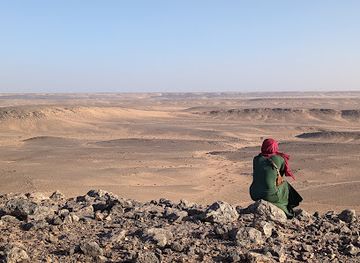
Tagant’s attractions are principally archaeological, geological and landscape-based rather than built for mass tourism. Tidjikja offers an accessible introduction through its oasis gardens, date palms and position beneath the Tagant plateau. Farther afield, Tichitt is the region’s defining historic destination, with stone-built ksour architecture and a setting that illustrates the former importance of caravan settlement. The surrounding Dhar Tichitt area contains prehistoric stone structures and traces of early communities, but sites are dispersed, fragile and best visited with local guidance. Across the plateau, wadis, escarpments, rocky passes and gueltas provide the visual drama of the region; after rain, pools and seasonal vegetation can transform otherwise austere valleys. Outdoor experiences involve overland exploration, walking short sections near settlements and learning how oasis agriculture and pastoral movement depend on scarce water. There are no dense resort facilities or conventional entertainment complexes, and distances between attractions are substantial. The interest lies in reading the landscape: ancient walls beside desert horizons, cultivated palms below bare rock and archaeological evidence of a once wetter Sahara. Visitors should regard conservation and local permission as essential parts of the experience, not as optional formalities.
-
Richat Structure
Discover the Richat Structure in Mauritania, the Eye of the Sahara, a stunning geological marvel that captivates with its unique formations and vibrant colors.
-
Mauritanian National Museum
Discover the heritage of Mauritania at the Mauritanian National Museum, where history and culture come alive through captivating exhibitions.
-
Chinguetti Mosque
Discover the spiritual heart of Mauritania at Chinguetti Mosque, an ancient architectural marvel steeped in rich Islamic heritage and history.
-
Talkout
Explore the serene Talkout Botanical Garden in Chinguetti, Mauritania, a stunning oasis of local flora and tranquility.



Best landmarks in Tagant
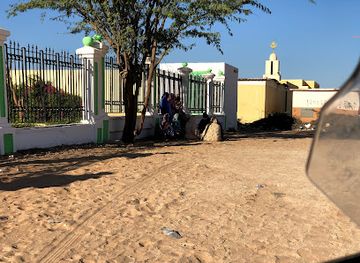
Tichitt’s stone-built historic settlement is Tagant’s most recognisable human landmark. Its compact ksour architecture, built from locally available stone, records the organisation of a desert town shaped by trade, scholarship, defence and the need to conserve shade and water. As part of the Ancient Ksour of Mauritania, it has significance well beyond its isolated appearance. The Dhar Tichitt archaeological landscape is another landmark in the broadest sense: prehistoric walls, settlement traces and stone features mark a period when the Tagant plateau supported more settled communities in a wetter Sahara. Tidjikja’s oasis is a contrasting living landmark, its palms and cultivated gardens making visible the water-management traditions that sustain permanent settlement. The Tagant escarpments and rocky plateaux provide the region’s principal natural landmarks, rising above wadis and routes that have long connected scattered communities. Gueltas, where present and accessible, are important local water features rather than guaranteed attractions, since their condition changes with rainfall. Together these places create a landscape in which architecture, archaeology and geology are inseparable from the question of how people have lived in the desert.
-
Tourist attraction
Richat Structure
Explore the Richat Structure, a stunning geological wonder in Mauritania's Sahara Desert, renowned for its mesmerizing circular formations and vibrant colors.
-
Museum
Mauritanian National Museum
Explore the Mauritanian National Museum – a cultural gem in Nouakchott showcasing the rich history and heritage of Mauritania through diverse exhibits.
-
Art gallery
Galerie Zeinart
Discover the vibrant art scene at Galerie Zeinart, an artistic hub showcasing local talent in Nouakchott, Mauritania.
-
Mosque
Chinguetti Mosque
Explore the Chinguetti Mosque, an ancient marvel of Islamic architecture nestled in the historic city of Chinguetti, Mauritania.


Explore Tagant on the map
Plan your trip on one map. See where the top cities, national parks and sights are, and book hotels and experiences in a few clicks.
Best hotels in Tagant
Best restaurants in Tagant
Dining in Tagant is local, practical and closely connected to hospitality, oasis produce and the limitations of desert supply. In Tidjikja, visitors can expect simple meals based on rice, couscous, pasta, bread, vegetables and meat, with tea served through several careful rounds in many social settings. Dates from the oasis are an important regional product, while milk and meat reflect the continuing importance of pastoral livelihoods. Meals arranged through guesthouses, guides or local households may be more dependable than searching for a formal restaurant, particularly outside the regional capital. Fresh produce can be available in oasis communities, but variety depends on season, transport and water. Travellers heading towards Tichitt or remote desert sites should carry durable food and drinking water rather than assuming that shops or cafés will be open. Mauritanian cuisine shares broad Sahelian and Maghrebi influences, so not every dish encountered in Tagant is exclusive to the region; the distinctive element is the way food, dates, tea and shared hospitality fit an austere environment.
-
Restaurant
مطعم بالاسيو Palacio
Discover authentic Mauritanian flavors at Palacio Restaurant in Nouakchott – a must-visit dining experience for every traveler.
-
Restaurant
Rotana Café
Savor authentic Mauritanian cuisine in a cozy atmosphere at Rotana Café in Nouakchott.
-
Indian
The India Gate الطعام الهندي
Experience authentic Indian cuisine at The India Gate in Nouakchott – where rich flavors meet warm hospitality.
-
Restaurant
Tafarit Restaurant
Experience authentic Mauritanian seafood at Tafarit Restaurant in Nouakchott - where every meal tells a story.


Best bars in Tagant
Tagant does not have a conventional bar or nightclub scene. Mauritania is an Islamic republic where alcohol is not part of public social life, and visitors should not expect licensed drinking venues or late-night entertainment districts. Evening activity in Tidjikja centres instead on family visits, tea, conversation, local gatherings and the quiet rhythm of oasis communities. Guesthouses and camps may provide a place to sit after dinner, while guides can sometimes explain local music or cultural practices when appropriate. In smaller settlements, nights are especially quiet, with stargazing and conversation more realistic than organised entertainment. Respect local religious and social norms, avoid loud behaviour and dress suitably after dark. Because electricity, lighting and telecommunications can be limited, visitors should carry a torch and avoid walking away from accommodation without local advice.
-
Restaurant
SMASH FOOD
Discover the vibrant flavors of Mauritania at SMASH FOOD, a culinary gem in Nouakchott offering diverse and delicious dishes.
-

Auberge Vasque chez Zaïda
Experience authentic Mauritanian cuisine and hospitality at Auberge Vasque chez Zaïda, the perfect retreat in historic Ouadane.
-
Jones bar
Experience the vibrant nightlife and local charm of Jones Bar in Mauritania, a top destination for tourists seeking relaxation and fun.
-
Pub
اتويزكت أكصار
Experience the vibrant nightlife and local culture at اتويزكت أكصار, a must-visit bar in Atar, Mauritania.


Best nightclubs in Tagant
Tagant does not have a conventional bar or nightclub scene. Mauritania is an Islamic republic where alcohol is not part of public social life, and visitors should not expect licensed drinking venues or late-night entertainment districts. Evening activity in Tidjikja centres instead on family visits, tea, conversation, local gatherings and the quiet rhythm of oasis communities. Guesthouses and camps may provide a place to sit after dinner, while guides can sometimes explain local music or cultural practices when appropriate. In smaller settlements, nights are especially quiet, with stargazing and conversation more realistic than organised entertainment. Respect local religious and social norms, avoid loud behaviour and dress suitably after dark. Because electricity, lighting and telecommunications can be limited, visitors should carry a torch and avoid walking away from accommodation without local advice.
-
Restaurant
Nouakchott Night
Immerse yourself in the lively atmosphere and authentic cuisine of Nouakchott Night, a top dining destination in Mauritania's capital.
-
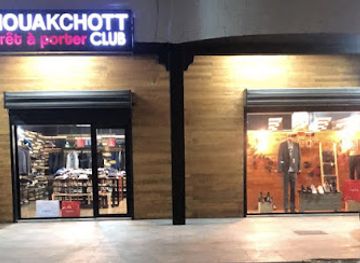
Men's clothing store
NOUAKCHOTT CLUB
Discover stylish men's clothing at NOUAKCHOTT CLUB, where contemporary fashion meets local craftsmanship in Mauritania.
-
Restaurant
Calipso Club
Discover the vibrant culinary scene of Nouakchott at Calipso Club, where local flavors and lively atmosphere await.
-
Bar
قاعة نجوم ليل
Experience the vibrant nightlife at 'قاعة نجوم ليل', where locals and tourists mingle over refreshing drinks and lively music in Nouakchott.

Best shops in Tagant
Shopping in Tagant is limited and functional, with Tidjikja offering the broadest choice of everyday supplies and locally produced goods. Visitors may find dates from oasis gardens, woven items, leatherwork, simple jewellery, clothing, tea and practical desert products, although availability and quality vary and should not be assumed. Purchases from craftspeople or small local traders can support household economies, but bargaining should remain courteous and prices should be agreed clearly before a transaction. Market activity in smaller settlements is modest and may follow local supply patterns rather than a fixed tourist schedule. There are no major shopping centres or extensive designer retail areas. Food supplies, bottled water, fuel and medicines are more important purchases than souvenirs, especially before travelling towards Tichitt or remote archaeological sites. Avoid buying antiquities, old pottery, fossils or carved objects that may have been removed from the desert; exporting cultural material can be illegal and such trade damages the region’s archaeological record.
-
Gift shop
Yassemine Gifts
Explore Yassemine Gifts for unique Mauritanian crafts and souvenirs that capture the essence of Atar's rich cultural heritage.
-
Store
Boutique ehel Babah
Discover unique Mauritanian crafts and artifacts at Boutique ehel Babah, a must-visit store in the historic town of Ouadane.
-
Store
Boutique Himaya
Explore the vibrant craftsmanship of Mauritania at Boutique Himaya, where unique treasures await every visitor.
-
Grocery store
Dididiallo133@gmail. Com
Experience the essence of Mauritania at Dididiallo133@gmail.com, where local flavors and friendly service await.

Get your free copy of our complete guide to Tagant, delivered straight to you.
Everything on this page, from attractions and restaurants to essentials and local phrases, in one PDF you can read offline, print or share.
Already have an account? Sign in
Your Tagant guide is ready.
We'll send it to · Not you? Sign out

Getting your guide ready…
We are putting together a fresh copy of the Tagant guide. This can take up to a minute.
This can take a few moments. If your browser asks, choose Allow so the download can start. You'll find the guide in your Downloads folder.
Nothing happened? Download it again
Sorry, the guide is taking longer than usual. Please try again in a minute, or get it by email instead.
Tagant essentials
Currency and Payment
Safety
Emergency Situations
Do's and Don'ts
Local Tips
From Eve
Local phrases worth knowing
You don't need to get them perfect. A few words go a long way, and locals appreciate the effort.
Basics
| English | Local | Say it |
|---|---|---|
| Hello | As-salamu alaykum | [As-sah-lah-moo ah-lay-kum] |
| Goodbye | Ma'a as-salama | [Mah-ah as-sah-lah-mah] |
| Yes | Na'am | [Nah-am] |
| No | La | [Lah] |
| Please/You're welcome | Afwan | [Ah-fwan] |
| Thank you | Shukran | [Shoo-kraan] |
| Excuse me/Sorry | Asef | [Ah-sef] |
| How are you? | Kayfa halak? | [Kay-fah hah-lak] |
| Fine. And you? | Bikhayr. Wa anta? | [Bee-khayr. Wah an-tah?] |
| Do you speak English? | Hal tatakallam al-inglizia? | [Hal tah-tah-kah-lam al-ing-leez-ee-ah?] |
| I don't understand | Ana la afham | [Ah-nah lah ah-fahm] |
Eating & Drinking
| English | Local | Say it |
|---|---|---|
| I'd like to see the menu, please | Arju an ara al-menu, min fadlak | [Ar-joo an ah-rah al-menoo, min fah-dlak] |
| I don't eat meat | Ana la akul lahm | [Ah-nah lah ah-kool lahm] |
| Cheers! | B'saha | [B'sah-ha] |
| I would like to pay, please | Arju an adfa'a, min fadlak | [Ar-joo an ah-dfah, min fah-dlak] |
Emergencies
| English | Local | Say it |
|---|---|---|
| Help! | Al-oon! | [Al-oon!] |
| Go away! | Izhab! | [Iz-hab!] |
| Call the Police! | Ittasil bil-shurta! | [It-ta-sil bil-shoor-tah!] |
| Call a doctor! | Ittasil bi-doctor! | [It-ta-sil bee-doctor!] |
| I'm lost | Ana ضائع | [Ah-nah da-yi'] |
| I'm ill | Ana marid | [Ah-nah ma-reed] |
Shopping
| English | Local | Say it |
|---|---|---|
| I'd like to buy... | Arju an ashtari... | [Ar-joo an ash-tah-ree...] |
| I'm just looking | Ana faqat nadhir | [Ah-nah fah-kat nah-dheer] |
| How much is it? | Kam thamanuh? | [Kam tha-ma-noo?] |
| That's too expensive | Thalika ghali jidan | [Thah-lee-kah ghah-lee jee-dan] |
| Can you lower the price? | Hal yumkinuka khafdh al-thaman? | [Hal yoo-mkee-nu-kah khafth al-thah-man?] |
Time & Numbers
| English | Local | Say it |
|---|---|---|
| What time is it? | Kam as-saa'a? | [Kam as-sah-ah?] |
| It's one o'clock | Al-saa'a wahida | [Al-sah-ah wah-hee-dah] |
| Half past (10) | Nisf al-‘ashr | [Nisf al-a-shr] |
| Morning | Sabaah | [Sah-bah] |
| Afternoon | Ba'ad al-zhuhr | [Ba'ad al-zhoo-har] |
| Evening | Masa' | [Mah-sah'] |
| Yesterday | Ams | [Ams] |
| Today | Al-yawm | [Al-yawm] |
| Tomorrow | Ghad | [Ghad] |
| 1 | Wahid | [Wah-heed] |
| 2 | Ithnayn | [Ith-nayn] |
| 3 | Thalatha | [Thah-lah-thah] |
| 4 | Arba'a | [Ar-bah-ah] |
| 5 | Khamsa | [Kham-sah] |
| 6 | Sitta | [Sit-tah] |
| 7 | Sab'a | [Sab-ah] |
| 8 | Thamaniya | [Thah-ma-nee-yah] |
| 9 | Tis'a | [Tis-ah] |
| 10 | Ashara | [A-shah-rah] |
Transport & Directions
| English | Local | Say it |
|---|---|---|
| Where's a/the...? | Ayna ...? | [Ay-nah ...?] |
| What's the address? | Ma huwa al-‘unwan? | [Ma hoo-wah al-oon-wan?] |
| Can you show me (on the map)? | Hal yumkinuka an turini (fi al-kharita)? | [Hal yoom-kee-nu-kah an too-ree-nee (fee al-kha-ree-tah)?] |
| When's the next (bus)? | Mata al-bus al-qadim? | [Mah-tah al-boos al-qah-deem?] |
| A ticket (to ....) | Tazkara (ila ...) | [Taz-kah-rah (ee-lah ...)] |
History of Tagant
Dhar Tichitt and Early Sahelian Settlements
The Dhar Tichitt landscape preserves some of the most important archaeological evidence for early settled communities in the western Sahara and Sahel. From the fourth millennium BCE onwards, people occupied stone-built settlements and combined herding, cultivation and the use of wild resources in an environment that was wetter than modern Tagant. Their walls, storage areas and tools show organised communities rather than temporary camps. As aridity increased, many settlements were abandoned or transformed, leaving a record of environmental change and human adaptation across the plateau.
Pastoral Societies and the Desert’s Changing Climate
After the gradual drying of the Sahara, mobile pastoralism became increasingly important across the Tagant. Herding communities moved between seasonal pastures, wells and sheltered valleys, while maintaining knowledge of routes across the plateau and surrounding desert. Rock engravings and scattered archaeological remains recall periods when cattle and other animals were more prominent in the landscape than they are today. This long transition helps explain the region’s later pattern of oasis cultivation, seasonal movement and dependence on carefully managed water sources.
Islamisation and Trans-Saharan Networks
From the medieval period, Islam and Arabic writing spread through the western Sahara alongside expanding commercial and scholarly networks. Tagant’s position between the desert and the Sahel gave its wells and settlements importance within regional movement, even when routes shifted over time. Religious learning, genealogy, trade and pastoral life became closely connected. The surviving architectural and cultural traditions of the region reflect these exchanges, while older local practices and settlement patterns continued to shape life around oases and seasonal resources.
The Rise of Tichitt as a Caravan Settlement
Tichitt developed as one of the stone-built ksour associated with trans-Saharan trade and desert scholarship. Its houses, walls and narrow passages were constructed in response to local materials, heat and the need for defensible, organised settlement. Commercial routes carried goods, animals, ideas and religious knowledge between the Maghreb and the Sahel, although their exact importance varied across centuries. Tichitt’s historic fabric is now protected as part of the Ancient Ksour of Mauritania, a UNESCO World Heritage property inscribed in 1996.
Oasis Agriculture and the Date Economy
Oasis cultivation became a practical foundation of settled life in Tagant, especially around Tidjikja. Date palms, gardens and small-scale crops depend on scarce water and careful seasonal management, creating a sharp contrast with the surrounding stony plateau. Dates also carry social and economic importance, particularly during the harvest season, when communities gather and exchange produce. Although modern food systems and transport have altered local economies, the oasis remains a visible expression of how people have made permanent settlement possible in a desert environment.
French Colonial Expansion and Mauritanian Independence
French authority expanded into the western Sahara and Sahel during the late nineteenth and early twentieth centuries, gradually incorporating Tagant into colonial administrative structures. Military posts, new routes and taxation altered existing political and commercial relationships, while local religious and tribal authorities remained influential. Mauritania became independent in 1960. Since then, Tagant has continued to face the challenges common to remote inland regions: limited infrastructure, drought, out-migration and the cost of connecting scattered communities to national markets and public services.
Heritage Protection and Contemporary Desert Life
In recent decades, archaeological research and international heritage recognition have drawn attention to Tagant’s ancient settlements and prehistoric landscapes. Protection is complicated by remoteness, limited conservation resources, erosion and the vulnerability of unguarded sites. Contemporary Tagant remains a lived region rather than an open-air museum, with oasis agriculture, pastoralism, local trade and public administration continuing around Tidjikja and other settlements. Responsible tourism can support awareness and local livelihoods, but it must avoid treating archaeological remains or desert communities as scenery alone.
Tagant in Photos
Browse through our photo collection highlighting the charm and character of the destination.
Neighbouring regions of Tagant
The closest regions to Tagant, if you have time for more than one.
-

-

-

-

-


Swipe for more regions
Explore more

Explore more of Mauritania
Discover Mauritania's vast Sahara Desert, ancient cities, and rich cultural heritage. Experience the stunning landscapes and warm hospitality of this West African gem.
Explore Mauritania