

Free Aoukar Travel Guide & Mobile App
Explore Aoukar with free travel guides. Discover regional history, expert tips, proposed trips, and audio guides on web or mobile app.


Explore Aoukar in Mauritania for ancient Sahelian settlements, Oualata’s painted architecture, desert landscapes and demanding overland journeys.
Read more about Aoukar
When is the best time to visit Aoukar?
Best: December–February · 27–29°C| Month | High (°C) | Rainfall (mm) |
|---|---|---|
| January (best) | 27 | 1 |
| February (best) | 29 | 1 |
| March | 33 | 1 |
| April | 37 | 2 |
| May | 40 | 2 |
| June | 43 | 3 |
| July | 44 | 3 |
| August | 43 | 4 |
| September | 41 | 3 |
| October | 36 | 2 |
| November | 31 | 1 |
| December (best) | 28 | 1 |
Getting to and around Aoukar
How to get there
Transportation
Best attractions in Aoukar
Aoukar’s attractions are defined by archaeological landscapes, historic settlements and the experience of travelling through a vast Saharan-Sahelian basin rather than by a dense collection of conventional visitor facilities. Oualata is the leading cultural destination, with narrow lanes, decorated earthen façades, historic mosques and traditions of Islamic learning. Tichitt and its surrounding archaeological remains offer a deeper view of early settled communities, stone-built compounds and ancient adaptation to a climate wetter than the present one. Visits require local guidance and should be organised with sensitivity to conservation and community life. Beyond the towns, the basin provides opportunities for carefully planned desert journeys, camel-country observation, landscape photography, night-sky viewing and encounters with pastoral environments. Seasonal grasses, temporary pools and migratory or resident wildlife may appear after rain, although conditions vary sharply from year to year. There are few formal visitor services, marked trails or interpretive centres, so the quality and safety of an experience depend heavily on preparation, a competent driver and local knowledge. Aoukar is best suited to travellers interested in archaeology, vernacular architecture, geography and cultural history rather than those seeking a conventional resort itinerary.
-
Banc d'Arguin National Park
Explore the stunning landscapes and rich biodiversity of Banc d'Arguin National Park in Mauritania, a paradise for nature lovers and adventure seekers.
-
 Tourist attraction
the Bay of Lévrier
Explore the stunning Bay of Lévrier in Nouadhibou, where pristine waters meet dramatic cliffs, offering a perfect blend of adventure and tranquility.

Best landmarks in Aoukar
Oualata’s earthen houses are Aoukar’s most recognisable architectural landmarks. Their façades are often marked by geometric decoration, while the compact settlement preserves the visual character of an old Saharan trading and scholarly centre. Historic mosques and religious buildings reinforce the town’s importance, although access to active places of worship should always be governed by local permission. The archaeological settlements associated with Tichitt form a different kind of landmark: stone-walled compounds and traces of ancient habitation spread across the escarpment landscape, revealing organised communities that lived in a considerably wetter past. Their significance is archaeological rather than monumental, and fragile remains should not be climbed or disturbed. The Aoukar basin itself is also a geographical landmark, with broad sandy depressions, gravel plains, rocky margins and seasonal vegetation marking the transition between the Sahara and the Sahel. These landscapes explain the location of wells, routes and settlements and are best understood slowly, from established tracks and with local guidance.
-
Tourist attraction
Richat Structure
Discover the Richat Structure, a breathtaking natural wonder in the heart of the Sahara, perfect for adventure seekers and geology enthusiasts.
-
Art gallery
Galerie Zeinart
Explore the vibrant artistry of Mauritania at Galerie Zeinart, a cultural hub showcasing local talent and contemporary creativity.
-
Cemetery
Ksar Cemetery
Discover the serene and historic Ksar Cemetery in Nouakchott, a cultural gem reflecting Mauritania's rich heritage and tranquil desert beauty.


Explore Aoukar on the map
Plan your trip on one map. See where the top cities, national parks and sights are, and book hotels and experiences in a few clicks.
Best hotels in Aoukar
Best restaurants in Aoukar
Dining in Aoukar is generally simple, communal and shaped by what can be transported or produced locally. Visitors may encounter rice or couscous served with meat or vegetables, pasta dishes, bread, dates, tea and meals based on goat, sheep or camel where available. Milk and fermented dairy products remain part of pastoral foodways, though availability depends on season and settlement. Oualata and Tichitt have limited formal restaurant infrastructure, so organised journeys commonly rely on guesthouse kitchens, camp cooking or provisions purchased in larger towns before departure. Mauritanian tea is an important social ritual, usually prepared and poured in several rounds, and accepting it can be a respectful way to participate in hospitality. Food markets are modest rather than destination shopping experiences, with supplies fluctuating according to transport and rainfall. Travellers should communicate dietary requirements in advance and carry durable snacks, water-treatment supplies and emergency provisions without expecting a wide range of international cuisine.
-
Restaurant
مطعم بالاسيو Palacio
Discover authentic Mauritian flavors at Palacio - where tradition meets contemporary dining in Nouakchott.
-
Restaurant
Rotana Café
Discover authentic Mauritanian cuisine at Rotana Café – where every dish tells a story and every bite is an experience.
-
Indian
The India Gate الطعام الهندي
Discover authentic Indian cuisine at The India Gate in Nouakchott - where vibrant flavors meet warm hospitality.
-
Restaurant
Tafarit Restaurant
Experience authentic Mauritanian cuisine at Tafarit Restaurant, where rich flavors meet warm hospitality in the heart of Nouakchott.


Best bars in Aoukar
Aoukar has no conventional bar or nightclub scene. Evening life centres on family hospitality, tea, conversation and quiet communal gatherings, with the greatest activity in settled communities rather than along dedicated nightlife streets. Alcohol is not a feature of public life in Mauritania, and visitors should not expect licensed drinking venues. In Oualata or Tichitt, evenings may involve walking through historic lanes with a guide, listening to local accounts, or sitting outside beneath exceptionally dark skies when weather and security conditions allow. Remote camps and guesthouses usually provide an early start rather than late entertainment. Visitors should respect Islamic customs, avoid intrusive photography during gatherings and follow hosts’ guidance about where and when to socialise. The region’s evening appeal lies in hospitality, oral memory, architecture and desert quiet rather than organised nightlife.
-
Restaurant
Tafarit Restaurant
Discover the essence of Mauritanian cuisine at Tafarit Restaurant, where tradition meets flavor in the heart of Nouakchott.
-
Bar
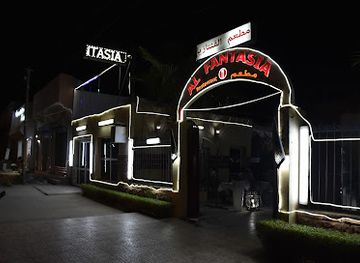
مطعم فنتازيا
Discover the vibrant culinary scene at Restaurant Fantasia, where Mauritian flavors meet contemporary dining in the heart of Nouakchott.
-
O Délice
Discover the delightful flavors of O Délice, a top restaurant in Nouakchott, Mauritania, known for its delicious hamburgers and tacos.
-
Bar
مطعم جلوفة
Discover the vibrant flavors of Mauritania at مطعم جلوفة, a culinary gem in the heart of Nouadhibou offering authentic dishes and warm hospitality.



Best nightclubs in Aoukar
Aoukar has no conventional bar or nightclub scene. Evening life centres on family hospitality, tea, conversation and quiet communal gatherings, with the greatest activity in settled communities rather than along dedicated nightlife streets. Alcohol is not a feature of public life in Mauritania, and visitors should not expect licensed drinking venues. In Oualata or Tichitt, evenings may involve walking through historic lanes with a guide, listening to local accounts, or sitting outside beneath exceptionally dark skies when weather and security conditions allow. Remote camps and guesthouses usually provide an early start rather than late entertainment. Visitors should respect Islamic customs, avoid intrusive photography during gatherings and follow hosts’ guidance about where and when to socialise. The region’s evening appeal lies in hospitality, oral memory, architecture and desert quiet rather than organised nightlife.
-
Restaurant
Nouakchott Night
Discover the flavors and vibrant atmosphere of Nouakchott Night – where Mauritanian cuisine meets lively entertainment.
-
Restaurant
Tacos Klub
Experience the vibrant flavors of Mauritania at Tacos Klub, a must-visit restaurant in Nouakchott for taco lovers and food enthusiasts.
-
Restaurant
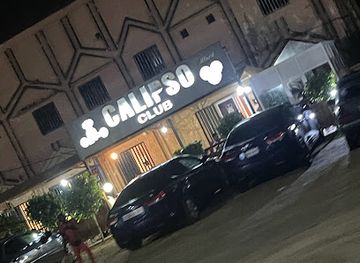
Calipso Club
Experience the vibrant flavors of Mauritania at Calipso Club, a culinary hotspot in Nouakchott offering a blend of local and international cuisine.
-
Night club
قاعة نجوم ليل
Experience the vibrant nightlife at قاعة نجوم ليل, Nouakchott's favorite bar for locals and tourists alike.


Best shops in Aoukar
Shopping in Aoukar is limited and practical, with small local provisions rather than purpose-built retail districts. Oualata may offer handmade objects, textiles, leather goods or locally produced souvenirs through residents and guides, but availability varies and purchases should be made directly and respectfully rather than through aggressive bargaining. In larger gateway towns such as Néma, visitors can stock up on water, food, fuel-related supplies and basic travel equipment before entering the remote basin. Potential souvenirs include woven items, leatherwork, beads and desert-related crafts, although provenance and quality differ. Do not buy archaeological pottery, old manuscripts, carved stones or artefacts that may have been removed from historic sites. Markets and informal stalls are important for everyday commerce but may operate according to local rhythms rather than fixed tourist hours. Carry cash in Mauritanian ouguiya, and regard shopping primarily as a way to support local households and prepare responsibly for the journey.
-
Shopping mall
Marche Capitale
Explore the lively Marche Capitale in Nouakchott, where shopping meets Mauritanian culture, food, and vibrant community life.
-
Art gallery
Galerie Zeinart
Explore the vibrant art scene at Galerie Zeinart in Nouakchott, Mauritania - where tradition meets contemporary creativity.
-
Watch store
Eskale store
Explore Eskale Store in Nouakchott for an exquisite selection of watches that blend luxury and style, perfect for every traveler.
-
Shopping mall
Averroes Store
Explore the vibrant Averroes Store in Nouakchott for unique Mauritanian crafts, local goods, and a taste of the region's rich culture.


Get your free copy of our complete guide to Aoukar, delivered straight to you.
Everything on this page, from attractions and restaurants to essentials and local phrases, in one PDF you can read offline, print or share.
Already have an account? Sign in
Your Aoukar guide is ready.
We'll send it to · Not you? Sign out

Getting your guide ready…
We are putting together a fresh copy of the Aoukar guide. This can take up to a minute.
This can take a few moments. If your browser asks, choose Allow so the download can start. You'll find the guide in your Downloads folder.
Nothing happened? Download it again
Sorry, the guide is taking longer than usual. Please try again in a minute, or get it by email instead.
Aoukar essentials
Currency and Payment
Safety
Emergency Situations
Do's and Don'ts
Local Tips
From Eve
Local phrases worth knowing
You don't need to get them perfect. A few words go a long way, and locals appreciate the effort.
Basics
| English | Local | Say it |
|---|---|---|
| Hello | سلام | [Salaam] |
| Goodbye | وداعا | [Wadaa'an] |
| Yes | نعم | [Na'am] |
| No | لا | [La] |
| Please/You're welcome | من فضلك | [Min fadlik] |
| Thank you | شكرا | [Shukraan] |
| Excuse me/Sorry | عفوا | [Afwan] |
| How are you? | كيف حالك؟ | [Kayfa halak?] |
| Fine. And you? | بخير. وأنت؟ | [Bikhair. Wa anta?] |
| Do you speak English? | هل تتحدث الإنجليزية؟ | [Hal tatahadath al-ingliziyya?] |
| I don't understand | لا أفهم | [La afham] |
Eating & Drinking
| English | Local | Say it |
|---|---|---|
| I'd like to see the menu, please | أود رؤية القائمة، من فضلك | [Awad ru'yat al-qa'ima, min fadlik] |
| I don't eat meat | لا آكل اللحم | [La akul al-lahm] |
| Cheers! | في صحتك! | [Fi sihatak!] |
| I would like to pay, please | أود الدفع، من فضلك | [Awad al-daf', min fadlik] |
Emergencies
| English | Local | Say it |
|---|---|---|
| Help! | ساعدني! | [Sa'idni!] |
| Go away! | ابتعد! | [Ibt'id!] |
| Call the Police! | اتصل بالشرطة! | [Ittasil bil-shurta!] |
| Call a doctor! | اتصل بطبيب! | [Ittasil bi-tabeeb!] |
| I'm lost | أنا ضائع | [Ana dai'] |
| I'm ill | أنا مريض | [Ana marid] |
Shopping
| English | Local | Say it |
|---|---|---|
| I'd like to buy... | أود شراء... | [Awad shira'a...] |
| I'm just looking | أنا فقط أنظر | [Ana faqat anzur] |
| How much is it? | كم ثمنه؟ | [Kam thamano?] |
| That's too expensive | هذا مكلف للغاية | [Hatha mukallaf lilghaya] |
| Can you lower the price? | هل يمكنك خفض السعر؟ | [Hal yumkinuka khafd al-si'r?] |
Time & Numbers
| English | Local | Say it |
|---|---|---|
| What time is it? | كم الساعة؟ | [Kam al-saa'a?] |
| It's one o'clock | الساعة واحدة | [Al-saa'a wahida] |
| Half past (10) | نصف الساعة (10) | [Nisf al-saa'a (10)] |
| Morning | صباح | [Sabah] |
| Afternoon | بعد الظهر | [Ba'd al-zuhar] |
| Evening | مساء | [Masa'] |
| Yesterday | أمس | [Ams] |
| Today | اليوم | [Al-yawm] |
| Tomorrow | غدا | [Ghadan] |
| 1 | واحد | [Wahid] |
| 2 | اثنان | [Ithnan] |
| 3 | ثلاثة | [Thalatha] |
| 4 | أربعة | [Arba'a] |
| 5 | خمسة | [Khamsa] |
| 6 | ستة | [Sitta] |
| 7 | سبعة | [Sab'a] |
| 8 | ثمانية | [Thamaniya] |
| 9 | تسعة | [Tis'a] |
| 10 | عشرة | [Ashara] |
Transport & Directions
| English | Local | Say it |
|---|---|---|
| Where's a/the...? | أين يوجد ...؟ | [Ayn yujad ...?] |
| What's the address? | ما هو العنوان؟ | [Ma huwa al-'unwan?] |
| Can you show me (on the map)? | هل يمكنك إظهاري (على الخريطة)؟ | [Hal yumkinuka idhara'i (ala al-kharita)?] |
| When's the next (bus)? | متى يأتي (الباص) التالي؟ | [Mata yati (al-bas) al-tali?] |
| A ticket (to ....) | تذكرة (إلى ...) | [Tadhkara (ila ...)] |
History of Aoukar
The Humid Sahara and Early Settlement
Aoukar’s archaeological importance is partly explained by the much wetter conditions that affected the Sahara and Sahel during the early and middle Holocene. Seasonal lakes, grasslands and more dependable rainfall supported fishing, herding, cultivation and settled communities in areas that are now markedly arid. Stone tools, pottery and settlement traces across the wider basin reveal long adaptation to changing water and vegetation patterns. As the climate dried, populations altered their economies and movements, leaving a layered archaeological record rather than a single abrupt abandonment.
The Dhar Tichitt Cultural Tradition
The escarpments and settlements of the wider Tichitt area preserve one of West Africa’s most significant early village traditions. From roughly the second millennium BC, communities built stone-walled compounds and combined cultivation, herding and craft production in a region that was becoming drier. Archaeologists associate these settlements with organised communities capable of managing labour, storage and defensive or boundary structures. Their remains demonstrate that complex rural societies developed in the western Sahel long before the rise of later medieval empires.
Caravan Routes and the Ghanaian World
As trans-Saharan exchange expanded during the first millennium AD, the interior of present-day Mauritania became connected to routes carrying salt, gold, metals, textiles and ideas between the Sahara and the Sahel. The ancient Ghanaian sphere, centred farther south, depended on networks that reached through desert margins and oasis settlements. Aoukar’s wells, tracks and inhabited centres formed part of this wider commercial geography, although routes shifted over time in response to politics, climate and the availability of water.
The Rise of Oualata and Islamic Scholarship
Oualata developed as an important Saharan and Sahelian settlement, serving merchants, travellers and scholars moving between the western Sahara and lands farther south. Its Islamic institutions and earthen architecture reflect the town’s place in networks of learning and commerce. Accounts of medieval travel mention the wider region’s role in long-distance journeys, while local building traditions adapted Islamic forms to the materials and climate of the desert. Oualata’s historic fabric remains the clearest visible expression of this period in Aoukar.
Nomadic Pastoralism and Sahelian Exchange
For centuries, pastoral groups moved through Aoukar according to pasture, wells and seasonal conditions, linking settled towns with dispersed camps and trading points. Camels made long-distance transport possible, while goats, sheep and cattle supported household economies in areas where crop production was unreliable. These patterns were never entirely separate from urban life: pastoralists exchanged animals, milk, hides and information with settled communities and helped sustain routes across difficult terrain. Modern mobility has changed, but herding remains a central regional livelihood.
French Colonial Rule and Modern Borders
French expansion into Mauritania during the late nineteenth and early twentieth centuries gradually brought desert settlements and caravan territories under colonial administration. Colonial rule introduced new political boundaries and administrative centres while relying in part on existing tribal, religious and commercial structures. The independence of Mauritania in 1960 transformed the political framework, but the country retained vast distances, limited infrastructure and uneven access to services. In Aoukar, these realities continue to shape travel, communications and the relationship between remote communities and the state.
Heritage Recognition and Contemporary Aoukar
In the modern period, Oualata and the ancient settlements near Tichitt have become internationally recognised for their architectural and archaeological significance. UNESCO lists the Ancient Ksour of Ouadane, Chinguetti, Tichitt and Oualata as a World Heritage property, drawing attention to the historic towns and their role in Saharan culture. Recognition has encouraged conservation and research, while also highlighting the need to protect earthen buildings and archaeological remains from weather, neglect and unregulated visitation.
Aoukar in Photos
Browse through our photo collection highlighting the charm and character of the destination.
Neighbouring regions of Aoukar
The closest regions to Aoukar, if you have time for more than one.
-

-

-

-

-


Swipe for more regions
Explore more

Explore more of Mauritania
Discover Mauritania's vast Sahara Desert, ancient cities, and rich cultural heritage. Experience the stunning landscapes and warm hospitality of this West African gem.
Explore Mauritania