

Free Tiris Zemmour Travel Guide & Mobile App
Explore Tiris Zemmour with free travel guides. Discover regional history, expert tips, proposed trips, and audio guides on web or mobile app.


Explore Tiris Zemmour in northern Mauritania for Sahara landscapes, iron-mining heritage, Kediet ej Jill and the great desert railway.
Read more about Tiris Zemmour
When is the best time to visit Tiris Zemmour?
Best: December–February · 24–27°C| Month | High (°C) | Rainfall (mm) |
|---|---|---|
| January (best) | 25 | 1 |
| February (best) | 27 | 1 |
| March | 30 | 2 |
| April | 33 | 3 |
| May | 37 | 2 |
| June | 41 | 2 |
| July | 41 | 2 |
| August | 41 | 3 |
| September | 38 | 2 |
| October | 34 | 2 |
| November | 28 | 1 |
| December (best) | 24 | 1 |
Getting to and around Tiris Zemmour
How to get there
Transportation
Explore Tiris Zemmour on the map
Plan your trip on one map. See where the top cities, national parks and sights are, and book hotels and experiences in a few clicks.
Best hotels in Tiris Zemmour
Best restaurants in Tiris Zemmour
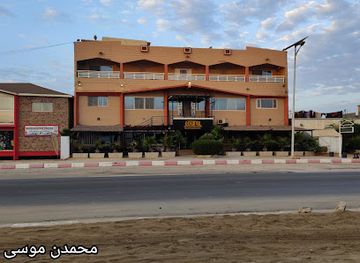
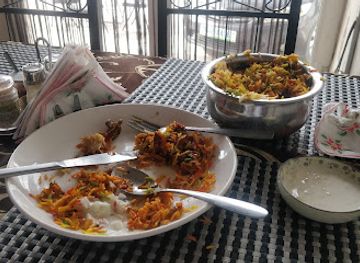
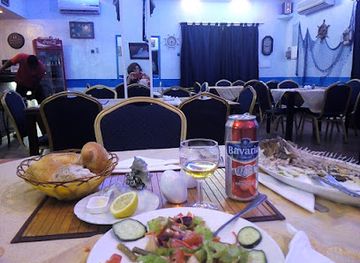
Dining in Tiris Zemmour is concentrated in Zouérate and, to a lesser extent, Fderîck, where modest restaurants, cafés and hotel kitchens serve the staples of Mauritanian and wider Saharan cooking. Visitors can expect rice with meat or fish, couscous, pasta, grilled meats, vegetable stews, bread, dates and sweet tea, with menus shaped by what can be transported and stored in an inland mining town. Goat and camel meat may appear, while fish is more common as a preserved or transported product than as a local catch. Tea, poured in successive glasses, is an important part of social hospitality. Outside the towns, organised desert journeys normally rely on provisions prepared by the guide or camp team, so dietary requirements should be discussed in advance. There is little reason to expect a developed fine-dining scene, but meals shared in a desert camp or local household can provide a more meaningful introduction to regional food culture than a formal restaurant.
-
Restaurant
Rotana Café
Savor authentic Mauritanian cuisine at Rotana Café in Nouakchott – where flavors meet culture in every bite.
-
Indian
The India Gate الطعام الهندي
Experience authentic Indian flavors at The India Gate Restaurant in Nouakchott – where culinary traditions meet vibrant culture.
-
Restaurant
Tafarit Restaurant
Discover Tafarit Restaurant in Nouakchott – where fresh seafood meets traditional Mauritanian hospitality for an unforgettable dining experience.
-
Restaurant
Timeless
Discover exquisite flavors at Timeless in Nouakchott—where every meal tells a story of Mauritania's rich culinary heritage.

Best bars in Tiris Zemmour
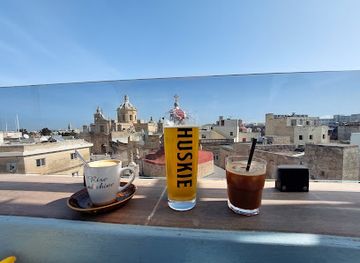
Tiris Zemmour does not have a conventional bar or nightclub scene. Evening life in Zouérate centres on cafés, hotel lounges, tea gatherings, informal conversation and restaurants rather than alcohol-focused venues, while Fderîck and Bir Moghrein offer fewer facilities still. In mining communities, social activity reflects shift work, family life and the practical rhythms of a desert town. Visitors joining an organised expedition may spend evenings around a camp meal, listening to conversation or observing the exceptionally clear night sky, provided local customs and site rules are respected. Alcohol is restricted in Mauritania and should not be assumed to be available. Night-time movement outside settlements requires care because of darkness, uneven ground, vehicles and the absence of services; a guide should advise on appropriate places and timings.
-
City Bar
Discover the vibrant atmosphere of City Bar in Mosta, where locals and tourists come together for great drinks and unforgettable nights.
-
Coffee Circus Smile
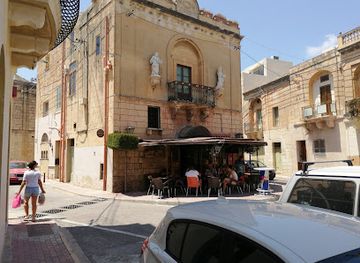
Discover Coffee Circus Smile: A vibrant café in Rabat, Malta, blending art, coffee, and cocktails for a unique experience.
-
 Hotel
HotelMauricenter Hotel
Experience the comfort and warmth of Mauricenter Hotel, your home away from home in the heart of Nouakchott, Mauritania.
-
Restaurant
فندق انواكشوط
Discover the perfect blend of comfort and culture at فندق انواكشوط, a premier hotel in Nouakchott, Mauritania.

Best shops in Tiris Zemmour
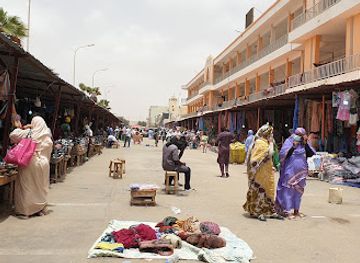
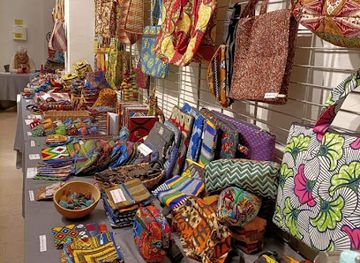
Shopping in Tiris Zemmour is practical and locally focused rather than oriented towards a large tourist market. Zouérate has the broadest range of shops for food, clothing, household goods, phone credit and desert supplies, while smaller settlements offer fewer choices and may depend on irregular deliveries. Visitors can look for Mauritanian textiles, leather goods, woven items, jewellery and small handicrafts, but should buy directly and respectfully rather than treating culturally significant objects as curiosities. Dates, tea, spices and packaged foods are useful regional purchases, particularly before an overland journey. Markets and independent shops reflect the needs of mining workers, families and desert travellers more than luxury retail. Ask about provenance when buying old-looking objects, stones or archaeological-looking pieces, and never purchase artefacts that may have been removed from the desert. Card payment is unreliable, so cash in Mauritanian ouguiya is useful for small purchases and local crafts.
-
Grocery store
Big Market
Discover the vibrant culture and flavors of Mauritania at the Big Market in Nouakchott, a bustling hub for food and unique local goods.
-
Shopping mall
Marche Capitale
Explore the vibrant shopping and cultural scene at Marche Capitale, the heart of retail in Nouakchott, Mauritania.
-
Art gallery
Galerie Zeinart
Explore the vibrant art scene at Galerie Zeinart, a cultural gem in Nouakchott showcasing local talent and rich Mauritanian heritage.
-
Hotel
Hôtel Mama
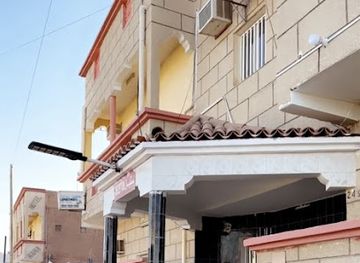
Experience comfort and local culture at Hôtel Mama in Zouérat, Mauritania - your gateway to a unique travel experience.

Get your free copy of our complete guide to Tiris Zemmour, delivered straight to you.
Everything on this page, from attractions and restaurants to essentials and local phrases, in one PDF you can read offline, print or share.
Already have an account? Sign in
Your Tiris Zemmour guide is ready.
We'll send it to · Not you? Sign out

Getting your guide ready…
We are putting together a fresh copy of the Tiris Zemmour guide. This can take up to a minute.
This can take a few moments. If your browser asks, choose Allow so the download can start. You'll find the guide in your Downloads folder.
Nothing happened? Download it again
Sorry, the guide is taking longer than usual. Please try again in a minute, or get it by email instead.
Tiris Zemmour essentials
Currency and Payment
Safety
Emergency Situations
Do's and Don'ts
Local Tips
From Eve
Local phrases worth knowing
You don't need to get them perfect. A few words go a long way, and locals appreciate the effort.
Basics
| English | Local | Say it |
|---|---|---|
| Hello | سلام | [Salam] |
| Goodbye | إلى اللقاء | [Ila al-liqaa] |
| Yes | نعم | [Na'am] |
| No | لا | [La] |
| Please/You're welcome | من فضلك | [Min fadlik] |
| Thank you | شكرا | [Shukran] |
| Excuse me/Sorry | عفوا | [Afwan] |
| How are you? | كيف حالك؟ | [Kayfa halak?] |
| Fine. And you? | بخير. وأنت؟ | [Bikhayr. Wa anta?] |
| Do you speak English? | هل تتحدث الإنجليزية؟ | [Hal tatahadath al-ingliziyya?] |
| I don't understand | لا أفهم | [La afham] |
Eating & Drinking
| English | Local | Say it |
|---|---|---|
| I'd like to see the menu, please | أود رؤية القائمة، من فضلك | [Awad ru'yat al-qa'ima, min fadlik] |
| I don't eat meat | لا آكل اللحم | [La akul al-lahm] |
| Cheers! | في صحتك! | [Fi sihatak!] |
| I would like to pay, please | أود الدفع، من فضلك | [Awad ad-daf'u, min fadlik] |
Emergencies
| English | Local | Say it |
|---|---|---|
| Help! | نجدة! | [Najda!] |
| Go away! | ابتعد! | [Ibt'id!] |
| Call the Police! | اتصل بالشرطة! | [Ittasil bil-shurta!] |
| Call a doctor! | اتصل بالطبيب! | [Ittasil bil-tabib!] |
| I'm lost | أنا ضائع | [Ana da'i'] |
| I'm ill | أنا مريض | [Ana marid] |
Shopping
| English | Local | Say it |
|---|---|---|
| I'd like to buy... | أود شراء... | [Awad shira'...] |
| I'm just looking | أنا فقط أنظر | [Ana faqat anzur] |
| How much is it? | كم سعره؟ | [Kam si'ru?] |
| That's too expensive | هذا غالي جدا | [Hatha ghali jiddan] |
| Can you lower the price? | هل يمكنك خفض السعر؟ | [Hal yumkinuka khafd as-si'r?] |
Time & Numbers
| English | Local | Say it |
|---|---|---|
| What time is it? | كم الساعة؟ | [Kam as-saa'a?] |
| It's one o'clock | الساعة واحدة | [As-saa'a wahida] |
| Half past (10) | نصف (10) | [Nisf (10)] |
| Morning | صباح | [Sabah] |
| Afternoon | بعد الظهر | [Ba'd az-zuhur] |
| Evening | مساء | [Masa'] |
| Yesterday | أمس | [Ams] |
| Today | اليوم | [Al-yawm] |
| Tomorrow | غدا | [Ghadan] |
| 1 | 1 | [1] |
| 2 | 2 | [2] |
| 3 | 3 | [3] |
| 4 | 4 | [4] |
| 5 | 5 | [5] |
| 6 | 6 | [6] |
| 7 | 7 | [7] |
| 8 | 8 | [8] |
| 9 | 9 | [9] |
| 10 | 10 | [10] |
Transport & Directions
| English | Local | Say it |
|---|---|---|
| Where's a/the...? | أين ال...؟ | [Ayna al...?] |
| What's the address? | ما هو العنوان؟ | [Ma huwa al-'unwan?] |
| Can you show me (on the map)? | هل يمكنك إظهار لي (على الخريطة)؟ | [Hal yumkinuka izhar li (ala al-kharita)?] |
| When's the next (bus)? | متى تأتي (الحافلة) القادمة؟ | [Mata ta'ti (al-hafila) al-qadima?] |
| A ticket (to ....) | تذكرة (إلى ....) | [Tadhkira (ila ....)] |
History of Tiris Zemmour
Ancient Saharan settlement and pastoral life
Long before the present mining towns, Tiris Zemmour was part of a wider Saharan world inhabited by pastoral communities and linked to seasonal movement across the desert. Climatic conditions changed repeatedly over thousands of years, leaving archaeological traces and rock art in parts of the northern Mauritanian landscape. These remains are less concentrated and publicised than the archaeological heritage of the Adrar, but they reflect the long human history of a region that was never simply empty desert. Water sources, grazing conditions and knowledge of tracks determined movement across the territory.
Caravan routes and Saharan exchange
Medieval and early modern trade connected the western Sahara with markets farther south and north, carrying salt, livestock, textiles and other goods across routes that shifted with political conditions and access to water. Tiris Zemmour formed part of this broad caravan geography rather than an isolated frontier. Nomadic groups, religious networks and trading communities helped sustain links between the Atlantic-facing regions of Mauritania, the interior and the lands towards present-day Western Sahara and Algeria. The old prominence of caravan travel is still reflected in the region’s dependence on route knowledge and local desert expertise.
French colonial expansion in the north
During the late nineteenth and early twentieth centuries, French colonial power gradually extended its control across Mauritania, often through military posts, negotiated alliances and strategic management of desert routes. Northern territories were administered within the broader colonial framework of French West Africa, although the state’s practical reach remained limited across such vast spaces. The period altered political boundaries and administrative systems while leaving pastoral and tribal structures central to daily life. Some later transport and mining developments followed routes and strategic priorities established during this era.
Independence and the rise of iron mining
Mauritania became independent in 1960, and iron ore soon became central to the new country’s economic strategy. Significant deposits in the Zouérate and Fderîck area were developed during the early 1960s, leading to the creation and rapid growth of modern mining settlements. The industry required roads, power, processing facilities and a dependable export connection, transforming a sparsely settled Saharan zone into the country’s principal mining region. Mining also drew workers and specialised expertise from elsewhere in Mauritania and abroad, giving Zouérate a more urban and industrial character than the surrounding desert.
The desert railway and national development
The railway linking the inland iron-ore mines with the Atlantic port of Nouadhibou became one of Mauritania’s defining infrastructure projects. Built to carry mineral freight, it also created a vital transport corridor for people and supplies across the desert. Its long ore trains cross Tiris Zemmour and neighbouring regions, tying the inland economy to international export markets. The railway’s continued importance illustrates both the strength and vulnerability of a development model centred on one major mineral industry, while its passenger use has made it an unusual symbol of travel in the Sahara.
War, borders and a changing mining economy
The Western Sahara conflict of the 1970s and 1980s affected Mauritania’s northern security environment and disrupted established patterns of movement and commerce. Border areas became more sensitive, and strategic concerns continued after the conflict ended. In the following decades, Tiris Zemmour remained economically important because of iron mining, while exploration and debate over additional mineral resources shaped expectations for the region’s future. Today its history is visible in the contrast between ancient desert mobility, colonial-era administration, planned mining towns and the modern infrastructure of extraction and export.
Tiris Zemmour in Photos
Browse through our photo collection highlighting the charm and character of the destination.
Neighbouring regions of Tiris Zemmour
The closest regions to Tiris Zemmour, if you have time for more than one.
-

-

-

-

-


Swipe for more regions
Explore more

Explore more of Mauritania
Discover Mauritania's vast Sahara Desert, ancient cities, and rich cultural heritage. Experience the stunning landscapes and warm hospitality of this West African gem.
Explore Mauritania