

Adrar, Mauritania Travel Guide
Discover Adrar: where ancient cities meet the vast Sahara, offering a unique blend of history, culture, and natural beauty in the heart of Mauritania.
Adrar, located in northern Mauritania, is a treasure trove of natural wonders and cultural heritage. This enchanting region is known for its stunning desert landscapes, ancient cities, and rich history. The vast sand dunes of Adrar stretch as far as the eye can see, creating a mesmerizing backdrop for any traveler. The region's unique topography includes the famous Richat Structure, also known as the Eye of the Sahara, a geological marvel that is best viewed from above. Adrar is home to the ancient city of Chinguetti, one of the oldest cities in West Africa and a UNESCO World Heritage site. Chinguetti boasts centuries-old libraries filled with ancient manuscripts, narrow alleys, and traditional stone houses. Visiting Chinguetti is like stepping back in time, offering a glimpse into the rich Islamic heritage of the region. Another must-see site is the oasis town of Terjit, where visitors can relax in the shade of palm trees and enjoy the cool waters of natural springs. For the adventurous, Adrar offers opportunities for camel trekking and exploring the rugged terrain of the Sahara. The region's serene and remote environment provides a perfect escape from the hustle and bustle of modern life. Whether you're a history buff, a nature lover, or an adventure seeker, Adrar has something to offer every traveler.

Know before you go
Hi, I'm Eve. Here are a few practical things to know before exploring Adrar.
- Visit during the cooler months from November to February to avoid the extreme heat of the desert.
- Hire a local guide to explore the ancient city of Chinguetti and learn about its rich history.
- Bring plenty of water, sunscreen, and a hat to stay protected from the intense desert sun.
- Consider taking a scenic flight to get a breathtaking view of the Richat Structure.
- Respect local customs and dress modestly, especially when visiting religious sites.
Explore Adrar: Things to Do, Places to Eat, Hotels & More
Handpicked recommendations for top attractions, local dining, accommodations, and more

Top Attractions & Sightseeing in Adrar
Top-rated picks
Best Attractions
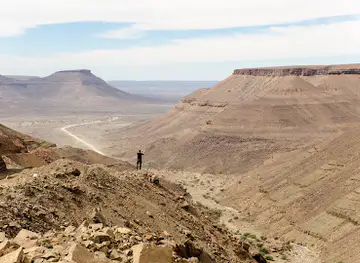
Ben Amera
Discover the awe-inspiring Ben Amera in Mauritania, the world's second largest monolith, where stunning landscapes and rich culture await your exploration.

Adrar Plateau
Discover the awe-inspiring beauty of the Adrar Plateau, a majestic mountain range in Mauritania, rich in culture and breathtaking landscapes.
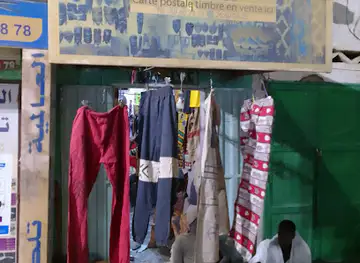
Marché D'Atar
Explore the vibrant Marché D'Atar, a cultural marketplace in Atar, Mauritania, filled with local crafts, delicious cuisine, and rich traditions.

Best landmarks in Adrar
Top-rated picks
Best Landmarks
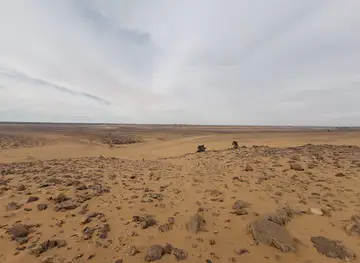
Richat Structure
Discover the Richat Structure, a breathtaking geological wonder in Mauritania's Sahara Desert, known as the 'Eye of the Sahara,' visible even from space.

Chinguetti Mosque
Discover the timeless beauty and spiritual significance of Chinguetti Mosque, one of the oldest mosques in Mauritania, located in the historic city of Chinguetti.

Ben Amera
Explore the majestic Ben Amera, a breathtaking mountain peak in Mauritania, offering stunning views and unforgettable desert adventures.
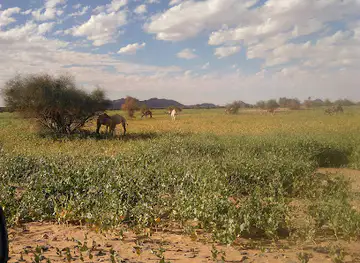
Adrar Plateau
Explore the breathtaking Adrar Plateau in Mauritania, where stunning landscapes meet rich cultural heritage for an unforgettable adventure.

Best restaurants in Adrar
Top-rated picks
Best Restaurants

Restaurant Agadir
Experience authentic Mauritanian cuisine at Restaurant Agadir in Atar – a culinary journey filled with vibrant flavors and warm hospitality.
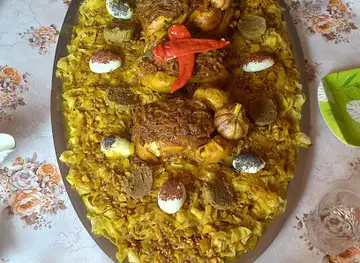
Restaurant Adrar
Experience authentic Mauritanian cuisine at Restaurant Adrar in Atar - where every dish tells a story.

Cafe Et Restaurant La Pause
Discover authentic Mauritanian cuisine at Cafe Et Restaurant La Pause in Atar, where every meal is a celebration of flavor.

Restaurant Repos Adrar
Experience authentic Mauritanian cuisine at Restaurant Repos Adrar - where tradition meets flavor in the heart of Atar.

Best bars in Adrar
Top-rated picks
Best Bars

La Pergola
Experience the vibrant flavors and lively ambiance of La Pergola, a top restaurant and bar in Marrakech, blending Moroccan cuisine and live jazz for an unforgettable night.

Dardar Rooftop : Cocktails & Eat
Experience the magic of Marrakesh at Dardar Rooftop, where exquisite cocktails and authentic Moroccan cuisine meet stunning views.

Casey's Bar
Discover the lively atmosphere of Casey's Bar in Gżira, Malta, with great live music, affordable drinks, and a welcoming vibe.

Mauricenter Hotel
Discover comfort and local charm at Mauricenter Hotel, the perfect base for exploring the vibrant culture of Nouakchott.


Best shops in Adrar
Top-rated picks
Best Shops

Richat Structure
Experience the breathtaking Richat Structure, a natural wonder in Mauritania, known for its stunning geological formations and vibrant colors against the Sahara landscape.

Marche Capitale
Experience the heart of Nouakchott at Marche Capitale, where shopping meets culture in a vibrant mall filled with local and international treasures.

Galerie Zeinart
Discover the vibrant art scene at Galerie Zeinart in Nouakchott, showcasing local and international talent through diverse exhibitions and workshops.

Atar Voyages
Explore the beauty of Mauritania with Atar Voyages, the top travel agency specializing in personalized tours to the Sahara and beyond.

Explore Adrar on the Map
A handpicked selection of must-see spots in Adrar, mapped for you.
Adrar Essentials
-
Adrar is located in central Mauritania. The nearest international airport is Nouakchott–Oumtounsy International Airport in Nouakchott, the capital of Mauritania. From Nouakchott, you can take a domestic flight to Atar Airport, which is the main gateway to the Adrar region. Alternatively, you can travel by road; buses and shared taxis (bush taxis) are available, but the journey can be long and challenging due to road conditions. Renting a 4x4 vehicle is also an option for more flexible travel.
-
Within Adrar, transportation options include taxis, which are relatively affordable and can be hired for both short and long distances. For exploring remote areas and desert landscapes, renting a 4x4 vehicle is highly recommended. Public buses and minibuses operate between main towns, but schedules can be irregular. For a more authentic experience, you can also hire camels for desert treks.
-
The official currency is the Mauritanian Ouguiya (MRU). Credit cards are not widely accepted, so it is essential to carry cash. ATMs are available in larger towns like Atar, but it is advisable to withdraw sufficient cash in Nouakchott before traveling to Adrar. Always carry small denominations, as change can be hard to come by in rural areas.
-
Adrar is generally safe for tourists, but it is important to remain vigilant. Avoid traveling alone at night and steer clear of isolated areas. Some neighborhoods in larger towns may have higher crime rates, so it's best to ask locals or your accommodation for advice. Always keep an eye on your belongings and avoid displaying valuables openly. Check travel advisories before your trip as the security situation can change.
-
In case of emergency, dial 117 for police assistance and 118 for medical emergencies. Medical facilities are limited in Adrar, so it is crucial to have travel insurance that includes medical evacuation. For minor health issues, local pharmacies are available. It is advised to carry a basic first aid kit and any necessary prescription medications.
-
Fashion: Do dress modestly, covering shoulders and knees, especially when visiting religious sites. Avoid wearing revealing clothing. Religion: Do respect local customs. During the call to prayer, be mindful and respectful. Public Transport: Do be courteous and patient. Don't photograph people without permission. Greetings: Do greet people with a handshake and use your right hand. Eating & Drinking: Do try local dishes and respect local dining etiquette. Don’t eat or drink in public during Ramadan.
-
To experience Adrar like a local, visit the weekly markets (souks) where you can buy traditional crafts and fresh produce. Engage with locals, who are often hospitable and willing to share stories about their culture. Don’t miss exploring the ancient town of Chinguetti, a UNESCO World Heritage site, known for its historic libraries and desert architecture. For a unique experience, join a guided desert trek and spend a night under the stars in a nomadic tent.
When is the best time to visit Adrar?
Useful Local Phrases for Adrar
You don't need to speak the language perfectly. Even learning a few simple words can make conversations warmer—and locals usually appreciate the effort.
— Eve

Here are the phrases I use most often in Adrar. Try a few—you'll be surprised how far they go! 😊
❤️
-
- HelloAhlan
[Ah-lan] - GoodbyeMa'a as-salama
[Ma'a as-sa-la-ma] - YesNa'am
[Na-am] - NoLa
[La] - Please/You're welcomeAfwan
[Af-wan] - Thank youShukran
[Shu-kran] - Excuse me/SorryAfwan
[Af-wan] - How are you?Kayfa halak?
[Kay-fa ha-lak] - Fine. And you?Ana bikhayr. Wa anta?
[A-na bi-khayr. Wa an-ta?] - Do you speak English?Hal tatakallam al-ingliziyya?
[Hal ta-ta-kal-lam al-in-gli-ziyya?] - I don't understandAna la afham
[A-na la af-ham]
- HelloAhlan
-
- I'd like to see the menu, pleaseArju an ara al-menu, min fadlak
[Ar-ju an a-ra al-me-nu, min fad-lak] - I don't eat meatAna la akul lahm
[A-na la a-kul lahm] - Cheers!Bi-saha
[Bi-sa-ha] - I would like to pay, pleaseArju an adfa'a, min fadlak
[Ar-ju an ad-fa'a, min fad-lak]
- I'd like to see the menu, pleaseArju an ara al-menu, min fadlak
-
- Help!Al-najda!
[Al-naj-da] - Go away!Izhab!
[Iz-hab] - Call the Police!Ittasil bil shurta!
[It-ta-sil bil shur-ta] - Call a doctor!Ittasil bi-tabeeb!
[It-ta-sil bi-ta-beeb] - I'm lostAna ضائع
[A-na da-i'] - I'm illAna marid
[A-na ma-rid]
- Help!Al-najda!
-
- I'd like to buy...Arju an ashtari...
[Ar-ju an ash-ta-ri...] - I'm just lookingAna just a-nazur
[A-na just a-na-zur] - How much is it?Kam thamanuh?
[Kam tha-ma-nuh?] - That's too expensiveThalika ghalin jidan
[Tha-li-ka gha-lin ji-dan] - Can you lower the price?Hal yumkinuka khafdh as-sum?
[Hal yum-ki-nu-ka khaf-dh as-sum?]
- I'd like to buy...Arju an ashtari...
-
- What time is it?Kam as-sa'a?
[Kam as-sa'a?] - It's one o'clockHiya sa'a wahida
[Hi-ya sa-a wa-hi-da] - Half past (10)Nisf wa sa'a (10)
[Nisf wa sa-a (10)] - MorningSabaah
[Sa-baah] - AfternoonBa'ad al-zuhur
[Ba'ad al-zu-hur] - EveningMasa
[Ma-sa] - YesterdayAms
[A-ms] - TodayAl-yawm
[Al-yawm] - TomorrowGhad
[Ghad] - 1Wahid
[Wa-hid] - 2Ithnayn
[Ith-nayn] - 3Thalatha
[Tha-la-tha] - 4Arba'a
[Ar-ba'a] - 5Khamsa
[Kham-sa] - 6Sitta
[Sit-ta] - 7Sab'a
[Sab-'a] - 8Thamaniya
[Tha-ma-ni-ya] - 9Tis'a
[Tis-'a] - 10Ashara
[A-sha-ra]
- What time is it?Kam as-sa'a?
-
- Where's a/the...?Ayna ...?
[Ay-na ...?] - What's the address?Ma huwa al-onwan?
[Ma hu-wa al-on-wan?] - Can you show me (on the map)?Hal yumkinuka an turini (ala al-kharta)?
[Hal yum-ki-nu-ka an tu-ri-ni (a-la al-khar-ta)?] - When's the next (bus)?Mata al-hafila al-qadima?
[Ma-ta al-ha-fi-la al-qa-di-ma?] - A ticket (to ....)Tazkara (ila ...)
[Taz-ka-ra (i-la ...)]
- Where's a/the...?Ayna ...?
History of Adrar
-
The Adrar Plateau is home to some of the most significant rock art in West Africa, dating back to prehistoric times. These engravings and paintings provide insights into the lives of early inhabitants, depicting scenes of hunting, daily activities, and wildlife that once roamed the region. The art signifies the presence of human settlement in Adrar long before recorded history.
-
In the 11th century, the Adrar region became an important part of the Almoravid Empire. The Almoravids, originally a Berber Muslim dynasty, used the area as a strategic point for their conquests and for spreading Islam throughout West Africa and into Spain. Their influence is still evident in the region's architecture and culture.
-
Adrar was a crucial hub in the trans-Saharan trade routes, connecting West Africa with North Africa and the Mediterranean. Caravans laden with gold, salt, and other commodities would traverse the harsh desert landscapes, stopping at vital oases such as Atar and Ouadane. These trade routes facilitated not just the exchange of goods but also ideas, culture, and religion.
-
Founded in the 12th century, Ouadane quickly rose to prominence as a key trading post in the Adrar region. It became a center for Islamic learning and commerce, attracting scholars, traders, and pilgrims. The town's unique architecture, including its stone buildings and ancient mosques, stands as a testament to its historical significance.
-
In the late 19th and early 20th centuries, the Adrar region came under French colonial control. The French established military outposts and administrative centers, which brought new infrastructure but also significant changes to the local way of life. The colonial period introduced new technologies and education systems, but it also led to resistance and uprisings among the local population.
-
Mauritania gained independence from France in 1960, and the Adrar region began to experience gradual modernization. While maintaining its cultural heritage, the area saw the establishment of new schools, hospitals, and roads. Today, Adrar continues to be an important cultural and historical region, attracting tourists and scholars alike.
Neighbouring Regions of Adrar
The closest regions to Adrar, if you have time for more than one.

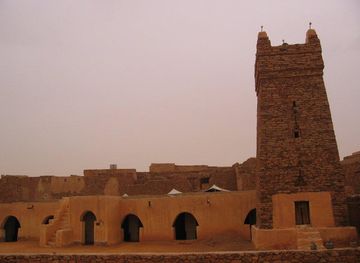

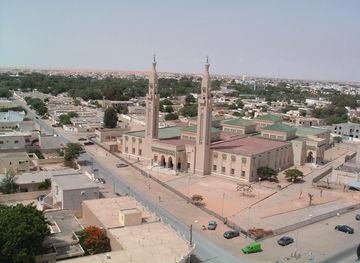
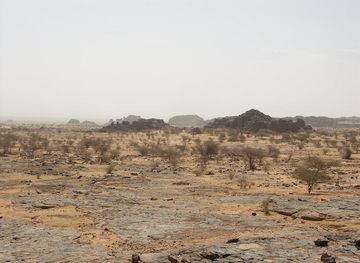

Your all‑in‑one travel companion app
Explore expert travel guides, compare and book tours, experiences, hotels, and more—all from the palm of your hand. Download now for seamless trip planning wherever your wanderlust takes you.


Explore More of Mauritania

Looking beyond Adrar? Discover Mauritania for broader travel guides, local hot-spots, and regional highlights.
Explore MauritaniaAdrar in Photos
Browse through our photo collection highlighting the charm and character of the destination.


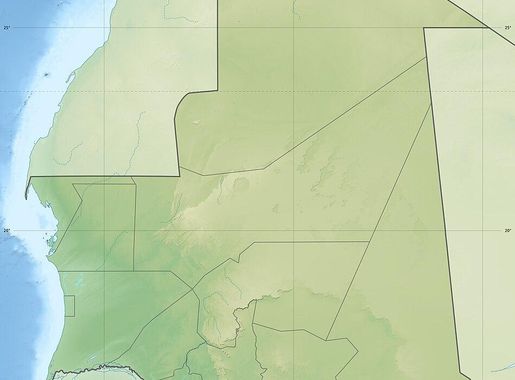


Adrar: The Jewel of the Mauritanian Desert
Adrar, located in northern Mauritania, is a treasure trove of natural wonders and cultural heritage. This enchanting region is known for its stunning desert landscapes, ancient cities, and rich history. The vast sand dunes of Adrar stretch as far as the eye can see, creating a mesmerizing backdrop for any traveler. The region's unique topography includes the famous Richat Structure, also known as the Eye of the Sahara, a geological marvel that is best viewed from above. Adrar is home to the ancient city of Chinguetti, one of the oldest cities in West Africa and a UNESCO World Heritage site. Chinguetti boasts centuries-old libraries filled with ancient manuscripts, narrow alleys, and traditional stone houses. Visiting Chinguetti is like stepping back in time, offering a glimpse into the rich Islamic heritage of the region. Another must-see site is the oasis town of Terjit, where visitors can relax in the shade of palm trees and enjoy the cool waters of natural springs. For the adventurous, Adrar offers opportunities for camel trekking and exploring the rugged terrain of the Sahara. The region's serene and remote environment provides a perfect escape from the hustle and bustle of modern life. Whether you're a history buff, a nature lover, or an adventure seeker, Adrar has something to offer every traveler.