

Free El Hank Travel Guide & Mobile App
Explore El Hank with free travel guides. Discover regional history, expert tips, proposed trips, and audio guides on web or mobile app.


El Hank offers a low-infrastructure Mauritanian encounter shaped by open landscapes, local life and careful desert travel planning.
Read more about El Hank
When is the best time to visit El Hank?
Best: December–February · 25–26°C| Month | High (°C) | Rainfall (mm) |
|---|---|---|
| January (best) | 25 | 1 |
| February (best) | 26 | 2 |
| March | 28 | 3 |
| April | 30 | 4 |
| May | 32 | 5 |
| June | 34 | 6 |
| July | 35 | 7 |
| August | 35 | 8 |
| September | 34 | 7 |
| October | 32 | 6 |
| November | 29 | 5 |
| December (best) | 26 | 4 |
Getting to and around El Hank
How to get there
Transportation
Best attractions in El Hank
El Hank has no established portfolio of visitor attractions documented as a conventional destination. Its appeal, if access is appropriate, lies in the surrounding Mauritanian landscape and in the chance to observe everyday life away from the country's principal urban and heritage centres. Visitors may encounter open desert or semi-desert terrain, transport routes, pastoral activity and the practical adaptations required by limited water and services. These are experiences to approach through a local guide or host rather than as unguided sightseeing. El Hank should not be confused with Mauritania's better-known attractions, including the historic caravan cities of Chinguetti and Ouadane, the Adrar's mountain scenery, or the Banc d'Arguin National Park, all of which are separate destinations. There is no reliable basis for presenting a museum, archaeological site, wildlife reserve, castle or organised outdoor facility as an El Hank attraction. Travellers seeking those experiences should build a wider itinerary around a correctly identified regional centre and treat El Hank only as a locally verified stop.
-
Galerie Zeinart
Discover the artistic heart of Nouakchott at Galerie Zeinart, where local creativity and international art converge in a vibrant cultural experience.

Best landmarks in El Hank
No nationally recognised architectural or natural landmark is securely associated with El Hank itself. Its most important visual features are likely to be the wider landscape, local settlement pattern, tracks, wells or roadside infrastructure, but these should not be described as formal monuments without local confirmation. Travellers should also avoid turning ordinary homes, religious buildings or community spaces into photographic landmarks without permission. Mauritania's major landmarks belong to other, clearly identified destinations: the historic urban heritage of Chinguetti and Ouadane, the ancient settlement of Koumbi Saleh in the southeast, and the coastal and desert environments protected or interpreted elsewhere in the country. If El Hank appears on an itinerary, its significance is principally local and geographic rather than monumental. A guide or resident can explain which places carry meaning for the community and whether visitors may approach or photograph them.
-
Tourist attraction
Richat Structure
Discover the awe-inspiring Richat Structure, a magnificent geological marvel in Mauritania, known for its captivating circular shape and vibrant colors.

Explore El Hank on the map
Plan your trip on one map. See where the top cities, national parks and sights are, and book hotels and experiences in a few clicks.
Best hotels in El Hank
Best restaurants in El Hank
There is no recognised restaurant scene associated specifically with El Hank. Visitors should expect food to be arranged through a host, camp, driver or self-catering provisions rather than purchased from a permanent dining district. Mauritanian meals commonly draw on rice, couscous, meat, vegetables, dates and sweet tea, with regional and household variations reflecting links between the Sahara and the Sahel. Fresh produce and refrigeration may be limited in a small locality, so food for a remote journey should be bought in a larger town and packed safely. Bottled or treated water is essential, and travellers should ask locally about water sources rather than assuming that every well is suitable for drinking. In larger Mauritanian towns, cafés and simple restaurants provide more dependable opportunities to sample local cooking, but businesses, menus and opening arrangements can change; El Hank itself should be treated as a provisioning stop, not a culinary destination.
-
Restaurant
مطعم بالاسيو Palacio
Experience the authentic taste of Mauritania at Palacio Restaurant - where every meal is a celebration of flavor and culture.
-
Indian
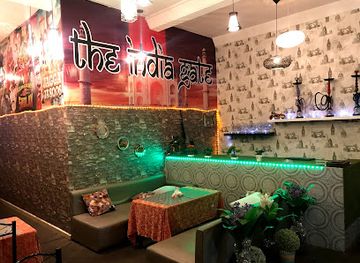
The India Gate الطعام الهندي
Experience authentic Indian cuisine at The India Gate Restaurant in Nouakchott - where every dish tells a flavorful story.
-
Restaurant
Tafarit Restaurant
Experience authentic Mauritanian flavors at Tafarit Restaurant - a must-visit culinary destination in Nouakchott.
-
Restaurant
O Délice
Discover O Délice in Nouakchott: where delicious burgers and tacos meet vibrant local culture in an inviting atmosphere.



Best bars in El Hank
El Hank should not be expected to have bars, nightclubs or a formal nightlife district. Evening social life in a small Mauritanian locality is more likely to centre on family visits, conversation, tea and quiet outdoor gatherings, subject to local customs and conditions. Mauritania is a predominantly Muslim country, and public alcohol consumption is inappropriate; visitors should not import assumptions from European or resort nightlife. In larger cities, some hotels and restaurants may offer evening meals or limited social spaces, while cultural and musical activity varies by venue and season. Remote travel also makes night-time movement impractical: darkness, poor roads, animals, sand and limited lighting create real transport risks. Plan to spend evenings at secured accommodation or with a host, respecting household privacy and community routines.
-
 Bar
پاکستان ہوٹل
Discover the vibrant nightlife at پاکستان ہوٹل, a bar in نواكشوط offering a unique mix of local and international drinks in an inviting atmosphere.
Best nightclubs in El Hank
El Hank should not be expected to have bars, nightclubs or a formal nightlife district. Evening social life in a small Mauritanian locality is more likely to centre on family visits, conversation, tea and quiet outdoor gatherings, subject to local customs and conditions. Mauritania is a predominantly Muslim country, and public alcohol consumption is inappropriate; visitors should not import assumptions from European or resort nightlife. In larger cities, some hotels and restaurants may offer evening meals or limited social spaces, while cultural and musical activity varies by venue and season. Remote travel also makes night-time movement impractical: darkness, poor roads, animals, sand and limited lighting create real transport risks. Plan to spend evenings at secured accommodation or with a host, respecting household privacy and community routines.
-
Restaurant
Nouakchott Night
Discover the lively atmosphere and authentic Mauritanian cuisine at Nouakchott Night, a culinary hotspot in the heart of Nouakchott's nightlife.
-
Restaurant
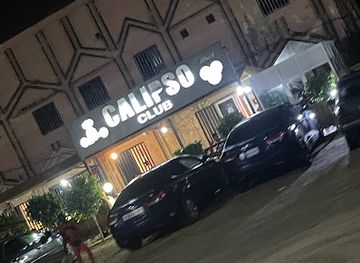
Calipso Club
Experience the vibrant culinary scene at Calipso Club, Nouakchott's favorite restaurant blending local flavors with international cuisine.
-
Bar
پاکستان ہوٹل
Discover the vibrant nightlife at پاکستان ہوٹل, a premier bar in نواکشوط offering an array of drinks in a friendly atmosphere.
-
Night club
Warf
Experience the vibrant nightlife at Warf, Nouakchott's premier night club offering great music, dancing, and a lively atmosphere.

Best shops in El Hank
El Hank is unlikely to offer a formal shopping area, craft quarter or regular tourist market. Visitors should purchase fuel, water, food, medicines, phone credit and other essentials in the nearest established town before travelling onward. Any local exchange is more likely to involve everyday provisions or informal trade than souvenirs. Mauritania is known more broadly for products such as dates, tea, leatherwork, woven goods, jewellery and textiles, but availability, provenance and quality vary, and these items should not automatically be attributed to El Hank. In larger towns, markets provide better opportunities to buy local produce and practical goods; polite bargaining may be customary, but it should remain respectful. Do not remove archaeological material, rocks, fossils or historical objects from the landscape, and ask permission before purchasing items that appear culturally significant.
-
Shopping mall
Marche Capitale
Discover the heart of Nouakchott at Marche Capitale, where shopping, dining, and culture seamlessly blend in a vibrant atmosphere.
-
Art gallery
Galerie Zeinart
Discover a vibrant art scene at Galerie Zeinart in Nouakchott, where local talent meets cultural heritage in captivating exhibitions.
-
Clothing store
MARCHE TURC
Explore the diverse fashion and unique local finds at MARCHE TURC in Nouakchott, Mauritania. A shopping experience unlike any other!


Get your free copy of our complete guide to El Hank, delivered straight to you.
Everything on this page, from attractions and restaurants to essentials and local phrases, in one PDF you can read offline, print or share.
Already have an account? Sign in
Your El Hank guide is ready.
We'll send it to · Not you? Sign out

Getting your guide ready…
We are putting together a fresh copy of the El Hank guide. This can take up to a minute.
This can take a few moments. If your browser asks, choose Allow so the download can start. You'll find the guide in your Downloads folder.
Nothing happened? Download it again
Sorry, the guide is taking longer than usual. Please try again in a minute, or get it by email instead.
El Hank essentials
Currency and Payment
Safety
Emergency Situations
Do's and Don'ts
Local Tips
From Eve
Local phrases worth knowing
You don't need to get them perfect. A few words go a long way, and locals appreciate the effort.
Basics
| English | Local | Say it |
|---|---|---|
| Hello | Hi | [Hai] |
| Goodbye | Bye | [Bai] |
| Yes | Yep | [Yep] |
| No | Nope | [Nope] |
| Please/You're welcome | Sure | [Shoor] |
| Thank you | Thanks | [Thangs] |
| Excuse me/Sorry | Sorry | [Sore-ree] |
| How are you? | How's it going? | [Hows it goin'?] |
| Fine. And you? | I'm good. You? | [I'm gud. Yoo?] |
| Do you speak English? | Do you speak English? | [Doo yoo speek Ing-lish?] |
| I don't understand | I don't get it | [I don't get it] |
Eating & Drinking
| English | Local | Say it |
|---|---|---|
| I'd like to see the menu, please | Can I see the menu? | [Kan I see the men-yoo?] |
| I don't eat meat | I don't eat meat | [I don't eet meet] |
| Cheers! | Cheers! | [Cheers!] |
| I would like to pay, please | Can I pay, please? | [Kan I pay, pleez?] |
Emergencies
| English | Local | Say it |
|---|---|---|
| Help! | Help! | [Help!] |
| Go away! | Leave me alone! | [Leev me a-lone!] |
| Call the Police! | Call 911! | [Call nine-one-one!] |
| Call a doctor! | Get a doctor! | [Get a dok-tor!] |
| I'm lost | I'm lost | [I'm lost] |
| I'm ill | I'm not feeling well | [I'm not feelin' well] |
Shopping
| English | Local | Say it |
|---|---|---|
| I'd like to buy... | I want to buy... | [I want to buy...] |
| I'm just looking | Just browsing | [Just browsin'] |
| How much is it? | How much? | [How much?] |
| That's too expensive | That's pricey | [That's pry-see] |
| Can you lower the price? | Can you make it cheaper? | [Kan you make it cheeper?] |
Time & Numbers
| English | Local | Say it |
|---|---|---|
| What time is it? | What time is it? | [What time is it?] |
| It's one o'clock | It's one o'clock | [It's one o'clock] |
| Half past (10) | Half past ten | [Half past ten] |
| Morning | Morning | [Mornin'] |
| Afternoon | Afternoon | [Afternoon] |
| Evening | Evening | [Eve-ning] |
| Yesterday | Yesterday | [Yesturday] |
| Today | Today | [To-day] |
| Tomorrow | Tomorrow | [To-morrow] |
| 1 | One | [Wun] |
| 2 | Two | [Too] |
| 3 | Three | [Three] |
| 4 | Four | [Four] |
| 5 | Five | [Five] |
| 6 | Six | [Six] |
| 7 | Seven | [Seven] |
| 8 | Eight | [Eight] |
| 9 | Nine | [Nine] |
| 10 | Ten | [Ten] |
Transport & Directions
| English | Local | Say it |
|---|---|---|
| Where's a/the...? | Where's the...? | [Where's the...?] |
| What's the address? | What's the address? | [What's the ad-dress?] |
| Can you show me (on the map)? | Can you point it out? | [Kan you point it out?] |
| When's the next (bus)? | When's the next bus? | [When's the next bus?] |
| A ticket (to ....) | A ticket to ... | [A ticket to ...] |
History of El Hank
Ancient Saharan and Atlantic Networks
The wider Mauritanian landscape has long been crossed by communities moving between seasonal water sources, grazing areas, the Atlantic coast and the Sahel. Archaeological evidence across the country records changing climates, pastoral settlement and long-distance exchange well before the modern state existed. Although no major archaeological complex is securely associated with El Hank itself, a small locality in Mauritania belongs to this broader history of mobility. Its surroundings should not be interpreted as empty wilderness: desert routes have often depended on detailed local knowledge of wells, terrain and seasonal conditions.
Trans-Saharan Trade and Islam
From the medieval period, trans-Saharan commerce linked the western Sahel with North Africa. Salt, gold, dates, textiles and other goods moved through caravan networks, while Islamic scholarship and religious institutions spread across the region. Historic centres such as Chinguetti and Ouadane preserve particularly visible evidence of this era, although they are not part of El Hank. The cultural landscape around small Mauritanian settlements was shaped by the same broad processes of trade, religious learning, pastoralism and movement between desert and Sahel.
Consequences of Colonial Rule
French colonial control expanded across the territory during the early twentieth century, bringing new administrative boundaries, military routes and forms of taxation. Colonial government did not erase older social and trading connections, but it altered the balance between established caravan movements and state-controlled transport. The sparse administrative geography that characterises much of Mauritania today partly reflects this history. For a place such as El Hank, the main legacy is likely to be indirect: its relationship to roads, official jurisdictions and nearby settlements rather than a prominent colonial monument.
Independence and the Mauritanian State
Mauritania became independent in 1960, after which successive governments worked to connect widely dispersed communities through roads, public administration, education and basic services. Development has remained uneven because of the country's large territory, arid environment and low population density. Small localities can therefore remain dependent on larger towns for healthcare, supplies, mechanical repairs and government services. Visitors travelling to El Hank should understand that this is a structural feature of Mauritanian geography, not a temporary shortcoming of a conventional tourist resort.
Pastoral Life, Drought and Sedentarisation
Repeated droughts, especially during the later twentieth century, placed severe pressure on pastoral livelihoods throughout Mauritania and the wider Sahel. Many families became more settled or divided their activities between towns and rural areas, while livestock movements continued where conditions allowed. These changes affected access to water, employment and education, and helped strengthen the importance of urban centres. The contemporary character of a small locality such as El Hank must be viewed within this continuing relationship between mobility, settlement, climate and scarce resources.
Modern Roads, Mining and Regional Mobility
In recent decades, Mauritania has seen expanded road links, commercial transport and mineral development, particularly in the north and west. Mining and infrastructure have created new traffic corridors and employment patterns, while also increasing pressure on fragile desert environments. The benefits and effects vary greatly from one locality to another. El Hank should not automatically be treated as a mining destination or transport hub, but any contemporary visit takes place within a country where extractive industries, long-distance trucking and urban growth increasingly intersect with older desert ways of life.
El Hank in Photos
Browse through our photo collection highlighting the charm and character of the destination.
Neighbouring regions of El Hank
The closest regions to El Hank, if you have time for more than one.
-

-

-

-

-


Swipe for more regions
Explore more

Explore more of Mauritania
Discover Mauritania's vast Sahara Desert, ancient cities, and rich cultural heritage. Experience the stunning landscapes and warm hospitality of this West African gem.
Explore Mauritania