

Free Ouadane Travel Guide & Mobile App
Explore Ouadane with free travel guides. Discover regional history, expert tips, proposed trips, and audio guides on web or mobile app.


Ouadane offers Mauritania's ancient stone ksar, Saharan landscapes, caravan history and access to the wider geological wonders of the Adrar.
Read more about Ouadane
When is the best time to visit Ouadane?
Best: December–February · 24–27°C| Month | High (°C) | Rainfall (mm) |
|---|---|---|
| January (best) | 25 | 0 |
| February (best) | 27 | 0 |
| March | 30 | 0 |
| April | 34 | 0 |
| May | 37 | 1 |
| June | 40 | 1 |
| July | 41 | 1 |
| August | 41 | 1 |
| September | 38 | 1 |
| October | 34 | 0 |
| November | 29 | 0 |
| December (best) | 24 | 0 |
Getting to and around Ouadane
How to get there
Transportation
Best attractions in Ouadane
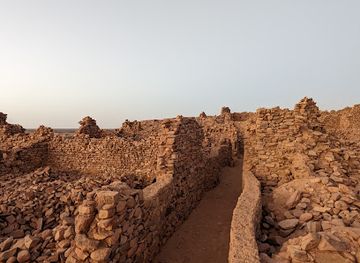
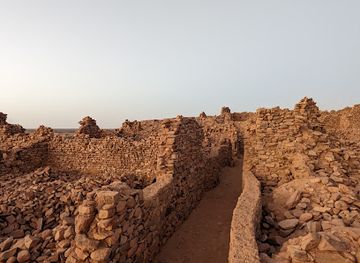
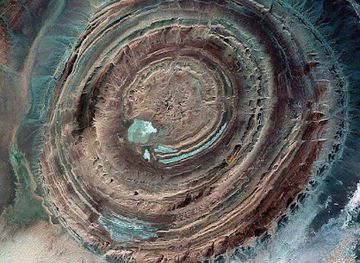
Ouadane's attractions are concentrated in its ancient ksar and the stark Adrar environment around it. The old town is the central experience: visitors can follow narrow, sloping lanes between weathered stone houses, look across the plateau from its elevated position and examine the remains of a settlement built for caravan commerce. Guided walks add context about wells, domestic architecture, religious life and the gradual movement of residents into the modern town. Beyond the ruins, four-wheel-drive excursions reveal wadis, dunes, rocky escarpments and wide desert horizons, although routes depend on local conditions and should be planned with an experienced driver. The Richat Structure, widely known as the Eye of the Sahara, lies outside the town in the wider Adrar landscape and is a remote geological excursion rather than a walkable Ouadane attraction. Chinguetti, another UNESCO-listed ancient ksar, is also a separate settlement and is commonly combined with Ouadane on a broader itinerary. The attraction landscape is therefore archaeological, geological and environmental rather than based on museums, formal visitor facilities or entertainment.
-
Historical landmark
Villa Historique de Ouadane
Explore the majestic Villa Historique de Ouadane, a UNESCO World Heritage site that embodies the rich history and architectural beauty of Mauritania.
-
Mosque
Ouadane Mosque
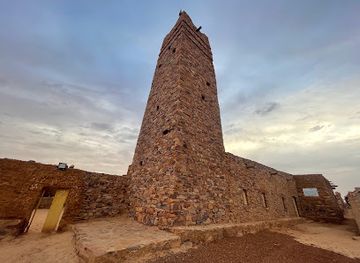
Explore the serene beauty and rich history of Ouadane Mosque, a significant cultural landmark in Mauritania's historic town of Ouadane.
-
Museum
Musée de Ouadane
Explore the rich cultural heritage of Ouadane at Musée de Ouadane, a treasure trove of history and tradition in the heart of Mauritania.
Best landmarks in Ouadane
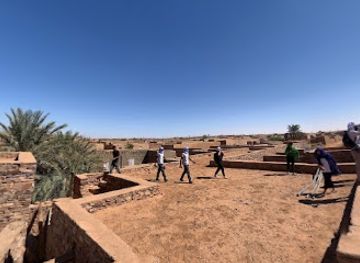
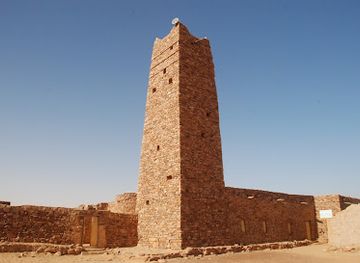
The principal landmark is the old ksar of Ouadane, a stone settlement spread along a rocky ridge above the modern town. Its surviving walls, passages and roofless houses form a distinctive profile against the desert and illustrate how architecture, defence and trade were combined in a Saharan town. Remains associated with the old religious and civic centre help convey the settlement's former importance, although the ruins are fragile and should be viewed without climbing or dismantling masonry. The ridge itself is also a geographical landmark, providing broad views over the Adrar plateau and the shifting edges of the desert. Ouadane's significance is reinforced by its inclusion in the UNESCO-listed Ancient Ksour of Ouadane, Chinguetti, Tichitt and Oualata. The Richat Structure is a major natural landmark of the wider Adrar region, but it lies outside the town and requires a separate remote excursion; it should not be presented as part of Ouadane's built heritage.
-
Tourist attraction
Richat Structure
Explore the Eye of the Sahara: Richat Structure, a breathtaking geological marvel in the heart of Mauritania's desert landscape.
-
 Inn
InnAuberge Vasque chez Zaïda
Experience the charm of Ouadane at Auberge Vasque chez Zaïda, where traditional Mauritanian hospitality meets modern comfort.
-
Historical landmark
Villa Historique de Ouadane
Explore the enchanting Villa Historique de Ouadane, a UNESCO World Heritage gem revealing the rich history and culture of Mauritania's past.
-
Mosque
Second Ouadane Mosque
Discover the serene beauty of Second Ouadane Mosque, a spiritual landmark showcasing Mauritania's rich Islamic heritage amidst the Sahara's desert charm.

Explore Ouadane on the map
Plan your trip on one map. See where the top cities, national parks and sights are, and book hotels and experiences in a few clicks.
Best hotels in Ouadane
Best restaurants in Ouadane
Dining in Ouadane is simple, local and closely connected to desert logistics rather than a developed restaurant scene. Guesthouses, camps and small eateries may provide rice, couscous, pasta, bread, vegetables and meat, with menus shaped by available supplies and the requirements of overland travel. Sweet mint tea is an important part of hospitality and is usually served as a social ritual rather than a quick drink. Dates and other durable provisions are useful on excursions, while bottled water should be purchased or arranged in advance. Dining arrangements are often made through accommodation providers or tour organisers, and visitors should communicate dietary needs before arrival. The food culture reflects wider Mauritanian and Saharan traditions, with communal hospitality more significant than culinary presentation. Outside the modern settlement, meals may be cooked at desert camps or roadside stops, so carrying snacks and accepting that choices will be limited is sensible.
-
Tourist attraction
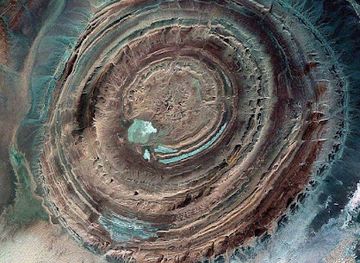
Richat Structure
Explore the Richat Structure in Mauritania: A breathtaking geological marvel that captivates visitors with its stunning circular formation and vibrant colors.
-
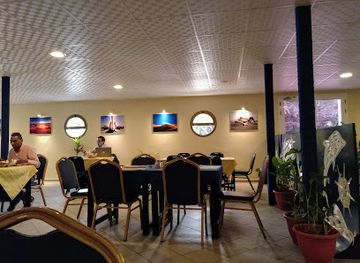
Restaurant
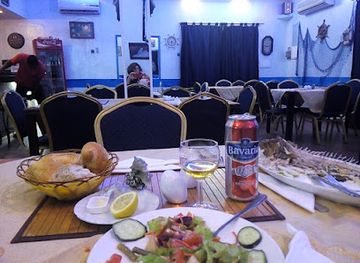
Tafarit Restaurant
Experience the flavors of Mauritania at Tafarit Restaurant, renowned for its exquisite seafood dishes in Nouakchott.
-
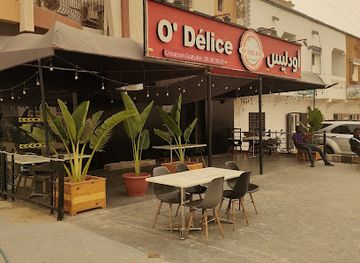
Restaurant
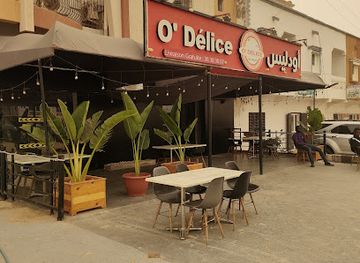
O Délice
Discover O Délice in Nouakchott - where delicious hamburgers and authentic tacos meet vibrant Mauritanian culture.
-
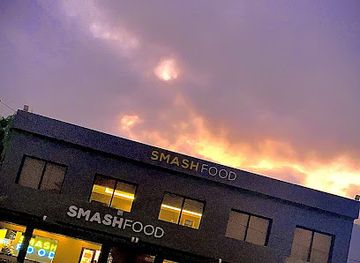
Restaurant
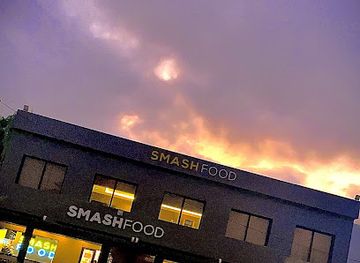
SMASH FOOD
Discover authentic Mauritanian cuisine at Smash Food – where every dish tells a story and flavor takes center stage.
Best bars in Ouadane
Ouadane does not have a conventional bar or nightclub scene. Mauritania is a predominantly Muslim country, and evening social life in the town centres on family visits, conversation, tea, simple meals and the quiet routines of guesthouses or desert camps. After sunset, visitors may sit outdoors when conditions permit, listen to local stories or observe the unusually clear desert sky, but organised entertainment is limited. There may be occasional informal music or cultural performances arranged for travellers, though these should not be assumed or treated as permanent events. Alcohol is not a normal feature of public life, and visitors should not expect licensed venues. The experience of an evening in Ouadane is defined by darkness, silence and communal hospitality rather than nightlife infrastructure.
-
Tourist attraction
Richat Structure
Explore the Richat Structure, a breathtaking geological marvel in Mauritania, known as the 'Eye of the Sahara,' perfect for adventure and awe.
-
Restaurant
Tafarit Restaurant
Discover the authentic flavors of Mauritania at Tafarit Restaurant, a culinary gem in Nouakchott serving traditional dishes in a welcoming atmosphere.
-
Restaurant
O Délice
Savor the flavors of O Délice in Nouakchott, where mouthwatering hamburgers and tacos meet a vibrant culinary experience.
-
Restaurant
SMASH FOOD
Experience the vibrant flavors of Mauritania at SMASH FOOD, a must-visit restaurant in Nouakchott for food lovers and cultural explorers.
Best nightclubs in Ouadane
Ouadane does not have a conventional bar or nightclub scene. Mauritania is a predominantly Muslim country, and evening social life in the town centres on family visits, conversation, tea, simple meals and the quiet routines of guesthouses or desert camps. After sunset, visitors may sit outdoors when conditions permit, listen to local stories or observe the unusually clear desert sky, but organised entertainment is limited. There may be occasional informal music or cultural performances arranged for travellers, though these should not be assumed or treated as permanent events. Alcohol is not a normal feature of public life, and visitors should not expect licensed venues. The experience of an evening in Ouadane is defined by darkness, silence and communal hospitality rather than nightlife infrastructure.
-
Restaurant
Nouakchott Night
Experience the lively dining scene at Nouakchott Night, where local flavors meet vibrant nightlife in Mauritania's capital.
-
Inn
Auberge Vasque chez Zaïda
Experience authentic Mauritanian hospitality at Auberge Vasque chez Zaïda, your ideal retreat in the historical town of Ouadane.
-
Lounge
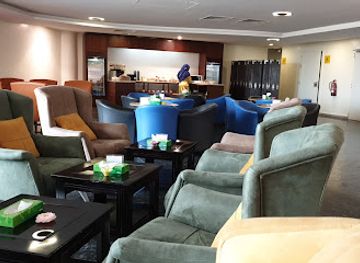
Afroport Lounge
Discover tranquility at Afroport Lounge, your ultimate relaxation destination at Nouakchott Oumtounsy International Airport.
-
Hotel
Chez Auberge Agoueidire
Experience the warmth of Mauritanian hospitality at Chez Auberge Agoueidire, a charming hotel in historic Ouadane.

Best shops in Ouadane
Shopping in Ouadane is limited and practical, with small local provisions, tea, water, dates and basic travel supplies more relevant than a formal retail district. Visitors may find locally made souvenirs through guides, guesthouses or informal sellers, including woven goods, leatherwork, jewellery and desert-themed handicrafts, but stock and quality vary and purchases should be made respectfully. The town is not a major market centre, so travellers seeking a wider choice of Mauritanian crafts or food products should plan purchases in Atar or Nouakchott before travelling into the Adrar. Bargaining may be part of informal commerce, but it should remain courteous and proportionate. Buy directly from craftspeople where possible, avoid purchasing archaeological objects or stones claimed to come from historic ruins, and remember that transport space is limited on overland journeys.
-
Inn
Auberge Vasque chez Zaïda
Discover the charm of Ouadane at Auberge Vasque chez Zaïda, where comfort meets local culture in a picturesque inn and restaurant.
-
Bakery
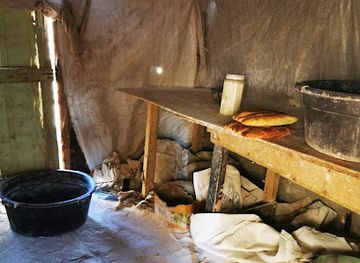
Bakery
Discover the rich flavors of Mauritania at Ouadane Bakery, where traditional baking meets local charm.
-
Store
Boutique ehel Babah
Experience the vibrant culture of Mauritania at Boutique ehel Babah, featuring unique handcrafted souvenirs and authentic local goods in Ouadane.
-
Hotel
Chez Auberge Agoueidire
Discover the charm of Ouadane at Chez Auberge Agoueidire, where Mauritanian hospitality meets breathtaking desert landscapes.
Get your free copy of our complete guide to Ouadane, delivered straight to you.
Everything on this page, from attractions and restaurants to essentials and local phrases, in one PDF you can read offline, print or share.
Already have an account? Sign in
Your Ouadane guide is ready.
We'll send it to · Not you? Sign out

Getting your guide ready…
We are putting together a fresh copy of the Ouadane guide. This can take up to a minute.
This can take a few moments. If your browser asks, choose Allow so the download can start. You'll find the guide in your Downloads folder.
Nothing happened? Download it again
Sorry, the guide is taking longer than usual. Please try again in a minute, or get it by email instead.
Ouadane essentials
Currency and Payment
Safety
Emergency Situations
Do's and Don'ts
Local Tips
From Eve
Local phrases worth knowing
You don't need to get them perfect. A few words go a long way, and locals appreciate the effort.
Basics
| English | Local | Say it |
|---|---|---|
| Hello | سلام | [salaam] |
| Goodbye | وداعا | [wadaa'an] |
| Yes | نعم | [na'am] |
| No | لا | [laa] |
| Please/You're welcome | من فضلك | [min fadlik] |
| Thank you | شكرا | [shukran] |
| Excuse me/Sorry | عفوا | [afwan] |
| How are you? | كيف حالك؟ | [kayfa halak?] |
| Fine. And you? | بخير. وأنت؟ | [bikhayr. wa anta?] |
| Do you speak English? | هل تتحدث الإنجليزية؟ | [hal tatahadath al-ingliziyya?] |
| I don't understand | لا أفهم | [laa afham] |
Eating & Drinking
| English | Local | Say it |
|---|---|---|
| I'd like to see the menu, please | أود رؤية القائمة، من فضلك | [awad ru'yat al-qa'ima, min fadlik] |
| I don't eat meat | لا أأكل اللحم | [laa akul al-lahm] |
| Cheers! | في صحتك! | [fi sihatak!] |
| I would like to pay, please | أود الدفع، من فضلك | [awad al-daf', min fadlik] |
Emergencies
| English | Local | Say it |
|---|---|---|
| Help! | مساعدة! | [musa'adah!] |
| Go away! | اذهب بعيدا! | [idhhab ba'idan!] |
| Call the Police! | اتصل بالشرطة! | [ittasil bil-shurta!] |
| Call a doctor! | اتصل بطبيب! | [ittasil bi-tabeeb!] |
| I'm lost | أنا ضائع | [ana dae'] |
| I'm ill | أنا مريض | [ana marid] |
Shopping
| English | Local | Say it |
|---|---|---|
| I'd like to buy... | أود شراء... | [awad shir'a...] |
| I'm just looking | أنا فقط أنظر | [ana faqat anzur] |
| How much is it? | كم سعره؟ | [kam si'rhu?] |
| That's too expensive | هذا غالي جدا | [hatha ghali jidan] |
| Can you lower the price? | هل يمكنك تخفيض السعر؟ | [hal yumkinuka takhfid al-si'r?] |
Time & Numbers
| English | Local | Say it |
|---|---|---|
| What time is it? | كم الساعة؟ | [kam al-saa'a?] |
| It's one o'clock | الساعة واحدة | [al-saa'a wahida] |
| Half past (10) | العاشرة والنصف | [al-'ashira wa al-nisf] |
| Morning | صباح | [sabah] |
| Afternoon | بعد الظهر | [ba'd al-zahr] |
| Evening | مساء | [masa'] |
| Yesterday | أمس | [ams] |
| Today | اليوم | [al-yawm] |
| Tomorrow | غدا | [ghadan] |
| 1 | واحد | [wahid] |
| 2 | اثنان | [ithnan] |
| 3 | ثلاثة | [thalatha] |
| 4 | أربعة | [arba'a] |
| 5 | خمسة | [khamsa] |
| 6 | ستة | [sitta] |
| 7 | سبعة | [sab'a] |
| 8 | ثمانية | [thamaniya] |
| 9 | تسعة | [tis'a] |
| 10 | عشرة | [ashara] |
Transport & Directions
| English | Local | Say it |
|---|---|---|
| Where's a/the...? | أين هو/هي...؟ | [ayna huwa/hiya...?] |
| What's the address? | ما هو العنوان؟ | [ma huwa al-'unwan?] |
| Can you show me (on the map)? | هل يمكنك إظهاري (على الخريطة)؟ | [hal yumkinuka izharī (ala al-kharita)?] |
| When's the next (bus)? | متى الحافلة القادمة؟ | [mata al-hafila al-qadima?] |
| A ticket (to ....) | تذكرة (إلى ...) | [tadhkirah (ila ...)] |
History of Ouadane
Early settlement and Saharan connections
The Adrar has long been inhabited by communities adapted to wells, seasonal pasture and desert routes. Ouadane's position beside routes crossing the plateau made it a natural place for settlement and exchange. Although the surviving old town belongs mainly to the medieval and later periods, its existence reflects older patterns of movement linking the western Sahara with North Africa and the Sahel. Water management, knowledge of terrain and control of caravan passage were essential to the region's prosperity.
Foundation of Ouadane in the medieval period
Ouadane is traditionally regarded as having been founded in the twelfth century, often dated to 1147, by Berber communities. The settlement developed as a fortified ksar, or compact Saharan town, built on a rocky ridge. Its elevated position offered defence and visibility, while its urban form protected residents from sun, wind and insecurity. The old town's stone construction and narrow lanes remain the clearest physical record of this formative period.
Caravan commerce and Islamic scholarship
During the medieval and early modern eras, Ouadane participated in trans-Saharan commerce. Caravans carried commodities including salt, dates, cloth and other goods between desert markets and the Sahel. Trade also brought scholars, jurists and religious teachers, strengthening the town's role within the intellectual and Islamic networks of the western Sahara. Its prosperity depended not on a single crop or industry but on the difficult coordination of routes, wells, animals, protection and commercial trust.
Portuguese contact and changing trade routes
European maritime expansion along the Atlantic coast altered the commercial balance of Saharan trade. Portuguese forces attacked Ouadane in the late fifteenth century, an episode remembered in accounts of the town's history. Over time, changing political conditions, coastal commerce and the development of alternative routes reduced the relative importance of inland caravan centres. Ouadane retained religious and local significance, but its role as a major commercial crossroads gradually diminished.
The ksour and the history of Mauritania
Ouadane's history is closely connected with the wider ksour tradition of Mauritania, in which compact settlements combined homes, religious buildings, storage, trade and defensive features. These towns were shaped by Arab, Berber and wider Saharan cultural interactions rather than by a single isolated tradition. The surviving architecture records a society organised around mobility and exchange, while the surrounding desert explains why stone, shade, wells and protected passages were so important.
Colonial period and the end of the caravan age
French colonial expansion into Mauritania in the early twentieth century brought new administrative structures and transformed older patterns of authority and travel. Motor transport and later state infrastructure further weakened the economic importance of long-distance camel caravans. Ouadane was not erased by these changes, but its historic commercial centre became increasingly separate from the living settlement. The old ksar's abandonment and partial decay are therefore part of a broader regional transition from caravan mobility to modern transport.
UNESCO recognition and heritage conservation
In 1996, the Ancient Ksour of Ouadane, Chinguetti, Tichitt and Oualata were inscribed together on the UNESCO World Heritage List. The designation recognises their historic urban forms, architecture and role in Saharan culture. For Ouadane, it has helped focus attention on the old ksar and the need to protect fragile stone structures from erosion, uncontrolled access and gradual collapse. Conservation remains challenging because the town is remote and the environment is severe.
Ouadane in Photos
Browse through our photo collection highlighting the charm and character of the destination.
Neighbouring regions of Ouadane
The closest regions to Ouadane, if you have time for more than one.
-

-

-

-

-


Swipe for more regions
Explore more

Explore more of Mauritania
Discover Mauritania's vast Sahara Desert, ancient cities, and rich cultural heritage. Experience the stunning landscapes and warm hospitality of this West African gem.
Explore Mauritania