

Free Agalega Travel Guide & Mobile App
Explore Agalega with free travel guides. Discover regional history, expert tips, proposed trips, and audio guides on web or mobile app.


Agalega, Mauritius’s remote twin islands, offers coconut groves, reef-fringed shores, local island culture and carefully planned slow travel.
Read more about Agalega
When is the best time to visit Agalega?
Best: June–August · 28°C| Month | High (°C) | Rainfall (mm) |
|---|---|---|
| January | 30 | 220 |
| February | 30 | 200 |
| March | 30 | 180 |
| April | 29 | 140 |
| May | 29 | 120 |
| June (best) | 28 | 100 |
| July (best) | 28 | 90 |
| August (best) | 28 | 90 |
| September | 29 | 100 |
| October | 29 | 120 |
| November | 30 | 160 |
| December | 30 | 200 |
Getting to and around Agalega
How to get there
Transportation
Best attractions in Agalega
Agalega’s attractions are primarily its landscapes, community life and remoteness rather than ticketed visitor sites. Coconut groves cover much of the inhabited landscape and provide an insight into the plantation economy that shaped the islands. Sandy shores, shallow lagoons and reef-fringed waters offer opportunities for quiet walks, informal nature observation and, where authorised and safe, carefully supervised boating or swimming. North Agalega and South Agalega have different levels of settlement, and movement between them depends on local arrangements and conditions. The villages of Vingt-Cinq and La Fourche provide a modest window into everyday island life, while the local church and community facilities reflect the social history of a small Mauritian dependency. Birdwatching can be rewarding for visitors familiar with Indian Ocean coastal species, although wildlife should be observed without disturbance. There are no established museums, amusement parks or extensive guided excursion networks, and marine activities require equipment, permission and competent local advice. The most meaningful experience is therefore a slow, low-impact exploration of the shoreline and coconut country, combined with an understanding of how a remote community manages limited supplies, transport and infrastructure.
-
Tourist attraction
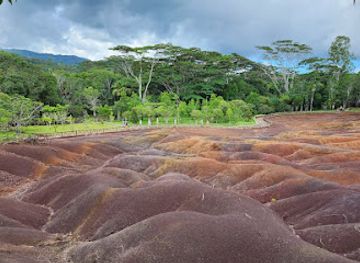
Chamarel Seven Colored Earth Geopark
Explore the stunning Chamarel Seven Colored Earth Geopark, a vibrant natural wonder in Mauritius showcasing unique geological formations and rich biodiversity.
-
Amusement park
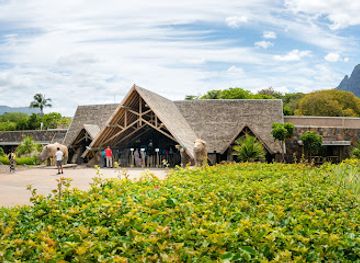
Casela Nature Parks
Discover the thrill of adventure and the beauty of wildlife at Casela Nature Parks, a premier amusement park and zoo in Mauritius.
-
Market
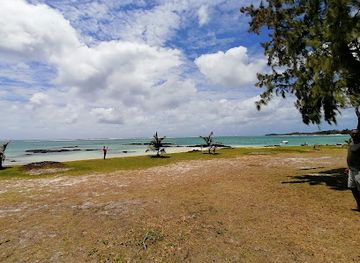
Central Flacq Market
Experience the heart of Mauritius at Central Flacq Market, where local culture, flavors, and crafts come together in a vibrant marketplace.
-
Tourist attraction
Curious Chamarel
Explore the vibrant geological wonders and lush landscapes of Curious Chamarel, a must-visit tourist attraction in the heart of Mauritius.

Explore Agalega on the map
Plan your trip on one map. See where the top cities, national parks and sights are, and book hotels and experiences in a few clicks.
Best hotels in Agalega
Best restaurants in Agalega
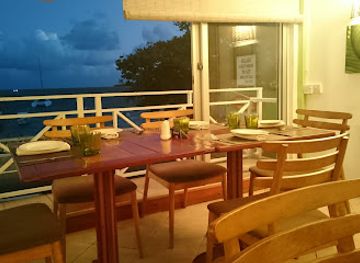
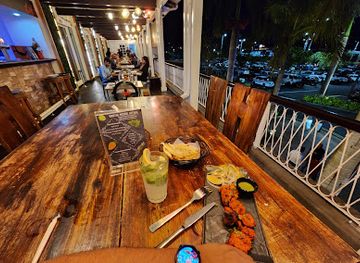
Agalega does not have a developed restaurant scene, cafés or a dependable choice of public dining venues. Food is normally organised through local accommodation, community contacts or private arrangements, and visitors must confirm provision before leaving Mauritius. Meals are likely to reflect the practical cooking of a small Mauritian island community, with rice, vegetables, pulses, fish when available and coconut products featuring more prominently than in a conventional resort menu. Supplies arrive irregularly, so fresh produce and packaged goods can be limited and menus cannot be assumed. Mauritius’s wider culinary influences, including Creole, Indian, Chinese and European traditions, may be visible in home cooking, but Agalega should not be presented as a destination for restaurant-hopping. Visitors should bring suitable snacks and any dietary essentials, explain allergies clearly and avoid expecting imported speciality foods. Sharing food or accepting an invitation to eat can be a valuable cultural exchange, provided it is approached respectfully and without treating private homes as informal tourist venues.
-
Restaurant
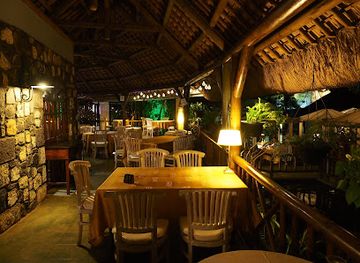
Domaine Anna
Experience culinary excellence at Domaine Anna in Flic en Flac, where vibrant flavors meet stunning natural beauty.
-
Restaurant
Green Island Beach Restaurant
Experience exquisite dining at Green Island Beach Restaurant in Trou d'Eau Douce, where fresh seafood meets stunning coastal views.
-
Restaurant
The Sea Folks
Experience the best of Mauritian seafood at The Sea Folks, where fresh flavors meet coastal charm in Bagatelle Mall.
-
Restaurant
Creole Shack (Table D’hôte Upon Reservation ONLY, on WhatsApp one, two, or three days prior)
Experience authentic Mauritian flavors at Creole Shack in Flic en Flac—where every dish celebrates the island's rich culinary heritage.

Best bars in Agalega
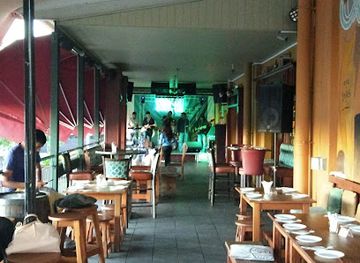
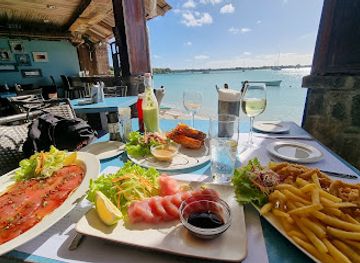
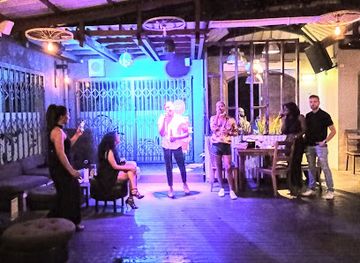
Agalega has no established nightclub district, cocktail-bar circuit or commercial late-night entertainment scene. Evening life is centred on homes, community relationships and locally available social gatherings rather than a visitor-oriented nightlife economy. There may be opportunities to talk with residents or enjoy a quiet evening outdoors, but these depend on invitation, local custom and weather. Alcohol should not be assumed to be available, and visitors should avoid bringing excessive supplies or allowing drinking to disturb a small community. The absence of nightlife is part of Agalega’s character: after dark, the low level of artificial light can make the sky and surrounding ocean especially noticeable, while early mornings are shaped by work, transport and weather. Keep noise low, respect religious and residential spaces, and arrange a safe route back to accommodation before nightfall.
-
Pub
The Irish Pub & Restaurant
Experience Irish hospitality in the heart of Mauritius at The Irish Pub & Restaurant, where delicious food and lively entertainment await.
-
Restaurant
Beach House Restaurant & Bar
Experience the best of Mauritian cuisine with stunning ocean views at Beach House Restaurant & Bar in Grand Baie.
-
Grill
Banana Beach Club
Discover the vibrant blend of grilled delights and live jazz at Banana Beach Club in Grand Baie, a must-visit for every traveler.
-
Restaurant
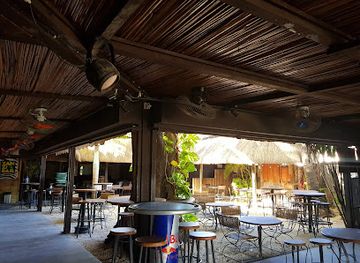
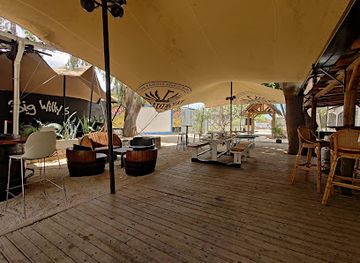
Big Willy's
Discover the lively atmosphere of Big Willy's, where delicious tapas and pulsating nightlife meet in the heart of Mauritius.
Best nightclubs in Agalega
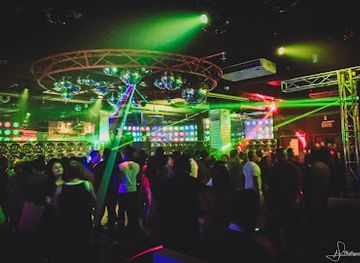
Agalega has no established nightclub district, cocktail-bar circuit or commercial late-night entertainment scene. Evening life is centred on homes, community relationships and locally available social gatherings rather than a visitor-oriented nightlife economy. There may be opportunities to talk with residents or enjoy a quiet evening outdoors, but these depend on invitation, local custom and weather. Alcohol should not be assumed to be available, and visitors should avoid bringing excessive supplies or allowing drinking to disturb a small community. The absence of nightlife is part of Agalega’s character: after dark, the low level of artificial light can make the sky and surrounding ocean especially noticeable, while early mornings are shaped by work, transport and weather. Keep noise low, respect religious and residential spaces, and arrange a safe route back to accommodation before nightfall.
-
Grill
Banana Beach Club
Enjoy exquisite grilled cuisine and lively jazz music at Banana Beach Club in Grand Baie, the perfect blend of dining and entertainment.
-
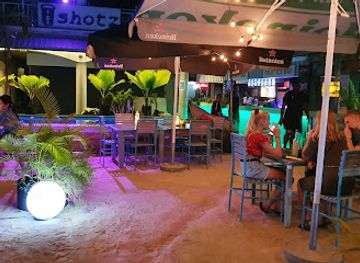
Pub
Shotz
Discover Shotz Pub in Flic en Flac, a vibrant spot for drinks, music, and unforgettable nights under the stars.
-
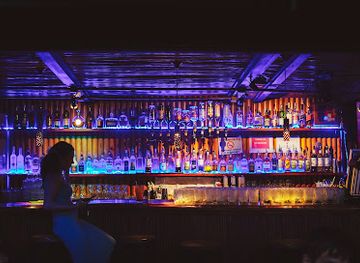
Night club
Insomnia Night Club
Discover the electrifying nightlife at Insomnia Night Club in Grand Baie, the ultimate destination for dancing and entertainment in Mauritius.
-
Night club
OMG Nightclub
Discover the vibrant nightlife at OMG Nightclub in Triolet, Mauritius, where the dance floor comes alive with electrifying beats and unforgettable memories.
Best shops in Agalega
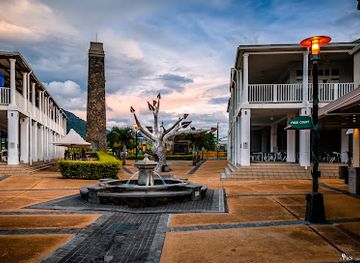
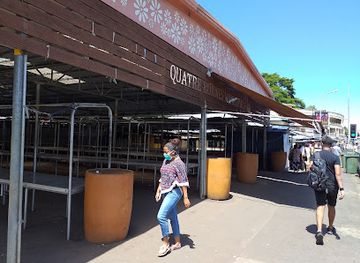
Agalega has virtually no conventional visitor shopping. There are no established shopping centres, department stores or dependable craft markets, and local supplies are limited by distance and transport. Small-scale purchases may occasionally be possible through community contacts or local provisioning arrangements, but visitors should not rely on finding toiletries, specialist foods, clothing or equipment after arrival. The most appropriate souvenirs are modest, locally made or locally sourced items bought with permission, provided they do not involve coral, shells, protected wildlife, plants or historic objects. Coconut products and simple island goods may have cultural relevance, although availability varies and commercial packaging should not be assumed. Bring essential gifts, snacks and personal supplies from Mauritius rather than creating pressure on the islands’ limited stocks. Shopping on Agalega is therefore less about retail and more about responsible exchange: pay fairly for agreed services, respect private property and ensure that anything taken home is legal, sustainably sourced and genuinely offered for sale.
-
Store
Bagatelle Mall of Mauritius
Explore the vibrant Bagatelle Mall of Mauritius for shopping, dining, and entertainment—perfect for families and tourists alike.
-
Shopping mall
Cascavelle Shopping Mall
Experience the best shopping and dining at Cascavelle Shopping Mall, where local culture meets modern retail in the heart of Mauritius.
-
Shopping mall
Orchard Center
Explore Orchard Center in Quatre Bornes for a unique shopping experience blending local charm with international brands and delicious dining options.
-
Shopping mall
Floreal square
Explore the vibrant Floreal Square in Vacoas-Phoenix, a shopping haven with local boutiques and delightful dining options.

Get your free copy of our complete guide to Agalega, delivered straight to you.
Everything on this page, from attractions and restaurants to essentials and local phrases, in one PDF you can read offline, print or share.
Already have an account? Sign in
Your Agalega guide is ready.
We'll send it to · Not you? Sign out

Getting your guide ready…
We are putting together a fresh copy of the Agalega guide. This can take up to a minute.
This can take a few moments. If your browser asks, choose Allow so the download can start. You'll find the guide in your Downloads folder.
Nothing happened? Download it again
Sorry, the guide is taking longer than usual. Please try again in a minute, or get it by email instead.
Agalega essentials
Currency and Payment
Safety
Emergency Situations
Do's and Don'ts
Local Tips
From Eve
Local phrases worth knowing
You don't need to get them perfect. A few words go a long way, and locals appreciate the effort.
Basics
| English | Local | Say it |
|---|---|---|
| Hello | Bonjour | [bōn-zhoor] |
| Goodbye | Au revoir | [oh ruh-vwahr] |
| Yes | Oui | [wee] |
| No | Non | [noh] |
| Please/You're welcome | S'il vous plaît | [seel voo pleh] |
| Thank you | Merci | [mehr-see] |
| Excuse me/Sorry | Excusez-moi | [ehk-skoo-zay mwah] |
| How are you? | Comment ça va? | [koh-mohn sah vah] |
| Fine. And you? | Bien. Et vous? | [byehn. eh voo] |
| Do you speak English? | Parlez-vous anglais? | [par-lay voo ahn-glay] |
| I don't understand | Je ne comprends pas | [zhuh nuh kohm-prahn pah] |
Eating & Drinking
| English | Local | Say it |
|---|---|---|
| I'd like to see the menu, please | Je voudrais voir le menu, s'il vous plaît | [zhuh voo-dray vwah leuh meh-nu, seel voo pleh] |
| I don't eat meat | Je ne mange pas de viande | [zhuh nuh mahnj pah deh vyahnd] |
| Cheers! | Santé! | [sahn-tay] |
| I would like to pay, please | Je voudrais payer, s'il vous plaît | [zhuh voo-dray peh-yay, seel voo pleh] |
Emergencies
| English | Local | Say it |
|---|---|---|
| Help! | À l'aide! | [ah led] |
| Go away! | Allez-vous-en! | [ah-lay voo zahn] |
| Call the Police! | Appelez la police! | [ah-peh-lay lah poh-lees] |
| Call a doctor! | Appelez un médecin! | [ah-peh-lay uh meh-deh-sin] |
| I'm lost | Je suis perdu | [zhuh swee pehr-dyoo] |
| I'm ill | Je suis malade | [zhuh swee mah-lahd] |
Shopping
| English | Local | Say it |
|---|---|---|
| I'd like to buy... | Je voudrais acheter... | [zhuh voo-dray ah-sheh-tay] |
| I'm just looking | Je regarde juste | [zhuh ruh-gard zhoost] |
| How much is it? | C'est combien? | [say kohm-byen] |
| That's too expensive | C'est trop cher | [say troh shair] |
| Can you lower the price? | Pouvez-vous baisser le prix? | [poo-vay voo beh-say leuh pree] |
Time & Numbers
| English | Local | Say it |
|---|---|---|
| What time is it? | Quelle heure est-il? | [kel uhr eh-teel] |
| It's one o'clock | Il est une heure | [eel eh ewn uhr] |
| Half past (10) | Dix heures et demie | [deez uhr eh duh-mee] |
| Morning | Matin | [mah-tahn] |
| Afternoon | Après-midi | [ah-pray mee-dee] |
| Evening | Soir | [swahr] |
| Yesterday | Hier | [ee-air] |
| Today | Aujourd'hui | [oh-zhoor dwee] |
| Tomorrow | Demain | [deh-mahn] |
| 1 | Un | [uhn] |
| 2 | Deux | [duhr] |
| 3 | Trois | [trwah] |
| 4 | Quatre | [katr] |
| 5 | Cinq | [sank] |
| 6 | Six | [sees] |
| 7 | Sept | [set] |
| 8 | Huit | [weet] |
| 9 | Neuf | [nuhf] |
| 10 | Dix | [deez] |
Transport & Directions
| English | Local | Say it |
|---|---|---|
| Where's a/the...? | Où est un/une...? | [oo eh uh/oon] |
| What's the address? | Quelle est l'adresse? | [kel eh lah-dress] |
| Can you show me (on the map)? | Pouvez-vous me montrer (sur la carte)? | [poo-vay voo muh mohn-tray (sur lah kart)] |
| When's the next (bus)? | Quand est le prochain (autobus)? | [kahn eh leh proh-shen (oh-toh-boos)] |
| A ticket (to ....) | Un billet (pour....) | [uhn bee-yay (poor....)] |
History of Agalega
Early European Charting and Maritime Geography
Agalega entered European maritime charts during the era of Indian Ocean navigation, although the islands were not developed as a large colonial settlement. Their position far north of Mauritius made them useful as a known stopping point in regional navigation, but their low profile, reefs and limited fresh-water resources discouraged extensive early settlement. As with many remote islands, earlier human visits may have occurred through passing seafarers, yet the permanent historical record is mainly connected with later French and British administration.
French and British Colonial Administration
Agalega became linked administratively to Mauritius during the period when Mauritius was a French possession and subsequently remained attached to Mauritius after the British takeover in 1810. Its distance from the main island meant that governance was necessarily light and practical. Rather than developing as a major port or plantation colony on the scale of Mauritius, Agalega was managed principally for its agricultural potential and strategic position in the northern Indian Ocean.
The Coconut Economy
Coconut cultivation became the defining economic activity of Agalega. Plantations supplied coconuts and copra, the dried kernel used to produce coconut oil and other products, while local labour supported harvesting, processing and transport. Coconut groves still shape the visual character of both islands. The plantation economy also influenced settlement patterns, work routines and the community’s dependence on shipments from Mauritius for many goods that could not be produced locally.
A Small Island Community Takes Shape
Over time, workers and families connected with the plantations formed the settled community that remains concentrated principally on South Agalega. Social life developed around villages, the Catholic church, schools, public services and shared work. Mauritian Creole became an important language of everyday communication, while the community retained close links with the wider Republic of Mauritius. The resulting culture is distinctly island-based without being separate from Mauritius’s broader historical and social experience.
Agalega within Independent Mauritius
When Mauritius became independent in 1968, Agalega remained part of the new republic rather than becoming a separate state. Administration, shipping, aviation, education and public services continued to be organised through Mauritius, although the islands’ distance made delivery expensive and irregular. Independence strengthened the political importance of maintaining the islands as an inhabited Mauritian dependency while also highlighting the practical challenges of supplying a very small and remote population.
Infrastructure, Access and Contemporary Change
In the twenty-first century, Agalega has seen attention directed towards improved transport and infrastructure, including upgrades associated with its airfield and maritime access. Such projects have prompted public discussion in Mauritius and internationally because of the islands’ strategic Indian Ocean location. For residents, better infrastructure can improve access to supplies, healthcare and services; for visitors, it does not automatically create an open tourism market. Entry, movement and photography may remain subject to official and local controls.
Agalega in Photos
Browse through our photo collection highlighting the charm and character of the destination.
Neighbouring regions of Agalega
The closest regions to Agalega, if you have time for more than one.
-

-

-

-

-


Swipe for more regions
Explore more
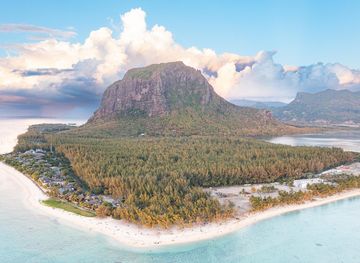
Explore more of Mauritius
Discover Mauritius, the tropical paradise of the Indian Ocean, where pristine beaches, lush landscapes, and vibrant culture come together for an unforgettable escape.
Explore Mauritius