

Free Plaines Wilhems Travel Guide & Mobile App
Explore Plaines Wilhems with free travel guides. Discover regional history, expert tips, proposed trips, and audio guides on web or mobile app.


Explore Plaines Wilhems in Mauritius for cool highlands, volcanic landscapes, lively markets, historic towns and everyday island culture.
Read more about Plaines Wilhems
When is the best time to visit Plaines Wilhems?
Best: April, October–November · 24–25°C| Month | High (°C) | Rainfall (mm) |
|---|---|---|
| January | 27 | 200 |
| February | 27 | 190 |
| March | 27 | 180 |
| April (best) | 25 | 170 |
| May | 23 | 160 |
| June | 22 | 150 |
| July | 21 | 140 |
| August | 21 | 135 |
| September | 22 | 140 |
| October (best) | 24 | 150 |
| November (best) | 25 | 170 |
| December | 27 | 190 |
Getting to and around Plaines Wilhems
How to get there
Transportation
Top city travel guides in Plaines Wilhems
The cities of Plaines Wilhems, and the easiest places to base yourself.
-

-

-


Swipe for more cities
Destinations in Plaines Wilhems
Resorts, valleys and scenic spots worth a trip of their own.
-

-

-

-


Swipe for more destinations
Best attractions in Plaines Wilhems
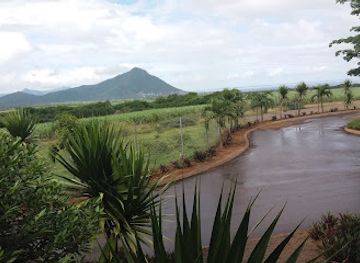
Plaines Wilhems offers a mixture of volcanic scenery, historic properties, urban culture and ordinary commercial life rather than a single concentration of resort attractions. In Curepipe, Trou aux Cerfs gives visitors a readily accessible viewpoint over the central plateau, while the Curepipe Botanic Gardens provide a quieter setting among mature planting. Domaine des Aubineaux, a colonial house associated with the island’s tea and plantation history, adds architectural and historical context. Quatre Bornes is valuable for its market and busy town centre, and Beau Bassin-Rose Hill provides access to cultural venues, shops and community life. Vacoas-Phoenix serves as a gateway to the district’s more open upland landscapes, reservoirs and cane-growing areas. Visitors interested in Mauritius’s social history can explore religious buildings, civic architecture, food traditions and the former textile-manufacturing areas that helped shape the central towns. The attractions are best approached as a connected portrait of the island’s highland society, where a volcanic crater, a historic estate, a market morning and a local bus journey can be part of the same itinerary.
-
Amusement park
Casela Nature Parks | Best Nature Parks in Mauritius
Discover adventure and wildlife at Casela Nature Parks, where nature meets thrill in the heart of Mauritius for an unforgettable experience.
-
Beach
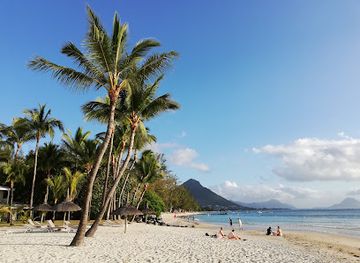
Flic En Flac Beach
Explore the stunning Flic En Flac Beach on Mauritius' west coast, where pristine sands and vibrant marine life come together for an unforgettable experience.
-
Animal park
La Vanille Nature Park
Explore La Vanille Nature Park: A family-friendly animal park in Mauritius showcasing diverse wildlife and lush landscapes for an unforgettable experience.
-
Black River Gorges National Park
Explore the breathtaking beauty and diverse wildlife of Black River Gorges National Park, a must-visit destination for nature lovers in Mauritius.



Best landmarks in Plaines Wilhems
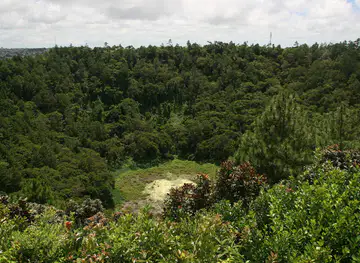
Trou aux Cerfs is Plaines Wilhems’s most recognisable natural landmark, a dormant volcanic crater rising above Curepipe and providing a clear sense of the island’s geological origins. Its elevated rim also illustrates why the town has a cooler, wetter climate than coastal Mauritius. The Domaine des Aubineaux is an important built landmark: its colonial-era house and grounds evoke the plantation society and highland retreats that developed during the nineteenth century. Curepipe’s civic streets and older villas add further architectural texture, even where buildings are experienced as part of the living town rather than as isolated monuments. In Beau Bassin and Rose Hill, churches, mosques, temples, commercial façades and public buildings express the district’s layered urban history and religious diversity. The continuous built-up corridor linking the central towns is itself significant, reflecting the impact of railways, road transport, manufacturing and post-independence settlement. Beyond the towns, cane fields, reservoirs and misty upland roads form a quieter landscape of cultural and geographical importance.
-
Tourist attraction
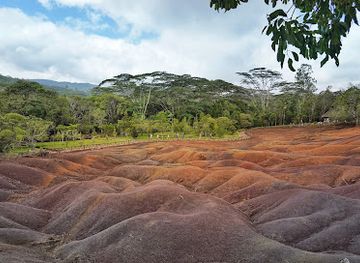
Chamarel Seven Colored Earth Geopark
Explore the breathtaking Chamarel Seven Colored Earth Geopark, a unique natural wonder in Mauritius featuring vibrant colored sands and stunning landscapes.
-
Amusement park
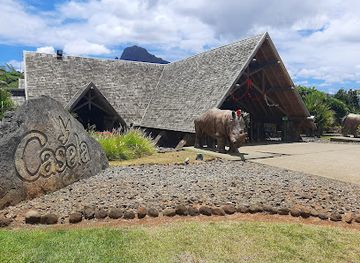
Casela Nature Parks
Explore the vibrant wildlife and exhilarating adventures at Casela Nature Parks, a top-rated amusement park and zoo in Mauritius.
-
Shopping mall
Phoenix Mall
Discover the vibrant shopping, dining, and entertainment experience at Phoenix Mall in Mauritius, perfect for families and travelers alike.
-
Beach
Flic En Flac Beach
Discover the breathtaking beauty of Flic En Flac Beach in Mauritius, where pristine sands meet clear waters and vibrant local culture.
Explore Plaines Wilhems on the map
Plan your trip on one map. See where the top cities, national parks and sights are, and book hotels and experiences in a few clicks.
Best hotels in Plaines Wilhems
Best restaurants in Plaines Wilhems
Dining in Plaines Wilhems reflects the district’s dense, multicultural urban character. Town-centre snack shops and cafés serve familiar Mauritian staples such as dholl puri, farata, briani, mine frit and rougaille, alongside Indian, Chinese, Creole and European-influenced dishes. These inexpensive foods are particularly useful around markets, transport interchanges and shopping streets, where meals are often quick and informal. Restaurants in Curepipe, Quatre Bornes, Rose Hill and Vacoas-Phoenix range from family-run establishments to contemporary venues, while older-style cafés and bakeries provide spaces for tea, pastries and conversation. The highland climate suits warm, substantial dishes and hot drinks, and local menus commonly draw on vegetables, seafood and spices sourced from across Mauritius rather than from Plaines Wilhems alone. Visitors should also look for Mauritian cakes, fruit preserves and locally produced tea, while remembering that restaurant hours and menus can vary outside the main commercial areas.
-
Fast Food
KFC Curepipe
Experience delicious American fast food at KFC Curepipe while exploring the scenic beauty and vibrant culture of Mauritius.
-
Restaurant
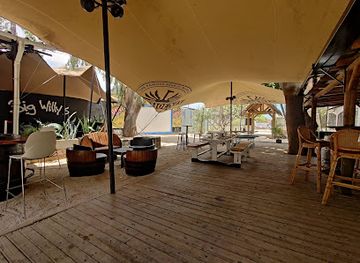
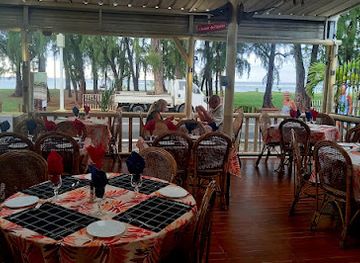
Big Willy's
Experience the best of Tamarin at Big Willy's - where delicious tapas meet vibrant nightlife in Mauritius.
-
Restaurant
Le Sapin d'Or
Experience the flavors of Mauritius at Le Sapin d'Or in Curepipe – where culinary tradition meets modern dining.
-
Restaurant
Le Bougainville Restaurant
Experience exquisite European and seafood cuisine at Le Bougainville Restaurant in Flic en Flac, where stunning ocean views enhance your dining adventure.

Best bars in Plaines Wilhems
Evenings in Plaines Wilhems are centred more on restaurants, cafés, pubs, hotel lounges and live entertainment than on a large-scale club scene. Quatre Bornes, Rose Hill, Beau Bassin and Curepipe have the broadest concentration of places to eat and meet after dark, with options ranging from informal bars to more polished lounges. Local music may feature sega and contemporary Mauritian styles, while cultural venues in the Beau Bassin-Rose Hill area occasionally provide theatre, concerts or other programmed events. Vacoas-Phoenix and the outer plateau are generally quieter, with evening activity focused on neighbourhood restaurants and family gatherings. Opening days and entertainment schedules can change, so visitors should check locally rather than assume that a venue operates every night. As throughout Mauritius, alcohol is available in licensed establishments, but the district’s evening appeal also lies in food, conversation and cultural programming.
-
Pub
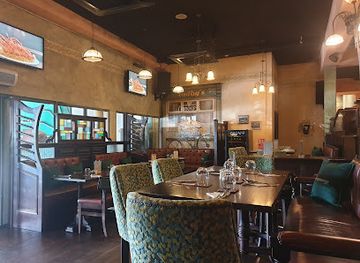
The Irish Pub & Restaurant
Experience the vibrant ambiance and authentic flavors at The Irish Pub & Restaurant in Quatre Bornes, Mauritius, where Irish tradition meets local charm.
-
Restaurant
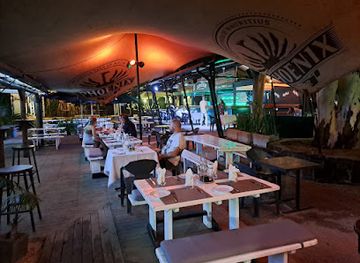
Big Willy's
Experience the vibrant nightlife at Big Willy's in Tamarin, where delicious tapas, sports, and live music collide for an unforgettable evening.
-
Bar
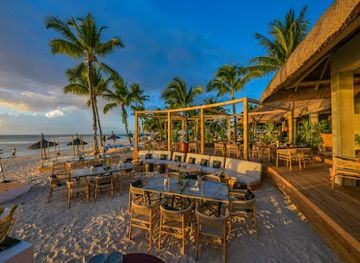
Buddha Bar Beach
Experience luxury and relaxation at Buddha Bar Beach, where exquisite cuisine meets stunning ocean views and vibrant nightlife in Flic en Flac.
-
Brewpub
Flying Dodo Brewing Company
Experience the best of Mauritius with craft beers and local cuisine at Flying Dodo Brewing Company, a lively brewpub in the heart of Bagatelle.

Best nightclubs in Plaines Wilhems
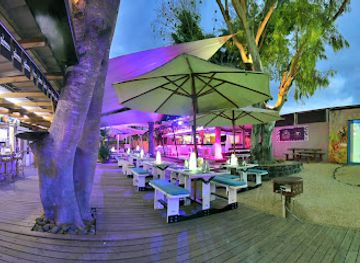
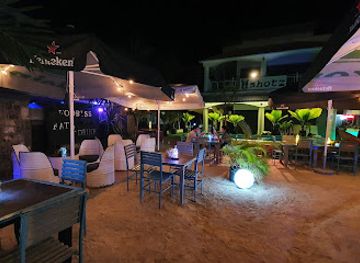
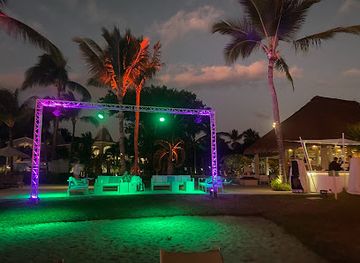
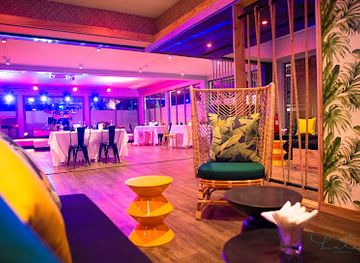
Evenings in Plaines Wilhems are centred more on restaurants, cafés, pubs, hotel lounges and live entertainment than on a large-scale club scene. Quatre Bornes, Rose Hill, Beau Bassin and Curepipe have the broadest concentration of places to eat and meet after dark, with options ranging from informal bars to more polished lounges. Local music may feature sega and contemporary Mauritian styles, while cultural venues in the Beau Bassin-Rose Hill area occasionally provide theatre, concerts or other programmed events. Vacoas-Phoenix and the outer plateau are generally quieter, with evening activity focused on neighbourhood restaurants and family gatherings. Opening days and entertainment schedules can change, so visitors should check locally rather than assume that a venue operates every night. As throughout Mauritius, alcohol is available in licensed establishments, but the district’s evening appeal also lies in food, conversation and cultural programming.
-
Night club
Big Willy's
Experience the vibrant nightlife of Tamarin at Big Willy's, where delicious tapas and an energetic atmosphere await you.
-
Pub
Shotz
Dive into the vibrant nightlife at Shotz, a premier pub in Flic en Flac, Mauritius, offering drinks, music, and unforgettable experiences.
-
Restaurant
Buddha Bar Beach
Discover the serene luxury of Buddha Bar Beach in Flic en Flac, where exquisite dining meets stunning seaside views.
-
Night club
Lakaz Cascavelle
Discover the heart of Mauritius' nightlife at Lakaz Cascavelle, where thrilling music, delicious food, and vibrant atmosphere await you.
Best shops in Plaines Wilhems
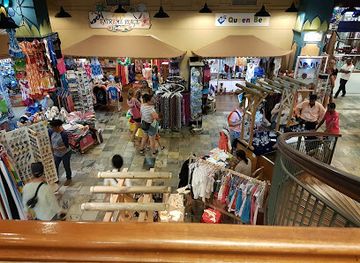
Shopping in Plaines Wilhems is practical, local and varied, with the strongest concentration in Quatre Bornes, Rose Hill, Beau Bassin, Vacoas and Curepipe. Quatre Bornes market is particularly associated with clothing, household goods, fabrics and inexpensive everyday purchases, while the central high streets provide supermarkets, pharmacies, independent retailers and small cafés. Rose Hill and Beau Bassin combine established commercial streets with specialist shops, bookshops and services used by local residents, and Curepipe has a long-standing association with clothing, textiles and cooler-climate town shopping. Visitors can look for Mauritian tea, spices, preserves, locally made food products, woven goods and small crafts, although provenance and quality vary between sellers. Markets are useful for observing daily commerce as well as buying souvenirs, but bargaining should remain courteous and reasonable. For distinctive purchases, independent shops and craft outlets are generally more informative than generic imported-goods retailers.
-
Shopping mall
Caudan Waterfront
Discover shopping, dining, and entertainment at Caudan Waterfront, the heart of Port Louis, Mauritius, where culture meets leisure.
-
Shopping mall
Cascavelle Shopping Mall
Discover the vibrant shopping experience at Cascavelle Shopping Mall in Bambous, offering diverse shops, dining, and entertainment for all ages.
-
Shopping mall
Port Louis Waterfront by Landscope Mauritius
Experience the vibrant shopping and dining at Port Louis Waterfront, Mauritius' premier destination for leisure and local culture.
-
Supermarket
Winner's Cascavelle
Explore Winner's Cascavelle: A vibrant supermarket in Mauritius offering local and international products, perfect for culinary explorations.


Get your free copy of our complete guide to Plaines Wilhems, delivered straight to you.
Everything on this page, from attractions and restaurants to essentials and local phrases, in one PDF you can read offline, print or share.
Already have an account? Sign in
Your Plaines Wilhems guide is ready.
We'll send it to · Not you? Sign out

Getting your guide ready…
We are putting together a fresh copy of the Plaines Wilhems guide. This can take up to a minute.
This can take a few moments. If your browser asks, choose Allow so the download can start. You'll find the guide in your Downloads folder.
Nothing happened? Download it again
Sorry, the guide is taking longer than usual. Please try again in a minute, or get it by email instead.
Plaines Wilhems essentials
Currency and Payment
Safety
Emergency Situations
Do's and Don'ts
Local Tips
From Eve
Local phrases worth knowing
You don't need to get them perfect. A few words go a long way, and locals appreciate the effort.
Basics
| English | Local | Say it |
|---|---|---|
| Hello | Hello | [Hello] |
| Goodbye | Goodbye | [Goodbye] |
| Yes | Yes | [Yes] |
| No | No | [No] |
| Please/You're welcome | Please/You're welcome | [Please/You're welcome] |
| Thank you | Thank you | [Thank you] |
| Excuse me/Sorry | Excuse me/Sorry | [Excuse me/Sorry] |
| How are you? | How are you? | [How are you?] |
| Fine. And you? | Fine. And you? | [Fine. And you?] |
| Do you speak English? | Do you speak English? | [Do you speak English?] |
| I don't understand | I don't understand | [I don't understand] |
Eating & Drinking
| English | Local | Say it |
|---|---|---|
| I'd like to see the menu, please | I'd like to see the menu, please | [I'd like to see the menu, please] |
| I don't eat meat | I don't eat meat | [I don't eat meat] |
| Cheers! | Cheers! | [Cheers!] |
| I would like to pay, please | I would like to pay, please | [I would like to pay, please] |
Emergencies
| English | Local | Say it |
|---|---|---|
| Help! | Help! | [Help!] |
| Go away! | Go away! | [Go away!] |
| Call the Police! | Call the Police! | [Call the Police!] |
| Call a doctor! | Call a doctor! | [Call a doctor!] |
| I'm lost | I'm lost | [I'm lost] |
| I'm ill | I'm ill | [I'm ill] |
Shopping
| English | Local | Say it |
|---|---|---|
| I'd like to buy... | I'd like to buy... | [I'd like to buy...] |
| I'm just looking | I'm just looking | [I'm just looking] |
| How much is it? | How much is it? | [How much is it?] |
| That's too expensive | That's too expensive | [That's too expensive] |
| Can you lower the price? | Can you lower the price? | [Can you lower the price?] |
Time & Numbers
| English | Local | Say it |
|---|---|---|
| What time is it? | What time is it? | [What time is it?] |
| It's one o'clock | It's one o'clock | [It's one o'clock] |
| Half past (10) | Half past (10) | [Half past (10)] |
| Morning | Morning | [Morning] |
| Afternoon | Afternoon | [Afternoon] |
| Evening | Evening | [Evening] |
| Yesterday | Yesterday | [Yesterday] |
| Today | Today | [Today] |
| Tomorrow | Tomorrow | [Tomorrow] |
| 1 | 1 | [1] |
| 2 | 2 | [2] |
| 3 | 3 | [3] |
| 4 | 4 | [4] |
| 5 | 5 | [5] |
| 6 | 6 | [6] |
| 7 | 7 | [7] |
| 8 | 8 | [8] |
| 9 | 9 | [9] |
| 10 | 10 | [10] |
Transport & Directions
| English | Local | Say it |
|---|---|---|
| Where's a/the...? | Where's a/the...? | [Where's a/the...?] |
| What's the address? | What's the address? | [What's the address?] |
| Can you show me (on the map)? | Can you show me (on the map)? | [Can you show me (on the map)?] |
| When's the next (bus)? | When's the next (bus)? | [When's the next (bus)?] |
| A ticket (to ....) | A ticket (to ....) | [A ticket (to ....)] |
History of Plaines Wilhems
Volcanic Formation and the Central Plateau
Plaines Wilhems forms part of Mauritius’s elevated volcanic interior, shaped by ancient eruptions, lava flows and subsequent erosion. Trou aux Cerfs at Curepipe is one of the clearest visible reminders of this geological history: a dormant volcanic cone rising above the town. The plateau’s altitude influenced its climate, vegetation and later settlement, producing cooler conditions than the coastal plains. Rainfall and upland drainage also helped create a landscape of reservoirs, streams, cane fields and remnant vegetation, setting the physical framework for the towns that developed there.
French Settlement and Plantation Expansion
Under French rule in the eighteenth century, Mauritius developed as a plantation colony based largely on sugar, supported by enslaved labour brought from Africa and Madagascar. The central plateau was gradually incorporated into this economic system as estates expanded and roads connected inland properties with ports and coastal settlements. Although many original plantation landscapes have been transformed, sugar cane remains an important visual and historical presence around Plaines Wilhems. Place names, estate boundaries and surviving colonial buildings recall this formative period.
British Rule and the Growth of Curepipe
Britain took control of Mauritius in 1810, while allowing much of the existing French civil law and social structure to continue. Curepipe grew significantly during the nineteenth century, helped by its elevated climate and its appeal as a retreat from the warmer, more humid lowlands. Wealthy families built country houses and gardens, while commercial and administrative services developed around the town. The district’s colonial architecture and historic residences reflect the interaction of plantation wealth, imperial administration and Mauritius’s increasingly diverse population.
Railways and Inland Urbanisation
The opening of Mauritius’s railway network in the nineteenth century transformed access between the interior, Port Louis and other parts of the island. Stations served growing settlements including Curepipe, Vacoas, Quatre Bornes and Beau Bassin, enabling the movement of sugar, goods and workers. Although the railway ceased operating in the twentieth century, its legacy remains visible in the pattern of central towns and in the district’s role as a major transport corridor. Road traffic and bus services later replaced rail as the principal means of everyday movement.
Labour, Migration and a Multicultural Society
After the abolition of slavery in 1835, large numbers of indentured labourers arrived from India to work on sugar estates, while communities of African, Creole, Chinese and European origin continued to shape Mauritian society. Plaines Wilhems became one of the island’s most important areas of settlement, commerce and education. Religious buildings, family businesses, food traditions and community institutions across the central towns reveal this layered history. The district’s cultural character is therefore not the product of one period or community, but of successive movements of people linked to plantation work, trade and urban opportunity.
Post-Independence Expansion and Diversification
Mauritius became independent in 1968, and the decades that followed brought rapid growth in education, manufacturing, services and urban housing. Plaines Wilhems developed into a major residential and commercial centre, with Quatre Bornes, Rose Hill, Beau Bassin, Vacoas and Curepipe increasingly connected by continuous suburban development. The textile and garment sector became particularly important in the central towns, alongside retail, administration and professional services. Today, the district combines older civic and residential quarters with newer commercial areas, while sugar cultivation and rural land remain present at its edges.
Plaines Wilhems in Photos
Browse through our photo collection highlighting the charm and character of the destination.
Neighbouring regions of Plaines Wilhems
The closest regions to Plaines Wilhems, if you have time for more than one.
-

-

-

-

-


Swipe for more regions
Explore more
Explore more of Mauritius
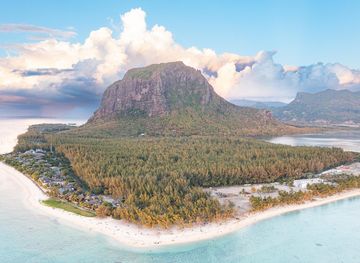
Discover Mauritius, the tropical paradise of the Indian Ocean, where pristine beaches, lush landscapes, and vibrant culture come together for an unforgettable escape.
Explore Mauritius