

Free Bouéni Travel Guide & Mobile App
Explore Bouéni with free travel guides. Discover regional history, expert tips, proposed trips, and audio guides on web or mobile app.


Explore Bouéni in Mayotte for lagoon beaches, tropical villages, reef scenery, local food and a quieter south-western island atmosphere.
Read more about Bouéni
When is the best time to visit Bouéni?
Best: June–August · 26–27°C| Month | High (°C) | Rainfall (mm) |
|---|---|---|
| January | 30 | 250 |
| February | 30 | 230 |
| March | 29 | 210 |
| April | 29 | 170 |
| May | 28 | 130 |
| June (best) | 27 | 110 |
| July (best) | 26 | 90 |
| August (best) | 27 | 90 |
| September | 27 | 110 |
| October | 28 | 130 |
| November | 29 | 170 |
| December | 30 | 210 |
Getting to and around Bouéni
How to get there
Transportation
Best attractions in Bouéni
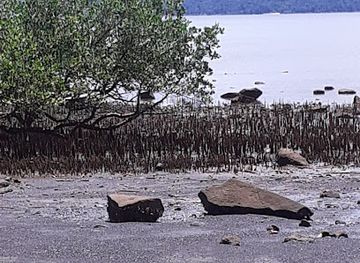
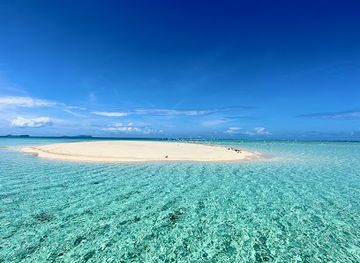
Bouéni’s attractions centre on its south-western lagoon coast and the everyday character of its villages rather than on large purpose-built visitor sites. Beaches and sheltered bays around Bouéni, Bambo-Ouest, Hagnoundrou, Majiméouni and Moinatrindri offer opportunities for swimming, shore walks and observing the changing colours of the lagoon when conditions are suitable. Reef excursions, kayaking and boat trips can be arranged through local operators, with marine conservation and safety guidance treated as essential. The coastline also includes mangrove environments and rocky volcanic edges that reward patient exploration rather than hurried sightseeing. Inland, cultivated slopes, tropical vegetation and village roads provide a contrasting view of Mayotte’s rural south-west. Visitors interested in culture can observe the relationship between mosques, family compounds, markets, gardens and coastal livelihoods, always with appropriate discretion. Bouéni is also a useful base or stop on a wider southern itinerary, with nearby Kani-Kéli and other parts of southern Grande-Terre offering additional beaches and nature areas outside the commune. Because facilities and public transport are limited, the most rewarding experiences usually involve advance arrangements, daylight travel and time spent with knowledgeable local guides.
-
Observation deck
Pointe de Bouéni
Discover the stunning vistas at Pointe de Bouéni, an observation deck offering breathtaking views of Mayotte's coastline and vibrant sunsets.
-
Tourist attraction
Via Ferrata de Bouéni
Discover the breathtaking Via Ferrata de Bouéni, an exhilarating climbing experience in Mayotte, blending adventure with stunning natural beauty.
-
Tourist attraction
Gîte de Hagnoundrou, Bouéni
Explore the serene beauty and rich culture of Gîte de Hagnoundrou in Bouéni, Mayotte—a perfect retreat for nature lovers and cultural enthusiasts.
-
Park
Faré Bandrakouni
Discover the natural beauty and tranquility of Faré Bandrakouni, a stunning park in Mayotte, perfect for relaxation and exploration.
Best landmarks in Bouéni
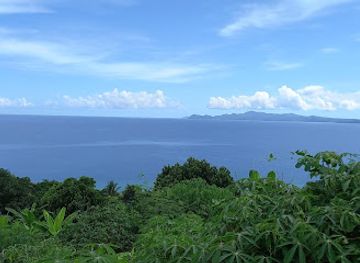
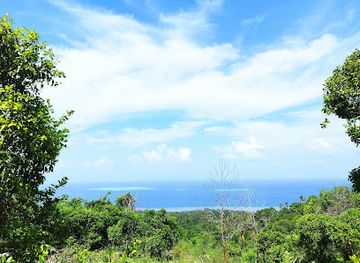
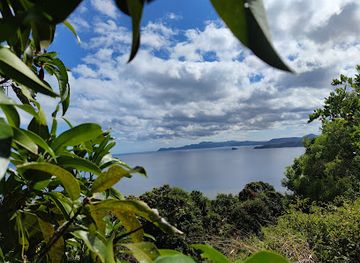
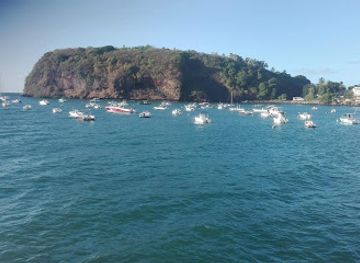
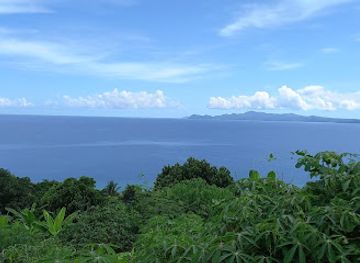
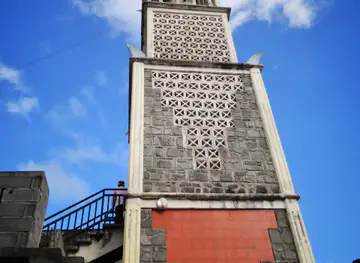
The defining landmarks of Bouéni are its coastal geography and village-built environment rather than monumental architecture. The Bay of Bouéni provides the commune’s most recognisable natural setting, opening towards the lagoon and reef with beaches, rocky shorelines and views across the water. In the villages, mosques and their associated public spaces are important visual and cultural reference points, although they should be treated as active places of worship rather than tourist monuments. The volcanic hills behind the settlements, cut by roads and cultivation, reveal the geological foundation of south-western Grande-Terre and create changing viewpoints over the coast. Mangrove-lined inlets and reef flats are equally significant environmental landmarks, supporting marine life and helping shape the shoreline. Bouéni’s modest homes, roadside commerce, gardens and village paths form a lived landscape that is more representative of contemporary Mayotte than a preserved historic quarter. The much-photographed areas around N’Gouja and Mount Choungui lie in neighbouring Kani-Kéli rather than Bouéni, so they should be treated as nearby excursions and not as landmarks within the commune.
-
Tourist attraction
Beach N'Gouja
Discover the serene beauty of Beach N'Gouja in Mayotte, a perfect blend of relaxation, adventure, and vibrant marine life.
-
Hiking area
Pointe Mahabou
Discover the breathtaking beauty of Pointe Mahabou in Mayotte, a premier hiking area perfect for nature lovers and adventure seekers.
-
Boat tour agency
Mayotte Découverte
Discover the stunning marine wonders of Mayotte with Mayotte Découverte, your premier boat tour agency for unforgettable exploration.
-
Observation deck
Pointe de Bouéni
Discover stunning views of Mayotte's coastline and lush landscapes at Pointe de Bouéni, the ultimate observation deck for nature lovers and photographers.

Explore Bouéni on the map
Plan your trip on one map. See where the top cities, national parks and sights are, and book hotels and experiences in a few clicks.
Best hotels in Bouéni
Best restaurants in Bouéni
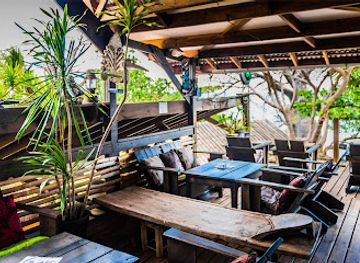
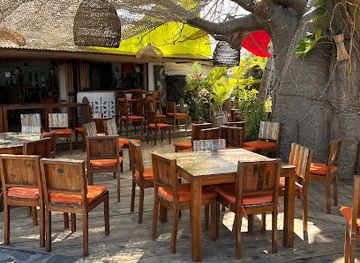
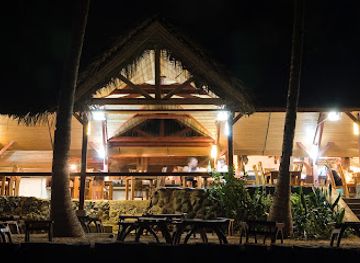
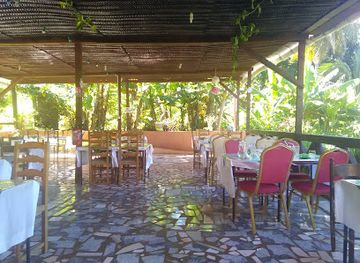
Dining in Bouéni is informal and closely connected to Mayotte’s island food traditions. Rice is commonly served with fish, meat or vegetables, while coconut, cassava, plantains, tomatoes and fragrant spices appear in many home-style preparations. Fresh fish and seafood may be available near the coast, although the day’s supply and preparation vary. Small local eateries, snack stalls and family-run kitchens are more characteristic than a concentrated restaurant quarter, and menus may be communicated in French or local languages. Visitors may encounter grilled fish, stews, spiced sauces and fried snacks, alongside drinks and fruit influenced by the tropical climate. Food in Bouéni should be approached as part of village life rather than as a formal culinary circuit: opening times, stock and seating can be flexible. Mamoudzou offers a wider choice of restaurants, but remaining in Bouéni allows travellers to seek out locally prepared dishes through accommodation hosts and trusted residents. Bottled water is useful when travelling between villages, and visitors with dietary restrictions should explain them clearly before ordering.
-
Restaurant
O'lolo Hôtel Mayotte
Experience exquisite dining and serene accommodations at O'lolo Hôtel Mayotte – where culinary delights meet stunning ocean views.
-
Restaurant
Le Faré
Discover Le Faré: A vibrant restaurant in Dzaoudzi offering exquisite local cuisine amidst stunning island views.
-
Restaurant
Le Jardin Maore
Experience culinary delights and thrilling underwater adventures at Le Jardin Maore, your tropical haven in Mayotte.
-
Restaurant
Hippocampe Restaurant
Experience authentic Mayotte cuisine at Hippocampe Restaurant - where local flavors meet warm hospitality.

Best bars in Bouéni
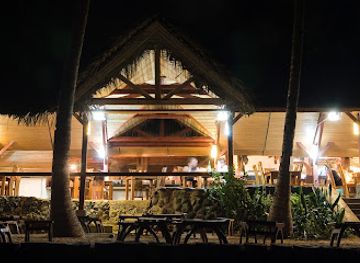
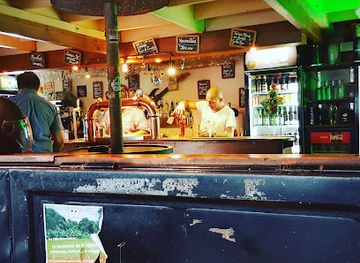
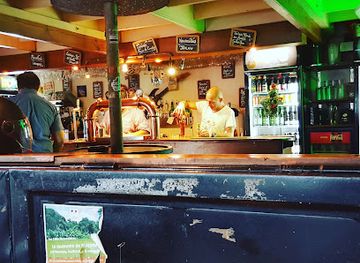
Bouéni does not have a major nightclub district, and evening life is shaped more by family gatherings, small restaurants, informal social spaces and village events than by late-night entertainment. Visitors may find modest cafés, snack outlets or places serving refreshments, but availability and hours can change, particularly outside the busier settlements. Alcohol is not central to public life, and Mayotte’s Muslim cultural context means that travellers should behave discreetly and avoid assuming that every establishment serves it. Evening walks on unlit roads and beaches require caution, so arranged transport is preferable after dark. For a broader selection of restaurants, bars and organised entertainment, Mamoudzou is the principal urban centre elsewhere on Grande-Terre, not within Bouéni. In the commune itself, the more rewarding evening experience is often a meal, conversation or a locally hosted cultural occasion arranged with respect for community customs.
-
Restaurant
Le Jardin Maore
Discover the beauty of Mayotte at Le Jardin Maore, where culinary delights, diving adventures, and warm hospitality await you.
-
Bar
Barakili
Experience vibrant nightlife and local flavors at Barakili, Mamoudzou's premier bar, where every drink tells a story of Mayotte's rich culture.
-
Bar
Le Camion Blanc
Experience the vibrant atmosphere and refreshing drinks at Le Camion Blanc, the heart of Mamoudzou's nightlife.
-
Restaurant
Restaurant La Citronnelle
Discover the rich flavors of Mayotte at Restaurant La Citronnelle, where local cuisine meets a warm and inviting atmosphere for an unforgettable dining experience.

Best nightclubs in Bouéni
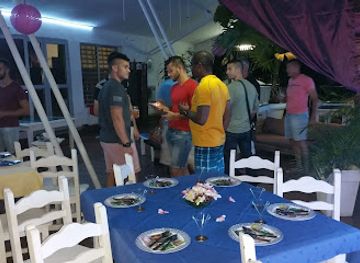
Bouéni does not have a major nightclub district, and evening life is shaped more by family gatherings, small restaurants, informal social spaces and village events than by late-night entertainment. Visitors may find modest cafés, snack outlets or places serving refreshments, but availability and hours can change, particularly outside the busier settlements. Alcohol is not central to public life, and Mayotte’s Muslim cultural context means that travellers should behave discreetly and avoid assuming that every establishment serves it. Evening walks on unlit roads and beaches require caution, so arranged transport is preferable after dark. For a broader selection of restaurants, bars and organised entertainment, Mamoudzou is the principal urban centre elsewhere on Grande-Terre, not within Bouéni. In the commune itself, the more rewarding evening experience is often a meal, conversation or a locally hosted cultural occasion arranged with respect for community customs.
-
Bar
Barakili
Discover Barakili in Mamoudzou: A vibrant bar offering a delightful mix of local culture, refreshing drinks, and lively atmosphere for an unforgettable night out.
-
Bar
Le Mermoz
Discover the perfect blend of cocktails, tapas, and ambiance at Le Mermoz, the premier nightlife destination in Mamoudzou, Mayotte.
-
Night club
Le Loft
Discover the vibrant nightlife at Le Loft, Mayotte's premier night club and bar, offering an unforgettable experience filled with music, dance, and local culture.
-
Disco club
Le Mahaba Club
Experience the vibrant nightlife at Le Mahaba Club, Mamoudzou's premier disco club for music lovers and party enthusiasts.

Best shops in Bouéni
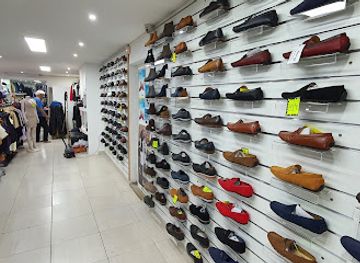
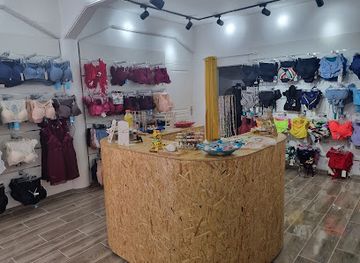
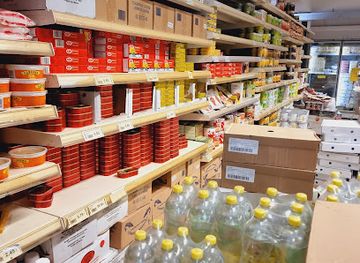
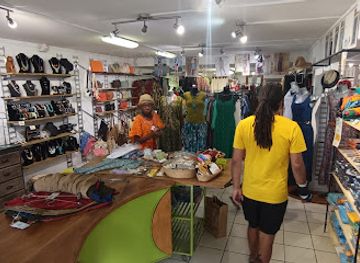
Shopping in Bouéni is primarily practical and local, with small village shops, informal stalls and everyday food retailers rather than a large dedicated shopping district. Visitors may find seasonal fruit, vegetables, coconut products, spices, snacks and locally prepared food, while the selection depends on supply and the time of day. Small purchases are useful for supporting local commerce, but carry cash because market-style sellers and roadside vendors may not accept cards. For a wider range of clothing, household goods, books, crafts and formal supermarkets, Mamoudzou is the main shopping centre elsewhere on Grande-Terre. Regional souvenirs may include woven items, spices, jewellery or locally made foods, but quality and provenance vary; ask sellers where products were made rather than assuming that every craft item is from Bouéni. Do not remove shells, coral or other natural material from the coast, as these are part of the lagoon environment rather than acceptable souvenirs.
-
Clothing store
Zak Boutik
Discover unique fashion and local artisan crafts at Zak Boutik, Mamoudzou's premier clothing store, blending style with the rich culture of Mayotte.
-
Store
SUNDAY
Discover fashionable beach clothing and swimwear at SUNDAY in Mamoudzou, your go-to store for island-inspired styles in Mayotte.
-
Supermarket
Douka Bé Mzouazia
Explore Douka Bé Mzouazia in Boueni, Mayotte for fresh local produce and a taste of island culture.
-
Clothing store
Baobab Company
Explore Baobab Company in Mamoudzou for unique clothing and delightful gift baskets that embody the spirit of Mayotte.
Get your free copy of our complete guide to Bouéni, delivered straight to you.
Everything on this page, from attractions and restaurants to essentials and local phrases, in one PDF you can read offline, print or share.
Already have an account? Sign in
Your Bouéni guide is ready.
We'll send it to · Not you? Sign out

Getting your guide ready…
We are putting together a fresh copy of the Bouéni guide. This can take up to a minute.
This can take a few moments. If your browser asks, choose Allow so the download can start. You'll find the guide in your Downloads folder.
Nothing happened? Download it again
Sorry, the guide is taking longer than usual. Please try again in a minute, or get it by email instead.
Bouéni essentials
Currency and Payment
Safety
Emergency Situations
Do's and Don'ts
Local Tips
From Eve
Local phrases worth knowing
You don't need to get them perfect. A few words go a long way, and locals appreciate the effort.
Basics
| English | Local | Say it |
|---|---|---|
| Hello | Salama | [sah-lah-mah] |
| Goodbye | Tsy mangataka | [ts-ee man-gah-tah-kah] |
| Yes | Iye | [ee-yeh] |
| No | Tsia | [ts-ee-ah] |
| Please/You're welcome | Azafady | [ah-zah-fah-dee] |
| Thank you | Misaotra | [mee-sah-oh-trah] |
| Excuse me/Sorry | Azafady | [ah-zah-fah-dee] |
| How are you? | Inona ny vaovao? | [ee-no-nah nee vah-vah-ooh] |
| Fine. And you? | Tsara. Ary ianao? | [tsah-rah. ah-ree ee-nah-oh] |
| Do you speak English? | Miteny anglisy ve ianao? | [mee-teh-nee ahn-glee-see veh ee-nah-oh] |
| I don't understand | Tsy azoko | [ts-ee ah-zoh-koh] |
Eating & Drinking
| English | Local | Say it |
|---|---|---|
| I'd like to see the menu, please | Te-hijiko ny menu azafady | [teh-hee-jee-koh nee meh-noo ah-zah-fah-dee] |
| I don't eat meat | Tsy mihinana hena aho | [ts-ee mee-hee-nah-nah heh-nah ah-hoo] |
| Cheers! | Tonga soa! | [tohn-gah soh-ah] |
| I would like to pay, please | Te-hijiko handoa azafady | [teh-hee-jee-koh han-doh-ah ah-zah-fah-dee] |
Emergencies
| English | Local | Say it |
|---|---|---|
| Help! | Vonjeo! | [vohn-jay-oh] |
| Go away! | Mandehana! | [mahn-deh-hah-nah] |
| Call the Police! | Antsoy ny Polisy! | [ahn-tsoh-ee nee poh-lee-see] |
| Call a doctor! | Antsoy dokotera! | [ahn-tsoh-ee doh-koh-teh-rah] |
| I'm lost | Tsy hitako | [ts-ee ee-tah-koh] |
| I'm ill | Marary aho | [mah-rah-ree ah-hoo] |
Shopping
| English | Local | Say it |
|---|---|---|
| I'd like to buy... | Te-hijiko hividy... | [teh-hee-jee-koh hee-vee-dee] |
| I'm just looking | Mijery fotsiny fotsiny aho | [mee-jeh-ree foht-see-nee ah-hoo] |
| How much is it? | Ohatrinona izany? | [oh-ah-tree-no-nah ee-zah-nee] |
| That's too expensive | Mahaliana loatra izany | [mah-ah-lee-ah-nah loh-ah-trah ee-zah-nee] |
| Can you lower the price? | Azonao atao ve ny mampihena ny vidiny? | [ah-zoh-nah-oh ah-tah-oh veh nee mahm-pee-hay-nah nee vee-dee-nee] |
Time & Numbers
| English | Local | Say it |
|---|---|---|
| What time is it? | Inona ny ora? | [ee-no-nah nee oh-rah] |
| It's one o'clock | Tsy iray ora | [ts-ee ee-rah-ee oh-rah] |
| Half past (10) | Tapany (10) | [tah-pah-nee] |
| Morning | Maraina | [mah-rah-ee-nah] |
| Afternoon | Toa | [toh-ah] |
| Evening | Hariva | [hah-ree-vah] |
| Yesterday | Omaly | [oh-mah-lee] |
| Today | Androany | [ahn-droh-ah-nee] |
| Tomorrow | Rahampitso | [rah-hahm-pee-tso] |
| 1 | Iray | [ee-rah-ee] |
| 2 | Roa | [roh-ah] |
| 3 | Telo | [teh-loh] |
| 4 | Efatra | [eh-fah-trah] |
| 5 | Dimy | [dee-mee] |
| 6 | Enina | [eh-nee-nah] |
| 7 | Fito | [fee-toh] |
| 8 | Valo | [vah-loh] |
| 9 | Sivy | [see-vee] |
| 10 | Folo | [foh-loh] |
Transport & Directions
| English | Local | Say it |
|---|---|---|
| Where's a/the...? | Aiza ny...? | [ah-ee-zah nee] |
| What's the address? | Inona ny adiresy? | [ee-no-nah nee ah-dee-reh-see] |
| Can you show me (on the map)? | Afaka mampiseho ahy ve ianao? | [ah-fah-kah mahm-pee-seh-ho ah-ee veh ee-nah-oh] |
| When's the next (bus)? | Rahoviana ny bus manaraka? | [rah-hoh-vee-ah-nah nee boos mah-nah-rah-kah] |
| A ticket (to ....) | Tapakila (ho an...) | [tah-pah-kee-lah] |
History of Bouéni
Early Austronesian and African Settlement
Mayotte’s first long-term communities emerged through movements across the western Indian Ocean. Austronesian seafarers brought agricultural and maritime knowledge, while later settlement and exchange connected the island to the African mainland, Madagascar and the Comoros. Archaeological evidence from across Mayotte shows that communities cultivated tropical crops, traded by sea and adapted to volcanic soils and lagoon resources. The south-west, including the area now associated with Bouéni, formed part of this wider island landscape rather than an isolated settlement system.
Islamic Sultanates and Indian Ocean Trade
From the medieval period, Mayotte was incorporated into commercial and cultural networks linking the Comoros, Madagascar, the Swahili coast and the wider Indian Ocean. Islam became an important influence, and local political authority developed through sultanates and alliances between settlements. Arabic-derived writing, Islamic learning and trading connections left a legacy still visible in Mayotte’s mosques, family traditions and place names. Bouéni’s coastal villages belong to this long history of maritime exchange, although surviving evidence is generally stronger for the island’s better-documented political centres.
Sultanate of Mayotte and Regional Rivalries
In the eighteenth and early nineteenth centuries, Mayotte was affected by rivalries among Comorian sultanates, conflicts involving Madagascar and the pressures of Indian Ocean commerce. Political authority could be contested, while villages and coastal communities negotiated protection, agriculture and access to maritime routes. These changes contributed to the social and linguistic complexity of the island. In the south-west, the durable importance of village networks, family land and the coast reflects patterns formed during this period of regional competition and migration.
The 1841 Cession to France
In 1841, Sultan Andriantsoly ceded Mayotte to France, beginning the island’s formal incorporation into the French colonial sphere. French administration changed landholding, legal institutions, education and economic organisation, although local Islamic authority and community structures continued to shape daily life. Mayotte became a colonial possession while the other Comorian islands followed a different political path. The contrast remains significant today: Mayotte is part of France, whereas the Union of the Comoros claims the archipelago as a whole.
Colonial Transformation and Rural Economy
During the colonial period, Mayotte’s economy was reorganised around plantation agriculture, especially sugar and other tropical products, alongside subsistence cultivation and fishing. Roads, administrative services and schools gradually expanded, but development was uneven and many communities remained rural. In the Bouéni area, village life continued to depend on agriculture, family networks and lagoon resources. The landscape of cultivated hills, settlements and coastal paths preserves elements of this rural history even as contemporary construction and population growth have altered the region.
Departmental Status and Contemporary Mayotte
Mayotte voted in 1974 and again in 1976 to remain linked to France, while the other Comorian islands became independent. It became a French overseas department and region in 2011, bringing greater alignment with French public institutions and services but also exposing persistent inequalities, rapid population growth and pressure on housing, roads and the environment. Bouéni reflects these wider changes: traditional village and Islamic practices coexist with French administration, mobile communications, modern schools and a growing interest in marine and nature-based tourism.
Bouéni in Photos
Browse through our photo collection highlighting the charm and character of the destination.
Neighbouring regions of Bouéni
The closest regions to Bouéni, if you have time for more than one.
-

-

-

-

-


Swipe for more regions

