

Free Grande-Terre Travel Guide & Mobile App
Explore Grande-Terre with free travel guides. Discover regional history, expert tips, proposed trips, and audio guides on web or mobile app.


Explore Grande-Terre, Mayotte, for volcanic hills, a protected lagoon, sea turtles, village markets and distinctive Comorian-French culture.
Read more about Grande-Terre
When is the best time to visit Grande-Terre?
Best: June–July, September · 26–27°C| Month | High (°C) | Rainfall (mm) |
|---|---|---|
| January | 30 | 300 |
| February | 30 | 220 |
| March | 30 | 210 |
| April | 29 | 120 |
| May | 28 | 70 |
| June (best) | 27 | 40 |
| July (best) | 26 | 50 |
| August | 26 | 50 |
| September (best) | 27 | 40 |
| October | 28 | 60 |
| November | 29 | 100 |
| December | 29 | 190 |
Getting to and around Grande-Terre
How to get there
Transportation
Best attractions in Grande-Terre
Grande-Terre’s attractions combine volcanic landscapes, lagoon environments and lived-in cultural spaces rather than a dense circuit of formal monuments. Mamoudzou is the island’s main urban base, with markets, waterfront activity and access to local boat excursions. Inland, the forests and uplands around Combani provide a cooler setting for guided walks, while Mont Choungui in the south is one of Mayotte’s best-known hiking objectives, with broad views for those prepared for a steep route. The southern coast offers beaches, mangrove fringes and the Saziley area, where marine conservation and turtle habitat are central to the experience. N’Gouja is particularly associated with sea turtles and reef outings, but visitors must keep their distance and follow local guidance. Around Dembeni, Bandrélé, Chirongui and Kani-Kéli, village life, cultivated hills and coastal scenery reveal a different side of the island from the capital. Lagoon trips allow access to coral formations, beaches and marine wildlife, although weather and sea conditions determine what is possible. The strongest attractions are therefore outdoor and place-based: hiking, responsible wildlife observation, photography, local food, markets and encounters with the island’s Comorian-French cultural landscape.
-
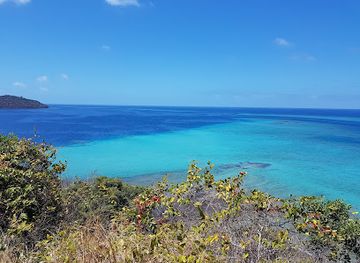
 Bay
BayBaie de Bouéni
Experience the stunning natural beauty and rich culture of Baie de Bouéni, a serene retreat in Mayotte's picturesque landscape.
Best landmarks in Grande-Terre
Grande-Terre’s most recognisable landmarks are often natural or landscape-based. Mont Choungui, the isolated volcanic peak in the south, is a defining silhouette and a significant hiking landmark, rising above villages and cultivated slopes. The Saziley peninsula forms another important geographic marker, combining rugged coastline, protected habitats and views across the southern lagoon. N’Gouja’s beach and surrounding marine environment are widely associated with Mayotte’s sea turtles, although the animals themselves are protected wildlife rather than a spectacle to be approached. Mamoudzou’s waterfront and urban centre represent the island’s contemporary administrative importance, while Longoni’s port reflects Grande-Terre’s role in regional transport and commerce. Forested high ground around Combani provides a contrast to the densely settled eastern coast and helps explain the island’s volcanic relief. Across the island, mosques, village streets, cultivated terraces and older plantation landscapes are culturally significant, even when they are not monumental buildings. These places matter because they show how geology, religion, colonial history, agriculture and present-day public life remain visible in the same compact but varied island landscape.
-
Tourist attraction
Beach N'Gouja
Discover the stunning Beach N'Gouja in Mayotte, a paradise of soft sands and vibrant marine life, perfect for relaxation and adventure.
-
Hotel
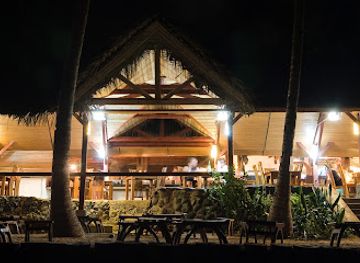
Le Jardin Maore
Experience the serene beauty of Mayotte at Le Jardin Maore, your gateway to relaxation and adventure by the Indian Ocean.
-
Restaurant
Le Tour du Monde
Experience the culinary diversity of Mayotte at Le Tour du Monde, where delightful crepes, tapas, and fine wines await in a vibrant atmosphere.
-
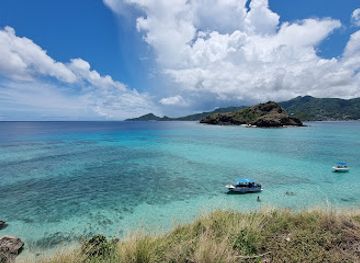
Boat tour agency
Seablue
Explore the enchanting waters of Mayotte with Seablue, your premier boat tour agency for unforgettable marine adventures.
Explore Grande-Terre on the map
Plan your trip on one map. See where the top cities, national parks and sights are, and book hotels and experiences in a few clicks.
Best hotels in Grande-Terre
Best restaurants in Grande-Terre
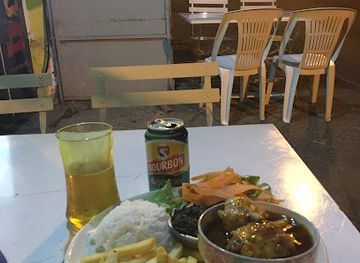
Grande-Terre’s food reflects Mayotte’s Comorian, Malagasy, African, Indian Ocean and French connections. In Mamoudzou and the larger towns, informal restaurants and takeaway counters serve rice-based dishes, grilled fish, chicken, samoussas, brochettes and spicy accompaniments. Mataba, made with cassava leaves and coconut, and pilao-style rice dishes are among the local flavours visitors may encounter, although recipes and names vary between households and eateries. Cassava, bananas, coconut, plantain, mangoes and locally grown spices are important to everyday cooking, while seafood is naturally prominent along the coast. Markets are useful for fruit, vegetables, fried snacks and prepared food, but opening patterns may be informal. Rural dining is more limited and may require advance arrangements, especially near southern beaches or hiking areas. French influences appear in bread, pastries and café culture, while beverages and desserts often use tropical fruit. A respectful appetite for simple, freshly prepared food is more useful here than searching for a formal restaurant scene.
-
Restaurant
Le Faré
Discover authentic Mayotte cuisine at Le Faré - where local flavors meet breathtaking views in Dzaoudzi.
-
Restaurant
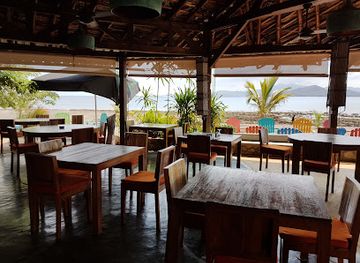
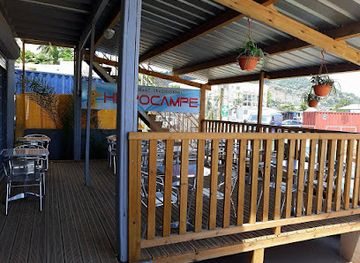
Hippocampe Restaurant
Experience authentic Mayotte cuisine at Hippocampe Restaurant - where fresh ingredients meet island flavors in a welcoming setting.
-
Restaurant
Auberge du Rond-point
Experience authentic Mayotte cuisine at Auberge du Rond-point in Mamoudzou, where every dish tells a story of local flavors.
-
Restaurant
Le Citron Vert
Discover the authentic taste of Mayotte at Le Citron Vert - where local flavors meet culinary excellence in Mamoudzou.
Best bars in Grande-Terre
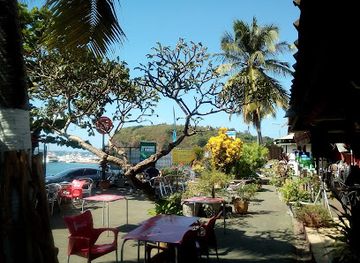
Nightlife on Grande-Terre is concentrated in Mamoudzou and a few larger settlements rather than spread across a major club circuit. The capital has the broadest choice of cafés, restaurants, hotel bars and occasional live-music settings, while smaller towns tend towards family restaurants, modest bars and evening socialising. In rural areas, evenings are generally quiet, and visitors should not expect a late-night venue near every beach or hiking destination. Cultural and community events may include music and dance influenced by the Comoros and wider Indian Ocean, but dates and locations vary. Alcohol is available, yet Mayotte’s predominantly Muslim culture means that drinking should not be treated as the defining feature of local life. Dress and behaviour should remain discreet in residential and village settings, and arranging a safe return is important when staying outside Mamoudzou. Check current local information for operating venues rather than relying on old listings.
-
Restaurant
Le Faré
Discover the rich flavors of Mayotte at Le Faré, a culinary gem in Dzaoudzi, offering fresh, local dishes in a warm atmosphere.
-
Bar
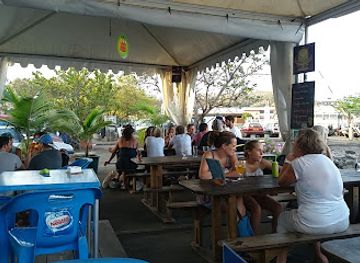
Barakili
Discover Barakili in Mamoudzou, Mayotte: a vibrant bar offering a delightful mix of local and international drinks in a cozy atmosphere.
-
Bar
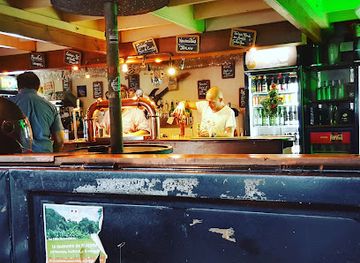
Le Camion Blanc
Experience the vibrant nightlife of Mamoudzou at Le Camion Blanc, where refreshing drinks and a friendly atmosphere await.
-
Restaurant
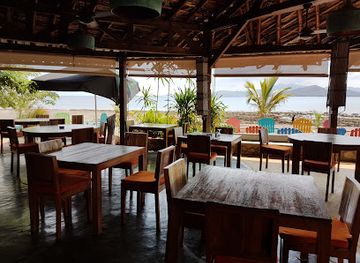
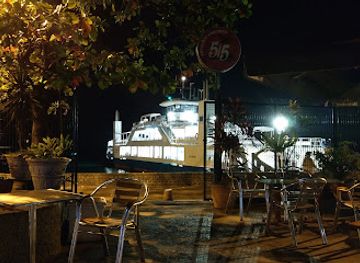
Le 5/5
Discover the vibrant culinary scene at Le 5/5 in Mamoudzou, where delicious pizzas and lively music create an unforgettable dining experience.
Best nightclubs in Grande-Terre
Nightlife on Grande-Terre is concentrated in Mamoudzou and a few larger settlements rather than spread across a major club circuit. The capital has the broadest choice of cafés, restaurants, hotel bars and occasional live-music settings, while smaller towns tend towards family restaurants, modest bars and evening socialising. In rural areas, evenings are generally quiet, and visitors should not expect a late-night venue near every beach or hiking destination. Cultural and community events may include music and dance influenced by the Comoros and wider Indian Ocean, but dates and locations vary. Alcohol is available, yet Mayotte’s predominantly Muslim culture means that drinking should not be treated as the defining feature of local life. Dress and behaviour should remain discreet in residential and village settings, and arranging a safe return is important when staying outside Mamoudzou. Check current local information for operating venues rather than relying on old listings.
-
Bar
Barakili
Discover the vibrant nightlife of Mamoudzou at Barakili, a local bar offering a blend of delicious drinks and a lively atmosphere.
-
Restaurant
Le 5/5
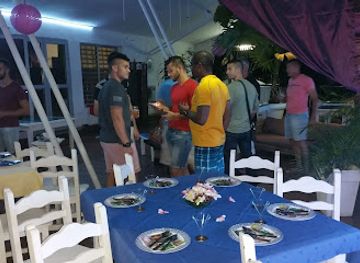
Le 5/5 in Mamoudzou is your go-to spot for delicious pizzas, refreshing cocktails, and an unforgettable karaoke experience in Mayotte.
-
Bar
Le Mermoz
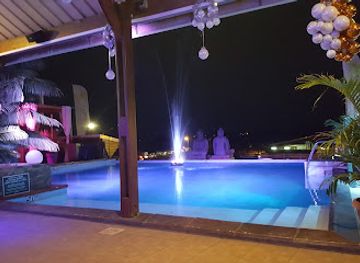
Experience the vibrant nightlife of Mamoudzou at Le Mermoz, your go-to cocktail and tapas bar in Mayotte for an unforgettable evening.
-
Bar
Le Loft
Experience the vibrant nightlife of Mayotte at Le Loft, where great drinks and lively music create unforgettable memories.

Best shops in Grande-Terre
Shopping on Grande-Terre is centred on Mamoudzou’s shops, markets and commercial streets, with smaller everyday markets and food stalls in other towns. Visitors can look for woven goods, baskets, textiles, jewellery, carved items and locally made decorative products, while ylang-ylang fragrances and essential-oil products reflect Mayotte’s long association with the fragrant flower. Markets are also the best places to find bananas, cassava, coconut, spices, seasonal fruit and prepared snacks, although produce and trading activity change from day to day. Independent shops and supermarkets provide practical supplies, whereas rural settlements offer a more limited retail choice. Craft quality and provenance vary, so ask where an item was made and handle products respectfully before buying. French toiletries, clothing and imported goods are available around Mamoudzou, but the most distinctive purchases are generally food products, fragrance, woven work and small objects connected with the island’s Indian Ocean culture. Keep cash available for informal stalls and remember that opening arrangements may be less predictable outside the main urban centre.
-
Sportswear store
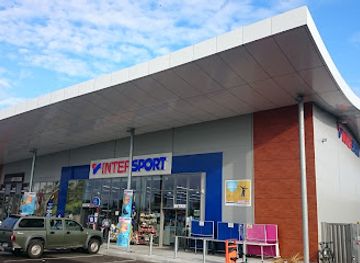
Intersport MAYOTTE
Explore the great outdoors of Mayotte with quality gear from Intersport Mayotte, your ultimate sportswear destination.
-
Vaporizer store
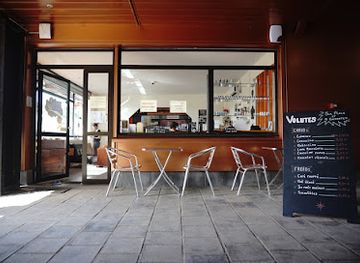
Les Volutes
Discover a harmonious blend of vaporizer culture, exquisite teas, and lush greenery at Les Volutes in Mamoudzou, Mayotte.
-
Women's clothing store
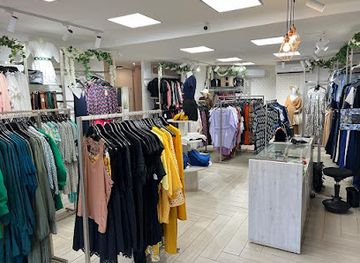
Lila Dressing
Explore Lila Dressing in Mamoudzou for unique women's fashion that captures the essence of Mayotte's culture and beauty.
-
Store
SUNDAY
Discover vibrant beachwear and stylish swim essentials at SUNDAY in Mamoudzou, the perfect stop for every beach-loving traveler.

Get your free copy of our complete guide to Grande-Terre, delivered straight to you.
Everything on this page, from attractions and restaurants to essentials and local phrases, in one PDF you can read offline, print or share.
Already have an account? Sign in
Your Grande-Terre guide is ready.
We'll send it to · Not you? Sign out

Getting your guide ready…
We are putting together a fresh copy of the Grande-Terre guide. This can take up to a minute.
This can take a few moments. If your browser asks, choose Allow so the download can start. You'll find the guide in your Downloads folder.
Nothing happened? Download it again
Sorry, the guide is taking longer than usual. Please try again in a minute, or get it by email instead.
Grande-Terre essentials
Currency and Payment
Safety
Emergency Situations
Do's and Don'ts
Local Tips
From Eve
Local phrases worth knowing
You don't need to get them perfect. A few words go a long way, and locals appreciate the effort.
Basics
| English | Local | Say it |
|---|---|---|
| Hello | Salama | [sah-lah-mah] |
| Goodbye | Tsy miala | [tsi mee-lah] |
| Yes | Eny | [eh-nee] |
| No | Tsia | [tsee-ah] |
| Please/You're welcome | Azafady | [ah-zah-fah-dee] |
| Thank you | Misaotra | [mee-sah-oh-trah] |
| Excuse me/Sorry | Azafady | [ah-zah-fah-dee] |
| How are you? | Manao ahoana? | [mah-nah-oh ah-wah-nah] |
| Fine. And you? | Tsara. Ary ianao? | [tsah-rah. ah-ree ee-nah-oh] |
| Do you speak English? | Mahay miteny anglisy ve ianao? | [mah-hah-ee mee-teh-nee ahn-glee-see veh ee-nah-oh] |
| I don't understand | Tsy azoko | [tsi ah-zoh-koo] |
Eating & Drinking
| English | Local | Say it |
|---|---|---|
| I'd like to see the menu, please | Te-hanika ny menu azafady | [teh-hah-nee-kah nee meh-nu ah-zah-fah-dee] |
| I don't eat meat | Tsy mihinana hena | [tsi mee-hee-nah-nah heh-nah] |
| Cheers! | Sambatra! | [sahm-bah-trah] |
| I would like to pay, please | Te-hanika mandoa azafady | [teh-hah-nee-kah mahn-do-ah ah-zah-fah-dee] |
Emergencies
| English | Local | Say it |
|---|---|---|
| Help! | Vonjeo! | [vohn-jeh-oh] |
| Go away! | Mandehana any! | [mahn-deh-hah-nah ah-nee] |
| Call the Police! | Antsoy ny Polisy! | [ahn-tsoh-ee nee poh-lee-see] |
| Call a doctor! | Antsoy dokotera! | [ahn-tsoh-ee doh-koh-teh-rah] |
| I'm lost | Very very | [veh-ree veh-ree] |
| I'm ill | Marary aho | [mah-rah-ree ah-ho] |
Shopping
| English | Local | Say it |
|---|---|---|
| I'd like to buy... | Te-hividy... | [teh-hee-vee-dee] |
| I'm just looking | Mijery fotsiny aho | [mee-jeh-ree fo-tsi-nee ah-ho] |
| How much is it? | Ohatrinona? | [oh-hah-tree-noh-nah] |
| That's too expensive | Malahelo be loatra | [mah-lah-heh-loh beh loo-ah-trah] |
| Can you lower the price? | Afaka manamaivana ny vidiny ve ianao? | [ah-fah-kah mah-nah-my-vah-nah nee vee-dee-nee veh ee-nah-oh] |
Time & Numbers
| English | Local | Say it |
|---|---|---|
| What time is it? | Ahoana ny ora? | [ah-oh-ah-nah nee oh-rah] |
| It's one o'clock | Mitovy amin'ny iray | [mee-toh-vee ah-meen ee-rah-ee] |
| Half past (10) | Telo ambin'ny folo | [teh-loh ahm-been ee foh-loh] |
| Morning | Maraina | [mah-rah-ee-nah] |
| Afternoon | Tohiny | [toh-hee-nee] |
| Evening | Hariva | [hah-ree-vah] |
| Yesterday | Omaly | [oh-mah-lee] |
| Today | Anio | [ah-nee-oh] |
| Tomorrow | Rahampitso | [rah-hahm-peet-soh] |
| 1 | Iray | [ee-rah-ee] |
| 2 | Ro | [roh] |
| 3 | Telo | [teh-loh] |
| 4 | Efatra | [eh-fah-trah] |
| 5 | Dimy | [dee-mee] |
| 6 | Enina | [eh-nee-nah] |
| 7 | Fito | [fee-toh] |
| 8 | Valo | [vah-loh] |
| 9 | Sivy | [see-vee] |
| 10 | Folo | [foh-loh] |
Transport & Directions
| English | Local | Say it |
|---|---|---|
| Where's a/the...? | Aiza ny...? | [ah-ee-zah nee] |
| What's the address? | Inona ny adiresy? | [ee-noh-nah nee ah-dee-reh-see] |
| Can you show me (on the map)? | Afaka mampiseho ahy ve ianao? | [ah-fah-kah mahm-pee-seh-ho ah-ee veh ee-nah-oh] |
| When's the next (bus)? | Rahoviana ny bus manaraka? | [rah-hoh-vee-ah-nah nee boos mah-nah-rah-kah] |
| A ticket (to ....) | Tapakila (manaraka ...) | [tah-pah-kee-lah mah-nah-rah-kah] |
History of Grande-Terre
Early Indian Ocean Settlement
Grande-Terre was drawn into Indian Ocean networks long before European rule. Archaeological evidence and linguistic connections point to successive links with Austronesian seafarers, the East African coast, Madagascar and the Comoros. These maritime connections brought crops, techniques and commercial relationships, while settlement developed around fertile valleys, sheltered shores and access to the lagoon. The island’s location between Africa and Madagascar made it part of a wider trading world rather than an isolated outpost.
Sultanates and Muslim Communities
From the medieval period, Grande-Terre became associated with Muslim coastal communities and the sultanates of the Comorian archipelago. Arab, Swahili, Malagasy and Comorian influences shaped language, religion and political organisation. Islam remains a major element of Mayotte’s cultural identity, although contemporary life also reflects French institutions and diverse Indian Ocean connections. Mosques, village customs and the use of Shimaore preserve aspects of this longer regional history.
French Acquisition in 1841
France took possession of Mayotte in 1841 after Sultan Andriantsoly transferred the island to the French crown. Grande-Terre subsequently became part of a French colonial system in the western Indian Ocean. The change altered land ownership, administration and commercial relationships, while French authority coexisted with established Muslim communities and local political structures. The nineteenth century also brought plantation development and new patterns of labour, leaving an important colonial imprint on the island.
Plantations, Abolition and Agricultural Change
Colonial Grande-Terre supported plantations producing crops including sugar and ylang-ylang, alongside subsistence farming and coastal trade. The history of agriculture was connected to forced labour and slavery before abolition in the French empire in 1848, followed by changing systems of contracted and wage labour. Sugar production later declined, while ylang-ylang, vanilla, cloves, coconut, bananas and small-scale cultivation remained associated with the island’s rural economy. Plantation traces and cultivated hills still form part of the landscape.
Mayotte and the Comorian Political Question
When the Comoros voted on independence from France in the 1970s, Mayotte followed a different political path and remained under French administration. The separation has shaped regional politics, family connections and movement across the archipelago ever since. Grande-Terre consequently developed within French legal and public-service systems while retaining strong cultural, linguistic and historical links with the other Comorian islands. This dual context is essential to understanding Mayotte’s contemporary identity.
Departmentalisation in the Twenty-First Century
Mayotte became France’s 101st department in 2011, consolidating its place within the French Republic and bringing further alignment with national institutions and European standards. The change has supported investment and public administration but has also accompanied rapid population growth, pressure on housing and services, and difficult debates about migration and inequality. On Grande-Terre, modern roads, schools, hospitals and commercial development exist alongside rural villages, customary practices and vulnerable coastal ecosystems.
Grande-Terre in Photos
Browse through our photo collection highlighting the charm and character of the destination.
Neighbouring regions of Grande-Terre
The closest regions to Grande-Terre, if you have time for more than one.
-

-

-
-

-


Swipe for more regions
Explore more

Explore more of Mayotte
Discover Mayotte, the untouched paradise of the Indian Ocean, where stunning beaches, vibrant marine life, and a unique cultural blend await you.
Explore Mayotte