

Free Tsingoni Travel Guide & Mobile App
Explore Tsingoni with free travel guides. Discover regional history, expert tips, proposed trips, and audio guides on web or mobile app.


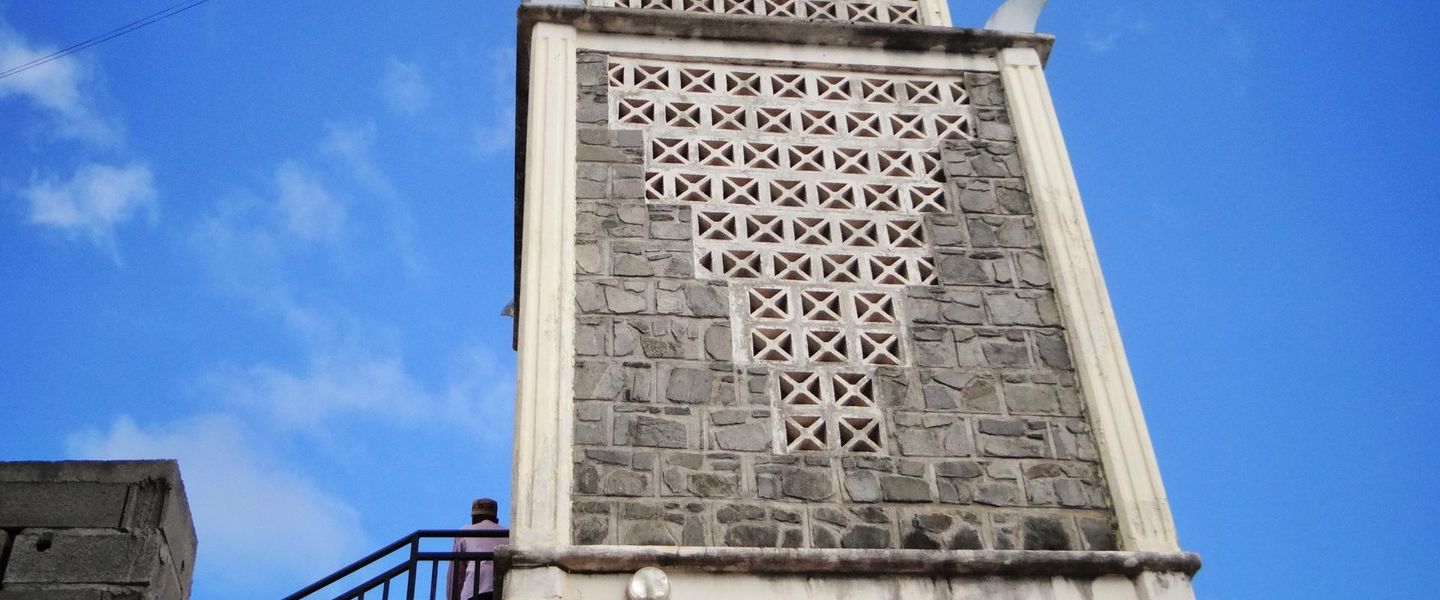


Explore Tsingoni in Mayotte for a historic mosque, former sultanate capital, tropical uplands, village life and access to Mount Combani.
Read more about Tsingoni
When is the best time to visit Tsingoni?
Best: June–August · 26–27°C| Month | High (°C) | Rainfall (mm) |
|---|---|---|
| January | 29 | 250 |
| February | 30 | 200 |
| March | 30 | 150 |
| April | 29 | 100 |
| May | 28 | 50 |
| June (best) | 27 | 30 |
| July (best) | 26 | 30 |
| August (best) | 26 | 30 |
| September | 27 | 50 |
| October | 28 | 100 |
| November | 29 | 150 |
| December | 30 | 200 |
Getting to and around Tsingoni
How to get there
Transportation
Top city travel guides in Tsingoni
The cities of Tsingoni, and the easiest places to base yourself.

Swipe for more cities
Best attractions in Tsingoni
Tsingoni’s attractions combine Islamic heritage, village life and tropical upland scenery. The historic mosque in Tsingoni is the principal cultural site, offering a direct connection with the settlement’s former role as a sultanate capital; visitors should check locally how to view it respectfully. The villages of Combani, Mroalé and Miréréni provide contrasting settings, from roads through cultivated hills to denser residential areas and small local businesses. Inland, the slopes and forest around Mount Combani are suited to guided walks, nature observation and an appreciation of Mayotte’s humid island ecology. Ylang-ylang, fruit trees and food gardens help explain the character of the countryside, while the western lagoon remains close enough for travellers to combine inland exploration with coastal views. Tsingoni is not primarily a conventional resort destination: its appeal lies in historic interpretation, landscape and contact with everyday island environments. Access to rural paths, gardens and forest edges should be arranged sensitively, since some land is private, routes may be poorly marked and wet-weather conditions can change quickly.
-
Tourist attraction
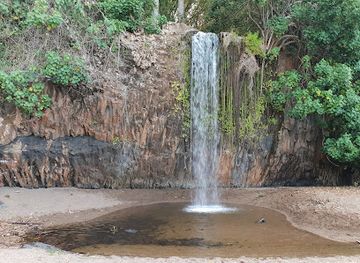
Cascade de Soulou
Experience the breathtaking beauty of Cascade de Soulou in Mayotte, a hidden gem perfect for nature lovers and adventure seekers alike.
-
Diving center
Le Lagon Maoré
Discover the underwater beauty of Mayotte at Le Lagon Maoré, your gateway to unforgettable diving experiences in the Indian Ocean.
-
Mosque
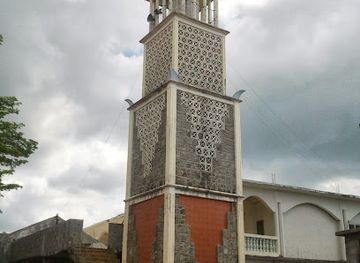
Mosquée de Tsingoni
Explore the tranquil Mosquée de Tsingoni, a jewel of Islamic architecture and cultural heritage in Mayotte, perfect for spiritual reflection and admiration.
-
Tourist attraction
Le jardin d'imany
Explore the vibrant flora and tranquil landscapes of Le Jardin d'Imany, a tropical garden paradise in Combani, Mayotte.
Best landmarks in Tsingoni
The historic mosque of Tsingoni is the commune’s defining landmark and one of Mayotte’s most important surviving reminders of the island’s sultanate history. Its coral-stone fabric, Islamic architectural form and association with the former capital distinguish it from later French administrative buildings and modern village construction. The old settlement around the mosque is significant because the historical story is carried not only by the structure itself but also by its relationship with the surrounding village. Inland, Mount Combani forms a prominent natural reference point for the commune, rising above cultivated slopes and forested terrain and helping explain the contrast between central-western Mayotte’s coast and uplands. The lagoon-facing road approaches provide changing views towards the sheltered water and neighbouring landforms, although these are landscapes rather than formal monuments. Tsingoni’s landmarks are therefore layered: a religious and political monument in the historic village, a mountain environment in the interior and a tropical lagoon setting that links both to Mayotte’s wider maritime history.
-
Tourist attraction
Beach N'Gouja
Experience the serene beauty of Beach N'Gouja in Mayotte, where pristine sands meet crystal-clear waters in a tropical paradise.
-
Island
Grande-Terre
Discover the enchanting Grande-Terre in Mayotte, where pristine beaches meet rich culture and thrilling adventures await every traveler.
-
Boat tour agency
Seablue
Explore the breathtaking waters of Mayotte with Seablue, where unforgettable boat tours and stunning marine life await every visitor.
-
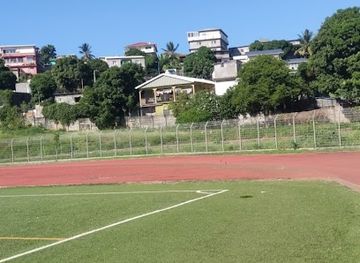
Stadium
Cavani Stadium
Discover the excitement of live sports at Cavani Stadium in Mayotte, where local culture and community spirit come alive in every match.
Explore Tsingoni on the map
Plan your trip on one map. See where the top cities, national parks and sights are, and book hotels and experiences in a few clicks.
Best hotels in Tsingoni
Best restaurants in Tsingoni
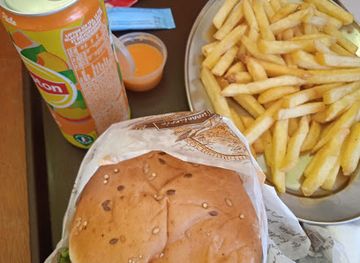
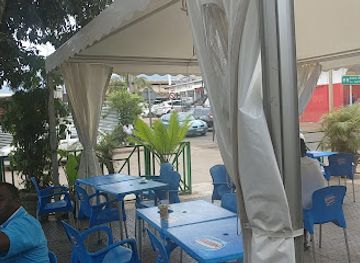
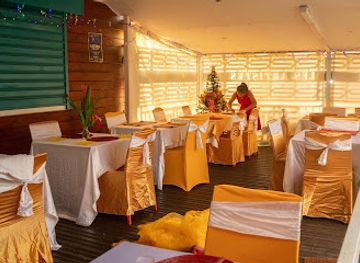
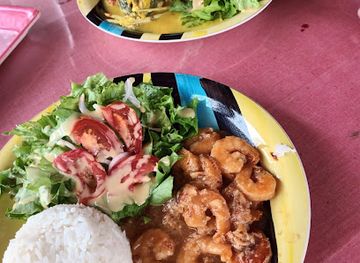
Eating in Tsingoni is generally informal and local, with small eateries, takeaway counters, family cooking and market-style stalls more prominent than a dedicated restaurant district. Mayotte’s cuisine reflects Comorian, Malagasy, African, Indian and French influences, and visitors may encounter rice served with fragrant sauces, grilled meat or fish, legumes, plantain, cassava and seasonal vegetables. Coconut, spices and chilli are common features, while tropical fruit and fresh juices suit the hot climate. In the inland villages around Combani, agricultural surroundings make local produce and home-grown ingredients part of the area’s food identity, although availability varies by season. Fish and seafood are more strongly associated with coastal communities across Mayotte than specifically with inland Tsingoni. French-style bread, pastries and café fare are also readily part of everyday life. Carry cash for small vendors and ask about ingredients when dietary restrictions are important.
-
Restaurant
Mabawa Wings
Experience authentic Mayotte cuisine at Mabawa Wings in Tsingoni—where every dish tells a story.
-
Kebab shop
Sunlight Kebab
Discover authentic kebab delights at Sunlight Kebab in Tsingoni, where local flavors meet warm hospitality.
-
Restaurant
Restaurant les Artistes
Experience the vibrant flavors of Mayotte at Restaurant les Artistes in Combani – where culinary tradition meets contemporary dining.
-
Restaurant
La boissonerie
Experience the essence of Mayotte at La Boissonerie – where local flavors meet global cuisine in a cozy setting.
Best bars in Tsingoni
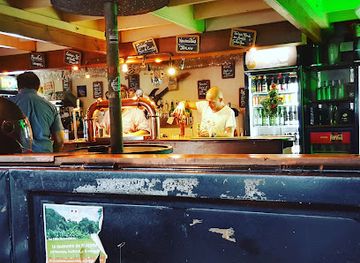
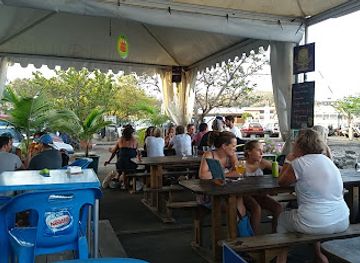
Tsingoni does not have a concentrated nightclub scene, and evening life is more closely tied to family gatherings, cafés, informal food outlets and community activity than to late-night entertainment. In the villages, the pace generally becomes quieter after dark, while larger evening choices are more likely to be found in the main urban centres elsewhere on Grande-Terre. Visitors should not expect a defined bar strip or dependable late opening hours. Alcohol is not central to the region’s cultural life, and Mayotte’s predominantly Muslim communities mean that public behaviour around drinking should remain discreet and respectful. Some restaurants and local venues may provide relaxed evening socialising, but arrangements can be informal and changeable. Plan transport back to accommodation in advance, particularly when staying in a rural part of the commune, and avoid walking unfamiliar roads late at night.
-
Bar
Barakili
Discover Barakili, a vibrant bar in Mamoudzou, Mayotte, where local flavors and a lively atmosphere come together for an unforgettable experience.
-
Bar
Le Camion Blanc
Experience the vibrant nightlife at Le Camion Blanc in Mamoudzou, where local culture meets refreshing drinks in a lively atmosphere.
-
Bar
M'biwi
Experience the lively atmosphere of M'biwi in Mamoudzou, a quintessential bar for tourists seeking relaxation and local flavor in Mayotte.
-
Restaurant
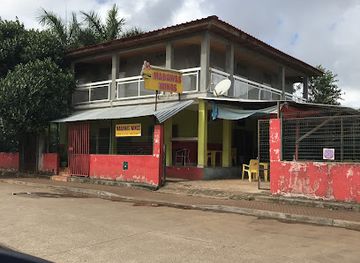
Mabawa Wings
Experience the rich flavors of Mayotte at Mabawa Wings, where local ingredients meet culinary creativity in a welcoming atmosphere.

Best nightclubs in Tsingoni
Tsingoni does not have a concentrated nightclub scene, and evening life is more closely tied to family gatherings, cafés, informal food outlets and community activity than to late-night entertainment. In the villages, the pace generally becomes quieter after dark, while larger evening choices are more likely to be found in the main urban centres elsewhere on Grande-Terre. Visitors should not expect a defined bar strip or dependable late opening hours. Alcohol is not central to the region’s cultural life, and Mayotte’s predominantly Muslim communities mean that public behaviour around drinking should remain discreet and respectful. Some restaurants and local venues may provide relaxed evening socialising, but arrangements can be informal and changeable. Plan transport back to accommodation in advance, particularly when staying in a rural part of the commune, and avoid walking unfamiliar roads late at night.
-
Bar
Barakili
Discover the vibrant atmosphere of Barakili in Mamoudzou, where refreshing drinks and local culture unite for an unforgettable experience.
-
Tourist attraction
Plage De Tanaraki
Experience the breathtaking beauty of Plage De Tanaraki, a serene beach paradise in Mayotte with stunning views and vibrant marine life.
-
Restaurant
Le Voulé
Experience the vibrant flavors of Mayotte at Le Voulé, a charming restaurant offering local cuisine and live music in Mamoudzou.
-
Bar
Le Mermoz
Discover Le Mermoz in Mamoudzou for exquisite cocktails, delectable tapas, and a lively atmosphere perfect for a night out.


Best shops in Tsingoni
Shopping in Tsingoni is primarily practical and local rather than centred on large commercial districts. Small village shops and informal stalls serve everyday needs, while seasonal produce may include fruit, vegetables, spices and other ingredients associated with Mayotte’s gardens and cultivated uplands. Travellers looking for regional products can ask about ylang-ylang-related goods, local spices, woven articles and handmade items, but availability and quality vary, so purchases should be made from established sellers where possible. The commune is not the main destination for designer retail or extensive antiques shopping; larger selections of clothing, household goods and contemporary retail are found in Mayotte’s principal urban centres. Food products, small crafts and market purchases are generally more meaningful souvenirs than mass-produced items. Carry cash in small denominations, ask permission before photographing craftwork or stalls, and remember that informal market trading may follow local schedules rather than fixed tourist opening hours.
-
Tourist attraction
Plage De Tanaraki
Experience the tranquil beauty of Plage De Tanaraki, a hidden paradise in Mayotte with stunning beaches and vibrant local culture.
-
 Shopping mall
Centre Commercial Ylang Ylang
Explore Centre Commercial Ylang Ylang, a vibrant shopping mall in Tsingoni, Mayotte, featuring diverse shops, delectable dining, and a taste of local culture.
-
Home goods store
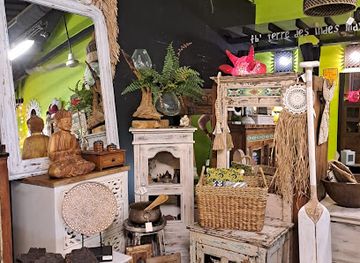
Terre des Indes
Explore Terre des Indes, where Mayotte's vibrant culture meets exquisite home decor and furniture, perfect for every taste.
-
Women's clothing store
JENNYFER Mayotte
Explore JENNYFER Mayotte for trendy women's clothing that embodies the vibrant spirit of the island, perfect for any occasion.

Get your free copy of our complete guide to Tsingoni, delivered straight to you.
Everything on this page, from attractions and restaurants to essentials and local phrases, in one PDF you can read offline, print or share.
Already have an account? Sign in
Your Tsingoni guide is ready.
We'll send it to · Not you? Sign out

Getting your guide ready…
We are putting together a fresh copy of the Tsingoni guide. This can take up to a minute.
This can take a few moments. If your browser asks, choose Allow so the download can start. You'll find the guide in your Downloads folder.
Nothing happened? Download it again
Sorry, the guide is taking longer than usual. Please try again in a minute, or get it by email instead.
Tsingoni essentials
Currency and Payment
Safety
Emergency Situations
Do's and Don'ts
Local Tips
From Eve
Local phrases worth knowing
You don't need to get them perfect. A few words go a long way, and locals appreciate the effort.
Basics
| English | Local | Say it |
|---|---|---|
| Hello | Salama | [sah-lah-mah] |
| Goodbye | Alaa | [ah-lah] |
| Yes | Eee | [ay] |
| No | Aye | [ah-ee] |
| Please/You're welcome | Tafadhali | [tah-fah-dah-lee] |
| Thank you | Asante | [ah-sahn-teh] |
| Excuse me/Sorry | Pole | [poh-leh] |
| How are you? | Habari gani? | [hah-bah-ree gah-nee] |
| Fine. And you? | Nzuri. Na wewe? | [n-zoo-ree nah weh-weh] |
| Do you speak English? | Unazungumza Kiingereza? | [oo-nah-zoon-gum-zah kee-in-geh-reh-zah] |
| I don't understand | Sielewi | [see-eh-leh-wee] |
Eating & Drinking
| English | Local | Say it |
|---|---|---|
| I'd like to see the menu, please | Ningependa kuona menyu, tafadhali | [neen-geh-pen-dah koo-nah men-yoo tah-fah-dah-lee] |
| I don't eat meat | Sikula nyama | [see-koo-lah nyah-mah] |
| Cheers! | Kula nzuri! | [koo-lah n-zoo-ree] |
| I would like to pay, please | Ningependa kulipa, tafadhali | [neen-geh-pen-dah koo-lee-pah tah-fah-dah-lee] |
Emergencies
| English | Local | Say it |
|---|---|---|
| Help! | Msaada! | [m-sah-dah] |
| Go away! | Toka! | [toh-kah] |
| Call the Police! | Piga simu polisi! | [pee-gah see-moo poh-lee-see] |
| Call a doctor! | Piga simu daktari! | [pee-gah see-moo dahk-tah-ree] |
| I'm lost | Nimepotea | [nee-meh-poh-teh-ah] |
| I'm ill | Nina ugonjwa | [nee-nah oo-gon-jwah] |
Shopping
| English | Local | Say it |
|---|---|---|
| I'd like to buy... | Ningependa kununua... | [neen-geh-pen-dah koo-noo-noo-ah] |
| I'm just looking | Natazama tu | [nah-tah-zah-mah too] |
| How much is it? | Ni pesa ngapi? | [nee peh-sah ngah-pee] |
| That's too expensive | Hiyo ni ghali sana | [hee-yoh nee ghah-lee sah-nah] |
| Can you lower the price? | Unaweza kupunguza bei? | [oo-nah-weh-zah koo-poon-gah-zee beh-ee] |
Time & Numbers
| English | Local | Say it |
|---|---|---|
| What time is it? | Ni saa ngapi? | [nee sah ngah-pee] |
| It's one o'clock | Ni saa moja | [nee sah moh-jah] |
| Half past (10) | Nusu ya (10) | [noo-soo yah (10)] |
| Morning | Asubuhi | [ah-soo-boo-hee] |
| Afternoon | Mchana | [m-chah-nah] |
| Evening | Jioni | [jee-oh-nee] |
| Yesterday | Jana | [jah-nah] |
| Today | Leo | [leh-oh] |
| Tomorrow | Kesho | [keh-shoh] |
| 1 | Moja | [moh-jah] |
| 2 | Mbili | [m-bee-lee] |
| 3 | Tatu | [tah-too] |
| 4 | Nne | [n-ne] |
| 5 | Tano | [tah-noh] |
| 6 | Sita | [see-tah] |
| 7 | Saba | [sah-bah] |
| 8 | Nane | [nah-neh] |
| 9 | Tisa | [tee-sah] |
| 10 | Kumi | [koo-mee] |
Transport & Directions
| English | Local | Say it |
|---|---|---|
| Where's a/the...? | Iko wapi...? | [ee-koh wah-pee] |
| What's the address? | Anwani ni ipi? | [an-wah-nee nee ee-pee] |
| Can you show me (on the map)? | Unaweza kunionyesha (katika ramani)? | [oo-nah-weh-zah koo-nee-oh-neh-shah kah-tee-kah rah-mah-nee] |
| When's the next (bus)? | Basi ijayo ni lini? | [bah-see ee-jah-yoh nee lee-nee] |
| A ticket (to ....) | Tiketi (kwenda....) | [tee-keh-tee kwen-dah] |
History of Tsingoni
Early Settlement and Indian Ocean Connections
Mayotte was settled over many centuries by peoples connected with the African mainland, Madagascar and the Comoros, with later Arab and Swahili influences shaping language, trade and religion. The western side of Grande-Terre offered access to the lagoon and practical routes into the interior, helping settlements develop around agriculture and maritime exchange. Archaeological evidence across Mayotte points to a long history of movement through the western Indian Ocean rather than an isolated island culture.
Tsingoni and the Shirazi Sultanate
Tsingoni became an important centre under the island’s Muslim rulers, commonly associated with the Shirazi tradition of the Comorian world. Its position on western Grande-Terre connected the political settlement with the lagoon, cultivated uplands and maritime routes. The historic mosque, built and developed during this period, reflects the adoption of Islam alongside local architectural practices. Tsingoni’s status as a former capital gives the village an importance extending beyond its present size.
The Historic Mosque of Tsingoni
The old mosque is the most visible surviving monument of Tsingoni’s sultanate period. Built largely from local coral stone and altered over time, it preserves evidence of the island’s early Islamic architecture and its links with the wider Comorian region. Its historic importance is recognised nationally in France, while its religious significance remains local and contemporary. The monument should therefore be understood both as an architectural record and as part of a living Muslim community.
French Acquisition and Colonial Transformation
France acquired Mayotte from Sultan Andriantsoly in 1841, beginning a new political period for the island. Administration, landholding and economic priorities changed as Mayotte became connected to the French colonial system. In and around the Tsingoni area, agriculture remained central, while plantation production and the movement of labour altered the social and economic landscape. Earlier sultanate structures were not erased from local life, but they became part of a layered history shaped by both Comorian traditions and French rule.
Agriculture, Ylang-Ylang and Rural Mayotte
During the nineteenth and twentieth centuries, Mayotte’s economy relied heavily on agriculture, including food crops and aromatic plants such as ylang-ylang. The humid uplands around Combani were well suited to cultivation and remain associated with gardens, plantations and rural production. Although the scale and organisation of agriculture have changed, the landscape retains traces of this economic history in planted slopes, village gardens and routes linking the interior to the coast.
Departmentalisation and Contemporary Change
Mayotte became an overseas département and region of France in 2011, bringing a stronger formal integration with French public administration and national services. The change has accompanied rapid demographic growth, new infrastructure and continuing pressures on housing, transport, employment and the environment. Tsingoni reflects these wider transformations: historic villages and Islamic traditions coexist with modern schools, roads and expanding settlements, while the commune’s forests and agricultural land remain important to its identity.
Tsingoni in Photos
Browse through our photo collection highlighting the charm and character of the destination.
Neighbouring regions of Tsingoni
The closest regions to Tsingoni, if you have time for more than one.
-

-

-

-

-


Swipe for more regions
Explore more

Explore more of Mayotte
Discover Mayotte, the untouched paradise of the Indian Ocean, where stunning beaches, vibrant marine life, and a unique cultural blend await you.
Explore Mayotte