

Free Maore Travel Guide & Mobile App
Explore Maore with free travel guides. Discover regional history, expert tips, proposed trips, and audio guides on web or mobile app.


Explore Maore’s volcanic hills, Mahoran villages, coral lagoon, turtle beaches and Indian Ocean cuisine on Mayotte’s larger island.
Read more about Maore
When is the best time to visit Maore?
Best: June–August · 26–27°C| Month | High (°C) | Rainfall (mm) |
|---|---|---|
| January | 29 | 250 |
| February | 30 | 250 |
| March | 29 | 200 |
| April | 29 | 150 |
| May | 28 | 100 |
| June (best) | 27 | 50 |
| July (best) | 26 | 50 |
| August (best) | 26 | 50 |
| September | 27 | 50 |
| October | 28 | 100 |
| November | 29 | 150 |
| December | 29 | 200 |
Getting to and around Maore
How to get there
Transportation
Top city travel guides in Maore
The cities of Maore, and the easiest places to base yourself.
-

-

-
-

-

-


Swipe for more cities
Destinations in Maore
Resorts, valleys and scenic spots worth a trip of their own.
-

-

-

-


Swipe for more destinations
Best attractions in Maore
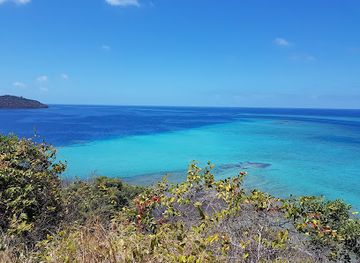
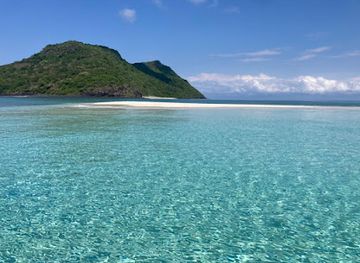
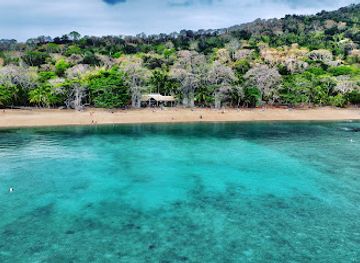
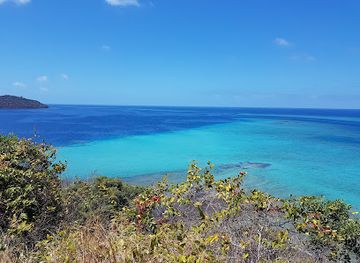
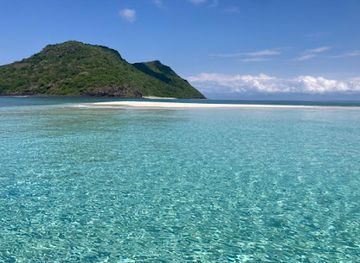
Maore’s attractions combine a mountainous volcanic interior with a broad tropical lagoon and a succession of coastal villages. Mamoudzou is the main starting point for markets, waterfront activity and practical services, while the island’s more distinctive experiences lie farther afield. The historic centre of Tsingoni offers insight into the era when the settlement was an important seat of power, and rural roads lead through cultivated slopes, forest and small communities. Mount Choungui and the higher uplands provide rewarding landscapes for walkers, though trails can be steep and should be approached with local advice. In the south, N’Gouja and the Saziley area are associated with beaches, coral shallows and sea-turtle habitats, while Sakouli and other eastern and southern shores offer access to lagoon scenery. Guided boat trips, kayaking, diving and snorkelling reveal reefs, mangroves and sandbanks, with humpback whales sometimes visible in season. The island’s village mosques, food markets and agricultural areas are also attractions in their own right, provided visitors behave respectfully and recognise that many are lived-in communities rather than staged tourist sites.
-
Tourist attraction
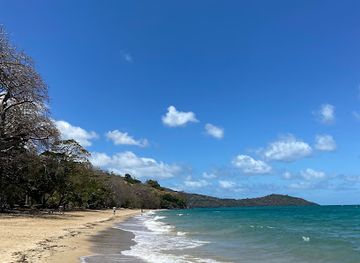
Beach N'Gouja
Discover the serene beauty of Beach N'Gouja in Mayotte, a perfect blend of relaxation, adventure, and vibrant marine life.
-
Boat tour agency
Seablue
Explore the stunning marine life and breathtaking waters of Mayotte with Seablue, the premier boat tour agency for unforgettable ocean adventures.
-
Beach
N’Gouja
Discover the untouched beauty of N’Gouja, Mayotte's serene beach paradise, where adventure meets relaxation amidst stunning natural landscapes.
-
Hiking area
Pointe Mahabou
Discover the breathtaking hiking trails and stunning ocean views at Pointe Mahabou, a natural paradise in Mamoudzou, Mayotte.
Best landmarks in Maore
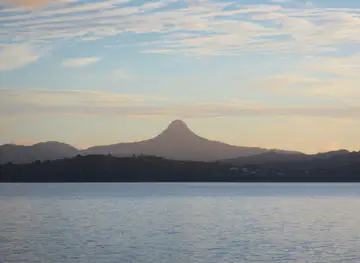
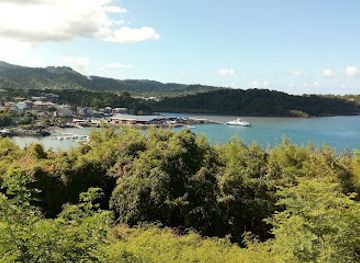
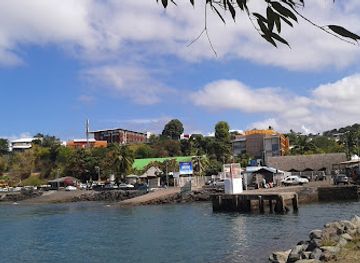
The old mosque and archaeological remains at Tsingoni are among Maore’s most important cultural landmarks, recalling the settlement’s role as a historic capital and centre of Islamic authority. In the south, Mount Choungui is a powerful natural symbol: its steep, isolated profile rises above the surrounding landscape and is visible from several coastal viewpoints. Mount Bénara, the highest mountain in Mayotte, represents the island’s forested volcanic interior, although access to upland areas should be checked locally and undertaken with appropriate preparation. The Saziley peninsula is significant both visually and ecologically, combining rugged coast, dry woodland, beaches and important sea-turtle habitat. Around Mamoudzou, the waterfront and dense urban hills express the contemporary administrative and commercial importance of Grande-Terre. Elsewhere, village mosques, cultivated slopes, mangrove edges and traditional coastal settlements provide a less monumental but equally telling sense of place. Together these landmarks show Maore as a landscape shaped by volcanic geology, Islamic history, maritime exchange and continuing community life.
-
Tourist attraction
Beach N'Gouja
Explore the tranquil beauty of Beach N'Gouja in Mayotte, where azure waters and golden sands create the perfect getaway for relaxation and adventure.
-
Hotel
Le Jardin Maore
Experience the beauty of Mayotte at Le Jardin Maore, where relaxation meets adventure in a tropical paradise.
-
Island
Grande-Terre
Experience the breathtaking beauty of Grande-Terre in Mayotte, where pristine beaches, lush landscapes, and vibrant culture await every traveler.
-
Boat tour agency
Seablue
Discover the hidden treasures of Mayotte's waters with Seablue, your trusted boat tour agency for unforgettable aquatic adventures.
Explore Maore on the map
Plan your trip on one map. See where the top cities, national parks and sights are, and book hotels and experiences in a few clicks.
Best hotels in Maore
Best restaurants in Maore
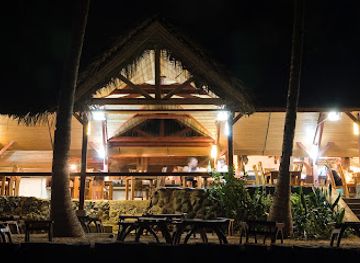
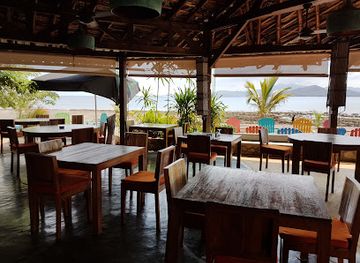
Dining in Maore reflects the island’s position between Africa, Madagascar, the Comoros and France. Rice is a staple, often served with fish, meat, coconut-based sauces or vegetables, while mataba, made with cassava leaves, is a familiar Mahoran preparation. Pilao, grilled brochettes, mabawa chicken wings and seafood appear in home cooking, market stalls and informal restaurants, although recipes and availability vary between households. Tropical produce such as bananas, cassava, plantain, mangoes, jackfruit and coconut is widely used, and aromatic plants including vanilla and ylang-ylang form part of the island’s agricultural identity. Mamoudzou has the broadest choice of cafés, modest restaurants and French-influenced dining, while coastal villages may offer simpler meals close to the water. Markets and small food sellers are useful for sampling local flavours, but visitors should favour busy, well-kept stalls and carry cash. Meals commonly follow a relaxed pace, and French bread, dairy products and other imported goods sit alongside regional ingredients.
-
Restaurant
Le Faré
Discover authentic Mayotte flavors at Le Faré, a delightful restaurant offering fresh seafood and local dishes amidst a welcoming atmosphere.
-
Restaurant
Le Jardin Maore
Experience exquisite dining and thrilling diving adventures at Le Jardin Maore, your perfect getaway on the shores of Mayotte.
-
Restaurant
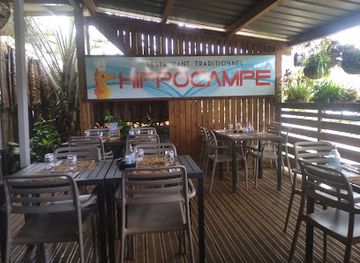
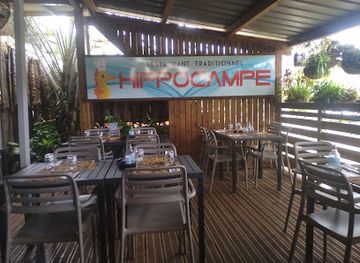
Hippocampe Restaurant
Discover the vibrant flavors of Mayotte at Hippocampe Restaurant - where local cuisine meets warm hospitality.
-
Crêperie
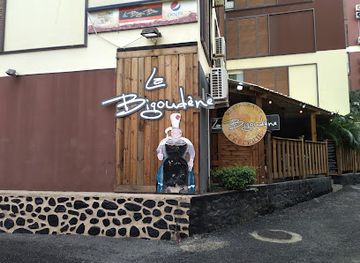
Crêperie La Bigoudene
Savor authentic Breton crêpes at Crêperie La Bigoudene in Mamoudzou – where tradition meets taste in every bite.
Best bars in Maore
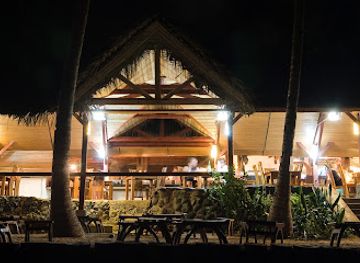
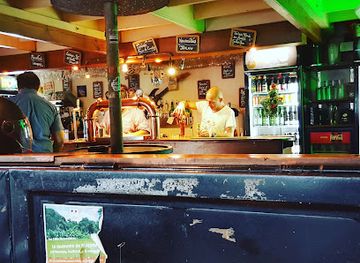
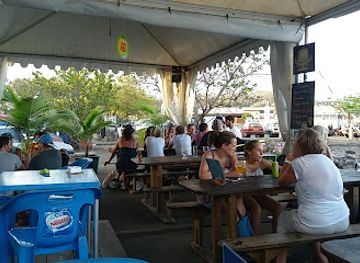
Evening life in Maore is relatively restrained and centres more on family gatherings, restaurants, cafés and local events than on a large nightclub circuit. Mamoudzou has the widest choice of places for an evening drink, with hotel bars, waterfront venues and occasional live entertainment, while other towns generally offer modest bars or restaurants rather than dedicated nightlife districts. Traditional social life is strongly shaped by Mahoran and Islamic customs, so alcohol is not central to every community and visitors should avoid assuming that villages operate like resort areas. Some restaurants serve French and Indian Ocean drinks, and locally encountered music and dance may be more significant than formal clubbing. Nights away from the capital are often quiet, with the appeal lying in lagoon views, conversation and early-morning excursions rather than late opening hours. Check current arrangements locally, as commercial venues and entertainment programmes can change.
-
Restaurant
Le Jardin Maore
Explore the flavors and aquatic beauty of Mayotte at Le Jardin Maore, where culinary delights meet underwater adventures.
-
Bar
Barakili
Discover Barakili in Mamoudzou, Mayotte – a lively bar blending local culture with refreshing drinks and a warm atmosphere.
-
Bar
Le Camion Blanc
Experience the lively atmosphere at Le Camion Blanc, Mamoudzou's go-to bar for refreshing drinks and vibrant social gatherings.
-
Restaurant
Hippocampe Restaurant
Discover the flavors of Mayotte at Hippocampe Restaurant, where local cuisine meets a welcoming ambiance in Mamoudzou.
Best nightclubs in Maore
Evening life in Maore is relatively restrained and centres more on family gatherings, restaurants, cafés and local events than on a large nightclub circuit. Mamoudzou has the widest choice of places for an evening drink, with hotel bars, waterfront venues and occasional live entertainment, while other towns generally offer modest bars or restaurants rather than dedicated nightlife districts. Traditional social life is strongly shaped by Mahoran and Islamic customs, so alcohol is not central to every community and visitors should avoid assuming that villages operate like resort areas. Some restaurants serve French and Indian Ocean drinks, and locally encountered music and dance may be more significant than formal clubbing. Nights away from the capital are often quiet, with the appeal lying in lagoon views, conversation and early-morning excursions rather than late opening hours. Check current arrangements locally, as commercial venues and entertainment programmes can change.
-
Bar
Barakili
Experience the vibrant nightlife of Mamoudzou at Barakili, where exquisite cocktails and local brews await in a lively atmosphere.
-
Restaurant
Le 5/5
Discover the lively atmosphere at Le 5/5 in Mamoudzou—enjoy delicious pizzas, refreshing cocktails, and live music for an unforgettable night.
-
Bar
M'biwi
Experience the vibrant nightlife of Mamoudzou at M'biwi, the heart of Mayotte's bar scene with delicious drinks and lively entertainment.
-
Restaurant
Le Voulé
Discover the vibrant culinary scene at Le Voulé in Mamoudzou, where delightful flavors meet live music for an unforgettable dining experience.


Best shops in Maore
Shopping in Maore is concentrated in Mamoudzou, where markets, small supermarkets, general shops and independent businesses provide the broadest choice. Markets are useful for tropical fruit, vegetables, spices, prepared foods and everyday Mahoran products, while smaller coastal settlements have a more limited selection suited to local needs. Visitors may find woven goods, carved items, colourful fabrics and craft products, although quality and provenance vary, so purchases should be made from sellers who can explain how an item was produced. Local food products and aromatic goods associated with the wider Comoros region, including vanilla or ylang-ylang-based products, can make practical souvenirs when properly labelled. French goods, imported clothing and household items are also widely available because of Mayotte’s administrative links with France. Carry cash for informal stalls and remember that market shopping is a social exchange rather than a rapid retail transaction. Avoid buying shells, coral, archaeological objects or products made from protected wildlife.
-
Tourist attraction
Beach N'Gouja
Experience the serene charm of Beach N'Gouja, a breathtaking beach destination in Mayotte known for its clear waters and stunning sunsets.
-
Internet service provider
Boutique Orange Kaweni - Mamoudzou - Mayotte
Discover seamless connectivity at Boutique Orange Kaweni in Mamoudzou, your go-to for mobile needs and expert repairs in beautiful Mayotte.
-
Sportswear store
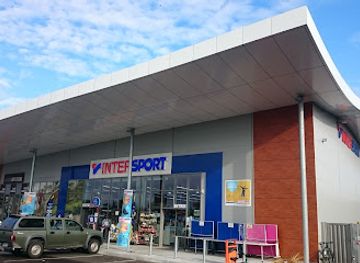
Intersport MAYOTTE
Discover top sportswear and outdoor gear at Intersport Mayotte, your ultimate shopping destination for all athletic needs.
-
Clothing store
Zak Boutik
Explore diverse fashion options at Zak Boutik in Mamoudzou, where local culture meets contemporary style.
Get your free copy of our complete guide to Maore, delivered straight to you.
Everything on this page, from attractions and restaurants to essentials and local phrases, in one PDF you can read offline, print or share.
Already have an account? Sign in
Your Maore guide is ready.
We'll send it to · Not you? Sign out

Getting your guide ready…
We are putting together a fresh copy of the Maore guide. This can take up to a minute.
This can take a few moments. If your browser asks, choose Allow so the download can start. You'll find the guide in your Downloads folder.
Nothing happened? Download it again
Sorry, the guide is taking longer than usual. Please try again in a minute, or get it by email instead.
Maore essentials
Currency and Payment
Safety
Emergency Situations
Do's and Don'ts
Local Tips
From Eve
Local phrases worth knowing
You don't need to get them perfect. A few words go a long way, and locals appreciate the effort.
Basics
| English | Local | Say it |
|---|---|---|
| Hello | Salama | [sah-lah-mah] |
| Goodbye | Mambo | [mahm-boh] |
| Yes | Ee | [ay] |
| No | Aye | [ah-yeh] |
| Please/You're welcome | Tafadhali | [tah-fah-dah-lee] |
| Thank you | Asante | [ah-sahn-teh] |
| Excuse me/Sorry | Pole | [poh-leh] |
| How are you? | Habari gani? | [hah-bah-ree gah-nee] |
| Fine. And you? | Nzuri. Na wewe? | [n-zoo-ree nah weh-weh] |
| Do you speak English? | Unazungumza Kiingereza? | [oo-nah-zoo-ngum-zah kee-in-ge-reh-zah] |
| I don't understand | Sielewi | [see-eh-leh-wee] |
Eating & Drinking
| English | Local | Say it |
|---|---|---|
| I'd like to see the menu, please | Ningependa kuona menyu, tafadhali | [neen-geh-pen-dah koo-nah men-yoo tah-fah-dah-lee] |
| I don't eat meat | Sikula nyama | [see-koo-lah nyah-mah] |
| Cheers! | Afya! | [ah-fyah] |
| I would like to pay, please | Ningependa kulipa, tafadhali | [neen-geh-pen-dah koo-lee-pah tah-fah-dah-lee] |
Emergencies
| English | Local | Say it |
|---|---|---|
| Help! | Saidia! | [sah-ee-dee-ah] |
| Go away! | Nenda mbali! | [nen-dah mah-lee] |
| Call the Police! | Piga simu Polisi! | [pee-gah see-moo poh-lee-see] |
| Call a doctor! | Piga simu daktari! | [pee-gah see-moo dahk-tah-ree] |
| I'm lost | Nimepotea | [nee-meh-poh-teh-ah] |
| I'm ill | Ninaumwa | [nee-nah-oom-wah] |
Shopping
| English | Local | Say it |
|---|---|---|
| I'd like to buy... | Ningependa kununua... | [neen-geh-pen-dah koo-noo-noo-ah] |
| I'm just looking | Natazama tu | [nah-tah-zah-mah too] |
| How much is it? | Ni kiasi gani? | [nee kee-ah-see gah-nee] |
| That's too expensive | Hiyo ni ghali sana | [hee-yoh nee gah-lee sah-nah] |
| Can you lower the price? | Unaweza kupunguza bei? | [oo-nah-weh-zah koo-pun-guh-zah beh-ee] |
Time & Numbers
| English | Local | Say it |
|---|---|---|
| What time is it? | Ni saa ngapi? | [nee sah nah-gee] |
| It's one o'clock | Ni saa moja | [nee sah moh-jah] |
| Half past (10) | Nusu ya (10) | [noo-soo yah (10)] |
| Morning | Asubuhi | [ah-soo-boo-hee] |
| Afternoon | Mchana | [m-chah-nah] |
| Evening | Jioni | [jee-oh-nee] |
| Yesterday | Jana | [jah-nah] |
| Today | Leo | [leh-oh] |
| Tomorrow | Kesho | [keh-shoh] |
| 1 | Moja | [moh-jah] |
| 2 | Mbili | [m-bee-lee] |
| 3 | Tatu | [tah-too] |
| 4 | Nne | [n-neh] |
| 5 | Tano | [tah-noh] |
| 6 | Sita | [see-tah] |
| 7 | Saba | [sah-bah] |
| 8 | Nane | [nah-neh] |
| 9 | Tisa | [tee-sah] |
| 10 | Kumi | [koo-mee] |
Transport & Directions
| English | Local | Say it |
|---|---|---|
| Where's a/the...? | Iko wapi...? | [ee-koh wah-pee] |
| What's the address? | Nini anwani? | [nee-nee ahn-wah-nee] |
| Can you show me (on the map)? | Unaweza kunionyesha (katika ramani)? | [oo-nah-weh-zah koo-nee-oh-nyesh-ah kah-tee-kah rah-mah-nee] |
| When's the next (bus)? | Basi inayofuata ni lini? | [bah-see ee-nah-yoo-foo-ah-tah nee lee-nee] |
| A ticket (to ....) | Tiketi (ya ...) | [tee-keh-tee yah] |
History of Maore
Early Austronesian and African Settlement
The Comoros archipelago, including Maore, was settled through successive movements of peoples across the western Indian Ocean. Austronesian navigators contributed to the region’s seafaring connections, while later arrivals from the African mainland and Madagascar influenced language, agriculture and material culture. Archaeological evidence indicates long-standing settlement and exchange rather than isolation. These early networks help explain why Shimaore contains links with Comorian languages and why Mahoran culture combines African, Malagasy, Arab and wider Indian Ocean elements.
Islamic and Swahili-Indian Ocean Connections
From the medieval period, Maore formed part of maritime networks linking the Comoros with the Swahili coast, Madagascar, Arabia and trading ports around the Indian Ocean. Islam became an important force in political and social life, with settlements developing around mosques, coastal trade and local ruling families. The island’s historic architecture and religious traditions reflect these connections, although the precise development of individual communities varied across the coast and interior.
Tsingoni and the Sultanates
Tsingoni, on the western side of Grande-Terre, became an important seat of power and is widely regarded as the historic capital of Maore before French rule. Its old mosque and associated ruins recall the period when local sultans governed an island connected to wider Comorian politics. The site is significant not only for its religious architecture but also for the way it illustrates the relationship between coastal authority, Islamic scholarship and Indian Ocean commerce.
French Acquisition in 1841
In 1841, Sultan Andriantsouli ceded Maore to France, a decision made amid political rivalries and pressures affecting the Comoros. French authority was subsequently established through colonial administration, changing landholding, governance and the island’s relationship with neighbouring islands. The acquisition of Maore was part of broader nineteenth-century European expansion in the western Indian Ocean, and its consequences remain central to understanding Mayotte’s separate political trajectory.
Plantations and Colonial Transformation
Under French rule, the island’s economy was reshaped by plantation agriculture and export-oriented production. Sugar, perfume plants and other tropical crops were cultivated at different times, while colonial landholding and labour systems altered older rural patterns. Ylang-ylang, vanilla and related aromatic products became associated with the Comoros region, although production levels and commercial importance changed over time. Remnants of plantation landscapes and rural cultivation remain part of Maore’s cultural and economic history.
The 1974 Referendum and Mayotte’s French Choice
When the future status of the Comoros was put to a referendum in 1974, Mayotte voted to remain linked to France, unlike the other principal islands, which became independent in 1975. The result created a lasting political division within the archipelago and remains a sensitive subject in regional diplomacy. For visitors, its legacy is visible in Maore’s French institutions, euro currency and administrative systems alongside Comorian languages and closely related family and cultural connections.
Departmentalisation and Contemporary Mayotte
Mayotte became an overseas département and region of France in 2011, bringing a clearer constitutional alignment with the French state while also highlighting persistent economic and infrastructure challenges. Grande-Terre has experienced rapid population growth, urban expansion around Mamoudzou and continuing pressure on housing, roads, public services and the environment. Contemporary Maore therefore combines French public administration with a strongly Mahoran society shaped by Indian Ocean history, religious practice and local community life.
Maore in Photos
Browse through our photo collection highlighting the charm and character of the destination.
Neighbouring regions of Maore
The closest regions to Maore, if you have time for more than one.
-

-

-
-

-


Swipe for more regions

