

Free Gulf Coast Travel Guide & Mobile App
Explore Gulf Coast with free travel guides. Discover regional history, expert tips, proposed trips, and audio guides on web or mobile app.


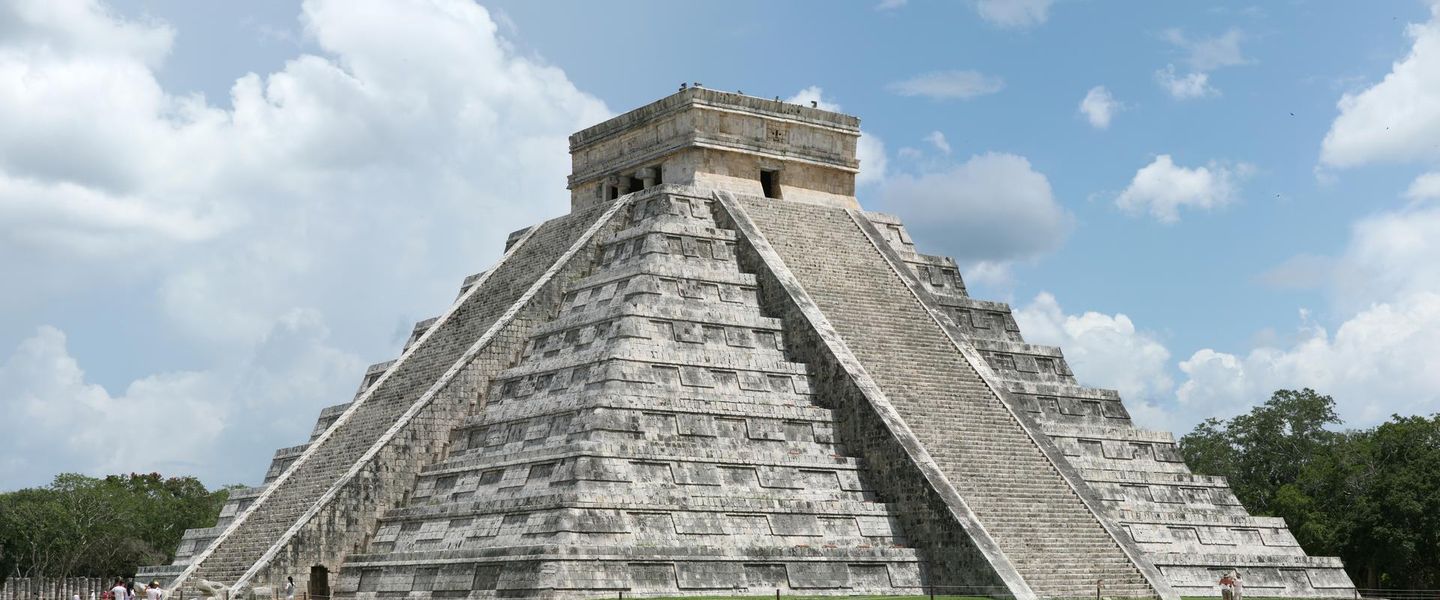


Explore Mexico’s Gulf Coast for colonial ports, Maya and Olmec heritage, wetlands, seafood, music and broad tropical beaches.
Read more about Gulf Coast
When is the best time to visit Gulf Coast?
Best: March–April, November · 23–27°C| Month | High (°C) | Rainfall (mm) |
|---|---|---|
| January | 21 | 100 |
| February | 22 | 91 |
| March (best) | 24 | 81 |
| April (best) | 27 | 71 |
| May | 30 | 61 |
| June | 32 | 51 |
| July | 33 | 41 |
| August | 33 | 51 |
| September | 31 | 60 |
| October | 28 | 70 |
| November (best) | 23 | 80 |
| December | 21 | 91 |
Getting to and around Gulf Coast
How to get there
Transportation
Best attractions in Gulf Coast
The Gulf Coast’s attractions range from colonial port cities and archaeological sites to wetlands, forests and long beaches. Veracruz combines the historic port, the San Juan de Ulúa fortress and museums with the coastal promenade and nearby reef environments, while the river town of Tlacotalpan offers colourful architecture and a distinctive musical tradition. South of Veracruz, Los Tuxtlas brings together volcanic landscapes, rainforest remnants, lakes and opportunities for guided nature excursions. In Tabasco, Villahermosa’s Parque-Museo La Venta presents monumental Olmec sculpture in an outdoor setting, while the state’s rivers and wetlands are best explored with experienced local operators. Campeche’s fortified capital, Edzná and the coastal reserve of Los Petenes provide a strong combination of history and nature. On the northern Yucatán coast, Celestún and Ría Lagartos are known for mangroves and birdlife, while Progreso offers access to the Gulf-facing beaches and small coastal communities. Conditions and facilities vary widely, so protected areas and archaeological zones should be visited according to their current conservation and access arrangements.
-
Amusement park
Xel-Há Park
Experience the ultimate aquatic adventure in Xel-Há Park, where nature and fun come together in a stunning Caribbean setting.
-
Cathedral
Mexico City Metropolitan Cathedral
Discover the architectural marvel and rich history of Mexico City Metropolitan Cathedral, a stunning blend of art and culture in the heart of the city.
-
Nature preserve
Davis Bayou Area Gulf Islands National Seashore
Discover the natural wonders of Davis Bayou Area at Gulf Islands National Seashore, a serene escape rich in wildlife and scenic beauty.
-
Tourist attraction
Gulf Coast Gator Ranch & Tours
Explore the wild side of Mississippi at Gulf Coast Gator Ranch & Tours, where thrilling airboat rides meet fascinating wildlife encounters.


Best landmarks in Gulf Coast
San Juan de Ulúa, set in the harbour of Veracruz, is the Gulf Coast’s most powerful surviving symbol of colonial defence, maritime trade and later military conflict. In Campeche, the historic fortifications, bastions and gates form an unusually complete defensive urban landscape built to protect the port from attack. The cathedral and colourful streets of Campeche’s historic centre add a civic and religious dimension to that maritime history. Inland, Edzná’s monumental Great Acropolis, temple platforms and hydraulic works demonstrate the engineering and political reach of a major Maya city. The colossal Olmec heads and other stone monuments associated with La Venta provide a different kind of landmark, linking the Tabasco lowlands with one of ancient Mesoamerica’s formative cultures. Tlacotalpan’s orderly streets, arcaded houses and bright façades express the architectural character of the Papaloapan basin, while the broad wetlands of Celestún, Los Petenes and Ría Lagartos serve as natural landmarks whose mangrove channels, lagoons and seasonal birdlife define the northern Gulf shore.
-
Plaza
Plaza de la Constitución
Explore the historic Plaza de la Constitución, the vibrant heart of Mexico City, rich in culture, history, and stunning architecture.
-
Archaeological site
Chichén Itzá
Discover the ancient wonders of Chichén Itzá, a UNESCO World Heritage Site showcasing the brilliance of Maya civilization in the heart of Mexico's Yucatán Peninsula.
-
Historical place museum
Chapultepec Castle
Discover the rich history and breathtaking views at Chapultepec Castle, a must-see landmark in Mexico City that enchants every visitor.
-
Monument
Monument to the Revolution
Discover the Monument to the Revolution, an iconic symbol of Mexico's fight for freedom, offering stunning architecture and breathtaking city views.


Explore Gulf Coast on the map
Plan your trip on one map. See where the top cities, national parks and sights are, and book hotels and experiences in a few clicks.
Best hotels in Gulf Coast
Best restaurants in Gulf Coast
Gulf Coast cuisine reflects the meeting of Indigenous, Spanish, African, Caribbean and contemporary Mexican influences. Veracruz is particularly associated with seafood, fish prepared in tomato-based sauces, rice dishes, plantains, coffee from the inland highlands and the broader jarocho culinary tradition. Tabasco’s cooking makes use of freshwater fish, cacao, maize, plantains, herbs and chilli, with local markets offering a useful introduction to everyday flavours. Campeche and the northern Yucatán coast bring together Gulf seafood with achiote, citrus, habanero and slow-cooked preparations characteristic of the peninsula. Look for established seafood restaurants in port cities, market stalls with busy local trade, traditional cafés and rural eateries serving regional specialities. In smaller coastal settlements, menus may depend on the day’s catch, while larger cities offer contemporary Mexican cooking and international options. Cacao products, coffee, vanilla and regional spirits make practical food souvenirs, but perishable seafood should not be carried without suitable refrigeration.
-
Mexican
La Gruta
Experience authentic Mexican flavors in an enchanting cave-like setting at La Gruta – a must-visit culinary gem in San Francisco Mazapa.
-
Seafood
Playa de Tuxpan
Experience the enchanting Playa de Tuxpan: A public beach paradise with fresh seafood and vibrant local culture in Veracruz.
-
Mexican
Balcón del Zócalo
Experience fine Mexican dining at Balcón del Zócalo with breathtaking views over Mexico City's historic center.
-
Seafood
Restaurant Puerto Nuevo #1
Experience the best of Baja California's seafood at Restaurant Puerto Nuevo #1—famous for its authentic lobster dishes and stunning ocean views.



Best bars in Gulf Coast
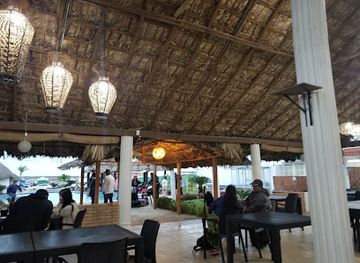
Evening life varies from port-city music and late-opening restaurants to quiet coastal nights. Veracruz has the region’s most recognisable nightlife tradition, centred on plazas, waterfront areas, live music and venues associated with son jarocho and other local styles; its evenings can be social without depending entirely on nightclubs. Villahermosa has a broader selection of bars, restaurants and modern venues, while Campeche is better suited to relaxed evenings around the historic centre, where cafés, restaurants and hotel bars occupy restored colonial buildings. In smaller Gulf towns, nightlife generally centres on family-run restaurants, local bars, ice-cream shops and seasonal events rather than a large club scene. Beach resorts and university areas may have later venues, but arrangements change frequently, so check locally and use licensed transport after drinking. Regional coffee, beer, fruit drinks and non-alcoholic refreshments are widely available alongside spirits and cocktails.
-
Restaurant
Mamita's Beach Club
Discover the ultimate beach experience at Mamita's Beach Club – where relaxation, great food, and lively entertainment meet in Playa del Carmen.
-
Tourist attraction
Mr Sanchos Beach Club
Discover the ultimate beach experience at Mr Sanchos Beach Club in Cozumel, where relaxation meets fun and flavor in a tropical setting.
-
Bar
Pulqueria los Insurgentes
Discover the essence of Mexico City at Pulqueria los Insurgentes, a cultural bar offering authentic pulque in a vibrant ambiance.
-
Beach club
Paradise Beach Cozumel
Experience the ultimate beach getaway at Paradise Beach Cozumel with sun, sand, and delectable dining in a tropical paradise.


Best nightclubs in Gulf Coast
Evening life varies from port-city music and late-opening restaurants to quiet coastal nights. Veracruz has the region’s most recognisable nightlife tradition, centred on plazas, waterfront areas, live music and venues associated with son jarocho and other local styles; its evenings can be social without depending entirely on nightclubs. Villahermosa has a broader selection of bars, restaurants and modern venues, while Campeche is better suited to relaxed evenings around the historic centre, where cafés, restaurants and hotel bars occupy restored colonial buildings. In smaller Gulf towns, nightlife generally centres on family-run restaurants, local bars, ice-cream shops and seasonal events rather than a large club scene. Beach resorts and university areas may have later venues, but arrangements change frequently, so check locally and use licensed transport after drinking. Regional coffee, beer, fruit drinks and non-alcoholic refreshments are widely available alongside spirits and cocktails.
-
Night club
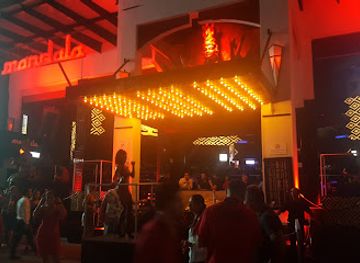
Mandala Puerto Vallarta
Experience the electrifying nightlife of Mandala Puerto Vallarta, where dance, music, and vibrant energy collide in an unforgettable journey.
-
Bar
Mandala Nightclub
Experience the vibrant nightlife at Mandala Nightclub in Cancun, where electrifying beats and an energetic crowd create unforgettable memories.
-
Bar
Mandala Playa del Carmen
Dive into the energetic nightlife at Mandala Playa del Carmen, where vibrant music and stylish ambiance create unforgettable memories.
-
Bar
Tiny Gecko Bar
Experience the vibrant atmosphere and affordable drinks at Tiny Gecko Bar, the perfect spot for relaxation and socializing in Isla Mujeres.


Best shops in Gulf Coast
Shopping on the Gulf Coast is strongest in historic centres, market districts and food-producing communities rather than in a continuous chain of resort malls. Veracruz markets and specialist food shops are useful for coffee, vanilla, regional sweets, woven goods and local sauces, while Campeche offers handicrafts, embroidered textiles, palm items and packaged foods in and around the historic centre. Villahermosa is a practical place to look for Tabascan cacao and chocolate, woven crafts and regional produce, with larger retail areas providing ordinary Mexican brands and services. Along the northern Yucatán coast, small fishing towns sell seafood-related goods, hammocks, embroidered clothing and souvenirs, though quality and provenance vary. Farmers’ and public markets are usually the best places to see everyday regional commerce, but bargain politely and inspect textiles or craftwork before buying. For archaeological or wildlife areas, choose authorised shops and avoid purchasing antiquities, shells, coral, protected plants or products made from threatened species.
-
Flower market
Floreria Mercado Jamaica
Explore the vibrant Floreria Mercado Jamaica, a floral paradise in Mexico City, brimming with colorful blooms and local craftsmanship.
-
Fresh food market
Coyoacan Market
Explore Coyoacan Market: A vibrant fresh food market offering authentic Mexican cuisine and local crafts in the heart of Mexico City.
-
Shopping mall
Altacia Mall
Explore Altacia Mall in León: Your ultimate shopping destination with diverse stores, delightful dining, and exciting entertainment options.
-
Handicraft fair
Mercado de Artesanías La Ciudadela
Immerse yourself in the artistic spirit of Mexico at the vibrant Mercado de Artesanías La Ciudadela, a must-visit handicraft fair in Mexico City.


Get your free copy of our complete guide to Gulf Coast, delivered straight to you.
Everything on this page, from attractions and restaurants to essentials and local phrases, in one PDF you can read offline, print or share.
Already have an account? Sign in
Your Gulf Coast guide is ready.
We'll send it to · Not you? Sign out

Getting your guide ready…
We are putting together a fresh copy of the Gulf Coast guide. This can take up to a minute.
This can take a few moments. If your browser asks, choose Allow so the download can start. You'll find the guide in your Downloads folder.
Nothing happened? Download it again
Sorry, the guide is taking longer than usual. Please try again in a minute, or get it by email instead.
Gulf Coast essentials
Currency and Payment
Safety
Emergency Situations
Do's and Don'ts
Local Tips
From Eve
Local phrases worth knowing
You don't need to get them perfect. A few words go a long way, and locals appreciate the effort.
Basics
| English | Local | Say it |
|---|---|---|
| Hello | Hola | [OH-lah] |
| Goodbye | Adiós | [ah-DYOS] |
| Yes | Sí | [SEE] |
| No | No | [NO] |
| Please/You're welcome | Por favor/De nada | [por fah-BOR/deh NAH-dah] |
| Thank you | Gracias | [GRAH-see-as] |
| Excuse me/Sorry | Perdón | [per-DON] |
| How are you? | ¿Cómo estás? | [KOH-mo es-TAS] |
| Fine. And you? | Bien. ¿Y tú? | [BYEN. ee TOO] |
| Do you speak English? | ¿Hablas inglés? | [AH-blas een-GLES] |
| I don't understand | No entiendo | [NO en-TIEN-do] |
Eating & Drinking
| English | Local | Say it |
|---|---|---|
| I'd like to see the menu, please | Me gustaría ver el menú, por favor | [meh goos-tah-REE-ah BEHR el meh-NOO, por fah-BOR] |
| I don't eat meat | No como carne | [NO KOH-mo KAR-neh] |
| Cheers! | ¡Salud! | [sah-LOOD] |
| I would like to pay, please | Me gustaría pagar, por favor | [meh goos-tah-REE-ah pah-GAR, por fah-BOR] |
Emergencies
| English | Local | Say it |
|---|---|---|
| Help! | ¡Ayuda! | [ah-YOO-dah] |
| Go away! | ¡Vete! | [BEH-teh] |
| Call the Police! | ¡Llama a la policía! | [YAH-ma ah lah poh-lee-SIA] |
| Call a doctor! | ¡Llama a un doctor! | [YAH-ma ah oon dok-TOR] |
| I'm lost | Estoy perdido | [es-TOY per-DEE-do] |
| I'm ill | Estoy enfermo/a | [es-TOY en-FER-mo/a] |
Shopping
| English | Local | Say it |
|---|---|---|
| I'd like to buy... | Me gustaría comprar... | [meh goos-tah-REE-ah kom-PRAR] |
| I'm just looking | Solo estoy mirando | [SO-lo es-TOY mee-RAN-do] |
| How much is it? | ¿Cuánto cuesta? | [KWAN-to KWE-sta] |
| That's too expensive | Eso es muy caro | [E-so es MOO-ee KAR-o] |
| Can you lower the price? | ¿Puedes bajar el precio? | [PWE-des ba-HAR el PREH-syo] |
Time & Numbers
| English | Local | Say it |
|---|---|---|
| What time is it? | ¿Qué hora es? | [KEH OR-ah es] |
| It's one o'clock | Es la una | [es lah OO-nah] |
| Half past (10) | Las diez y media | [las DYES ee MEH-diah] |
| Morning | Mañana | [mah-NYAH-nah] |
| Afternoon | Tarde | [TAR-deh] |
| Evening | Noche | [NO-cheh] |
| Yesterday | Ayer | [ah-YER] |
| Today | Hoy | [OY] |
| Tomorrow | Mañana | [mah-NYAH-nah] |
| 1 | Uno | [OO-no] |
| 2 | Dos | [DOS] |
| 3 | Tres | [TRES] |
| 4 | Cuatro | [KWAT-ro] |
| 5 | Cinco | [SING-ko] |
| 6 | Seis | [SACE] |
| 7 | Siete | [SYE-teh] |
| 8 | Ocho | [OH-cho] |
| 9 | Nueve | [NWEH-beh] |
| 10 | Diez | [DYES] |
Transport & Directions
| English | Local | Say it |
|---|---|---|
| Where's a/the...? | ¿Dónde está un/una...? | [DON-deh es-TA oon/OO-na] |
| What's the address? | ¿Cuál es la dirección? | [KWAL es lah dee-rek-SYON] |
| Can you show me (on the map)? | ¿Puedes mostrarme (en el mapa)? | [PWE-des mos-TRAR-meh (en el MAH-pah)] |
| When's the next (bus)? | ¿Cuándo es el próximo (autobús)? | [KWAN-do es el PROK-see-mo (ow-to-BOOS)] |
| A ticket (to ....) | Un boleto (a ....) | [OON bo-LEH-to (ah ....)] |
History of Gulf Coast
Olmec civilisation on the Gulf lowlands
The Gulf lowlands of southern Veracruz and western Tabasco were a major centre of Olmec civilisation from the second millennium BCE into the first millennium BCE. Sites including San Lorenzo and Tres Zapotes demonstrate complex settlement, ceremonial architecture and long-distance exchange, while colossal stone heads and other monuments remain among the most recognisable achievements of ancient Mesoamerica. The humid landscape has altered or concealed much of the surviving archaeology, but museums and archaeological parks preserve evidence of societies that profoundly influenced later Mesoamerican traditions.
Maya cities and Gulf trade routes
Maya communities occupied the Yucatán Peninsula and the Gulf-facing lowlands for many centuries, developing cities, agricultural systems, religious centres and commercial networks linked by land and water routes. In present-day Campeche, Edzná is notable for its monumental architecture and sophisticated water-management works. Coastal and inland trade connected the peninsula with other parts of Mesoamerica, carrying commodities such as salt, cacao, textiles and marine products. Maya languages, foodways and community traditions remain important parts of the modern region.
Spanish conquest and the foundation of Veracruz
The Gulf coast became the principal maritime approach for the Spanish conquest of Mexico. Hernán Cortés founded Villa Rica de la Vera Cruz in 1519, establishing a political and logistical foothold before the advance inland. The settlement moved more than once, and the modern city of Veracruz developed as the principal Atlantic port of New Spain. Its position made it central to the movement of people, silver, manufactured goods, ideas and disease between Mexico, Europe, the Caribbean and other parts of the Spanish empire.
Colonial ports, fortifications and maritime commerce
For centuries, Gulf ports faced threats from storms, privateers and rival imperial powers. Veracruz was defended by fortifications including San Juan de Ulúa, while Campeche developed walls, bastions and gates to protect an important port involved in the trade of dyewood and other goods. These defensive landscapes reflect both the wealth generated by maritime commerce and the insecurity of colonial shipping. Historic centres in Veracruz and Campeche still show the contrasting urban responses to port life: open commercial spaces in Veracruz and a more visibly fortified colonial plan in Campeche.
Independence, intervention and the port of Veracruz
The Gulf coast played a significant role during Mexico’s formation as an independent republic. Veracruz was involved in the final Spanish withdrawal, later conflicts connected with French intervention, and the United States occupation of 1914. San Juan de Ulúa, the port and nearby coastal approaches were repeatedly drawn into national and international disputes because control of the harbour meant control of a major route into Mexico. These episodes helped give Veracruz a prominent place in the country’s military and political history.
Railways, coffee and the growth of export economies
During the nineteenth and early twentieth centuries, improved rail and port connections strengthened links between the Gulf harbours and Mexico’s interior. Veracruz became an outlet for agricultural products and manufactured goods, while coffee from the mountainous areas inland entered international trade through the port. Around the coast and river basins, sugar, tobacco, vanilla, cattle, fishing and other activities shaped regional economies. The resulting connections encouraged migration and cultural exchange, adding new influences to already diverse Indigenous, African, European and Caribbean communities.
Oil development in Veracruz and Tabasco
Petroleum transformed parts of the Gulf region during the twentieth century. Oil production and refining expanded around Veracruz and, especially, Tabasco, where the discovery and exploitation of major fields altered settlement patterns, public finances, transport infrastructure and employment. The industry brought investment and opportunity but also generated environmental pressures in wetlands, rivers and coastal zones. Contemporary Gulf Coast landscapes therefore combine industrial installations and oil-service towns with fisheries, agriculture, protected wetlands and communities whose livelihoods depend on natural resources.
Modern heritage and environmental conservation
In recent decades, historic districts, archaeological sites and natural habitats have become increasingly important to the region’s public identity and visitor economy. Campeche’s fortified historic centre and the historic town of Tlacotalpan are internationally recognised heritage sites, while reserves such as Los Tuxtlas, Los Petenes, Celestún and Ría Lagartos protect forests, mangroves, wetlands and wildlife. Conservation remains complex because tourism, fishing, ports, agriculture, urban growth and the petroleum economy all compete for space along a coast exposed to storms and changing environmental conditions.
Gulf Coast in Photos
Browse through our photo collection highlighting the charm and character of the destination.
Neighbouring regions of Gulf Coast
The closest regions to Gulf Coast, if you have time for more than one.
-

-

-

-

-


Swipe for more regions
Explore more

Explore more of Mexico
Discover Mexico: A land of ancient ruins, vibrant culture, and stunning natural landscapes. Experience diverse cuisine, rich traditions, and warm hospitality.
Explore Mexico