

Free Yucatan Peninsula Travel Guide & Mobile App
Explore Yucatan Peninsula with free travel guides. Discover regional history, expert tips, proposed trips, and audio guides on web or mobile app.


Explore Mexico’s Yucatán Peninsula for Maya cities, cenotes, colonial towns, tropical forests, Gulf wetlands and Caribbean beaches.
Read more about Yucatan Peninsula
When is the best time to visit Yucatan Peninsula?
Best: December–February · 28–29°C| Month | High (°C) | Rainfall (mm) |
|---|---|---|
| January (best) | 28 | 30 |
| February (best) | 29 | 34 |
| March | 32 | 32 |
| April | 33 | 32 |
| May | 34 | 101 |
| June | 34 | 155 |
| July | 34 | 114 |
| August | 34 | 109 |
| September | 34 | 189 |
| October | 33 | 120 |
| November | 31 | 60 |
| December (best) | 29 | 38 |
Getting to and around Yucatan Peninsula
How to get there
Transportation
Top city travel guides in Yucatan Peninsula
The cities of Yucatan Peninsula, and the easiest places to base yourself.
-

-

-

-

-


Swipe for more cities
Destinations in Yucatan Peninsula
Resorts, valleys and scenic spots worth a trip of their own.
-

-


Swipe for more destinations
Best attractions in Yucatan Peninsula
The Yucatán Peninsula’s attractions range from major Maya archaeological cities to living colonial centres, wetlands and marine environments. Chichén Itzá and Uxmal in Yucatán, Calakmul in Campeche and Tulum and Cobá in Quintana Roo reveal contrasting forms of Maya architecture and different relationships with forest, trade routes and the coast. Smaller sites such as Dzibilchaltún, Ek’ Balam and Mayapán provide a more varied archaeological picture beyond the best-known monuments. Mérida, Valladolid and Campeche add museums, churches, markets, historic squares and restored civic architecture, while former haciendas around Yucatán illustrate the region’s henequen economy. Natural attractions include cenotes, the mangroves and flamingo habitats of Celestún, Río Lagartos and Las Coloradas, the forests of Calakmul and the marine ecosystems of Sian Ka’an. Along the Caribbean coast, visitors can snorkel, dive, kayak or take boat excursions, with Isla Mujeres, Cozumel and the Costa Maya offering different coastal settings. Conservation rules and local access arrangements vary, especially in protected areas and fragile cave systems.
-
 Park
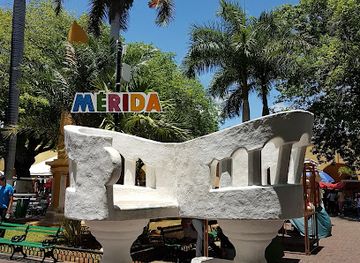
ParkPlaza Grande
Experience the vibrant heart of Mérida at Plaza Grande, where history, culture, and culinary delights converge in a picturesque setting.
-
Historical landmark
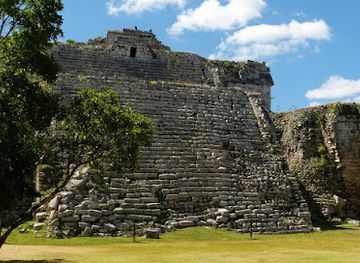
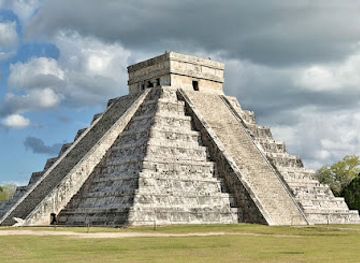
El Castillo
Explore the breathtaking El Castillo in Chichen Itza, a UNESCO World Heritage site, rich in Mayan history and architectural wonder.
-
Park
Parque de Santa Lucía
Explore the vibrant Parque de Santa Lucía, a serene park in Mérida offering cultural events, beautiful landscaping, and local cuisine.
-
Monument
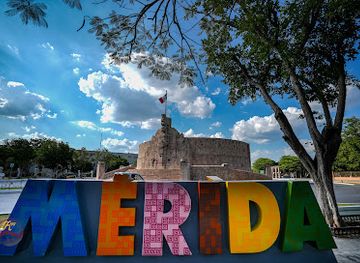
Monumento a La Patria
Explore the Monumento a La Patria, a stunning homage to Mexico's rich history and culture, nestled in the heart of Merida, Yucatan.
Best landmarks in Yucatan Peninsula
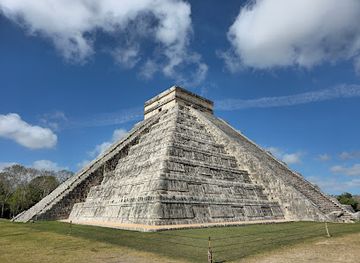
The peninsula’s most recognisable landmarks express both Maya achievement and the later colonial transformation of the region. El Castillo at Chichén Itzá is the best-known architectural symbol, while the Governor’s Palace and richly decorated façades at Uxmal demonstrate the sophistication of Puuc design. Calakmul’s large pyramids rise from the forest in one of Mexico’s most extensive Maya archaeological landscapes, and Tulum’s walled coastal setting gives its temples a distinctive relationship with the Caribbean. In historic cities, Campeche’s bastions and walls recall the defensive needs of a colonial Gulf port, while Mérida’s cathedral and central civic buildings mark the Spanish foundation of the regional capital. Valladolid’s San Servacio Church anchors a historic square shaped by colonial urban planning. Natural landmarks are equally important: the limestone cenotes, the mangrove wetlands of the north-west coast, the forest canopy around Calakmul and the reef-fringed Caribbean shoreline all reveal the geology and ecology that have influenced settlement across the peninsula.
-
Archaeological site
Chichén Itzá
Discover the awe-inspiring ruins of Chichén Itzá, a UNESCO World Heritage Site and a testament to the brilliance of the ancient Maya civilization.
-
Amusement park
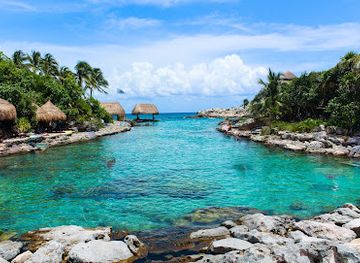
Xcaret Park
Discover the wonders of Xcaret Park, an eco-archeological paradise in Playa del Carmen, where adventure, culture, and nature unite for an unforgettable experience.
-
Historical landmark
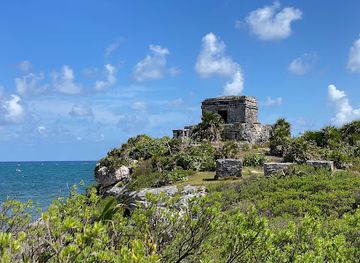
Tulum
Discover Tulum: A breathtaking blend of ancient Mayan ruins and stunning Caribbean views on Mexico's Yucatán Peninsula.
-
Historical landmark
El Castillo
Discover the ancient mysteries of El Castillo at Chichen Itza, a UNESCO World Heritage Site that showcases the architectural genius of the Maya civilization.
Explore Yucatan Peninsula on the map
Plan your trip on one map. See where the top cities, national parks and sights are, and book hotels and experiences in a few clicks.
Best hotels in Yucatan Peninsula
Best restaurants in Yucatan Peninsula
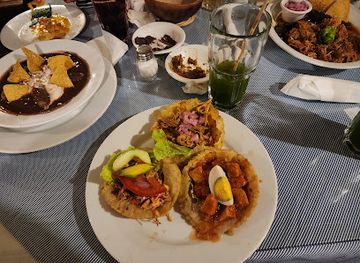
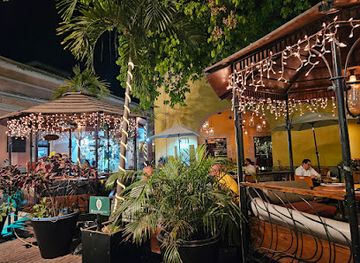
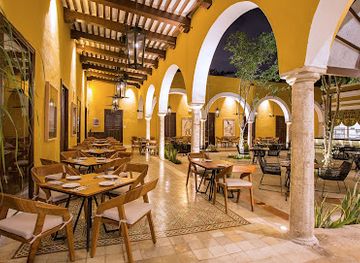
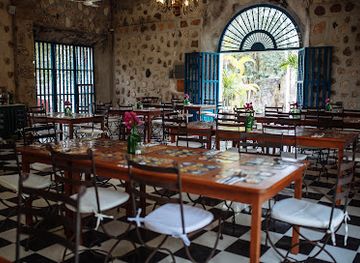
Food in the Mexican Yucatán Peninsula is shaped by Maya ingredients and techniques, Spanish colonial influences, Caribbean connections and modern migration. Yucatecan specialities include cochinita pibil, sopa de lima, papadzules, relleno negro, poc chuc and panuchos, while seafood becomes increasingly prominent along both the Gulf and Caribbean coasts. Mérida is the principal centre for restaurants ranging from traditional family-run establishments and market stalls to contemporary kitchens interpreting regional recipes. Valladolid and smaller Yucatecan towns are useful places to try local breakfasts, slow-cooked meats and maize-based dishes, while Campeche has a strong seafood tradition and its own Gulf-coast culinary character. Resort areas in Quintana Roo offer broad international choice alongside Mexican cooking, though prices and menus often reflect tourism. Look for fresh juices, marquesitas and regional sweets at markets and street stands, and ask about ingredients if unfamiliar with chilli or sour orange. In rural areas, meal times and choice can be more limited, so carrying water and a small snack is sensible on long excursions.
-
Mexican
La Chaya Maya
Experience authentic Yucatecan cuisine at La Chaya Maya - where tradition meets flavor in the heart of Mérida.
-
Yucatan restaurant
La Chaya Maya Casona
Discover La Chaya Maya Casona: A Culinary Gem in Yucatan Offering Authentic Flavors and Warm Hospitality.
-
Mexican
Museum of Yucateca Gastronomy
Discover the rich culinary heritage of Yucatán at the Museum of Yucateca Gastronomy - a flavorful journey through history.
-
Buffet
Selva Maya
Experience the vibrant flavors of Yucatan at Selva Maya—a buffet haven nestled in lush surroundings perfect for every occasion.
Best bars in Yucatan Peninsula
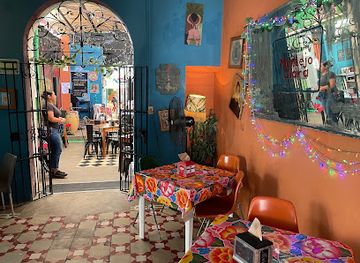
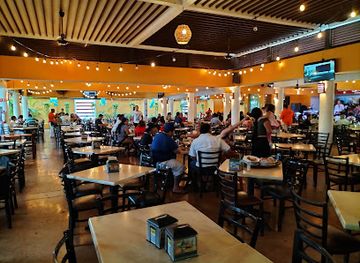
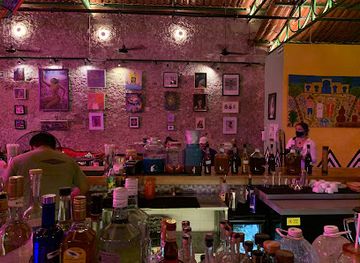
Evening life varies sharply across the peninsula. Cancún, Playa del Carmen and the larger Riviera Maya resorts have the most extensive late-night scene, including clubs, beach venues, cocktail bars, live music and restaurants serving international visitors. Cozumel and Isla Mujeres offer a more compact combination of waterfront bars, music venues and casual evening dining, while Mérida is known for atmospheric cantinas, mezcalerías, cocktail bars, cultural performances and restaurants around the historic centre. Campeche and Valladolid generally favour quieter evenings in plazas, cafés, traditional cantinas and hotel or restaurant bars rather than a large club circuit. In smaller coastal and inland communities, nightlife often centres on family restaurants, local gatherings and occasional music events. Resort venues can change frequently, so check current arrangements locally and use licensed transport after drinking. Alcohol is not necessary for enjoying the peninsula’s evening culture, which also includes concerts, dance, theatre and night-time heritage walks.
-
Bar
La Negrita Cantina
Experience the vibrant nightlife of Mérida at La Negrita Cantina, where locals and tourists come together for delicious drinks and unforgettable moments.
-
Grill
Eladio's
Experience the authentic flavors of Yucatán at Eladio's, a beloved grill restaurant in Mérida, where every meal is a celebration.
-
Bar
Mezcaleria La Fundacion
Experience the heart of Yucatan at Mezcaleria La Fundacion, where mezcal and traditional cuisine come together in a vibrant atmosphere.
-
Grill
El Cardenal Cantina
Experience the vibrant flavors of Mexico at El Cardenal Cantina, a top grill and tapas bar in Mérida's charming Parque Santiago.

Best nightclubs in Yucatan Peninsula
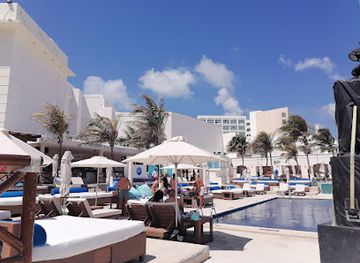
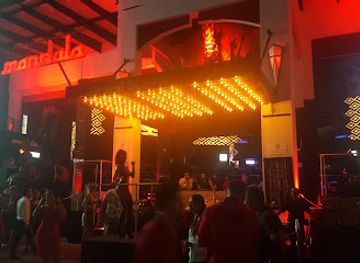
Evening life varies sharply across the peninsula. Cancún, Playa del Carmen and the larger Riviera Maya resorts have the most extensive late-night scene, including clubs, beach venues, cocktail bars, live music and restaurants serving international visitors. Cozumel and Isla Mujeres offer a more compact combination of waterfront bars, music venues and casual evening dining, while Mérida is known for atmospheric cantinas, mezcalerías, cocktail bars, cultural performances and restaurants around the historic centre. Campeche and Valladolid generally favour quieter evenings in plazas, cafés, traditional cantinas and hotel or restaurant bars rather than a large club circuit. In smaller coastal and inland communities, nightlife often centres on family restaurants, local gatherings and occasional music events. Resort venues can change frequently, so check current arrangements locally and use licensed transport after drinking. Alcohol is not necessary for enjoying the peninsula’s evening culture, which also includes concerts, dance, theatre and night-time heritage walks.
-
Night club
Coco Bongo
Experience the electrifying nightlife at Coco Bongo, Cancún's ultimate nightclub featuring spectacular shows and a vibrant atmosphere.
-
Bar
Mandala Beach Club
Experience the vibrant blend of relaxation and nightlife at Mandala Beach Club in Cancun's Hotel Zone, where sun, sea, and music unite.
-
Bar
Mandala Nightclub
Discover the electrifying ambiance and vibrant parties at Mandala Nightclub, Cancun's ultimate destination for nightlife enthusiasts.
-
Gastropub
The Hot Corner
Taste the vibrant flavors of Holbox at The Hot Corner, where every meal is a celebration and the nightlife is as lively as the island itself.

Best shops in Yucatan Peninsula
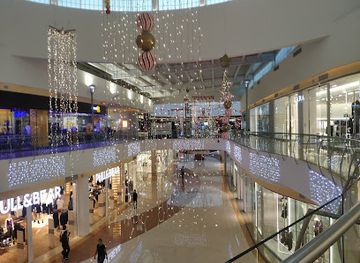
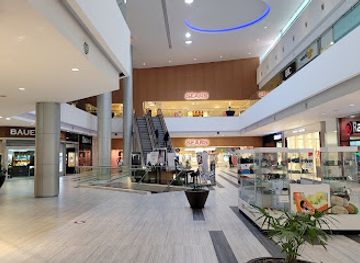
Shopping differs between the peninsula’s historic cities, resort zones and rural communities. Mérida has the broadest selection of galleries, design shops, bookshops, food specialists and craft retailers, with Yucatecan textiles, embroidered clothing, hammocks and woven goods among the most recognisable purchases. Valladolid and smaller towns offer local handicrafts, carved wood, ceramics and regional foods, while Campeche is associated with Gulf-coast produce, traditional crafts and independent shops within and around its historic centre. Markets are useful for fruit, spices, snacks and everyday goods, but quality and provenance vary, so ask whether textiles or crafts are locally made and agree prices politely before buying where bargaining is customary. Resort areas in Cancún, Playa del Carmen, Cozumel and the Riviera Maya contain malls, souvenir shops, jewellery outlets and international brands, though they are less representative of inland craft traditions. Regional food products such as chocolate, honey, coffee from southern Mexico and packaged Yucatecan ingredients travel well, subject to customs rules at the traveller’s destination.
-
Shopping mall
Galerías Mérida
Explore Galerías Mérida: A Shopping Paradise of Fashion, Dining, and Entertainment in Yucatan.
-
Shopping mall
Plaza Altabrisa
Explore Plaza Altabrisa, a modern shopping mall in Mérida, featuring diverse stores, dining options, and entertainment for visitors of all ages.
-
Shopping mall
GRAN PLAZA MÉRIDA
Explore Gran Plaza Mérida, a vibrant shopping destination in Yucatán offering diverse shops, delightful dining, and entertainment for all ages.
-
Shopping mall
Marina Puerto Cancún
Experience shopping and dining like never before at Marina Puerto Cancún, where luxury meets leisure in a stunning coastal setting.

Get your free copy of our complete guide to Yucatan Peninsula, delivered straight to you.
Everything on this page, from attractions and restaurants to essentials and local phrases, in one PDF you can read offline, print or share.
Already have an account? Sign in
Your Yucatan Peninsula guide is ready.
We'll send it to · Not you? Sign out

Getting your guide ready…
We are putting together a fresh copy of the Yucatan Peninsula guide. This can take up to a minute.
This can take a few moments. If your browser asks, choose Allow so the download can start. You'll find the guide in your Downloads folder.
Nothing happened? Download it again
Sorry, the guide is taking longer than usual. Please try again in a minute, or get it by email instead.
Yucatan Peninsula essentials
Currency and Payment
Safety
Emergency Situations
Do's and Don'ts
Local Tips
From Eve
Local phrases worth knowing
You don't need to get them perfect. A few words go a long way, and locals appreciate the effort.
Basics
| English | Local | Say it |
|---|---|---|
| Hello | Hola | [O-la] |
| Goodbye | Adiós | [A-dee-os] |
| Yes | Sí | [See] |
| No | No | [No] |
| Please/You're welcome | Por favor | [Por fa-vor] |
| Thank you | Gracias | [Gra-see-as] |
| Excuse me/Sorry | Perdón | [Per-don] |
| How are you? | ¿Cómo estás? | [Ko-mo es-tas] |
| Fine. And you? | Bien. ¿Y tú? | [Bee-en. Ee tu] |
| Do you speak English? | ¿Hablas inglés? | [A-blas ing-les] |
| I don't understand | No entiendo | [No en-tee-en-do] |
Eating & Drinking
| English | Local | Say it |
|---|---|---|
| I'd like to see the menu, please | Me gustaría ver el menú, por favor | [Me gus-ta-ree-a ver el me-nu, por fa-vor] |
| I don't eat meat | No como carne | [No ko-mo car-ne] |
| Cheers! | ¡Salud! | [Sa-lud] |
| I would like to pay, please | Me gustaría pagar, por favor | [Me gus-ta-ree-a pa-gar, por fa-vor] |
Emergencies
| English | Local | Say it |
|---|---|---|
| Help! | ¡Ayuda! | [A-yu-da] |
| Go away! | ¡Vete! | [Ve-te] |
| Call the Police! | ¡Llama a la policía! | [Ya-ma a la po-li-ci-a] |
| Call a doctor! | ¡Llama a un doctor! | [Ya-ma a un doc-tor] |
| I'm lost | Estoy perdido | [Es-toy per-di-do] |
| I'm ill | Estoy enfermo | [Es-toy en-fer-mo] |
Shopping
| English | Local | Say it |
|---|---|---|
| I'd like to buy... | Me gustaría comprar... | [Me gus-ta-ree-a kom-prar] |
| I'm just looking | Solo estoy mirando | [So-lo es-toy mi-ran-do] |
| How much is it? | ¿Cuánto cuesta? | [Kwan-to kwes-ta] |
| That's too expensive | Es demasiado caro | [Es de-ma-si-a-do ca-ro] |
| Can you lower the price? | ¿Puedes bajar el precio? | [Pwe-des ba-har el pre-cio] |
Time & Numbers
| English | Local | Say it |
|---|---|---|
| What time is it? | ¿Qué hora es? | [Ke o-ra es] |
| It's one o'clock | Es la una | [Es la u-na] |
| Half past (10) | Diez y media | [Dyez ee me-dia] |
| Morning | Mañana | [Ma-nyana] |
| Afternoon | Tarde | [Tar-de] |
| Evening | Noche | [No-che] |
| Yesterday | Ayer | [A-yer] |
| Today | Hoy | [Oy] |
| Tomorrow | Mañana | [Ma-nyana] |
| 1 | Uno | [Oo-no] |
| 2 | Dos | [Dos] |
| 3 | Tres | [Tres] |
| 4 | Cuatro | [Kwa-tro] |
| 5 | Cinco | [Sin-ko] |
| 6 | Seis | [Says] |
| 7 | Siete | [Syet-e] |
| 8 | Ocho | [O-cho] |
| 9 | Nueve | [Nwe-ve] |
| 10 | Diez | [Dyez] |
Transport & Directions
| English | Local | Say it |
|---|---|---|
| Where's a/the...? | ¿Dónde está...? | [Don-de es-ta] |
| What's the address? | ¿Cuál es la dirección? | [Kwal es la di-rec-cion] |
| Can you show me (on the map)? | ¿Me puedes mostrar (en el mapa)? | [Me pwe-des mos-trar (en el ma-pa)] |
| When's the next (bus)? | ¿Cuándo es el próximo (autobús)? | [Kwan-do es el pro-xi-mo (au-to-bus)] |
| A ticket (to ....) | Un boleto (a....) | [Un bo-le-to (a....)] |
History of Yucatan Peninsula
Early Maya Settlement and the Preclassic Period
Human communities occupied the peninsula for thousands of years, adapting to a limestone environment with few permanent surface rivers. Maya societies developed agriculture, trade networks, ceremonial centres and systems for storing or accessing underground water. Early settlements grew during the Preclassic period, and sites such as El Mirador lie beyond Mexico in Guatemala, while the Mexican peninsula contains important later evidence at places including Komchén and Dzibilchaltún. The foundations established in this era—urban planning, calendrical knowledge, writing and long-distance exchange—shaped the civilisations that later flourished across Yucatán, Campeche and Quintana Roo.
Classic Maya Cities and Regional Powers
Between roughly the third and tenth centuries, the peninsula formed part of a complex Maya world of competing kingdoms and influential cities. Puuc centres in southern Yucatán, including Uxmal and nearby sites, developed distinctive architectural decoration, while Calakmul in Campeche became one of the great powers of the wider Maya lowlands. Coastal and inland settlements connected through trade in goods such as salt, obsidian and marine products. Political authority shifted over time rather than following a single linear rise and fall, and the surviving monuments reflect changing alliances, warfare, religious practices and relationships with the forest and water systems.
Chichén Itzá and Postclassic Networks
Chichén Itzá became a major political, ceremonial and economic centre during the Late and Terminal Classic periods, with monumental buildings, sacred spaces and evidence of extensive regional connections. After its political prominence declined, other centres gained importance. During the Postclassic era, cities including Mayapán and coastal settlements participated in trade networks linking the peninsula with wider Mesoamerica. Maya communities remained politically active and culturally diverse, maintaining languages, beliefs and social institutions that did not disappear when individual cities lost power.
Spanish Conquest and Colonial Yucatán
Spanish campaigns in the peninsula began in the sixteenth century and met sustained resistance from Maya polities, making conquest a prolonged and uneven process. Colonial towns such as Mérida, Valladolid and Campeche were established over or near earlier Maya settlements, while churches, administrative buildings and fortified structures reshaped the urban landscape. Spanish rule brought new political institutions, Catholic missions, livestock and epidemic diseases, but Maya communities retained landholding systems, languages and cultural practices in changing forms. The walled city of Campeche reflects the importance of Gulf trade and the threat of maritime raids during the colonial period.
Henequen, Estates and Nineteenth-Century Transformation
In nineteenth-century Yucatán, the expansion of henequen cultivation transformed the economy and countryside. The fibre, used internationally for rope and agricultural products, generated considerable wealth for landowners and financed grand houses, railways and urban improvements, particularly around Mérida. The industry depended on harsh labour systems that placed heavy burdens on Maya workers and shaped social inequalities across the region. Many haciendas later declined as synthetic fibres and changing markets reduced demand, but their buildings, plantations and railway traces remain a visible part of Yucatán’s cultural landscape.
The Caste War and Maya Political Resistance
The Caste War began in 1847 amid deep inequalities, land disputes, political conflict and resistance to control by Yucatecan elites and the Mexican state. Fighting continued for decades, particularly in the eastern and southern peninsula, and some Maya communities maintained substantial autonomy. The conflict affected settlements, trade and agricultural production across the region, while the independent Chan Santa Cruz movement created a powerful centre in what is now Quintana Roo. Its legacy remains important to understanding contemporary Maya identity, land rights and the uneven history of state authority in the peninsula.
Tourism, Conservation and Modern Regional Change
From the second half of the twentieth century, tourism reshaped the Caribbean coast, most dramatically around Cancún and later the Riviera Maya. Resort construction, airports, roads and international migration created new employment and urban growth, but also increased pressure on aquifers, reefs, mangroves and forests. Protected areas such as Sian Ka’an and Calakmul represent efforts to conserve large ecological and archaeological landscapes, while community-based tourism and Maya cultural initiatives have gained greater visibility. The peninsula today combines globally connected resort economies with long-established cities, rural communities, fishing livelihoods and living Indigenous cultures.
Yucatan Peninsula in Photos
Browse through our photo collection highlighting the charm and character of the destination.
Neighbouring regions of Yucatan Peninsula
The closest regions to Yucatan Peninsula, if you have time for more than one.
-

-

-

-

-


Swipe for more regions
Explore more

Explore more of Mexico
Discover Mexico: A land of ancient ruins, vibrant culture, and stunning natural landscapes. Experience diverse cuisine, rich traditions, and warm hospitality.
Explore Mexico