

Free Huasteca Travel Guide & Mobile App
Explore Huasteca with free travel guides. Discover regional history, expert tips, proposed trips, and audio guides on web or mobile app.


Explore Mexico's Huasteca for turquoise rivers, rainforest, caves, Teenek culture, son huasteco and remarkable limestone landscapes.
Read more about Huasteca
When is the best time to visit Huasteca?
Best: December–February · 25–26°C| Month | High (°C) | Rainfall (mm) |
|---|---|---|
| January (best) | 25 | 41 |
| February (best) | 26 | 35 |
| March | 29 | 31 |
| April | 31 | 26 |
| May | 33 | 21 |
| June | 35 | 16 |
| July | 34 | 26 |
| August | 34 | 31 |
| September | 33 | 36 |
| October | 31 | 40 |
| November | 28 | 45 |
| December (best) | 26 | 51 |
Getting to and around Huasteca
How to get there
Transportation
Best attractions in Huasteca
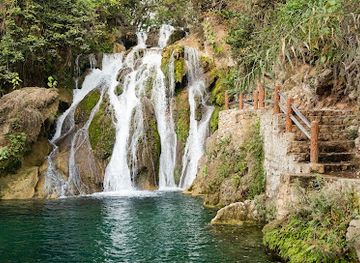
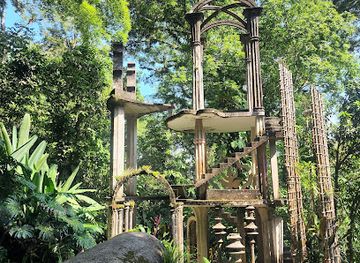
Huasteca attractions are shaped by water, limestone and living culture. In the Huasteca Potosina, the cascades at Tamasopo, Micos and Tamul offer different ways to experience the region's rivers, from accessible pools to guided boat and adventure excursions. Near Aquismón, the Sótano de las Golondrinas is a vast natural shaft known for the dramatic flight of birds at dawn and dusk, while nearby caves and forest trails require careful local guidance. Xilitla combines cloud-forest scenery with Las Pozas, Edward James's surrealist garden of stairways, towers and concrete forms. Tamtoc, near Tamuín, provides an archaeological perspective on the ancient Huastec world. Across the wider region, visitors will also find hot lowland valleys, coffee and citrus country, market towns, community celebrations, river beaches and opportunities for birdwatching, hiking, rafting and canyoning. The attractions differ considerably between the Potosí uplands, the Veracruz lowlands, the Hidalgo mountains and the Tamaulipas Gulf plain, so a broader itinerary should not assume that one base represents the entire Huasteca.
-
Tourist attraction
Cascadas de Tamasopo
Explore the stunning Cascadas de Tamasopo in San Luis Potosí, where nature's beauty meets adventure in a serene setting.
-
Tourist attraction
Las Pozas
Explore Las Pozas, a surreal botanical garden and art museum in Xilitla, offering a stunning blend of nature and whimsical architecture.
-
Tourist attraction
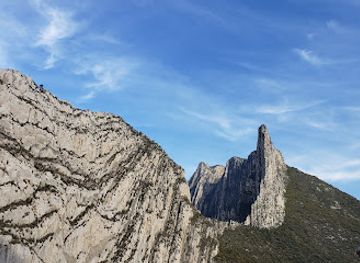
La Huasteca
Discover La Huasteca, a breathtaking national park in Nuevo León, Mexico, perfect for hiking, cycling, and adventure sports amidst stunning natural landscapes.
-
Tourist attraction
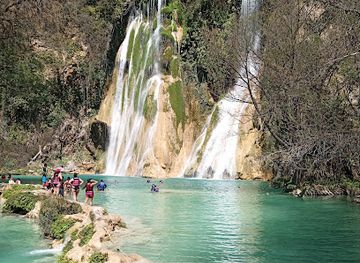
Cascadas de Minas Viejas
Explore the stunning Cascadas de Minas Viejas, a breathtaking waterfall destination in San Luis Potosi, perfect for hiking and nature lovers.
Explore Huasteca on the map
Plan your trip on one map. See where the top cities, national parks and sights are, and book hotels and experiences in a few clicks.
Best hotels in Huasteca
Best restaurants in Huasteca
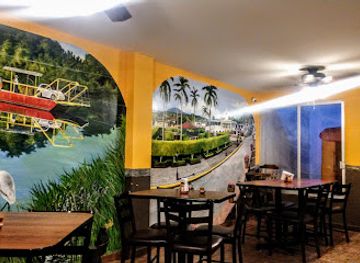
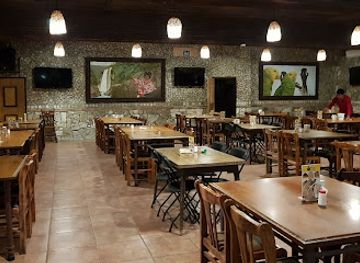
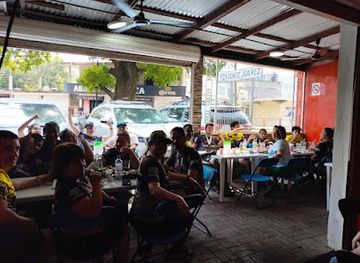
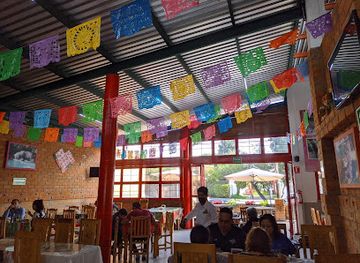
Huastecan food draws on maize, chillies, beans, pork, herbs, tropical fruit and the produce of a warm, agriculturally varied region. Zacahuil, a very large ceremonial-style tamal, is strongly associated with the Huasteca, while bocoles, enchiladas huastecas, caldo huasteco and filled tamales appear in differing local forms. Markets and modest family-run kitchens are often the best places to encounter regional breakfasts, handmade tortillas, seasonal fruit and food prepared for local celebrations. In the Potosí and Hidalgo sections, cafés and eateries may also serve coffee from nearby upland areas, while the Gulf-facing parts of Veracruz and Tamaulipas bring in more seafood and coastal influences. Rural restaurants and roadside kitchens can have limited hours and menus, so flexibility is useful. Ask about ingredients and preparation when ordering, especially where dishes vary between communities, and look for local producers of piloncillo, honey, citrus, coffee and handcrafted maize products.
-
Mexican
Los Huastecos
Experience the vibrant flavors of authentic Mexican cuisine at Los Huastecos - your go-to destination for breakfast delights in San Luis Potosí.
-
Mexican
Rincón Huasteco
Experience authentic Huasteca cuisine at Rincón Huasteco - where tradition meets taste in Ciudad Valles.
-
Restaurant
Restaurant La Huasteca
Experience authentic Mexican flavors at Restaurant La Huasteca in Tamasopo - a true culinary treasure with unforgettable dishes.
-
Mexican
"La Huasteca" Restaurante
Discover authentic Mexican flavors at La Huasteca Restaurante in San Luis Potosí - where tradition meets taste!
Best bars in Huasteca
Evening life in the Huasteca is generally social and local rather than centred on large nightclubs. Ciudad Valles has the broadest choice of bars, restaurants and late-evening venues in the Huasteca Potosina, while Xilitla offers a smaller scene shaped by cafés, restaurants, music and visitors staying overnight. In market towns and rural communities, traditional cantinas, family-run eateries and public festivities are more characteristic than purpose-built clubs. Son huasteco and huapango performances, where scheduled, connect music with regional identity and dancing, although events vary by town and season. Gulf-side cities such as Tuxpan and Tampico provide a more urban evening atmosphere for the eastern and southern edges of the region, but they are not substitutes for the rural Huastecan experience. Arrange transport before going out in remote areas, as late public services can be limited, and treat community celebrations as cultural occasions rather than simply nightlife entertainment.
-
Mexican
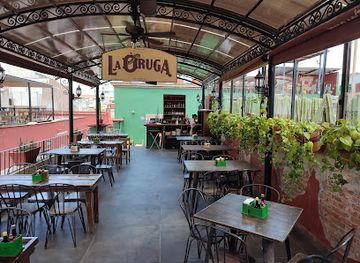
La Oruga y La Cebada
Dive into an unforgettable dining experience at La Oruga y La Cebada, where vibrant Mexican flavors meet a lively atmosphere in San Luis Potosí.
-
Mexican
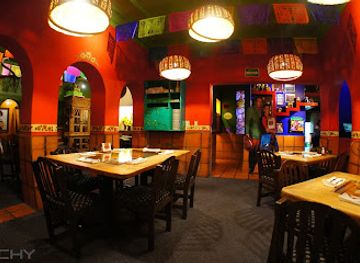
El México de Frida
Experience the vibrant flavors of Mexico at El México de Frida, where art and gastronomy unite in a culinary celebration.
-
Mexican
Rincón Huasteco
Experience the authentic flavors of Huasteca cuisine at Rincón Huasteco in Ciudad Valles, a must-visit for food enthusiasts and culture seekers.
-
Bar
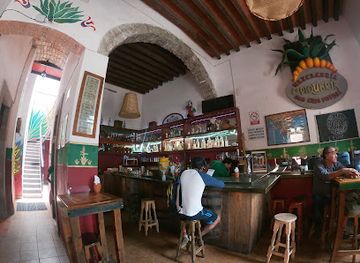
The Piqueria Mezcaleria
Experience the vibrant culture of San Luis Potosí at The Piqueria Mezcaleria with authentic mezcal, delicious Mexican food, and lively music.
Best nightclubs in Huasteca
Evening life in the Huasteca is generally social and local rather than centred on large nightclubs. Ciudad Valles has the broadest choice of bars, restaurants and late-evening venues in the Huasteca Potosina, while Xilitla offers a smaller scene shaped by cafés, restaurants, music and visitors staying overnight. In market towns and rural communities, traditional cantinas, family-run eateries and public festivities are more characteristic than purpose-built clubs. Son huasteco and huapango performances, where scheduled, connect music with regional identity and dancing, although events vary by town and season. Gulf-side cities such as Tuxpan and Tampico provide a more urban evening atmosphere for the eastern and southern edges of the region, but they are not substitutes for the rural Huastecan experience. Arrange transport before going out in remote areas, as late public services can be limited, and treat community celebrations as cultural occasions rather than simply nightlife entertainment.
-
Night club
Mandala Puerto Vallarta
Discover the vibrant nightlife at Mandala Puerto Vallarta, where great music, exquisite cocktails, and unforgettable memories come alive.
-
Piano bar
Rockabilly Bar
Immerse yourself in the lively ambiance of Rockabilly Bar, a premier piano bar in San Luis Potosí, where live music and signature cocktails create unforgettable nights.
-
Bar
La Bamba
Experience the vibrant nightlife at La Bamba, a premier bar in San Luis Potosí, where culture and fun converge under one roof.
-
Bar
Mandala Playa del Carmen
Explore the electrifying nightlife of Mandala Playa del Carmen, a premier disco club with vibrant music, cocktails, and an unforgettable party atmosphere.
Best shops in Huasteca
Shopping in the Huasteca is centred on market towns, open-air markets, small food producers and community craftwork rather than large retail districts. Ciudad Valles is the most practical place in the Potosí section for supplies, regional foods and everyday shopping, while Xilitla has independent shops and galleries connected with its artistic and forest setting. Markets in Huejutla, Tantoyuca and other eastern towns offer maize products, fruit, spices, woven goods and household items, although stock and market days vary. Look for embroidered textiles, baskets, carved objects and regional foods, but ask about materials, provenance and fair pricing rather than assuming that every item represents a single Huastec tradition. Useful edible purchases include coffee, honey, citrus products, piloncillo and dried chillies. Rural communities may have few formal shops and limited card facilities, so carry pesos and pack fragile or perishable purchases carefully. Buying directly from makers or established cooperatives can provide a clearer connection between visitors and local production.
-
Shopping mall
Plaza Citadella
Explore Plaza Citadella in San Luis Potosí for an unforgettable shopping and dining experience in a vibrant atmosphere.
-
Swimming lake
Manantial Media Luna
Experience the beauty of Manantial Media Luna, a stunning swimming lake and national park in San Luis Potosí, ideal for relaxation and adventure.
-
Tourist attraction
Cascadas de Micos
Explore the stunning Cascadas de Micos, a breathtaking collection of waterfalls and hiking trails in San Luis Potosí, Mexico, perfect for nature lovers.
-
Tourist attraction
Puente de Dios
Explore the breathtaking rock formations and lush trails of Puente de Dios, a must-visit destination in San Luis Potosi for nature lovers and adventure seekers alike.

Get your free copy of our complete guide to Huasteca, delivered straight to you.
Everything on this page, from attractions and restaurants to essentials and local phrases, in one PDF you can read offline, print or share.
Already have an account? Sign in
Your Huasteca guide is ready.
We'll send it to · Not you? Sign out

Getting your guide ready…
We are putting together a fresh copy of the Huasteca guide. This can take up to a minute.
This can take a few moments. If your browser asks, choose Allow so the download can start. You'll find the guide in your Downloads folder.
Nothing happened? Download it again
Sorry, the guide is taking longer than usual. Please try again in a minute, or get it by email instead.
Huasteca essentials
Currency and Payment
Safety
Emergency Situations
Do's and Don'ts
Local Tips
From Eve
Local phrases worth knowing
You don't need to get them perfect. A few words go a long way, and locals appreciate the effort.
Basics
| English | Local | Say it |
|---|---|---|
| Hello | Hola | [Ola] |
| Goodbye | Adiós | [Adeos] |
| Yes | Sí | [Si] |
| No | No | [No] |
| Please/You're welcome | Por favor | [Por favor] |
| Thank you | Gracias | [Grasias] |
| Excuse me/Sorry | Perdón | [Perdon] |
| How are you? | ¿Cómo estás? | [Como estas] |
| Fine. And you? | Bien. ¿Y tú? | [Bien. I tu] |
| Do you speak English? | ¿Hablas inglés? | [Hablas ingles] |
| I don't understand | No entiendo | [No entiendo] |
Eating & Drinking
| English | Local | Say it |
|---|---|---|
| I'd like to see the menu, please | Quisiera ver el menú, por favor | [Kisiera ver el menu, por favor] |
| I don't eat meat | No como carne | [No komo carne] |
| Cheers! | ¡Salud! | [Salud] |
| I would like to pay, please | Quisiera pagar, por favor | [Kisiera pagar, por favor] |
Emergencies
| English | Local | Say it |
|---|---|---|
| Help! | ¡Ayuda! | [Ayuda] |
| Go away! | ¡Vete! | [Vete] |
| Call the Police! | ¡Llama a la policía! | [Llama a la policia] |
| Call a doctor! | ¡Llama a un doctor! | [Llama a un doktor] |
| I'm lost | Estoy perdido | [Estoy perdido] |
| I'm ill | Estoy enfermo | [Estoy enfermo] |
Shopping
| English | Local | Say it |
|---|---|---|
| I'd like to buy... | Quisiera comprar... | [Kisiera komprar] |
| I'm just looking | Solo estoy mirando | [Solo estoy mirando] |
| How much is it? | ¿Cuánto cuesta? | [Cuanto kesta] |
| That's too expensive | Eso es muy caro | [Eso es muy karo] |
| Can you lower the price? | ¿Puedes bajar el precio? | [Puedes bajar el precio] |
Time & Numbers
| English | Local | Say it |
|---|---|---|
| What time is it? | ¿Qué hora es? | [Ke ora es] |
| It's one o'clock | Es la una | [Es la una] |
| Half past (10) | Y media (10) | [I media] |
| Morning | Mañana | [Mañana] |
| Afternoon | Tarde | [Tarde] |
| Evening | Noche | [Noche] |
| Yesterday | Ayer | [Ayer] |
| Today | Hoy | [Hoy] |
| Tomorrow | Mañana | [Mañana] |
| 1 | Uno | [Uno] |
| 2 | Dos | [Dos] |
| 3 | Tres | [Tres] |
| 4 | Cuatro | [Katro] |
| 5 | Cinco | [Sinko] |
| 6 | Seis | [Seis] |
| 7 | Siete | [Siete] |
| 8 | Ocho | [Ocho] |
| 9 | Nueve | [Nueve] |
| 10 | Diez | [Diez] |
Transport & Directions
| English | Local | Say it |
|---|---|---|
| Where's a/the...? | ¿Dónde está un/una...? | [Donde esta un/una] |
| What's the address? | ¿Cuál es la dirección? | [Kual es la direccion] |
| Can you show me (on the map)? | ¿Me puedes mostrar (en el mapa)? | [Me puedes mostrar en el mapa] |
| When's the next (bus)? | ¿Cuándo es el próximo (autobús)? | [Cuando es el proximo autobus] |
| A ticket (to ....) | Un boleto (a ....) | [Un boleto a] |
History of Huasteca
The ancient Huastec and Teenek world
The Huastec civilisation developed in the humid lowlands and foothills of what is now eastern Mexico, with especially important settlements in the areas around modern northern Veracruz, southern Tamaulipas and eastern San Luis Potosí. Huastec communities shared linguistic and artistic links with the wider Maya world, although the region developed its own political and religious traditions. Sculpture, ritual objects and monumental remains reveal a society connected to Gulf Coast trade routes. The Teenek, descendants of Huastec communities, remain an important Indigenous presence, particularly in San Luis Potosí, Veracruz and Hidalgo.
Tamtoc and pre-Hispanic regional networks
Tamtoc, near Tamuín in San Luis Potosí, was one of the most significant centres of the pre-Hispanic Huastec area. Its ceremonial platforms, plazas, carved monuments and hydraulic landscape indicate a substantial settlement supported by agriculture and regional exchange. Other archaeological remains across the Huasteca are often less monumental but help place the region within a network linking the Gulf lowlands, the central highlands and northern Mesoamerica. Tamtoc's surviving sculptures and urban remains provide an important counterpoint to histories centred on central Mexico.
Spanish conquest and colonial transformation
Spanish expansion into the Huasteca during the sixteenth century brought military conflict, new forms of landholding, Christian institutions and diseases that severely affected Indigenous populations. Colonial settlements and estates were established alongside older communities, while cattle ranching and agriculture altered the lowland economy. Spanish control was uneven in the more remote and mountainous areas, where Indigenous communities continued to preserve languages, land practices and local authority. The resulting cultural landscape combined Huastec traditions with colonial religious, architectural and agricultural influences.
Haciendas, ranching and the rural economy
During the colonial period and into the nineteenth century, estates, ranches and commercial agriculture became prominent across parts of the Huasteca. Sugar, cattle, coffee, citrus and other crops were produced in different ecological zones, while river routes and market towns connected rural districts with the Gulf coast and the Mexican interior. Land concentration generated deep inequalities and conflict, particularly where estates expanded onto Indigenous and communal lands. Many contemporary landscapes of pasture, cane fields, orchards and market towns have roots in this long transformation.
Indigenous land struggles and the Mexican Revolution
The Huasteca experienced serious social conflict during the late nineteenth and early twentieth centuries, as Indigenous communities, ranchers, estate owners and government authorities contested land and political power. The Mexican Revolution and subsequent agrarian reforms reshaped ownership in many districts, although implementation varied and disputes persisted. The region's history cannot be reduced to a single revolutionary episode: local movements, community organisation and changing state policies all influenced how land and political representation developed in San Luis Potosí, Veracruz, Hidalgo and Tamaulipas.
The twentieth-century arrival of roads, schools and markets
Improved roads, bridges, schools, public health services and commercial networks connected previously isolated Huastecan communities more closely with regional cities. Ciudad Valles grew as a transport and agricultural centre, while towns across the uplands and Gulf plain became linked to wider markets. These changes brought opportunities but also accelerated migration, language shift and pressure on forests and rivers. Contemporary Huasteca culture therefore reflects both continuity and adaptation, with family, community and Indigenous organisations maintaining traditions within a rapidly changing regional economy.
Living Huastecan identity
Today, Huastecan identity is expressed through several related but distinct Indigenous and mestizo traditions rather than a single uniform culture. Teenek communities maintain language, agricultural knowledge, ceremonial practices, weaving and distinctive foodways, while Nahua and other communities contribute to the region's cultural diversity. Son huasteco and huapango gatherings have become widely recognised regional expressions, but they remain connected to local musicians, dancers and community celebrations. Tourism has increased interest in these traditions, making respectful interpretation and community benefit particularly important.
Huasteca in Photos
Browse through our photo collection highlighting the charm and character of the destination.
Neighbouring regions of Huasteca
The closest regions to Huasteca, if you have time for more than one.
-

-

-

-

-


Swipe for more regions
Explore more

Explore more of Mexico
Discover Mexico: A land of ancient ruins, vibrant culture, and stunning natural landscapes. Experience diverse cuisine, rich traditions, and warm hospitality.
Explore Mexico