
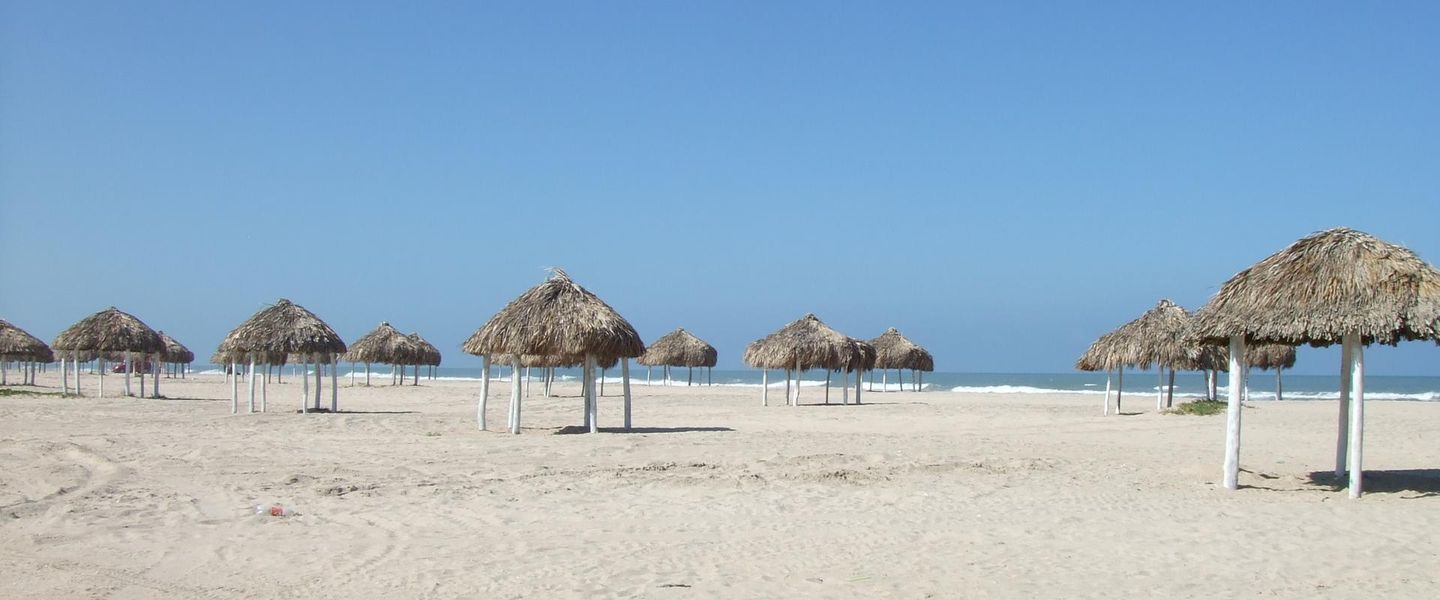
Tamaulipas Coast, Mexico Travel Guide
Discover the Tamaulipas Coast: Pristine beaches, rich wildlife, and charming coastal towns await you in northeastern Mexico's hidden gem.
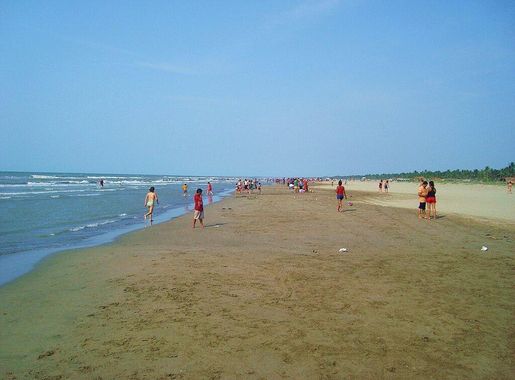
The Tamaulipas Coast, located in northeastern Mexico, is a stunning and lesser-known destination that offers a variety of experiences for tourists. This coastal region is blessed with beautiful beaches, rich wildlife, and charming towns, making it an ideal spot for those seeking both relaxation and adventure. With miles of pristine coastline, the beaches here are perfect for sunbathing, swimming, and water sports. Playa Miramar, the most popular beach, is known for its soft sands and clear waters. It's an excellent place for families and anyone looking to unwind by the sea. For a more secluded experience, visit Playa Bagdad, a serene and untouched beach that offers tranquility and natural beauty. Nature enthusiasts will love the diverse ecosystems found along the Tamaulipas Coast. The Laguna Madre, one of the world's largest hypersaline lagoons, is a haven for bird watchers and marine life lovers. You can take guided tours to explore this unique habitat and witness a variety of bird species, dolphins, and even sea turtles. The coastal towns of Tamaulipas, such as Tampico and Soto la Marina, are rich in culture and history. Tampico, with its colonial architecture and vibrant markets, offers a glimpse into the region's past and present. Don't miss the chance to try local delicacies, such as seafood dishes and traditional Mexican cuisine, which are sure to delight your taste buds. Adventure seekers can enjoy activities like fishing, kayaking, and hiking in the surrounding areas. The Sierra de Tamaulipas mountains provide a scenic backdrop and offer opportunities for exploration and wildlife spotting. Whether you're looking to relax on the beach, explore nature, or immerse yourself in local culture, the Tamaulipas Coast has something for everyone.

Know before you go
Hi, I'm Eve. Here are a few practical things to know before exploring Tamaulipas Coast.
- Visit during the dry season (November to April) for the best weather conditions.
- Pack sunscreen and insect repellent to stay protected during outdoor activities.
- Try the local seafood; it's fresh and a highlight of the region's cuisine.
- Hire a local guide for wildlife tours to make the most of your visit to Laguna Madre.
- Learn a few basic Spanish phrases to enhance your interactions with local residents.
Explore Tamaulipas Coast: Things to Do, Places to Eat, Hotels & More
Handpicked recommendations for top attractions, local dining, accommodations, and more

Top Attractions & Sightseeing in Tamaulipas Coast
Top-rated picks
Best Attractions

Tulum
Discover Tulum's ancient Mayan ruins and pristine beaches, where history meets stunning natural beauty along Mexico's Caribbean coast.

Plaza de Armas Tampico
Discover the cultural gem of Tampico at Plaza de Armas, where history, community, and beauty converge in a vibrant urban park.
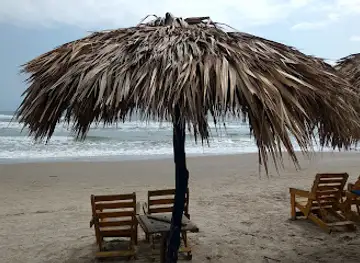
Delfines Playa Miramar
Discover the beauty of Delfines Playa Miramar, a stunning public beach in Ciudad Madero, perfect for relaxation and fun in the sun.

Parque Metropolitano de Tampico
Experience the natural beauty and diverse wildlife of Parque Metropolitano de Tampico, a perfect retreat for nature lovers and families in Tamaulipas.

Best restaurants in Tamaulipas Coast
Top-rated picks
Best Restaurants

Restaurant El Rancho
Experience authentic Mexican flavors at Restaurant El Rancho - where every meal is a celebration of tradition and taste.
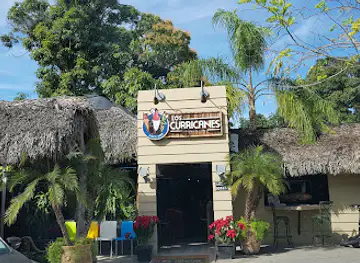
Los Curricanes Tampico, Sucursal Calle México
Discover the authentic flavors of coastal Mexico at Los Curricanes in Tampico—where every dish tells a story.

El Lindero Universidad
Experience authentic Mexican flavors at El Lindero Universidad in Tampico - where every dish tells a story.
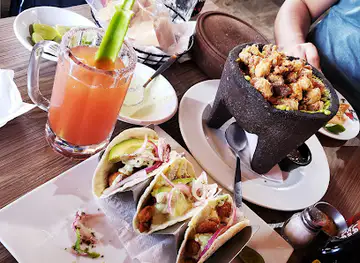
Los Curricanes Tampico, Sucursal Rondinella
Experience authentic Mexican seafood at Los Curricanes in Tampico – where every bite tells a story.

Best bars in Tamaulipas Coast
Top-rated picks
Best Bars

360 Grill & Bar
Experience culinary excellence at 360 Grill & Bar in Tampico, where local tastes meet international flair in a stunning setting.

Restaurant Bar Rico's
Experience the vibrant flavors of Ciudad Madero at Rico's Restaurant Bar, a grill haven for food lovers and nightlife enthusiasts.

Mijitos Cousine & Bar
Discover the vibrant flavors of Mijitos Cuisine & Bar, a gastropub in Nuevo Laredo serving delicious seafood and tacos in a lively atmosphere.

Mad Hatter's British Pub Tampico
Discover the vibrant atmosphere and delightful fusion of British and Mexican flavors at Tampico's Mad Hatter's British Pub.

Best nightclubs in Tamaulipas Coast
Top-rated picks
Best Nightclubs

Byblos
Discover the vibrant nightlife at Byblos in Tampico, where music, dance, and unforgettable moments come together in a dazzling disco experience.

Country Night Club Tampico
Immerse yourself in Tampico's nightlife at Country Night Club, the ultimate destination for country music lovers and vibrant dance parties.

CARIBE DRINKS
Discover the vibrant nightlife of Heroica Matamoros at Caribe Drinks, where lively music and delicious cocktails create unforgettable memories.

HIBRIDO
Discover HIBRIDO, the vibrant night club in Ciudad Victoria where unforgettable nights of dancing and socializing come alive amidst an energetic atmosphere.

Best shops in Tamaulipas Coast
Top-rated picks
Best Shops

Galerías Altama
Explore Galerías Altama in Tampico: A diverse shopping mall with exciting stores, delicious dining, and family-friendly activities for every visitor.

Liverpool
Discover the ultimate shopping experience at Liverpool in Tampico, where fashion meets convenience and quality across a wide range of products.

Plaza de la Libertad
Experience the vibrant culture and beauty of Tampico at Plaza de la Libertad, the city's beloved park and social hub.

Rio Grande Valley Premium Outlets
Discover unbeatable deals and a diverse selection of brands at Rio Grande Valley Premium Outlets, the ultimate shopping destination in Texas.

Explore Tamaulipas Coast on the Map
A handpicked selection of must-see spots in Tamaulipas Coast, mapped for you.
Tamaulipas Coast Essentials
-
The Tamaulipas Coast is accessible via several major airports. The closest international airport is General Lucio Blanco International Airport (REX) in Reynosa, which is approximately 2 hours away by car. Another option is the General Francisco Javier Mina International Airport (TAM) in Tampico, a major city on the coast. From these airports, you can rent a car, take a taxi, or use ride-sharing services to reach your destination. Buses are also available for longer routes, connecting major cities to smaller coastal towns.
-
Transportation along the Tamaulipas Coast includes buses, taxis, and car rentals. Buses are a cost-effective way to travel between cities and towns, with multiple services operating daily. Taxis are readily available in most urban areas and offer a convenient but more expensive option. If you prefer the flexibility of exploring at your own pace, renting a car is recommended. Road conditions are generally good, but it is advisable to avoid driving at night due to the risk of encountering wildlife or poorly lit roads.
-
The official currency in Mexico is the Mexican Peso (MXN). Credit and debit cards are widely accepted in hotels, restaurants, and larger shops along the Tamaulipas Coast. However, it is advisable to carry some cash, especially when visiting smaller towns or rural areas where card acceptance may be limited. ATMs are available in most towns and cities, but it's a good idea to withdraw enough cash for your needs before traveling to more remote areas.
-
While the Tamaulipas Coast is generally safe for tourists, certain areas have higher crime rates. It is advisable to avoid the cities of Reynosa and Matamoros, which have reported incidents of crime targeting tourists. Always stay in well-populated and well-lit areas, especially at night. Keep your belongings secure and be cautious of your surroundings. Avoid displaying valuable items like jewelry or expensive electronics in public.
-
In case of emergency, dial 911 for immediate assistance. Hospitals and medical clinics are available in larger cities like Tampico and Ciudad Victoria. It is advisable to have travel insurance that covers medical emergencies. For minor health issues, pharmacies are widely available and can provide over-the-counter medications. Always carry a copy of your identification and travel insurance details.
-
Fashion: Do dress modestly, especially when visiting religious sites. Avoid wearing revealing clothing. Religion: Do respect local customs and traditions, especially during religious events. Public Transport: Do be courteous and give up your seat to elderly passengers. Avoid loud conversations and eating on public transport. Greetings: Do greet people with a handshake and a friendly smile. Using a slight nod of the head is also a sign of respect. Eating & Drinking: Do try local dishes and accept food offerings graciously. Don't refuse hospitality, as it is considered impolite.
-
To experience the Tamaulipas Coast like a local, visit the local markets where you can buy fresh seafood and traditional Mexican goods. Engage with locals; they are often friendly and willing to share stories about the region's history and culture. Don't miss visiting the stunning beaches, such as Miramar Beach in Tampico. For a unique experience, explore the coastal lagoons and nature reserves, which offer opportunities for bird-watching and eco-tourism.
When is the best time to visit Tamaulipas Coast?
Useful Local Phrases for Tamaulipas Coast
You don't need to speak the language perfectly. Even learning a few simple words can make conversations warmer—and locals usually appreciate the effort.
— Eve

Here are the phrases I use most often in Tamaulipas Coast. Try a few—you'll be surprised how far they go! 😊
❤️
-
- HelloHola
[O-la] - GoodbyeAdiós
[A-dee-os] - YesSí
[See] - NoNo
[No] - Please/You're welcomePor favor/De nada
[Por fa-vor/De na-da] - Thank youGracias
[Gra-sias] - Excuse me/SorryPerdón
[Per-don] - How are you?¿Cómo estás?
[Ko-mo es-tas] - Fine. And you?Bien. ¿Y tú?
[Bee-en. Ee tu?] - Do you speak English?¿Hablas inglés?
[A-blas in-glez] - I don't understandNo entiendo
[No en-ti-en-do]
- HelloHola
-
- I'd like to see the menu, pleaseQuisiera ver el menú, por favor
[Ki-sie-ra ver el me-nu, por fa-vor] - I don't eat meatNo como carne
[No ko-mo kar-ne] - Cheers!¡Salud!
[Sa-lud] - I would like to pay, pleaseQuisiera pagar, por favor
[Ki-sie-ra pa-gar, por fa-vor]
- I'd like to see the menu, pleaseQuisiera ver el menú, por favor
-
- Help!¡Ayuda!
[A-yu-da] - Go away!¡Vete!
[Ve-te] - Call the Police!¡Llama a la policía!
[Ya-ma a la po-li-ci-a] - Call a doctor!¡Llama a un doctor!
[Ya-ma a un doc-tor] - I'm lostEstoy perdido
[Es-toy per-di-do] - I'm illEstoy enfermo
[Es-toy en-fer-mo]
- Help!¡Ayuda!
-
- I'd like to buy...Quisiera comprar...
[Ki-sie-ra kom-prar] - I'm just lookingSolo estoy mirando
[So-lo es-toy mi-ran-do] - How much is it?¿Cuánto cuesta?
[Kwan-to kwes-ta] - That's too expensiveEso es muy caro
[E-so es muy ka-ro] - Can you lower the price?¿Puedes bajar el precio?
[Pwe-des ba-har el pre-cio]
- I'd like to buy...Quisiera comprar...
-
- What time is it?¿Qué hora es?
[Ke o-ra es] - It's one o'clockEs la una
[Es la u-na] - Half past (10)Y media (10)
[Ee me-dia] - MorningMañana
[Ma-nya-na] - AfternoonTarde
[Tar-de] - EveningNoche
[No-che] - YesterdayAyer
[A-yer] - TodayHoy
[Oy] - TomorrowMañana
[Ma-nya-na] - 1Uno
[Oo-no] - 2Dos
[Dos] - 3Tres
[Tres] - 4Cuatro
[Kwa-tro] - 5Cinco
[Sin-co] - 6Seis
[Seys] - 7Siete
[Syet-e] - 8Ocho
[O-cho] - 9Nueve
[Nwe-ve] - 10Diez
[Dyez]
- What time is it?¿Qué hora es?
-
- Where's a/the...?¿Dónde está...?
[Don-de es-ta] - What's the address?¿Cuál es la dirección?
[Kwal es la di-rec-cion] - Can you show me (on the map)?¿Puedes mostrarme (en el mapa)?
[Pwe-des mos-trar-me (en el ma-pa)] - When's the next (bus)?¿Cuándo es el siguiente (autobús)?
[Kwan-do es el si-gien-te (au-to-bus)] - A ticket (to ....)Un boleto (a ....)
[Un bo-le-to (a ....)]
- Where's a/the...?¿Dónde está...?
History of Tamaulipas Coast
-
Long before European explorers set foot on the Tamaulipas Coast, the region was inhabited by various indigenous tribes, including the Huastec and the Pame. These groups developed sophisticated farming techniques, intricate social structures, and rich cultural traditions. Archaeological sites such as El Sabinito offer glimpses into the lives of these early inhabitants, showcasing their unique blend of art, religion, and daily life.
-
The arrival of Spanish explorers in the early 16th century marked a significant turning point for the Tamaulipas Coast. In 1519, Alonso Álvarez de Pineda became one of the first Europeans to explore the coastline. By the mid-1500s, Spanish settlements began to emerge, including Tampico, which quickly became a vital port for trade and supply routes. The Spanish introduced Christianity, new agricultural practices, and European architectural styles, which blended with indigenous traditions to create a unique cultural tapestry.
-
During the late 16th and 17th centuries, the Gulf of Mexico, including the Tamaulipas Coast, became a hotspot for piracy and maritime conflicts. Pirates like Jean Lafitte and Henry Morgan frequently targeted Spanish treasure ships and coastal settlements. The region's strategic location made it a focal point for naval skirmishes involving European powers vying for control of the New World. These turbulent times left a lasting impact on the local culture, with tales of buried treasure and legendary pirates still captivating the imagination.
-
The early 19th century saw the Tamaulipas Coast play a significant role in Mexico's struggle for independence from Spain. Key battles and skirmishes unfolded along the coastline, with local leaders such as José Bernardo Gutiérrez de Lara emerging as pivotal figures in the fight for freedom. The region's ports and coastal towns provided crucial support for revolutionary forces, facilitating the movement of supplies and troops.
-
The late 19th and early 20th centuries brought significant economic growth and industrialization to the Tamaulipas Coast. The discovery of oil in the region, particularly in Tampico, transformed the local economy. The port of Tampico became one of Mexico's busiest, attracting international investment and fostering a thriving cultural scene. Railroads and improved infrastructure further integrated the region into the global economy, while new industries such as fishing and agriculture flourished.
-
Today, the Tamaulipas Coast is a vibrant blend of historical legacy and modern development. The region's rich cultural heritage is celebrated through festivals, museums, and historic sites. Coastal towns like La Pesca and Ciudad Madero offer a mix of traditional Mexican charm and contemporary amenities. Efforts to preserve the natural beauty of the coastline, including its pristine beaches and diverse ecosystems, underscore the region's commitment to sustainable tourism and cultural preservation.
Neighbouring Regions of Tamaulipas Coast
The closest regions to Tamaulipas Coast, if you have time for more than one.




Your all‑in‑one travel companion app
Explore expert travel guides, compare and book tours, experiences, hotels, and more—all from the palm of your hand. Download now for seamless trip planning wherever your wanderlust takes you.


Explore More of Mexico

Looking beyond Tamaulipas Coast? Discover Mexico for broader travel guides, local hot-spots, and regional highlights.
Explore MexicoTamaulipas Coast in Photos
Browse through our photo collection highlighting the charm and character of the destination.




Tamaulipas Coast: Mexico's Hidden Gem
The Tamaulipas Coast, located in northeastern Mexico, is a stunning and lesser-known destination that offers a variety of experiences for tourists. This coastal region is blessed with beautiful beaches, rich wildlife, and charming towns, making it an ideal spot for those seeking both relaxation and adventure. With miles of pristine coastline, the beaches here are perfect for sunbathing, swimming, and water sports. Playa Miramar, the most popular beach, is known for its soft sands and clear waters. It's an excellent place for families and anyone looking to unwind by the sea. For a more secluded experience, visit Playa Bagdad, a serene and untouched beach that offers tranquility and natural beauty. Nature enthusiasts will love the diverse ecosystems found along the Tamaulipas Coast. The Laguna Madre, one of the world's largest hypersaline lagoons, is a haven for bird watchers and marine life lovers. You can take guided tours to explore this unique habitat and witness a variety of bird species, dolphins, and even sea turtles. The coastal towns of Tamaulipas, such as Tampico and Soto la Marina, are rich in culture and history. Tampico, with its colonial architecture and vibrant markets, offers a glimpse into the region's past and present. Don't miss the chance to try local delicacies, such as seafood dishes and traditional Mexican cuisine, which are sure to delight your taste buds. Adventure seekers can enjoy activities like fishing, kayaking, and hiking in the surrounding areas. The Sierra de Tamaulipas mountains provide a scenic backdrop and offer opportunities for exploration and wildlife spotting. Whether you're looking to relax on the beach, explore nature, or immerse yourself in local culture, the Tamaulipas Coast has something for everyone.