

Free Southeastern Mexico Travel Guide & Mobile App
Explore Southeastern Mexico with free travel guides. Discover regional history, expert tips, proposed trips, and audio guides on web or mobile app.


Explore Southeastern Mexico for Maya archaeology, colonial cities, cenotes, rainforest, Pacific and Caribbean coasts, and distinctive regional food.
Read more about Southeastern Mexico
When is the best time to visit Southeastern Mexico?
Best: December–February · 29–30°C| Month | High (°C) | Rainfall (mm) |
|---|---|---|
| January (best) | 29 | 50 |
| February (best) | 30 | 40 |
| March | 31 | 40 |
| April | 33 | 60 |
| May | 34 | 100 |
| June | 34 | 150 |
| July | 34 | 150 |
| August | 33 | 150 |
| September | 32 | 150 |
| October | 31 | 100 |
| November | 30 | 60 |
| December (best) | 29 | 50 |
Getting to and around Southeastern Mexico
How to get there
Transportation
Top city travel guides in Southeastern Mexico
The cities of Southeastern Mexico, and the easiest places to base yourself.
-

-

-

-

-

-


Swipe for more cities
Destinations in Southeastern Mexico
Resorts, valleys and scenic spots worth a trip of their own.
-

-

-


Swipe for more destinations
Best attractions in Southeastern Mexico
Southeastern Mexico's attractions range from major Maya archaeological centres to landscapes shaped by water, forest and coast. In the Yucatán Peninsula, Uxmal, Chichén Itzá, Calakmul and the smaller Puuc sites reveal different phases of Maya architecture, while cenotes offer swimming and freshwater environments in the limestone country. Campeche's fortified historic centre provides a contrast between colonial urban planning and the forested ruins farther south. Quintana Roo combines Caribbean beaches, reef excursions and island landscapes with the protected wetlands of Sian Ka'an and inland Maya communities. Chiapas offers Palenque, Bonampak, the Usumacinta basin and the Sumidero Canyon, as well as highland villages and museums around San Cristóbal de las Casas. Tabasco's La Venta collection and wetlands give insight into Olmec history and tropical ecology. Oaxaca brings Monte Albán, Mitla, highland villages, craft centres, the valleys around Oaxaca de Juárez and Pacific beaches, although these areas require separate planning. The region's strongest experiences often depend on timing, local guides and respect for fragile natural or archaeological settings.
-
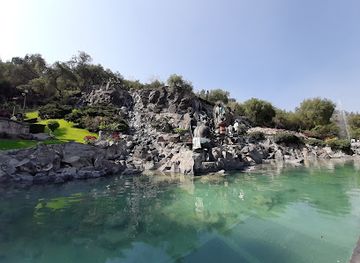
Basilica
Basilica of Our Lady of Guadalupe
Explore the Basilica of Our Lady of Guadalupe, a UNESCO World Heritage site, rich in faith, history, and stunning architecture in Mexico City.
-
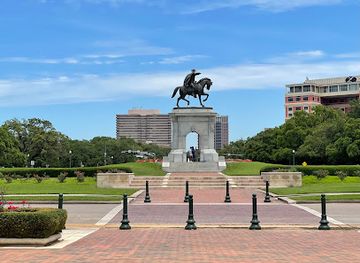
Park
Hermann Park
Explore Hermann Park in Houston: A lush urban park offering scenic views, cultural attractions, and endless recreational activities for the whole family.
-
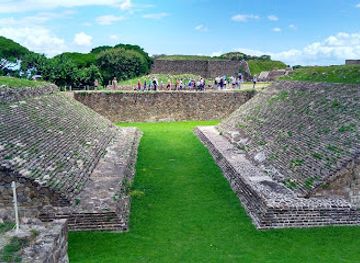
Archaeological site
Zona Arqueológica de Monte Albán
Discover the ancient Zapotec civilization at Monte Albán, an archaeological gem with stunning views and rich history in Oaxaca, Mexico.
-
Archaeological site
Zona Arqueológica Palenque
Discover the ancient beauty of Palenque, one of Mexico's most remarkable archaeological sites, rich in history and surrounded by lush rainforest.

Best landmarks in Southeastern Mexico
The region's most recognisable landmarks express several layers of history and landscape. The walled historic centre of Campeche, with its bastions and gateways, reflects the defensive needs of a major colonial port. In Yucatán, the Pyramid of the Magician at Uxmal and the stepped architecture of Chichén Itzá are particularly prominent Maya monuments, while Calakmul's pyramids rise from one of the peninsula's largest forest environments. Palenque's temples and stairways occupy a striking jungle setting in Chiapas, and the painted tombs and carved monuments of Bonampak provide a different view of Maya court life. Monte Albán stands on a flattened ridge above Oaxaca's central valleys, a powerful reminder of Zapotec urban planning. In Tabasco, the colossal heads and ceremonial remains displayed at La Venta represent the region's Olmec legacy. Natural landmarks are equally important: the limestone cenotes of Yucatán, the cliffs of Sumidero Canyon near Tuxtla Gutiérrez, the wetlands of Sian Ka'an and the Pacific and Caribbean coastlines give the southeast its physical coherence despite its great size.
-
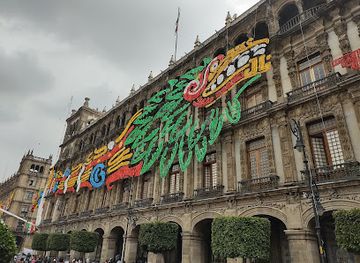
Plaza
Plaza de la Constitución
Discover the cultural heart of Mexico City at Plaza de la Constitución, a vibrant square surrounded by history, architecture, and local traditions.
-
Archaeological site
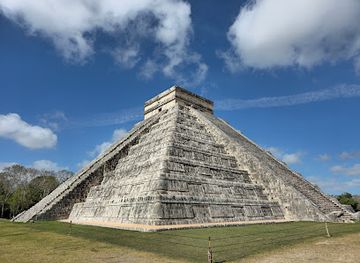
Chichén Itzá
Explore the breathtaking Chichén Itzá, a UNESCO World Heritage site and one of the New Seven Wonders of the World, rich in Maya history and culture.
-
Historical place museum
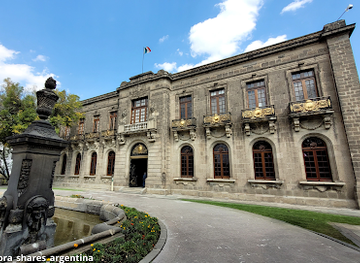
Chapultepec Castle
Explore Chapultepec Castle, a stunning historical landmark in Mexico City, offering rich history, breathtaking views, and beautiful gardens.
-
Monument
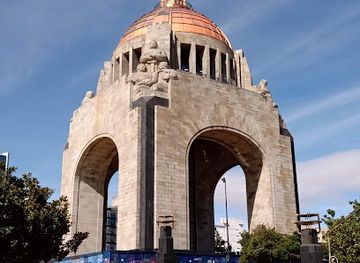
Monument to the Revolution
Experience the grandeur of the Monument to the Revolution, a historical landmark in Mexico City that captures the essence of the nation's spirit and culture.
Explore Southeastern Mexico on the map
Plan your trip on one map. See where the top cities, national parks and sights are, and book hotels and experiences in a few clicks.
Best hotels in Southeastern Mexico
Best restaurants in Southeastern Mexico
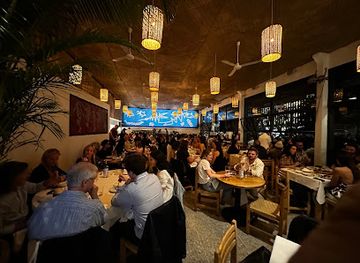
Food in Southeastern Mexico is highly regional rather than uniform. Yucatán is known for cochinita pibil, sopa de lima, papadzules, relleno negro and dishes built around achiote, citrus, maize and slow cooking; Mérida and other towns offer these traditions in markets, family-run eateries and contemporary restaurants. Oaxaca is associated with varied moles, tlayudas, memelas, tamales, chocolate and mezcal, with substantial differences between the central valleys, Mixteca, Isthmus and coast. Tabasco's wet tropical environment supports cacao, plantains, freshwater fish and distinctive pepper-based cooking, while Chiapas contributes coffee, tamales and highland and lowland cuisines. Caribbean and Pacific coastal communities serve fish and seafood, but preparation varies from place to place. Markets are valuable for breakfast, snacks and regional produce, while urban restaurants provide wider choice. Ask about ingredients, chilli and preparation methods, particularly when buying food from informal stalls or ordering dishes with unfamiliar names.
-
Restaurant
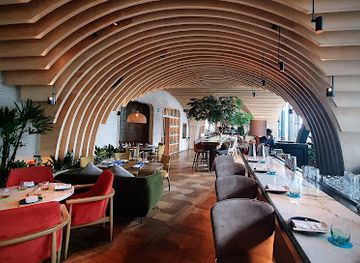
Ling Ling by Hakkasan
Experience exquisite Asian cuisine amidst breathtaking views at Ling Ling by Hakkasan in Mexico City.
-
Mexican
Diana Restaurant
Discover the essence of Mexican cuisine at Diana Restaurant in Mexico City - where tradition meets modernity.
-
Mexican
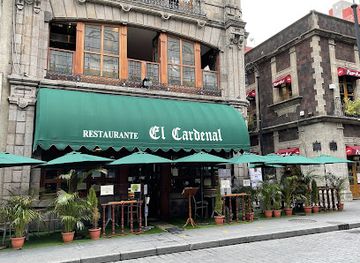
El Cardenal
Experience authentic Mexican cuisine at El Cardenal, where tradition meets flavor in the heart of Mexico City's historic center.
-
Seafood
Contramar
Discover Contramar: A Seafood Haven in Mexico City Offering Fresh Flavors and Vibrant Atmosphere.

Best bars in Southeastern Mexico
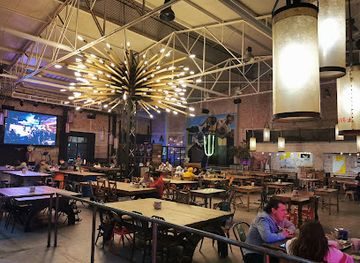
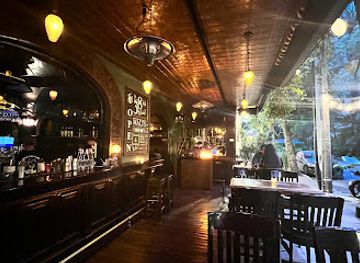
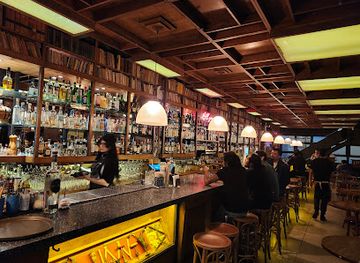
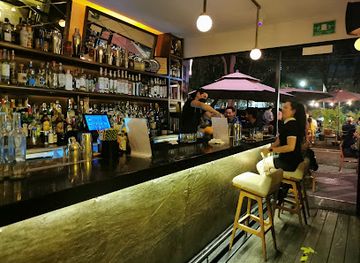
Nightlife is concentrated in larger cities and resort areas, with very different rhythms across the region. Mérida and Oaxaca de Juárez have substantial evening scenes built around traditional cantinas, mezcalerías, cocktail bars, live music, cultural performances and restaurants, while San Cristóbal de las Casas adds cafés, small music venues and bars serving a highland visitor and student population. Cancún, Playa del Carmen, Tulum and other Caribbean centres have the region's largest concentration of clubs, beach venues and late-night entertainment, although the character varies greatly by neighbourhood and season. Campeche and smaller colonial cities are better suited to evening walks, cafés, restaurants and historic cantinas than to large clubs. In rural Chiapas, Tabasco, Oaxaca and the peninsula, nightlife generally centres on family gatherings, local festivals, restaurants and village or town pubs. Check current arrangements locally, use licensed transport after late evenings and do not assume that a resort's nightlife represents the wider region.
-
Bar
Pinche Bar
Experience the vibrant nightlife of Mexico City at Pinche Bar, where lively ambiance meets creative cocktails and unforgettable entertainment.
-
Bar
Wallace Whisky Bar
Discover the exquisite selection of whiskies and vibrant atmosphere at Wallace Whisky Bar in the heart of La Condesa, Mexico City.
-
Bar
Bar Pata Negra
Experience the vibrant nightlife and rich flavors at Bar Pata Negra, where every visit is a delightful journey through Mexico's culinary and cultural landscape.
-
Cocktail bar
Licorería Limantour
Experience the art of mixology at Licorería Limantour, a top cocktail bar in Roma Norte, Mexico City, where drinks are crafted with passion and creativity.
Best nightclubs in Southeastern Mexico
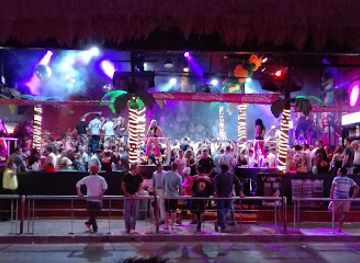
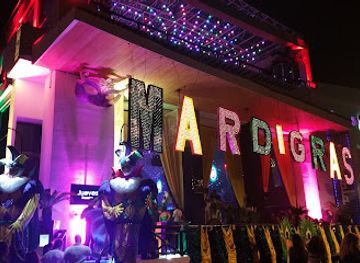
Nightlife is concentrated in larger cities and resort areas, with very different rhythms across the region. Mérida and Oaxaca de Juárez have substantial evening scenes built around traditional cantinas, mezcalerías, cocktail bars, live music, cultural performances and restaurants, while San Cristóbal de las Casas adds cafés, small music venues and bars serving a highland visitor and student population. Cancún, Playa del Carmen, Tulum and other Caribbean centres have the region's largest concentration of clubs, beach venues and late-night entertainment, although the character varies greatly by neighbourhood and season. Campeche and smaller colonial cities are better suited to evening walks, cafés, restaurants and historic cantinas than to large clubs. In rural Chiapas, Tabasco, Oaxaca and the peninsula, nightlife generally centres on family gatherings, local festivals, restaurants and village or town pubs. Check current arrangements locally, use licensed transport after late evenings and do not assume that a resort's nightlife represents the wider region.
-
Night club
Coco Bongo
Immerse yourself in the electrifying atmosphere of Coco Bongo, where unforgettable performances and vibrant nightlife come together in Cancún's premier nightclub.
-
Night club
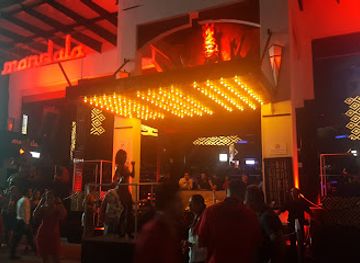
Mandala Puerto Vallarta
Discover the electrifying nightlife of Mandala Puerto Vallarta, where vibrant music, stunning decor, and a diverse crowd create an unforgettable experience.
-
Bar
Mandala Nightclub
Dive into the electrifying nightlife of Cancun at Mandala Nightclub, where vibrant music and a lively crowd create unforgettable experiences.
-
Night club
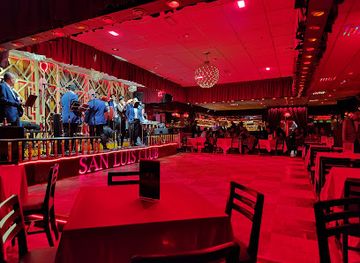
Club San Luis
Discover vibrant nightlife at Club San Luis, a premier night club in Roma Sur, Mexico City, known for its energetic atmosphere and fantastic DJs.
Best shops in Southeastern Mexico
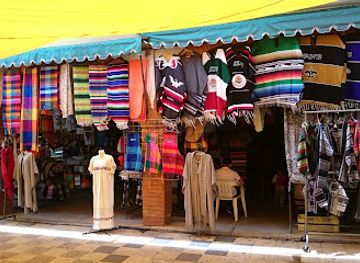
Shopping varies from large urban retail areas and resort malls to market stalls, workshops and community-run craft centres. Mérida is a strong base for textiles, regional design, food products and contemporary crafts, while Oaxaca de Juárez is noted for pottery, woven goods, carved wooden figures, textiles, chocolate and mezcal from across the state. Chiapas is associated with handwoven textiles, amber, pottery and other crafts, though designs and techniques differ between communities and should not be treated as interchangeable souvenirs. Campeche and Yucatán offer regional food products, embroidered garments and items inspired by local architecture and Maya heritage. In Quintana Roo's resort centres, shopping ranges from international brands to tourist-oriented craft markets, with prices and authenticity varying considerably. Look for established cooperatives or workshops where possible, ask about materials and production, and pay fairly for labour. Food markets are often the most portable and useful source of regional gifts, including chocolate, coffee, spices, honey and packaged sauces.
-
Fresh food market
Coyoacan Market
Discover the vibrant Coyoacan Market in Mexico City, a cultural haven bursting with local flavors, fresh produce, and unique artisanal crafts.
-
Shopping mall
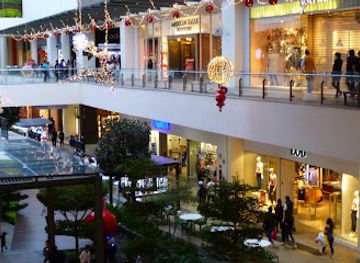
Altacia Mall
Discover Altacia Mall, León's premier shopping destination with a diverse array of stores, dining, and entertainment options for every traveler.
-
Handicraft fair
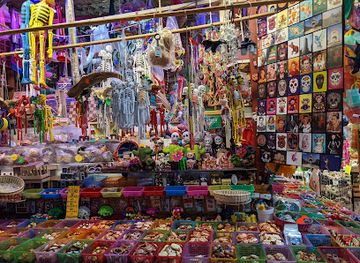
Mercado de Artesanías La Ciudadela
Discover unique Mexican handicrafts at Mercado de Artesanías La Ciudadela, a vibrant market celebrating tradition and artistry in the heart of Mexico City.
-
Clothing wholesale market place
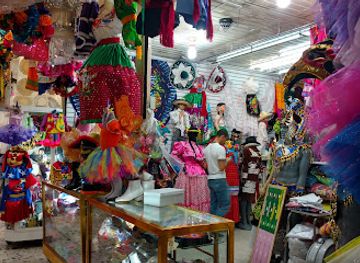
Escomarti Vestidos Comunión Presentación Pages Bautizo Y Accesorios
Discover the vibrant world of fashion at Escomarti, Mexico City's premier wholesale market for communion dresses and accessories.
Get your free copy of our complete guide to Southeastern Mexico, delivered straight to you.
Everything on this page, from attractions and restaurants to essentials and local phrases, in one PDF you can read offline, print or share.
Already have an account? Sign in
Your Southeastern Mexico guide is ready.
We'll send it to · Not you? Sign out

Getting your guide ready…
We are putting together a fresh copy of the Southeastern Mexico guide. This can take up to a minute.
This can take a few moments. If your browser asks, choose Allow so the download can start. You'll find the guide in your Downloads folder.
Nothing happened? Download it again
Sorry, the guide is taking longer than usual. Please try again in a minute, or get it by email instead.
Southeastern Mexico essentials
Currency and Payment
Safety
Emergency Situations
Do's and Don'ts
Local Tips
From Eve
Local phrases worth knowing
You don't need to get them perfect. A few words go a long way, and locals appreciate the effort.
Basics
| English | Local | Say it |
|---|---|---|
| Hello | Hola | [Oh-lah] |
| Goodbye | Adiós | [Ah-dee-ohs] |
| Yes | Sí | [See] |
| No | No | [Noh] |
| Please/You’re welcome | Por favor | [Por fah-vor] |
| Thank you | Gracias | [Grah-syahs] |
| Excuse me/Sorry | Perdón | [Pehr-dohn] |
| How are you? | ¿Cómo estás? | [Koh-moh ehs-tahs] |
| Fine. And you? | Bien. ¿Y tú? | [Byen. Ee too] |
| Do you speak English? | ¿Hablas inglés? | [Ah-blahs een-glays] |
| I don't understand | No entiendo | [Noh ehn-tyen-doh] |
Eating & Drinking
| English | Local | Say it |
|---|---|---|
| I’d like to see the menu, please | Me gustaría ver el menú, por favor | [Meh goos-tah-ree-ah vehr el meh-noo, por fah-vor] |
| I don’t eat meat | No como carne | [Noh koh-moh kar-neh] |
| Cheers! | ¡Salud! | [Sah-lood] |
| I would like to pay, please | Me gustaría pagar, por favor | [Meh goos-tah-ree-ah pah-gahr, por fah-vor] |
Emergencies
| English | Local | Say it |
|---|---|---|
| Help! | ¡Ayuda! | [Ah-yoo-dah] |
| Go away! | ¡Vete! | [Veh-teh] |
| Call the Police! | ¡Llama a la policía! | [Yah-mah ah lah poh-lee-see-ah] |
| Call a doctor! | ¡Llama a un doctor! | [Yah-mah ah oon dok-tor] |
| I’m lost | Estoy perdido | [Es-toy pehr-dee-doh] |
| I’m ill | Estoy enfermo | [Es-toy en-fehr-mo] |
Shopping
| English | Local | Say it |
|---|---|---|
| I’d like to buy... | Me gustaría comprar... | [Meh goos-tah-ree-ah kom-prahr] |
| I’m just looking | Solo estoy mirando | [Soh-loh es-toy mee-rahn-doh] |
| How much is it? | ¿Cuánto cuesta? | [Kwan-toh kwehs-tah] |
| That’s too expensive | Es muy caro | [Es moo-ee kah-roh] |
| Can you lower the price? | ¿Puedes bajar el precio? | [Pweh-des bah-har el preh-sio] |
Time & Numbers
| English | Local | Say it |
|---|---|---|
| What time is it? | ¿Qué hora es? | [Keh oh-rah es] |
| It’s one o’clock | Es la una | [Es lah oo-nah] |
| Half past (10) | Y diez y media | [Ee dyehs ee meh-dee-ah] |
| Morning | Mañana | [Mah-nyah-nah] |
| Afternoon | Tarde | [Tar-deh] |
| Evening | Noche | [Noh-cheh] |
| Yesterday | Ayer | [Ah-yehr] |
| Today | Hoy | [Oy] |
| Tomorrow | Mañana | [Mah-nyah-nah] |
| 1 | Uno | [Oo-noh] |
| 2 | Dos | [Dohs] |
| 3 | Tres | [Trehs] |
| 4 | Cuatro | [Kwah-troh] |
| 5 | Cinco | [Seen-koh] |
| 6 | Seis | [Says] |
| 7 | Siete | [Syeh-teh] |
| 8 | Ocho | [Oh-choh] |
| 9 | Nueve | [Nweh-beh] |
| 10 | Diez | [Dyehs] |
Transport & Directions
| English | Local | Say it |
|---|---|---|
| Where's a/the...? | ¿Dónde está un/lo...? | [Dohn-deh es-tah oon/loh] |
| What's the address? | ¿Cuál es la dirección? | [Kwahl es lah dee-rek-syohn] |
| Can you show me (on the map)? | ¿Puedes mostrarme (en el mapa)? | [Pweh-des mos-trar-meh (en el mah-pah)] |
| When's the next (bus)? | ¿Cuándo sale el próximo (autobús)? | [Kwan-doh sah-leh el prohk-see-mo (ow-toh-boos)] |
| A ticket (to ....) | Un boleto (a ....) | [Oon boh-leh-toh (ah ....)] |
History of Southeastern Mexico
Olmec foundations and early Gulf lowland cultures
The lowlands of present-day Tabasco and parts of southern Veracruz formed the setting for Olmec societies, whose major centres included La Venta in Tabasco. Flourishing during the second millennium and first millennium BC, these communities developed monumental earthworks, carved stone sculpture, long-distance exchange networks and religious traditions that influenced later Mesoamerican cultures. La Venta's colossal heads, altars and ceremonial precinct are among the most important archaeological legacies in southeastern Mexico. The region's rivers, wetlands and fertile soils supported settlement, although tropical conditions mean that much of its ancient history remains known through excavation rather than standing architecture.
Maya cities and the lowland political world
For many centuries, the Yucatán Peninsula, Tabasco lowlands and eastern Chiapas belonged to a connected Maya world of competing city-states, trade routes, agricultural communities and shared writing traditions. Cities such as Calakmul, Palenque, Uxmal, Chichén Itzá, Bonampak and Yaxchilán rose at different times and followed distinct political trajectories. Their inscriptions record rulers, alliances and conflicts, while temples, palaces, ball courts and carved monuments reveal sophisticated knowledge of astronomy, ritual and architecture. The surviving sites are distributed across forests and settlements rather than concentrated in one archaeological park, making geography central to understanding Maya history.
Spanish conquest and colonial reorganisation
Spanish conquest unfolded unevenly across the southeast. The Yucatán Peninsula was incorporated through prolonged campaigns and alliances, while the highlands and lowlands of Chiapas, Oaxaca and Tabasco were reshaped by encomienda, mission activity, disease and colonial administration. Spanish towns were established over or beside earlier settlements, and churches, convents, civic buildings and haciendas altered regional landscapes. Indigenous communities retained languages, agricultural systems and religious practices, often adapting them within colonial institutions. Oaxaca's valley towns, the streets of Campeche and the highland architecture of Chiapas still show the interaction between Spanish urban planning and older local traditions.
Ports, fortifications and Atlantic trade
The Caribbean and Gulf coasts connected southeastern Mexico to wider Atlantic commerce, while also exposing them to piracy and military competition. Campeche became a prominent port for the export of dyewood and other regional products, leading to the construction of walls, bastions and defensive gates in the seventeenth and eighteenth centuries. Coastal trade also linked the peninsula with Cuba, Spain and other parts of New Spain. In the colonial interior, cattle ranches, sugar production, cacao, indigo and agricultural estates developed unevenly. These commercial systems left architectural and social legacies while relying heavily on Indigenous labour and local ecological knowledge.
Independence, regional conflicts and the Caste War
Independence from Spain in the early nineteenth century did not produce a single, stable political order in the southeast. Oaxaca, Chiapas, Tabasco and the Yucatán Peninsula experienced disputes over authority, federalism and regional autonomy. In Yucatán, the Caste War began in 1847 as a prolonged Maya uprising against land dispossession, taxation and political exclusion. Fighting and displacement transformed the peninsula, and Maya communities established enduring centres of resistance in the east. The conflict's consequences remain visible in settlement patterns, church ruins, military works and the continuing cultural and linguistic strength of Maya communities.
Henequen, timber and the nineteenth-century export economy
During the late nineteenth and early twentieth centuries, export industries reshaped parts of the region. Yucatán's henequen plantations supplied fibre for rope and agricultural machinery, creating great fortunes and a distinctive network of haciendas, railways and processing works. In Campeche and the southern peninsula, dyewoods and timber entered international markets, while cacao and coffee became important in Tabasco, Chiapas and Oaxaca. These industries brought rail connections, new commercial elites and urban investment, but they also depended on harsh labour systems and unequal land ownership. Contemporary museums, hacienda landscapes and former railway routes preserve aspects of this transformation.
Revolution, migration and modern tourism
The Mexican Revolution and the reforms that followed weakened older systems of land concentration, though change varied between states and communities. Twentieth-century roads, irrigation, migration and public education connected formerly remote districts with national markets. From the 1970s, large-scale tourism transformed the Caribbean coast, particularly around Cancún and the Riviera Maya, producing airports, resorts and rapid urban growth. At the same time, archaeological conservation, protected areas and community-based tourism gained importance in forests, wetlands and Indigenous regions. Southeastern Mexico now combines major international tourism economies with agriculture, fishing, manufacturing, cultural production and living Indigenous traditions.
Southeastern Mexico in Photos
Browse through our photo collection highlighting the charm and character of the destination.
Neighbouring regions of Southeastern Mexico
The closest regions to Southeastern Mexico, if you have time for more than one.
-

-

-

-

-


Swipe for more regions
Explore more

Explore more of Mexico
Discover Mexico: A land of ancient ruins, vibrant culture, and stunning natural landscapes. Experience diverse cuisine, rich traditions, and warm hospitality.
Explore Mexico