

Hall Islands, Micronesia Travel Guide
Discover the untouched beauty and rich cultural heritage of the Hall Islands in Micronesia, a tranquil paradise surrounded by turquoise waters and vibrant coral reefs.
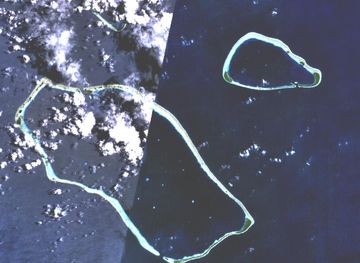
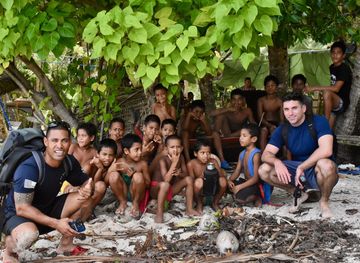
The Hall Islands, located in the Federated States of Micronesia, are a hidden gem in the Pacific Ocean. This pristine archipelago offers an oasis of unspoiled natural beauty, surrounded by crystal-clear turquoise waters and vibrant coral reefs. The islands are a paradise for snorkelers and divers, with an abundance of marine life, including colorful fish and sea turtles. The underwater world here is a spectacular showcase of coral gardens and unique sea creatures. On land, the Hall Islands boast lush tropical landscapes, with dense forests and exotic flora. The islands are dotted with traditional Micronesian villages, where you can experience the local culture and warm hospitality of the islanders. The traditional thatched-roof houses and ancient stone structures provide a glimpse into the rich history and heritage of the region. For those seeking adventure, the Hall Islands offer opportunities for kayaking, hiking, and exploring hidden coves and secluded beaches. The serene and tranquil environment makes it an ideal destination for relaxation and rejuvenation. Whether you are a nature enthusiast, a cultural explorer, or simply looking for a peaceful getaway, the Hall Islands promise an unforgettable experience.

Know before you go
Hi, I'm Eve. Here are a few practical things to know before exploring Hall Islands.
- Pack light, breathable clothing as the climate is warm and humid year-round.
- Bring reef-safe sunscreen to protect both your skin and the delicate marine ecosystem.
- Carry cash, as credit card facilities may be limited on the islands.
- Learn a few basic phrases in the local language to enhance your interaction with the friendly islanders.
- Plan your visit during the dry season, from November to April, for the best weather conditions.

Best bars in Hall Islands
Top-rated picks
Best Bars

Tabu Tiki Bar
Discover tropical cocktails and stunning beachfront views at Tabu Tiki Bar in Tumon, Guam – your ultimate island escape.

Livehouse
Discover the vibrant atmosphere of Livehouse in Tumon, Guam, where cocktails, music, and good company await.

Truk Stop Hotel & Restaurant
Experience the vibrant flavors and warm hospitality of Truk Stop Hotel & Restaurant, a culinary gem in the heart of Chuuk.

7 Stars Inn & Riverside Restaurant
Discover the enchanting 7 Stars Inn & Riverside Restaurant on Pohnpei Island, where comfort meets culinary excellence amidst stunning natural beauty.


Best shops in Hall Islands
Top-rated picks
Best Shops

Guam Premier Outlets
Discover unbeatable shopping deals and local flavors at Guam Premier Outlets, your ultimate destination for retail therapy in paradise.

Micronesia Mall
Discover shopping, dining, and entertainment at Micronesia Mall, Guam's premier shopping destination with local charm.

Agaña Shopping Center
Discover the vibrant shopping and cultural experiences at Agaña Shopping Center in Hagåtña, Guam - a must-visit for every traveler.

Pay-Less Supermarkets
Explore the vibrant offerings of Pay-Less Supermarkets in Guam, where local flavors meet convenience for an unforgettable shopping experience.

Explore Hall Islands on the Map
A handpicked selection of must-see spots in Hall Islands, mapped for you.
Hall Islands Essentials
-
To reach the Hall Islands in Micronesia, you will first need to fly into Pohnpei International Airport (PNI) or Chuuk International Airport (TKK), which are the closest major airports. From either of these airports, you can take a smaller, regional flight to the islands. Additionally, some chartered boats and yachts offer services to the Hall Islands, but schedules can be irregular, so it is advisable to plan in advance.
-
Transportation on the Hall Islands is relatively straightforward. Most areas can be explored on foot due to the small size of the islands. For longer distances, you can hire a local boat or arrange for a private vehicle through your accommodation. Bicycles are also available for rent and can be a fun way to explore the islands.
-
The official currency of the Hall Islands is the United States Dollar (USD). While credit cards are accepted at some hotels and larger establishments, it is advisable to carry cash, especially for smaller shops, local markets, and remote areas. ATMs are scarce, so make sure to withdraw enough cash before arriving.
-
The Hall Islands are generally safe for tourists. However, it is always wise to take standard precautions. Avoid walking alone at night and keep an eye on your belongings, especially in crowded areas. There are no specific high-crime areas targeting tourists, but it's always best to stay vigilant.
-
In case of an emergency, dial the local emergency number, which is 911. It's important to note that medical facilities on the Hall Islands are limited. For serious medical emergencies, evacuation to a larger island or even another country may be necessary. Ensure you have comprehensive travel insurance that covers medical evacuation. There are small clinics on the islands for minor health issues and pharmacies where you can purchase basic medications.
-
Fashion: Do dress modestly, especially when visiting local villages. Avoid wearing overly revealing clothing. Religion: Do respect local customs and traditions. Always ask for permission before taking photographs of religious sites or ceremonies. Public Transport: Do be respectful and courteous to local drivers and other passengers. Don't expect punctuality as schedules can be flexible. Greetings: Do greet people with a friendly 'hello' or 'kia orana' in the local language. A handshake is also appropriate. Eating & Drinking: Do try local dishes and accept food offerings graciously. Don't refuse hospitality, as it is considered impolite.
-
To experience the Hall Islands like a local, visit local markets where you can buy fresh produce and traditional Micronesian crafts. Engage with the locals, who are often friendly and willing to share stories about their culture and history. Don't miss out on traditional events and festivals, which offer a glimpse into the rich cultural heritage of the islands. Additionally, consider joining a guided tour with a local guide to explore hidden gems and learn more about the island's history and natural beauty.
When is the best time to visit Hall Islands?
Useful Local Phrases for Hall Islands
You don't need to speak the language perfectly. Even learning a few simple words can make conversations warmer—and locals usually appreciate the effort.
— Eve

Here are the phrases I use most often in Hall Islands. Try a few—you'll be surprised how far they go! 😊
❤️
-
- HelloMwaramas
[mwa-rah-mas] - GoodbyeMwaramw
[mwa-ram-w] - YesIye
[ee-yeh] - NoAye
[ah-yeh] - Please/You're welcomeNgatou
[ngah-tou] - Thank youKinisou
[kee-nee-sou] - Excuse me/SorrySori
[soh-ree] - How are you?Ngarang?
[ngah-rang] - Fine. And you?Kinisou. Ngatou?
[kee-nee-sou. ngah-tou] - Do you speak English?Iye ngatou mwet?
[ee-yeh ngah-tou mwet] - I don't understandAye ngatou ngangan
[ah-yeh ngah-tou ngan-gan]
- HelloMwaramas
-
- I'd like to see the menu, pleaseNgatou eko menu, ngatou
[ngah-tou eh-ko meh-nu, ngah-tou] - I don't eat meatAye ngatou eat meat
[ah-yeh ngah-tou eet meet] - Cheers!Ngarang!
[ngah-rang] - I would like to pay, pleaseNgatou eko pay, ngatou
[ngah-tou eh-ko pay, ngah-tou]
- I'd like to see the menu, pleaseNgatou eko menu, ngatou
-
- Help!Akkai!
[ah-kai] - Go away!Akkai mwet!
[ah-kai mwet] - Call the Police!Ngarang Police!
[ngah-rang Police] - Call a doctor!Ngarang doctor!
[ngah-rang doctor] - I'm lostNgatou ngangan
[ngah-tou ngan-gan] - I'm illNgatou mwet
[ngah-tou mwet]
- Help!Akkai!
-
- I'd like to buy...Ngatou eko buy...
[ngah-tou eh-ko buy] - I'm just lookingNgatou eko ngangan
[ngah-tou eh-ko ngan-gan] - How much is it?Ngarang mwet?
[ngah-rang mwet] - That's too expensiveIye mwet expensive
[ee-yeh mwet eks-pen-siv] - Can you lower the price?Iye ngatou lower price?
[ee-yeh ngah-tou loh-er price]
- I'd like to buy...Ngatou eko buy...
-
- What time is it?Ngarang mwet?
[ngah-rang mwet] - It's one o'clockIye mwet one
[ee-yeh mwet one] - Half past (10)Half past (10)
[Half past (10)] - MorningMani
[mah-nee] - AfternoonNgeti
[nge-tee] - EveningMwaran
[mwa-rah-n] - YesterdayMwaram
[mwa-rah-m] - TodayNgarang
[ngah-rang] - TomorrowNgeti mwet
[nge-tee mwet] - 1Tahi
[tah-hee] - 2Rua
[roo-ah] - 3Tolu
[toh-loo] - 4Fā
[fah] - 5Lima
[lee-mah] - 6Ono
[oh-noh] - 7Hitu
[hee-too] - 8Walu
[wah-loo] - 9Siyā
[see-yah] - 10Sā
[sah]
- What time is it?Ngarang mwet?
-
- Where's a/the...?Ngarang a/the...?
[ngah-rang ah/the] - What's the address?Ngarang address?
[ngah-rang address] - Can you show me (on the map)?Iye ngatou show (on the map)?
[ee-yeh ngah-tou show (on the map)] - When's the next (bus)?Ngarang next (bus)?
[ngah-rang next (bus)] - A ticket (to ....)A ticket (to ....)
[A ticket (to ....)]
- Where's a/the...?Ngarang a/the...?
History of Hall Islands
-
The Hall Islands, known locally as Pafeng, have been inhabited for over a thousand years by the Micronesian people. These early settlers brought with them rich traditions, navigational skills, and a deep connection to the ocean that continues to define the culture of the islands. The indigenous people of the Hall Islands are known for their intricate weaving, traditional dance, and oral storytelling that passes down the history and legends of their ancestors.
-
The Hall Islands were first documented by Europeans in 1824 when the British explorer Captain William Hall sighted them. His arrival marked the beginning of European interest in the region. The islands were mapped and named after Hall, although the indigenous names and cultural practices remained resilient against external influences.
-
In the late 19th century, the Hall Islands, like much of Micronesia, came under German control. The Germans aimed to exploit the islands' natural resources and established copra plantations. This period saw significant changes in the local economy and introduced new administrative structures. However, the impact on the local culture was limited due to the remote nature of the islands.
-
During World War I, the Japanese took control of the Hall Islands from the Germans. The Japanese administration focused on further developing the copra industry and also introduced fishing as a commercial activity. The islands became part of the Japanese South Seas Mandate after the war, and Japanese influence is still evident in some aspects of local infrastructure and older generations who can speak Japanese.
-
World War II brought significant turmoil to the Hall Islands as they became strategically important. The islands were fortified by Japanese forces, and several skirmishes occurred in the surrounding waters. Relics from the war, including sunken ships and abandoned military structures, can still be found on and around the islands, serving as somber reminders of this turbulent period.
-
After World War II, the Hall Islands became part of the Trust Territory of the Pacific Islands, administered by the United States under a United Nations mandate. This period saw increased American influence, including the introduction of new educational and healthcare systems. The islands began to develop more modern infrastructure while maintaining their traditional cultural practices.
-
In 1986, Micronesia, including the Hall Islands, achieved independence through the Compact of Free Association with the United States. This agreement provided economic assistance and defense guarantees while granting Micronesia full sovereignty. Today, the Hall Islands continue to balance modernity with tradition, preserving their rich cultural heritage while engaging with the global community.
-
The Hall Islands are known for their vibrant cultural festivals, which include traditional dances, music, and feasts. These events are not only a celebration of the islands' history but also a critical way to pass on cultural knowledge to younger generations. Visitors can experience these festivals and gain a deeper understanding of the local way of life and the enduring legacy of the islands' ancestors.
Neighbouring Regions of Hall Islands
The closest regions to Hall Islands, if you have time for more than one.




Your all‑in‑one travel companion app
Explore expert travel guides, compare and book tours, experiences, hotels, and more—all from the palm of your hand. Download now for seamless trip planning wherever your wanderlust takes you.


Explore More of Micronesia

Looking beyond Hall Islands? Discover Micronesia for broader travel guides, local hot-spots, and regional highlights.
Explore MicronesiaHall Islands in Photos
Browse through our photo collection highlighting the charm and character of the destination.


Enchanting Hall Islands of Micronesia
The Hall Islands, located in the Federated States of Micronesia, are a hidden gem in the Pacific Ocean. This pristine archipelago offers an oasis of unspoiled natural beauty, surrounded by crystal-clear turquoise waters and vibrant coral reefs. The islands are a paradise for snorkelers and divers, with an abundance of marine life, including colorful fish and sea turtles. The underwater world here is a spectacular showcase of coral gardens and unique sea creatures. On land, the Hall Islands boast lush tropical landscapes, with dense forests and exotic flora. The islands are dotted with traditional Micronesian villages, where you can experience the local culture and warm hospitality of the islanders. The traditional thatched-roof houses and ancient stone structures provide a glimpse into the rich history and heritage of the region. For those seeking adventure, the Hall Islands offer opportunities for kayaking, hiking, and exploring hidden coves and secluded beaches. The serene and tranquil environment makes it an ideal destination for relaxation and rejuvenation. Whether you are a nature enthusiast, a cultural explorer, or simply looking for a peaceful getaway, the Hall Islands promise an unforgettable experience.