

Free Nomoi Islands Travel Guide & Mobile App
Explore Nomoi Islands with free travel guides. Discover regional history, expert tips, proposed trips, and audio guides on web or mobile app.


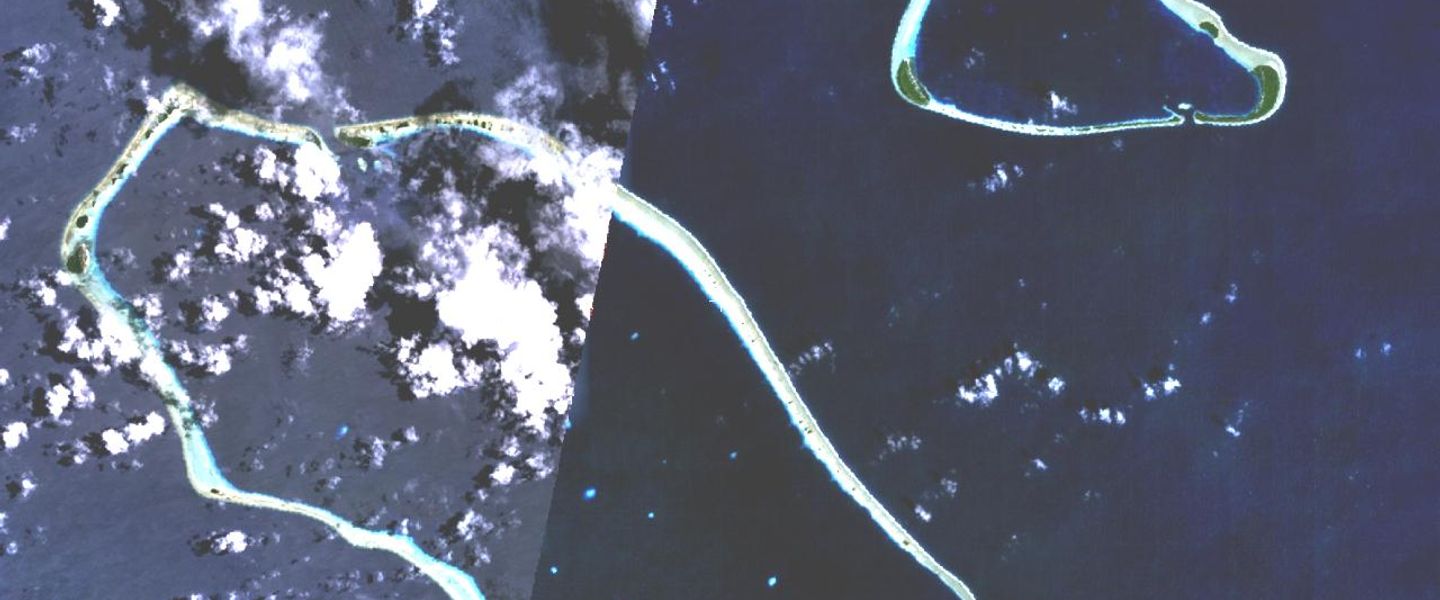
Explore the remote Nomoi Islands of Micronesia for coral atolls, traditional seafaring, lagoon life and community-led Pacific adventures.
Read more about Nomoi Islands
When is the best time to visit Nomoi Islands?
Best: February, November–December · 30–31°C| Month | High (°C) | Rainfall (mm) |
|---|---|---|
| January | 30 | 250 |
| February (best) | 31 | 200 |
| March | 31 | 230 |
| April | 32 | 250 |
| May | 32 | 270 |
| June | 31 | 290 |
| July | 31 | 310 |
| August | 31 | 300 |
| September | 31 | 280 |
| October | 31 | 260 |
| November (best) | 30 | 240 |
| December (best) | 30 | 220 |
Getting to and around Nomoi Islands
How to get there
Transportation
Best attractions in Nomoi Islands
The Nomoi Islands offer a small-scale, nature- and culture-led range of experiences rather than a conventional catalogue of developed attractions. Coral lagoons, reef edges, coconut-lined shores and uninhabited islets are the principal scenery, best explored with local boat operators who understand passages, tides and safe landing places. Snorkelling, fishing, swimming in sheltered water and lagoon excursions may be possible, but equipment and supervision must be arranged in advance. Island walks reveal churches, family compounds, breadfruit and coconut groves, canoe houses, gardens and everyday community life. Local guides can provide context for traditional navigation, fishing practices and the history of particular settlements. The islands' greatest attraction is the contrast between narrow, inhabited strips of coral land and the wide Pacific beyond the reef. Visitors should not expect formal museums, large visitor centres, marked trails or a substantial choice of organised excursions. War history, oral traditions and local craft knowledge are better encountered through respectful conversations and community introductions than through institutional displays. Accessible experiences vary considerably between islands, and some areas may be closed or unsuitable because of weather, customary rules or conservation concerns.
-
 Tourist attraction
South Park (Meseniang)
Discover the breathtaking beauty of South Park in Chuuk, where lush landscapes meet rich culture for an unforgettable island experience.
Explore Nomoi Islands on the map
Plan your trip on one map. See where the top cities, national parks and sights are, and book hotels and experiences in a few clicks.
Best hotels in Nomoi Islands
Best bars in Nomoi Islands
The Nomoi Islands do not have a conventional bar or nightclub scene. Evenings centre on family gatherings, community conversations, church-related activities, informal socialising and quiet time after the heat of the day. A small local shop or guest arrangement may provide drinks, but opening patterns and supplies are not dependable, and alcohol should never be assumed to be available or appropriate in every community. Nightlife is shaped by darkness, limited electricity, weather and the need to conserve resources rather than by entertainment districts. Visitors may be invited to local events or shared meals, but should follow the host's lead and respect religious observance, household privacy and community rules. Bring suitable reading, photography or stargazing equipment if desired, while taking care not to disturb villages with bright lights or noise. The appeal of a Nomoi evening lies in conversation, sea air and an exceptionally dark sky, not late-night commercial entertainment.
-
Shopping mall
Micronesia Mall
Explore Micronesia Mall, Guam's vibrant shopping destination, featuring local culture, diverse dining, and a lively atmosphere for tourists.
-
Movie theater
MM Theatres Guam
Discover the ultimate movie-going experience at MM Theatres Guam, where blockbuster hits meet island vibes in a state-of-the-art setting.
-
Historical landmark
Nan Madol
Explore Nan Madol: The Ancient Ruins of Pohnpei, a UNESCO World Heritage site steeped in history and surrounded by natural beauty.
-
Bar
Manta Ray Bay Resort & Yap Divers
Experience luxury and adventure at Manta Ray Bay Resort & Yap Divers, your perfect getaway in the heart of Yap's stunning landscape.


Best nightclubs in Nomoi Islands
The Nomoi Islands do not have a conventional bar or nightclub scene. Evenings centre on family gatherings, community conversations, church-related activities, informal socialising and quiet time after the heat of the day. A small local shop or guest arrangement may provide drinks, but opening patterns and supplies are not dependable, and alcohol should never be assumed to be available or appropriate in every community. Nightlife is shaped by darkness, limited electricity, weather and the need to conserve resources rather than by entertainment districts. Visitors may be invited to local events or shared meals, but should follow the host's lead and respect religious observance, household privacy and community rules. Bring suitable reading, photography or stargazing equipment if desired, while taking care not to disturb villages with bright lights or noise. The appeal of a Nomoi evening lies in conversation, sea air and an exceptionally dark sky, not late-night commercial entertainment.
-
Night club
Club Flamingo
Dive into the vibrant nightlife of Pohnpei at Club Flamingo, where local culture meets electrifying beats in a welcoming atmosphere.
Best shops in Nomoi Islands
Shopping in the Nomoi Islands is limited and practical. Small village shops may carry rice, tinned food, drinks, toiletries, batteries and other essentials, but supplies are irregular and prices reflect the cost of transporting goods across the Pacific. Travellers should buy specialist equipment, medicines, snacks and reliable power banks before leaving Weno or their international gateway. The most meaningful purchases are locally made items acquired directly and respectfully from residents, such as woven articles, shell work or small handicrafts where these are genuinely offered for sale. Do not remove shells, coral, archaeological material or other natural objects from beaches and reefs. There are no established luxury shopping districts or large retail centres on the atolls, and availability can change with weather and cargo deliveries. If purchasing a craft, ask about its material, maker and appropriate price rather than bargaining aggressively. Cash in United States dollars is essential, as electronic payment should not be expected.
-
Shopping mall
Micronesia Mall
Explore Micronesia Mall in Guam: A vibrant shopping center with diverse stores, dining options, and cultural experiences for every traveler.
-
Supermarket
Pay-Less Supermarkets
Explore Guam's flavors and essentials at Pay-Less Supermarkets, your go-to destination for quality groceries and local products.
-
Historical landmark
Nan Madol
Explore the captivating ruins of Nan Madol, a UNESCO World Heritage Site, where ancient history meets stunning tropical beauty in Pohnpei.
-
Shoe store
House of Hoops by Foot Locker
Discover the ultimate sneaker destination at House of Hoops by Foot Locker in Guam, where style meets performance in every step.


Get your free copy of our complete guide to Nomoi Islands, delivered straight to you.
Everything on this page, from attractions and restaurants to essentials and local phrases, in one PDF you can read offline, print or share.
Already have an account? Sign in
Your Nomoi Islands guide is ready.
We'll send it to · Not you? Sign out

Getting your guide ready…
We are putting together a fresh copy of the Nomoi Islands guide. This can take up to a minute.
This can take a few moments. If your browser asks, choose Allow so the download can start. You'll find the guide in your Downloads folder.
Nothing happened? Download it again
Sorry, the guide is taking longer than usual. Please try again in a minute, or get it by email instead.
Nomoi Islands essentials
Currency and Payment
Safety
Emergency Situations
Do's and Don'ts
Local Tips
From Eve
Local phrases worth knowing
You don't need to get them perfect. A few words go a long way, and locals appreciate the effort.
Basics
| English | Local | Say it |
|---|---|---|
| Hello | Mwā | [Mwā] |
| Goodbye | Chā | [Chā] |
| Yes | Iye | [Ee-ye] |
| No | Eme | [Eh-me] |
| Please/You're welcome | Kōkū | [Koh-koh] |
| Thank you | Kamsā | [Kahm-sah] |
| Excuse me/Sorry | Pūnān | [Poo-nahn] |
| How are you? | Ngāi kāta? | [Ngah-ee kah-tah] |
| Fine. And you? | Ngāi mwā. Iye kāta? | [Ngah-ee mwah. Ee-ye kah-tah] |
| Do you speak English? | Nāi me nā pānō? | [Nigh meh nah pah-noh] |
| I don't understand | Ngāi kāta mō | [Ngah-ee kah-tah moh] |
Eating & Drinking
| English | Local | Say it |
|---|---|---|
| I'd like to see the menu, please | Ngāi kāta mwā menu, kōkū | [Ngah-ee kah-tah mwah meh-noo, koh-koh] |
| I don't eat meat | Ngāi kāta mō rōtō | [Ngah-ee kah-tah moh roh-toh] |
| Cheers! | Tōs! | [Toss] |
| I would like to pay, please | Ngāi kāta mwā kākū, kōkū | [Ngah-ee kah-tah mwah kah-koo, koh-koh] |
Emergencies
| English | Local | Say it |
|---|---|---|
| Help! | Kāna! | [Kah-nah] |
| Go away! | Tōnān! | [Toh-nahn] |
| Call the Police! | Kāna pālīsa! | [Kah-nah pah-lee-sah] |
| Call a doctor! | Kāna dākta! | [Kah-nah dahk-tah] |
| I'm lost | Ngāi kāta mwā nān | [Ngah-ee kah-tah mwah nahn] |
| I'm ill | Ngāi kāta mwā tēn | [Ngah-ee kah-tah mwah ten] |
Shopping
| English | Local | Say it |
|---|---|---|
| I'd like to buy... | Ngāi kāta mwā bā... | [Ngah-ee kah-tah mwah bah] |
| I'm just looking | Ngāi mwā nāi | [Ngah-ee mwah nai] |
| How much is it? | Ngāi kāta māi? | [Ngah-ee kah-tah my] |
| That's too expensive | Ngāi kāta māi mwā | [Ngah-ee kah-tah my mwah] |
| Can you lower the price? | Eme nāi mwā bā? | [Eh-me nai mwah bah] |
Time & Numbers
| English | Local | Say it |
|---|---|---|
| What time is it? | Ngāi kāta nēi tā? | [Ngah-ee kah-tah nay tah] |
| It's one o'clock | Nēi tā mwā chā | [Nay tah mwah chah] |
| Half past (10) | Nēi tā mwā chā mwā chā | [Nay tah mwah chah mwah chah] |
| Morning | Mūn | [Moon] |
| Afternoon | Pūnān | [Poo-nahn] |
| Evening | Tēnān | [Ten-ahn] |
| Yesterday | Mūn tān | [Moon tahn] |
| Today | Nēi tān | [Nay tahn] |
| Tomorrow | Nēi tān mwā | [Nay tahn mwah] |
| 1 | Tā | [Tah] |
| 2 | Tū | [Too] |
| 3 | Tāi | [Tie] |
| 4 | Fā | [Fah] |
| 5 | Lō | [Lo] |
| 6 | Nā | [Nah] |
| 7 | Nēi | [Nay] |
| 8 | Tō | [Toe] |
| 9 | Nāi | [Nigh] |
| 10 | Tāo | [Tao] |
Transport & Directions
| English | Local | Say it |
|---|---|---|
| Where's a/the...? | Nān tā...? | [Nah-n tah] |
| What's the address? | Ngāi kāta mwā te āre? | [Ngah-ee kah-tah mwah teh ah-reh] |
| Can you show me (on the map)? | Eme nāi mwā nāi (kāto)? | [Eh-me nai mwah nai kah-toe] |
| When's the next (bus)? | Nān tā mwā (bās)? | [Nah-n tah mwah bahs] |
| A ticket (to ....) | Tīket (mwā...)? | [Tee-ket mwah] |
History of Nomoi Islands
Austronesian settlement and ocean navigation
The Nomoi Islands were settled by Austronesian-speaking seafarers as part of the wider peopling of Micronesia. Their low atolls required precise knowledge of currents, reefs, winds, birds and stars, and communities developed sophisticated ways of moving between islands by canoe. Archaeological evidence across the central Pacific supports a long history of settlement and exchange, although the surviving record is uneven on individual Nomoi atolls. The region's cultural heritage is therefore inseparable from maritime skill and the management of fragile reef environments.
Atoll communities and traditional authority
For centuries, island societies were organised through extended families, chiefly relationships, land and lagoon rights, and reciprocal obligations. Atoll communities depended on breadfruit, coconut, pandanus, fishing and inter-island exchange, with local distinctions developing between separate islands and reef groups. Traditional authority was not identical everywhere, but social life commonly emphasised lineage, communal work and customary access to resources. Many present-day relationships between families, villages and neighbouring islands reflect these older systems even after colonial administrations introduced new political structures.
Spanish and German colonial influence
European contact brought the Nomoi Islands into a changing regional world of missionaries, traders and imperial claims. Spain asserted authority over the Caroline Islands during the nineteenth century, while Catholic and Protestant missions altered religious and educational life. Following Spain's sale of the Caroline Islands to Germany in 1899, German administration introduced new commercial and governmental arrangements. Colonial rule remained distant on many atolls, but its effects were felt through taxation, mission activity, trade networks and the incorporation of island communities into wider imperial systems.
Japanese administration and the Pacific War
Japan took control of the Caroline Islands after the First World War under a League of Nations mandate and later administered them as part of its Pacific empire. Japanese influence expanded commerce, schooling and administrative links, while also placing the islands within wartime military planning. During the Second World War, the Mortlocks and surrounding waters were affected by military movements, shortages and disrupted shipping, although they were not comparable to the heavily fortified bases elsewhere in Chuuk Lagoon. War remnants and memories form part of the region's twentieth-century history.
Trust Territory and the road to self-government
After the Second World War, the islands became part of the United Nations Trust Territory of the Pacific Islands, administered by the United States. This period brought new schools, health services, transport connections and administrative institutions, but also encouraged migration and dependence on external supplies. The islands later became part of the Federated States of Micronesia, which entered free association with the United States in 1986. Chuuk State now governs the Nomoi Islands within the federation, while local communities retain important customary and family-based roles.
Contemporary life in a remote maritime region
Modern Nomoi life combines Christianity, formal state administration, wage migration, imported goods and continued reliance on reefs, lagoons and family networks. Outer-island communities face high transport costs, limited medical and commercial services, storm exposure and the effects of climate change, including pressure on freshwater and coastal environments. At the same time, language, kinship, canoe traditions and local ecological knowledge remain significant sources of identity. Contemporary visitors encounter a living society rather than a preserved museum landscape, and access depends heavily on community relationships.
Nomoi Islands in Photos
Browse through our photo collection highlighting the charm and character of the destination.
Neighbouring regions of Nomoi Islands
The closest regions to Nomoi Islands, if you have time for more than one.
-

-

-

-

-


Swipe for more regions
Explore more

Explore more of Micronesia
Discover Micronesia: A Pacific paradise with vibrant coral reefs, rich cultural heritage, and breathtaking landscapes.
Explore Micronesia