

Lamotrek Atoll, Micronesia Travel Guide
Discover Lamotrek Atoll in Micronesia: A secluded paradise with pristine beaches, rich culture, and vibrant marine life. Perfect for nature lovers and cultural explorers.
Lamotrek Atoll, nestled in the vast expanse of Micronesia, is a paradise waiting to be discovered. This remote atoll is part of the Yap State and is renowned for its pristine beaches, crystal-clear waters, and vibrant marine life. The atoll is a perfect escape for those seeking tranquility and a deep connection with nature. The local culture is rich and deeply rooted in tradition. Visitors can experience the unique way of life of the Lamotrek people, who are known for their seafaring skills and traditional navigation methods. The atoll's small population ensures an intimate and authentic cultural experience, making it a captivating destination for culturally curious travelers. Diving enthusiasts will find Lamotrek's underwater world mesmerizing. The coral reefs are teeming with colorful fish, and the waters are often frequented by manta rays and sea turtles. Whether you are snorkeling or scuba diving, the marine biodiversity here will leave you in awe. For those who prefer to stay above water, kayaking around the atoll offers stunning views and a peaceful way to explore the area. Visitors should note that Lamotrek is quite remote, and accommodations are basic but comfortable. This adds to the charm of the destination, allowing travelers to disconnect from the hustle and bustle of modern life and fully immerse themselves in the natural beauty and serene environment of the atoll.

Know before you go
Hi, I'm Eve. Here are a few practical things to know before exploring Lamotrek Atoll.
- Pack essentials as amenities are limited on the atoll.
- Respect local customs and traditions; ask permission before taking photos of people.
- Bring your own snorkeling or diving gear for the best experience.
- Prepare for limited internet and phone connectivity; enjoy the digital detox.
- Visit between November and May for the best weather conditions.


Best bars in Lamotrek Atoll
Top-rated picks
Best Bars
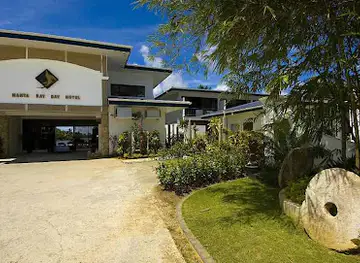
Manta Ray Bay Resort & Yap Divers
Discover the enchanting Manta Ray Bay Resort & Yap Divers, where adventure and relaxation meet in the heart of Yap's breathtaking marine paradise.

Truk Stop Hotel & Restaurant
Experience the authentic flavors of Chuuk at Truk Stop Hotel & Restaurant, a culinary haven perfect for every traveler.

Livehouse
Experience the vibrant nightlife at Livehouse in Tumon, Guam, where live music and great drinks create unforgettable moments.

7 Stars Inn & Riverside Restaurant
Discover the perfect blend of comfort and local cuisine at 7 Stars Inn & Riverside Restaurant on Pohnpei Island.

Best shops in Lamotrek Atoll
Top-rated picks
Best Shops

Micronesia Mall
Explore the vibrant shopping scene of Micronesia Mall in Guam, where global brands meet local treasures for an unforgettable retail experience.

Nan Madol
Explore the ancient wonders of Nan Madol, a mystical archaeological site in Pohnpei, showcasing the breathtaking legacy of a lost civilization.

Truk Stop Hotel & Restaurant
Discover the flavors of the Pacific at Truk Stop Hotel & Restaurant, the perfect blend of local cuisine and island hospitality in Chuuk.
Kosrae Nautilus Resort
Experience the serene beauty of Kosrae at Kosrae Nautilus Resort, your perfect getaway for relaxation and adventure in paradise.

Explore Lamotrek Atoll on the Map
A handpicked selection of must-see spots in Lamotrek Atoll, mapped for you.
Lamotrek Atoll Essentials
-
Lamotrek Atoll is situated in the Federated States of Micronesia. The nearest international airport is Chuuk International Airport (TKK) on Chuuk Atoll. From Chuuk, you can take a domestic flight to Yap International Airport (YAP). From Yap, you will need to arrange for a boat transfer to Lamotrek Atoll, which is about 600 kilometers away. It is advisable to coordinate these transfers well in advance as schedules can be irregular.
-
Transportation within Lamotrek Atoll is limited. The primary mode of transport is by boat, as the atoll is small and consists of several islets. Walking is the most common way to get around the individual islets. There are no car rentals or public transportation services available, so plan to be on foot or arrange for boat transfers if you need to move between islets.
-
The official currency in Lamotrek Atoll is the US Dollar (USD). There are no ATMs or banks on the atoll, so it is crucial to carry sufficient cash with you. Credit and debit cards are not accepted, and there are limited places to exchange currency once you arrive. Make sure to handle all your financial needs before departing from Yap.
-
Lamotrek Atoll is generally very safe for tourists. There are no high-crime areas targeting tourists. However, as with any travel destination, it is advisable to take basic precautions. Keep an eye on your belongings and avoid isolated areas at night. The local community is friendly and welcoming, which adds to the overall safety of the atoll.
-
In case of emergency, contact local authorities or your accommodation provider for immediate assistance. There are no hospitals on Lamotrek Atoll, but there are basic medical facilities for minor health issues. For serious medical emergencies, evacuation to Yap or Chuuk may be necessary. It is highly recommended to have comprehensive travel insurance that includes medical evacuation coverage.
-
Fashion: Do dress modestly, as the local culture is conservative. Avoid revealing clothing. Religion: Do respect local customs and traditions. Remove your shoes before entering communal spaces or homes. Public Transport: There is no public transport; travel by boat or on foot. Greetings: Do greet people with a friendly wave or a nod. Formal handshakes are not common. Eating & Drinking: Do try local dishes and accept food offerings graciously. Don't waste food, as resources are limited.
-
To experience Lamotrek Atoll like a local, engage with the community and participate in traditional activities such as weaving and fishing. Attend local festivals if your visit coincides with one. Respect the environment by minimizing waste and following local guidelines for waste disposal. Try to learn a few words of the local language, Lamotrekese, as it will be appreciated by the residents.
When is the best time to visit Lamotrek Atoll?
History of Lamotrek Atoll
-
Lamotrek Atoll has a rich history deeply rooted in seafaring. The islanders are renowned for their navigational skills, which have been passed down through generations. Using traditional techniques such as star navigation, wave patterns, and bird flight paths, the people of Lamotrek have been able to traverse vast distances across the Pacific Ocean. This ancient knowledge is still practiced today and forms a crucial part of the island’s cultural heritage.
-
In the late 19th and early 20th centuries, Lamotrek Atoll, like many other islands in Micronesia, experienced colonial influences. Initially, the Spanish claimed the island, but it was later sold to Germany in 1899. The German period was brief, as Japan took control of the island during World War I. These colonial periods brought changes in administration and some cultural influences, although the core traditions of the Lamotrek people remained resilient.
-
During World War II, Lamotrek Atoll found itself under Japanese occupation. The island became a strategic location for the Japanese military, although it was not a major battleground. The legacy of this period is still visible in some of the remnants of military installations and bunkers found scattered across the atoll. The war also brought significant challenges to the local population, including disruptions to their way of life and resources.
-
After the end of World War II, Lamotrek Atoll, along with the rest of the Caroline Islands, became part of the Trust Territory of the Pacific Islands under United States administration. This period saw the introduction of new educational opportunities and infrastructural developments. The influence of American governance brought certain modernizations while also posing challenges to traditional ways of life.
-
In recent decades, there has been a strong movement towards cultural revival and preservation on Lamotrek Atoll. The community has made concerted efforts to maintain and promote traditional practices, such as canoe building, navigation, and weaving. These cultural practices are not only a source of pride but also a crucial link to the island's historical identity. Workshops, festivals, and educational programs are regularly held to ensure that the younger generation continues to learn and uphold these traditions.
Neighbouring Regions of Lamotrek Atoll
The closest regions to Lamotrek Atoll, if you have time for more than one.





Your all‑in‑one travel companion app
Explore expert travel guides, compare and book tours, experiences, hotels, and more—all from the palm of your hand. Download now for seamless trip planning wherever your wanderlust takes you.


Explore More of Micronesia

Looking beyond Lamotrek Atoll? Discover Micronesia for broader travel guides, local hot-spots, and regional highlights.
Explore MicronesiaLamotrek Atoll in Photos
Browse through our photo collection highlighting the charm and character of the destination.

Lamotrek Atoll: A Hidden Gem in the Pacific
Lamotrek Atoll, nestled in the vast expanse of Micronesia, is a paradise waiting to be discovered. This remote atoll is part of the Yap State and is renowned for its pristine beaches, crystal-clear waters, and vibrant marine life. The atoll is a perfect escape for those seeking tranquility and a deep connection with nature. The local culture is rich and deeply rooted in tradition. Visitors can experience the unique way of life of the Lamotrek people, who are known for their seafaring skills and traditional navigation methods. The atoll's small population ensures an intimate and authentic cultural experience, making it a captivating destination for culturally curious travelers. Diving enthusiasts will find Lamotrek's underwater world mesmerizing. The coral reefs are teeming with colorful fish, and the waters are often frequented by manta rays and sea turtles. Whether you are snorkeling or scuba diving, the marine biodiversity here will leave you in awe. For those who prefer to stay above water, kayaking around the atoll offers stunning views and a peaceful way to explore the area. Visitors should note that Lamotrek is quite remote, and accommodations are basic but comfortable. This adds to the charm of the destination, allowing travelers to disconnect from the hustle and bustle of modern life and fully immerse themselves in the natural beauty and serene environment of the atoll.