

Woleai Atoll, Micronesia Travel Guide
Discover Woleai Atoll in Micronesia: A serene paradise with pristine waters, rich culture, and WWII history waiting to be explored.
Woleai Atoll is a hidden paradise in the heart of Micronesia. Surrounded by crystal clear waters and vibrant coral reefs, this atoll is a haven for divers and snorkelers. The underwater world here is teeming with colorful fish, making it a perfect spot for marine life enthusiasts. On land, Woleai offers a glimpse into traditional Micronesian culture. The locals are warm and welcoming, often inviting visitors to experience their customs and way of life. From traditional dances to local handicrafts, there's much to explore and learn. The atoll is also rich in World War II history. Scattered around the islands are remnants of the war, including aircraft wrecks and bunkers, providing a unique historical backdrop to your visit. Woleai Atoll is a place where nature, culture, and history converge, creating an unforgettable experience for any traveler.

Know before you go
Hi, I'm Eve. Here are a few practical things to know before exploring Woleai Atoll.
- Bring snorkeling gear to explore the vibrant coral reefs and marine life.
- Respect local customs and traditions when interacting with the community.
- Visit historical WWII sites for a unique blend of history and adventure.
- Carry cash as there are limited banking facilities on the atoll.
- Pack light, breathable clothing suitable for a tropical climate.
Explore Woleai Atoll: Things to Do, Places to Eat, Hotels & More
Handpicked recommendations for top attractions, local dining, accommodations, and more

Top Attractions & Sightseeing in Woleai Atoll
Top-rated picks
Best Attractions

Nan Madol
Explore Nan Madol, a UNESCO World Heritage site in Pohnpei, featuring ancient ruins and a rich cultural heritage that enchants every visitor.

Kepirohi Waterfall
Explore the breathtaking Kepirohi Waterfall, a scenic gem in Pohnpei ideal for hiking, swimming, and immersing yourself in nature's beauty.

Lelu Ruins Historic Park
Discover the ancient wonders of Lelu Ruins Historic Park, a captivating historical site in Kosrae, where nature meets rich cultural heritage.

Sokehs Rock
Explore the breathtaking views and rich culture of Sokehs Rock, an iconic natural wonder in Pohnpei, perfect for nature lovers and adventurers.

Best landmarks in Woleai Atoll
Top-rated picks
Best Landmarks

Nan Madol
Explore the enchanting ruins of Nan Madol, an ancient archaeological site in Pohnpei that reveals the rich history and culture of Micronesia.

Kepirohi Waterfall
Explore the enchanting Kepirohi Waterfall in Pohnpei, a stunning natural attraction perfect for hiking, swimming, and immersing in tropical beauty.

Lelu Ruins Historic Park
Uncover the ancient history and breathtaking beauty of Lelu Ruins Historic Park in Kosrae, a historical gem in the heart of the Pacific.

Japanese WWII Anti-Aircraft Guns
Discover the historical significance of the Japanese WWII Anti-Aircraft Guns, a serene blend of history, nature, and reflection in Pohnpei.

Best restaurants in Woleai Atoll
Top-rated picks
Best Restaurants

Nan Madol
Explore Nan Madol: A breathtaking archaeological site where ancient ruins meet lush tropical beauty in Pohnpei.

Manta Ray Bay Resort & Yap Divers
Experience tropical luxury at Manta Ray Bay Resort & Yap Divers – your gateway to adventure and relaxation in Micronesia's stunning landscapes.
Cliff Hotel & Restaurant
Discover comfort and delectable dining at Cliff Hotel & Restaurant in Kolonia, Pohnpei—where relaxation meets local flavor.
Joy Hotel & Restaurant
Discover comfort and culinary excellence at Joy Hotel & Restaurant in Kolonia, where authentic Japanese flavors meet island hospitality.

Best bars in Woleai Atoll
Top-rated picks
Best Bars

Micronesia Mall
Explore the vibrant Micronesia Mall in Guam for a unique shopping experience filled with local flavors, international brands, and entertainment.

MM Theatres Guam
Discover the ultimate movie experience at MM Theatres Guam, where blockbuster films meet a welcoming atmosphere.

Nan Madol
Explore the ancient ruins of Nan Madol, a UNESCO site showcasing breathtaking architecture and rich cultural history on Pohnpei.

Manta Ray Bay Resort & Yap Divers
Experience the best of Micronesia at Manta Ray Bay Resort & Yap Divers - a perfect blend of relaxation, adventure, and local culture.

Best nightclubs in Woleai Atoll
Top-rated picks
Best Nightclubs

Club Flamingo
Dive into the lively nightlife at Club Flamingo, Kolonia's premier night club, where vibrant music and local flavors await.

CLUB PAREO
Explore the breathtaking underwater world at Club Pareo, Pohnpei's premier dive shop for unforgettable diving experiences.

Best shops in Woleai Atoll
Top-rated picks
Best Shops

Micronesia Mall
Discover the ultimate shopping experience at Micronesia Mall in Guam, featuring diverse shops, delightful dining, and vibrant entertainment.

Pay-Less Supermarkets
Explore the vibrant flavors of Guam at Pay-Less Supermarkets, your one-stop shop for local produce, snacks, and unique island finds.

Nan Madol
Uncover the ancient mysteries of Nan Madol, a UNESCO World Heritage site in Pohnpei, showcasing stunning stone ruins and rich cultural heritage.

House of Hoops by Foot Locker
Discover the latest sneaker trends and sportswear at House of Hoops by Foot Locker in Liguan, Guam, your ultimate shopping destination.

Explore Woleai Atoll on the Map
A handpicked selection of must-see spots in Woleai Atoll, mapped for you.
Woleai Atoll Essentials
-
Woleai Atoll is located in the Federated States of Micronesia. The nearest major airport is Yap International Airport (YAP) on Yap Island. From Yap, you can take a chartered flight or boat to Woleai Atoll. Be sure to arrange transportation in advance, as flights and boats do not operate daily and schedules can be irregular.
-
Transportation within Woleai Atoll is primarily by small boats and on foot. The atoll is small, so many areas are accessible by walking. There are no formal public transportation services, so it's best to coordinate with local residents or your accommodation for any specific transport needs.
-
The official currency in Woleai Atoll is the United States Dollar (USD). There are no ATMs on the atoll, so it is essential to bring sufficient cash for your entire stay. Credit cards are not widely accepted, so plan to pay for most transactions in cash.
-
Woleai Atoll is generally a safe destination for tourists. However, standard travel precautions should still be observed. There are no specific high-crime areas targeting tourists, but it is always best to stay vigilant, especially in unfamiliar surroundings. Avoid walking alone at night and keep an eye on your personal belongings.
-
In case of emergency, there are limited medical facilities on Woleai Atoll. For serious medical conditions, evacuation to Yap or another larger island may be necessary. It's crucial to have travel insurance that covers medical evacuation. For minor health issues, basic first aid supplies are available, but bringing your own medical kit is advisable.
-
Fashion: Do dress modestly, respecting the local customs and traditions. Avoid wearing revealing clothing. Religion: Do show respect for local religious practices and sites. Remove your shoes when entering homes and places of worship. Public Transport: Do coordinate transportation needs with locals as there are no formal public transport services. Greetings: Do greet people warmly, often with a handshake or a nod. Respectful behavior is highly valued. Eating & Drinking: Do try local foods and accept any offerings graciously. Don't refuse hospitality as it may be considered impolite.
-
To experience Woleai Atoll like a local, engage with the community by participating in traditional activities such as fishing or weaving. Visit local markets to buy handmade crafts and fresh produce. Interact with residents, as they are often very welcoming and eager to share their culture and stories. Don't miss the opportunity to explore the beautiful coral reefs and enjoy snorkeling or diving in the pristine waters.
When is the best time to visit Woleai Atoll?
Useful Local Phrases for Woleai Atoll
You don't need to speak the language perfectly. Even learning a few simple words can make conversations warmer—and locals usually appreciate the effort.
— Eve

Here are the phrases I use most often in Woleai Atoll. Try a few—you'll be surprised how far they go! 😊
❤️
-
- HelloMwar
[mwar] - GoodbyeMwar a
[mwar ah] - YesIya
[ee-yah] - NoAia
[ah-ee-ah] - Please/You're welcomeMwar a mwai
[mwar ah mwai] - Thank youKammal
[kahm-mahl] - Excuse me/SorryKammal a
[kahm-mahl ah] - How are you?Aia kammal?
[ah-ee-ah kahm-mahl] - Fine. And you?Kammal. Aia kammal?
[kahm-mahl. ah-ee-ah kahm-mahl] - Do you speak English?Aia mwai English?
[ah-ee-ah mwai English] - I don't understandAia nguluwal
[ah-ee-ah ngoo-loo-wahl]
- HelloMwar
-
- I'd like to see the menu, pleaseMwar a mwai menu
[mwar ah mwai meh-noo] - I don't eat meatAia nguluwal meat
[ah-ee-ah ngoo-loo-wahl meet] - Cheers!Mwar a pweh
[mwar ah pweh] - I would like to pay, pleaseMwar a mwai pay
[mwar ah mwai pay]
- I'd like to see the menu, pleaseMwar a mwai menu
-
- Help!Mwar!
[mwar!] - Go away!Aia wawa!
[ah-ee-ah wah-wah!] - Call the Police!Aia mwai Police!
[ah-ee-ah mwai Police!] - Call a doctor!Aia mwai doctor!
[ah-ee-ah mwai doctor!] - I'm lostAia nguluwal
[ah-ee-ah ngoo-loo-wahl] - I'm illAia nguluwal
[ah-ee-ah ngoo-loo-wahl]
- Help!Mwar!
-
- I'd like to buy...Mwar a mwai buy...
[mwar ah mwai buy...] - I'm just lookingAia mwai look
[ah-ee-ah mwai look] - How much is it?Aia kammal a?
[ah-ee-ah kahm-mahl ah?] - That's too expensiveAia nguluwal expensive
[ah-ee-ah ngoo-loo-wahl expensive] - Can you lower the price?Aia mwai lower price?
[ah-ee-ah mwai lower price?]
- I'd like to buy...Mwar a mwai buy...
-
- What time is it?Aia kammal time?
[ah-ee-ah kahm-mahl time?] - It's one o'clockAia mwai one
[ah-ee-ah mwai one] - Half past (10)Aia mwai half past 10
[ah-ee-ah mwai half past 10] - MorningAia mwai morning
[ah-ee-ah mwai morning] - AfternoonAia mwai afternoon
[ah-ee-ah mwai afternoon] - EveningAia mwai evening
[ah-ee-ah mwai evening] - YesterdayAia mwai yesterday
[ah-ee-ah mwai yesterday] - TodayAia mwai today
[ah-ee-ah mwai today] - TomorrowAia mwai tomorrow
[ah-ee-ah mwai tomorrow] - 1Sang
[sang] - 2Dua
[doo-ah] - 3Tolu
[toh-loo] - 4Fahu
[fah-hoo] - 5Lima
[lee-mah] - 6Ono
[oh-no] - 7Fitu
[fee-too] - 8Walu
[wah-loo] - 9Siyam
[see-yahm] - 10Sampu
[sahm-poo]
- What time is it?Aia kammal time?
-
- Where's a/the...?Aia mwai...?
[ah-ee-ah mwai...?] - What's the address?Aia mwai address?
[ah-ee-ah mwai address?] - Can you show me (on the map)?Aia mwai show me (on the map)?
[ah-ee-ah mwai show me (on the map)?] - When's the next (bus)?Aia mwai next (bus)?
[ah-ee-ah mwai next (bus)?] - A ticket (to ....)Aia mwai ticket (to ....)
[ah-ee-ah mwai ticket (to ....)]
- Where's a/the...?Aia mwai...?
History of Woleai Atoll
-
Woleai Atoll, part of the Caroline Islands, was first settled by Austronesian-speaking people around 2000 BCE. These early inhabitants developed complex navigation skills and social structures, which are still evident in the island's cultural practices today.
-
The people of Woleai are renowned for their traditional navigation techniques, which utilize the stars, ocean swells, and bird migrations. These methods were crucial for inter-island travel and trade and have been passed down through generations.
-
During World War II, Woleai Atoll was occupied by Japanese forces. The atoll served as an important military base, and remnants of bunkers, airstrips, and other wartime infrastructure can still be seen. The occupation had significant impacts on the local population and their way of life.
-
The Battle of Woleai took place in 1944 as part of the broader Pacific campaign. Allied forces conducted air raids on the Japanese-held atoll, leading to significant destruction. This period is a poignant chapter in the island's history, marked by resilience and survival.
-
After World War II, Woleai Atoll came under the administration of the United States as part of the Trust Territory of the Pacific Islands. Efforts were made to rebuild the local economy and infrastructure, though the legacy of the war continued to affect the community.
-
In recent decades, there has been a resurgence of interest in traditional Woleaian culture, including language, crafts, and navigation techniques. Community initiatives and educational programs aim to preserve and celebrate the island's rich heritage for future generations.
Neighbouring Regions of Woleai Atoll
The closest regions to Woleai Atoll, if you have time for more than one.



Your all‑in‑one travel companion app
Explore expert travel guides, compare and book tours, experiences, hotels, and more—all from the palm of your hand. Download now for seamless trip planning wherever your wanderlust takes you.


Explore More of Micronesia

Looking beyond Woleai Atoll? Discover Micronesia for broader travel guides, local hot-spots, and regional highlights.
Explore MicronesiaWoleai Atoll in Photos
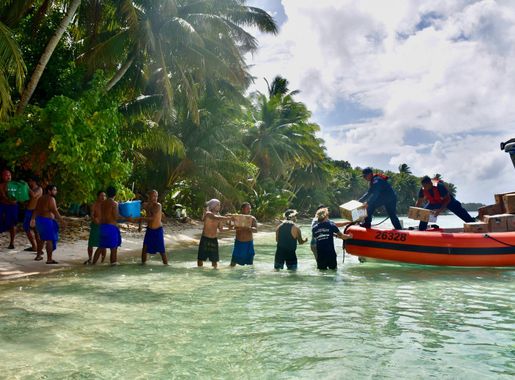
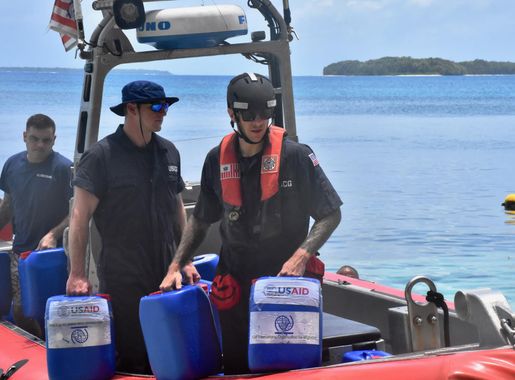
Browse through our photo collection highlighting the charm and character of the destination.





Woleai Atoll: A Hidden Gem in Micronesia
Woleai Atoll is a hidden paradise in the heart of Micronesia. Surrounded by crystal clear waters and vibrant coral reefs, this atoll is a haven for divers and snorkelers. The underwater world here is teeming with colorful fish, making it a perfect spot for marine life enthusiasts. On land, Woleai offers a glimpse into traditional Micronesian culture. The locals are warm and welcoming, often inviting visitors to experience their customs and way of life. From traditional dances to local handicrafts, there's much to explore and learn. The atoll is also rich in World War II history. Scattered around the islands are remnants of the war, including aircraft wrecks and bunkers, providing a unique historical backdrop to your visit. Woleai Atoll is a place where nature, culture, and history converge, creating an unforgettable experience for any traveler.