

Free Cuyuna Range Travel Guide & Mobile App
Explore Cuyuna Range with free travel guides. Discover regional history, expert tips, proposed trips, and audio guides on web or mobile app.


Explore Cuyuna Range in Minnesota for mine-lake paddling, distinctive mountain-bike trails, forest scenery and the history of the Iron Range.
Read more about Cuyuna Range
When is the best time to visit Cuyuna Range?
Best: May–June, August · 20–26°C| Month | High (°C) | Rainfall (mm) |
|---|---|---|
| January | -6 | 20 |
| February | -3 | 20 |
| March | 5 | 25 |
| April | 12 | 40 |
| May (best) | 20 | 60 |
| June (best) | 24 | 80 |
| July | 27 | 90 |
| August (best) | 26 | 90 |
| September | 21 | 80 |
| October | 14 | 60 |
| November | 4 | 40 |
| December | -2 | 25 |
Getting to and around Cuyuna Range
How to get there
Transportation
Destinations in Cuyuna Range
Resorts, valleys and scenic spots worth a trip of their own.

Swipe for more destinations
Best attractions in Cuyuna Range
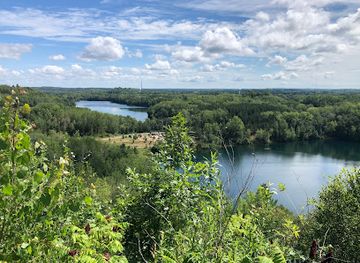
Cuyuna Range attractions are built around the unusual landscape left by iron mining. Cuyuna Country State Recreation Area provides the main concentration of experiences, with forested routes, mine lakes, overlooks, camping areas and access for paddling, fishing, swimming where permitted and scuba diving. Its mountain-bike trail system is the region’s signature attraction, using former mine contours to create a varied network for different abilities. The landscape also suits walking, photography and wildlife observation, particularly where reclaimed woodland meets open water. Crosby and Ironton add museums, local heritage interpretation, cafés and outfitters that explain how the mines shaped everyday life. The area is not a conventional resort strip: its appeal lies in combining active recreation with visible industrial history. Visitors who prefer a slower pace can explore lake access points, cycle between communities or follow roads through the surrounding north-central Minnesota woodland. Nearby lakes and the wider Brainerd Lakes area, outside the Cuyuna Range, can extend an itinerary, but the distinctive mine pits, red earth and purpose-built trails belong specifically to Cuyuna’s former mining district.
-
State park
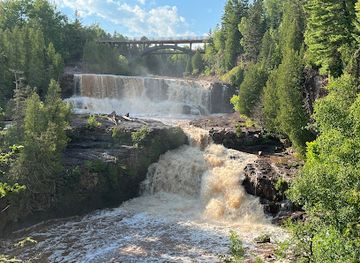
Gooseberry Falls State Park
Discover the breathtaking beauty of Gooseberry Falls State Park in Minnesota, offering stunning waterfalls, scenic trails, and abundant wildlife for unforgettable outdoor adventures.
-
Aquarium
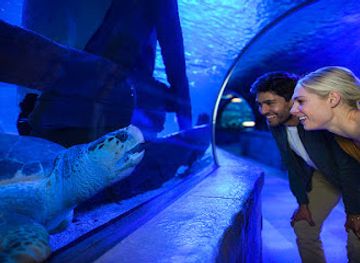
SEA LIFE at Mall of America
Explore the underwater world at SEA LIFE Minnesota Aquarium, where adventure meets education in the heart of Mall of America.
-
State park
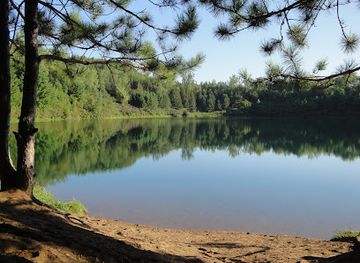
Cuyuna Country State Recreation Area
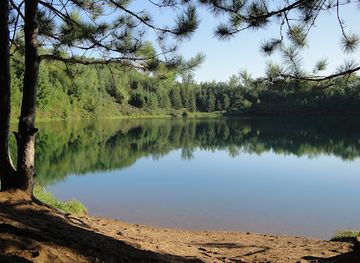
Explore Cuyuna Country State Recreation Area: a Minnesota gem featuring clear lakes, scenic trails, and endless outdoor adventures for nature lovers.
-
Wildlife park
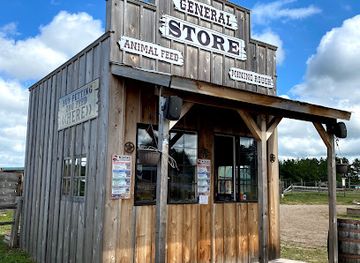
Safari North Wildlife Park
Explore the wonders of wildlife at Safari North Wildlife Park in Brainerd, Minnesota, an unforgettable adventure for animal lovers and families.
Best landmarks in Cuyuna Range
-
Park
Cuyuna Country State Recreation Area Parking Lot
Discover the stunning landscapes and outdoor adventures at Cuyuna Country State Recreation Area, a must-visit destination for nature lovers in Minnesota.
Explore Cuyuna Range on the map
Plan your trip on one map. See where the top cities, national parks and sights are, and book hotels and experiences in a few clicks.
Best hotels in Cuyuna Range
Best restaurants in Cuyuna Range
Dining in the Cuyuna Range is informal and closely connected with the needs of a small outdoor destination. Crosby and Ironton have the greatest concentration of cafés, casual restaurants, pubs and places suited to cyclists, paddlers and families, while smaller surrounding communities offer rural tavern-style meals and seasonal services. Menus generally draw on broader Minnesota and American traditions, including burgers, sandwiches, pizza, breakfast food, freshwater fish and hearty comfort cooking rather than a narrowly defined Cuyuna cuisine. Visitors can also find regional produce and locally made goods through independent shops, seasonal stands and markets when operating. Coffee and a substantial breakfast are particularly practical before a day on the trails, while takeaway food is useful for remote lake outings. The wider central Minnesota area is known for lake-country recreation and cabin culture, so dining may be more relaxed and limited outside the main towns. Check current opening arrangements, especially in winter and on weekdays, when smaller establishments may operate seasonally.
-
Mexican
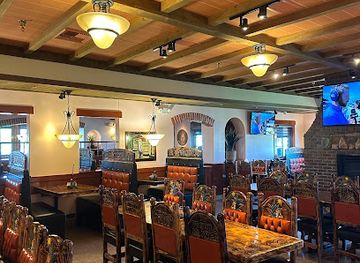
El Tequila Mexican Restaurant
Experience authentic Mexican flavors at El Tequila Mexican Restaurant in Baxter - where every meal is a fiesta!
-
 Lodge
LodgeGrand View Lodge Spa and Golf Resort
Discover unparalleled luxury amidst nature at Grand View Lodge Spa & Golf Resort - your ultimate retreat for relaxation & adventure.
-
Resort hotel
Madden's On Gull Lake
Discover the beauty and luxury of Madden's On Gull Lake - your ultimate resort escape in Minnesota with golf courses and exquisite dining.
-
State park
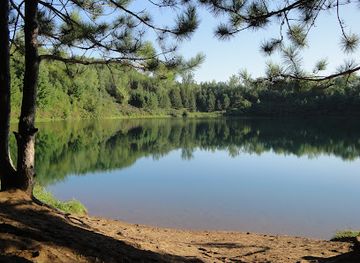
Cuyuna Country State Recreation Area
Discover adventure at Cuyuna Country State Recreation Area with stunning landscapes, exhilarating trails, and peaceful lakes in Minnesota.
Best bars in Cuyuna Range
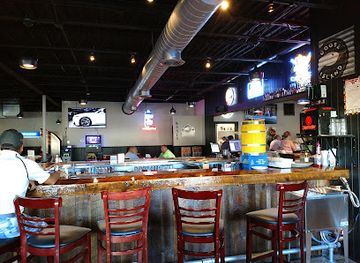
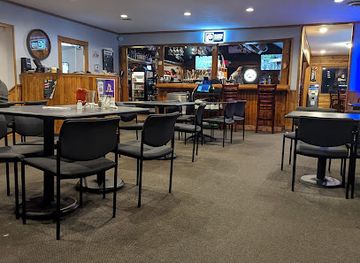
Evening life in the Cuyuna Range is centred on local pubs, taverns, casual restaurants and community-oriented venues rather than a large nightclub scene. Crosby and Ironton provide the widest choice, with places where visitors can eat, meet residents and discuss trail or lake conditions in an informal setting. Outdoor recreation has also encouraged a modest après-ride atmosphere around bike shops, cafés and hospitality businesses, although venues and schedules change and should be checked locally. Live music and seasonal community events may add variety, particularly during the warmer months, but they are not a permanent substitute for a major entertainment district. After dark, many visitors return to cabins, campsites or accommodation near the lakes, where quiet outdoor surroundings are part of the appeal. Drink responsibly, arrange transport in advance if staying outside town and remember that rural distances make walking home impractical from many trailheads or lakeside properties.
-
Grill
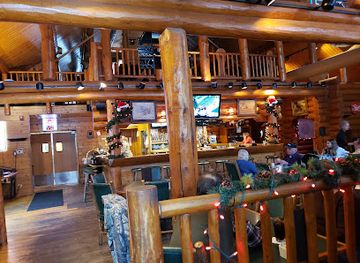
Black Bear Lodge & Saloon
Discover the rustic charm and delicious American cuisine at Black Bear Lodge & Saloon in Baxter, Minnesota - a perfect spot for food lovers.
-
Grill
The Side Track Bar and Restaurant
Experience the best of Brainerd at The Side Track Bar and Restaurant, where delicious grill cuisine meets a lively atmosphere for an unforgettable meal.
-
Grill
The Green Lantern Bar & Grill
Experience the vibrant flavors and friendly atmosphere at The Green Lantern Bar & Grill in Brainerd, a must-visit destination for food lovers.
-
Restaurant
Dunmire's Bar & Grill
Discover the flavorful offerings and lively ambiance at Dunmire's Bar & Grill in Brainerd, Minnesota. Perfect for families and friends alike.

Best nightclubs in Cuyuna Range
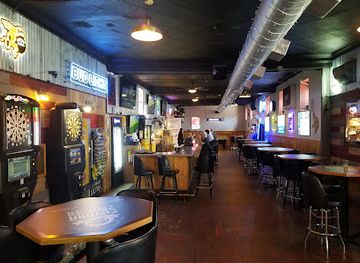
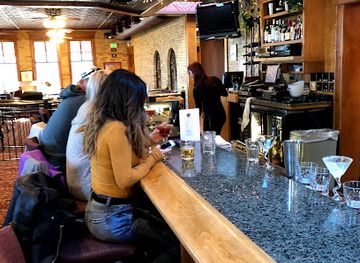
Evening life in the Cuyuna Range is centred on local pubs, taverns, casual restaurants and community-oriented venues rather than a large nightclub scene. Crosby and Ironton provide the widest choice, with places where visitors can eat, meet residents and discuss trail or lake conditions in an informal setting. Outdoor recreation has also encouraged a modest après-ride atmosphere around bike shops, cafés and hospitality businesses, although venues and schedules change and should be checked locally. Live music and seasonal community events may add variety, particularly during the warmer months, but they are not a permanent substitute for a major entertainment district. After dark, many visitors return to cabins, campsites or accommodation near the lakes, where quiet outdoor surroundings are part of the appeal. Drink responsibly, arrange transport in advance if staying outside town and remember that rural distances make walking home impractical from many trailheads or lakeside properties.
-
Bar
Spalding House
Experience the lively atmosphere and local culture at Spalding House, Crosby's favorite bar and community hub.
-
Cocktail bar
Hard Water Lounge
Experience the vibrant cocktail culture at Hard Water Lounge in Crosby, Minnesota, where unique drinks and a friendly atmosphere await.
-
Night club
Red Carpet Nightclub
Discover the lively nightlife experience at Red Carpet Nightclub, featuring live music, dancing, and a vibrant atmosphere in St. Cloud, Minnesota.

Best shops in Cuyuna Range
Shopping in the Cuyuna Range is concentrated in the small-town centres of Crosby and Ironton, where independent businesses serve both local residents and outdoor visitors. Bicycle shops and outfitters are particularly important, supplying equipment, repairs, clothing and practical advice for the Cuyuna Lakes Mountain Bike Trails and surrounding roads. Cafés, small retailers, galleries and occasional local markets provide opportunities to buy food, gifts and work by regional makers, while area shops may stock Minnesota products such as preserves, coffee, craft beverages and outdoor clothing. The best souvenirs are often connected to the landscape: cycling apparel, maps, locally made crafts or items recalling the iron-mining heritage. Retail choice is limited compared with a major city, and seasonal hours are common, so visitors should not leave essential equipment or groceries until late in the day. For a broader range of chain shops and services, Brainerd and Baxter lie outside the Cuyuna Range and are commonly used as regional shopping centres.
-
Department store
Fleet Farm
Discover the ultimate shopping experience at Fleet Farm, where diverse products meet unbeatable prices in Baxter, Minnesota.
-
State park
Cuyuna Country State Recreation Area
Discover the beauty of Cuyuna Country State Recreation Area, where adventure meets tranquility in the heart of Minnesota's natural landscape.
-
Shopping mall
Westgate Mall
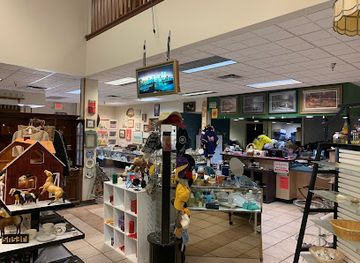
Explore Westgate Mall in Brainerd for a unique shopping experience with diverse stores and delicious dining options.
-
Gift shop
Christmas Point Wild Rice Co
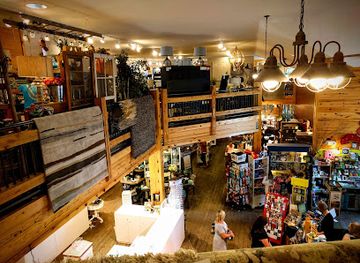
Discover Minnesota's unique gifts, delicious local foods, and cozy café vibes at Christmas Point Wild Rice Co.

Get your free copy of our complete guide to Cuyuna Range, delivered straight to you.
Everything on this page, from attractions and restaurants to essentials and local phrases, in one PDF you can read offline, print or share.
Already have an account? Sign in
Your Cuyuna Range guide is ready.
We'll send it to · Not you? Sign out

Getting your guide ready…
We are putting together a fresh copy of the Cuyuna Range guide. This can take up to a minute.
This can take a few moments. If your browser asks, choose Allow so the download can start. You'll find the guide in your Downloads folder.
Nothing happened? Download it again
Sorry, the guide is taking longer than usual. Please try again in a minute, or get it by email instead.
Cuyuna Range essentials
Currency and Payment
Safety
Emergency Situations
Do's and Don'ts
Local Tips
From Eve
Local phrases worth knowing
You don't need to get them perfect. A few words go a long way, and locals appreciate the effort.
Basics
| English | Local | Say it |
|---|---|---|
| Hello | Hey there | [Hey th-air] |
| Goodbye | See ya | [See ya] |
| Yes | Yup | [Yup] |
| No | Nah | [Nah] |
| Please/You're welcome | Sure thing | [Shur thing] |
| Thank you | Thanks a lot | [Thangs a lot] |
| Excuse me/Sorry | Pardon me | [Pardon me] |
| How are you? | How ya doin’? | [How ya doin'?] |
| Fine. And you? | Good. You? | [Good. You?] |
| Do you speak English? | Can ya talk English? | [Can ya talk English?] |
| I don't understand | I don’t get it | [I don’t get it] |
Eating & Drinking
| English | Local | Say it |
|---|---|---|
| I'd like to see the menu, please | Can I see the menu? | [Can I see the menu?] |
| I don't eat meat | I’m a vegetarian | [I’m a vegetarian] |
| Cheers! | Bottoms up! | [Bottoms up!] |
| I would like to pay, please | I’d like to settle up | [I’d like to settle up] |
Emergencies
| English | Local | Say it |
|---|---|---|
| Help! | Help me! | [Help me!] |
| Go away! | Get lost! | [Get lost!] |
| Call the Police! | Call the cops! | [Call the cops!] |
| Call a doctor! | Get a doctor! | [Get a doctor!] |
| I'm lost | I don’t know where I am | [I don’t know where I am] |
| I'm ill | I’m not feeling good | [I’m not feeling good] |
Shopping
| English | Local | Say it |
|---|---|---|
| I'd like to buy... | I wanna buy... | [I wanna buy...] |
| I'm just looking | Just browsing | [Just browsing] |
| How much is it? | What’s the price? | [What’s the price?] |
| That's too expensive | That’s way too pricey | [That’s way too pricey] |
| Can you lower the price? | Can you cut me a deal? | [Can you cut me a deal?] |
Time & Numbers
| English | Local | Say it |
|---|---|---|
| What time is it? | What’s the time? | [What’s the time?] |
| It's one o'clock | It's one | [It's one] |
| Half past (10) | Half past ten | [Half past ten] |
| Morning | Morning | [Morning] |
| Afternoon | Afternoon | [Afternoon] |
| Evening | Evening | [Evening] |
| Yesterday | Yesterday | [Yesterday] |
| Today | Today | [Today] |
| Tomorrow | Tomorrow | [Tomorrow] |
| 1 | One | [One] |
| 2 | Two | [Two] |
| 3 | Three | [Three] |
| 4 | Four | [Four] |
| 5 | Five | [Five] |
| 6 | Six | [Six] |
| 7 | Seven | [Seven] |
| 8 | Eight | [Eight] |
| 9 | Nine | [Nine] |
| 10 | Ten | [Ten] |
Transport & Directions
| English | Local | Say it |
|---|---|---|
| Where's a/the...? | Where’s the...? | [Where’s the...?] |
| What's the address? | What’s the address? | [What’s the address?] |
| Can you show me (on the map)? | Can you point it out? | [Can you point it out?] |
| When's the next (bus)? | When's the next bus? | [When's the next bus?] |
| A ticket (to ....) | One ticket to... | [One ticket to...] |
History of Cuyuna Range
Indigenous homelands and the pre-mining landscape
Long before the iron mines, the Cuyuna Range formed part of the wider forest and lake environment of central Minnesota, used and travelled by Indigenous peoples including the Ojibwe. The region’s waterways, woodland and wetlands supported hunting, fishing and seasonal movement. The mining district developed within a landscape whose human history did not begin with industrial settlement. Modern visitors encounter a transformed terrain, but the lakes and forests surrounding the old workings remain connected to the broader ecological and cultural setting of north-central Minnesota.
Discovery of the Cuyuna iron district
The range was named after prospectors Cuyler Adams and his dog Una, whose name was combined to create Cuyuna. Iron ore was identified in the early twentieth century, and exploration revealed deposits that extended the mining geography beyond Minnesota’s better-known Mesabi and Vermilion ranges. The discovery changed the future of the local area by attracting investors, workers, rail connections and new settlements. Crosby and Ironton grew as communities serving mines, processing activity and the commercial needs of a rapidly developing district.
Open-pit mining and industrial settlement
Commercial iron mining expanded on the Cuyuna Range during the twentieth century, using large open pits as well as underground workings in parts of the district. Ore extraction produced a distinctive red landscape of benches, waste rock and excavated basins. Railways linked the mines with the wider iron-ore economy of Minnesota and the Great Lakes steel industry. Mining employment shaped family life, local institutions and town development, while the industry’s dependence on national steel demand made the region vulnerable to wider economic cycles.
War production and the twentieth-century mining economy
Like other Minnesota iron ranges, the Cuyuna district contributed ore to the industrial economy that supported American manufacturing and wartime production. Mining towns experienced periods of strong employment when demand for iron was high, followed by contractions when markets weakened. The legacy is visible not only in local museums and stories but also in the physical geography: several modern lakes occupy former pits, and roads, rail corridors and town layouts reflect the needs of a once-intensive extractive industry.
Mine closures and landscape transformation
The final Cuyuna Range mines closed in the 1980s as changing ore markets and industry conditions made continued extraction uneconomic. Closure brought job losses and a prolonged period of economic uncertainty, while abandoned pits gradually filled with water. Rather than restoring the land to its original form, later planning recognised the value of the unusual mine-lake and ridgeline landscape. Public investment and local advocacy helped establish the Cuyuna Country State Recreation Area and develop new recreational uses.
From mining district to outdoor recreation destination
In the twenty-first century, mountain biking, paddling, fishing, diving and camping became central to Cuyuna’s visitor economy. The Cuyuna Lakes Mountain Bike Trails were designed across the former mining terrain, using its slopes and contours rather than concealing them. This transition has brought new businesses and visitors while leaving industrial memory at the heart of the destination. The region’s contemporary identity is therefore not a rejection of mining, but an ongoing adaptation of its distinctive land and community history.
Cuyuna Range in Photos
Browse through our photo collection highlighting the charm and character of the destination.
Neighbouring regions of Cuyuna Range
The closest regions to Cuyuna Range, if you have time for more than one.
-

-

-

-

-


Swipe for more regions
Explore more

Explore more of Minnesota
Discover Minnesota: From the bustling Twin Cities and cultural landmarks to the serene lakes and expansive wilderness, experience the diverse beauty and welcoming spirit of the North Star State.
Explore Minnesota