

Central Lakes Region, Minnesota Travel Guide
Discover the Central Lakes Region in Minnesota: A haven of clear lakes, scenic trails, and charming small towns, perfect for outdoor adventures and serene getaways.
The Central Lakes Region in Minnesota is a dream come true for nature lovers and outdoor enthusiasts. Nestled in the heart of the state, this region boasts over 400 pristine lakes, making it a prime spot for water activities like fishing, boating, and swimming. The clear waters and lush surroundings are perfect for those looking to escape the hustle and bustle of city life. Beyond the lakes, the region offers an array of recreational opportunities. Hiking and biking trails wind through scenic landscapes, providing breathtaking views of forests and wildlife. In the winter, the area transforms into a snowy wonderland, ideal for snowmobiling, ice fishing, and cross-country skiing. The Central Lakes Region is also rich in history and culture. Charming small towns dot the area, each with its own unique attractions, from quaint shops and local eateries to historic sites and museums. Whether you're seeking adventure or relaxation, the Central Lakes Region in Minnesota has something to offer every traveler.

Know before you go
Hi, I'm Eve. Here are a few practical things to know before exploring Central Lakes Region.
- Check the local fishing regulations and get a permit if you plan to fish.
- Visit during fall to experience the stunning autumn foliage.
- Pack layers of clothing, as temperatures can vary widely, especially in the evenings.
- Rent a bike to explore the numerous scenic trails in the area.
- Book accommodation in advance during peak seasons to ensure availability.
Top City Travel Guides in Central Lakes Region
The cities of Central Lakes Region, and the easiest places to base yourself.


Destinations in Central Lakes Region
Resorts, valleys and scenic spots worth a trip of their own.


Explore Central Lakes Region: Things to Do, Places to Eat, Hotels & More
Handpicked recommendations for top attractions, local dining, accommodations, and more

Top Attractions & Sightseeing in Central Lakes Region
Top-rated picks
Best Attractions

SEA LIFE at Mall of America
Explore the wonders of the ocean at SEA LIFE at Mall of America, where marine magic awaits around every corner.

Split Rock Lighthouse
Explore the historic Split Rock Lighthouse, a stunning symbol of Minnesota's maritime heritage on the shores of Lake Superior.

Glensheen Mansion
Explore Glensheen Mansion, a historic estate in Duluth offering a glimpse into Minnesota's rich history and stunning architecture set amidst beautiful gardens.

Itasca State Park
Experience the serene beauty and recreational opportunities at Itasca State Park, the birthplace of the Mississippi River in Minnesota.

Best restaurants in Central Lakes Region
Top-rated picks
Best Restaurants

Grandma's Saloon & Grill
Savor classic American cuisine at Grandma's Saloon & Grill in Duluth - where comfort food meets local charm!

Hell's Kitchen Inc.
Experience vibrant American cuisine at Hell's Kitchen Inc., a must-visit restaurant and bar in downtown Minneapolis offering unique flavors and lively atmosphere.

Texas Roadhouse
Savor hand-cut steaks and classic American dishes at Texas Roadhouse in Waite Park – where flavor meets fun.

Gordy's Hi-Hat
Discover the flavors of America at Gordy's Hi-Hat in Cloquet – where delicious food meets warm hospitality!

Best bars in Central Lakes Region
Top-rated picks
Best Bars

Sir Benedicts Tavern on the Lake
Experience the perfect blend of American cuisine and live music at Sir Benedicts Tavern on the Lake, a Duluth favorite with stunning lake views.

Merlins Rest Pub
Experience the best of British and Irish culture at Merlins Rest Pub in Minneapolis, featuring live music, hearty food, and a welcoming atmosphere.

Whiskey Inferno Meat House & Craft Bar
Discover an unforgettable dining experience at Whiskey Inferno Meat House & Craft Bar, where savory meats and craft cocktails unite in a vibrant atmosphere.

Birch's on the Lake Brewhouse & Supperclub
Discover Birch's on the Lake, a premier American restaurant and brewery offering exquisite dining and lively entertainment in Long Lake, MN.

Best nightclubs in Central Lakes Region
Top-rated picks
Best Nightclubs

The Pourhouse
Experience the vibrant nightlife of Minneapolis at The Pourhouse, where live music meets delicious American cuisine in a stylish setting.

Bar Harbor Supper Club
Discover the exquisite flavors of steak and seafood at Bar Harbor Supper Club, a fine dining experience set in Minnesota's beautiful lakes region.

The Saloon
Discover the heartbeat of Minneapolis nightlife at The Saloon, a vibrant gay bar offering dance, drinks, and an unforgettable atmosphere.

Camp Bar and Cabaret
Discover the lively nightlife at Camp Bar and Cabaret in St. Paul, where cocktails meet captivating performances for an unforgettable evening.

Best shops in Central Lakes Region
Top-rated picks
Best Shops

The Shoppes at Arbor Lakes
Discover Minnesota's shopping gem at The Shoppes at Arbor Lakes, where retail therapy meets delightful dining and vibrant entertainment.

LARK Toys
Discover LARK Toys in Kellogg, Minnesota – a magical toy store offering unique wooden toys, a café, and fun-filled attractions for all ages.

General Store of Minnetonka
Discover unique gifts, exquisite clothing, and delightful café treats at the General Store of Minnetonka, your go-to boutique in Minnesota!

DeWitt–Seitz Marketplace
Discover unique shops, local art, and delicious dining at the historic DeWitt–Seitz Marketplace in Duluth, Minnesota, by the beautiful Lake Superior.

Explore Central Lakes Region on the Map
A handpicked selection of must-see spots in Central Lakes Region, mapped for you.
Central Lakes Region Essentials
-
The Central Lakes Region in Minnesota is accessible primarily by car. The nearest major airport is Minneapolis-Saint Paul International Airport (MSP), located about 150 miles southeast of the region. From the airport, you can rent a car and drive north via Interstate 94. Alternatively, regional airports such as Brainerd Lakes Regional Airport (BRD) offer connecting flights. For those preferring public transport, Greyhound and Jefferson Lines provide bus services to various towns within the region.
-
Transportation within the Central Lakes Region is easiest by car, given the area's rural nature and spread-out attractions. Car rentals are available at major airports and in larger towns such as Brainerd. Biking is also a popular mode of transportation, especially on the Paul Bunyan State Trail, which spans over 100 miles. Limited public transportation options, such as local buses, exist in larger towns. Taxis and ride-sharing services like Uber and Lyft are available but may be scarce in more remote areas.
-
The official currency is the U.S. Dollar (USD). Credit and debit cards are widely accepted in most establishments, including restaurants, hotels, and shops. ATMs are available in larger towns, but if you plan to visit more remote areas, it's wise to carry some cash. Some small businesses and rural attractions may operate on a cash-only basis.
-
The Central Lakes Region is generally safe for tourists. However, it's always prudent to take standard precautions. Avoid isolated areas at night and keep your belongings secure, especially in crowded places. While crime rates are low, Brainerd, as the largest town in the region, occasionally experiences petty crimes such as theft. Exercise caution and remain aware of your surroundings.
-
In case of an emergency, dial 911 for immediate assistance. Hospitals and urgent care facilities are available in larger towns like Brainerd and Alexandria. It's advisable to have travel insurance that covers medical emergencies. For minor health issues, pharmacies are available in most towns. Familiarize yourself with the locations of local emergency services before your trip.
-
Fashion: Do dress in layers, as weather can be unpredictable. Casual and comfortable clothing is appropriate for most activities. Avoid overly formal or revealing attire. Religion: Do respect local religious customs and traditions. Public Transport: Do plan ahead, as public transport options are limited. Don't rely solely on public transport for remote areas. Greetings: Do greet people with a friendly 'hello' or a handshake. Minnesotans are generally polite and welcoming. Eating & Drinking: Do try local specialties like walleye and wild rice. Don't forget to tip in restaurants, typically 15-20% of the bill.
-
To experience the Central Lakes Region like a local, consider visiting during off-peak seasons for a quieter experience. Engage with locals at farmers' markets and community events to learn about the area's culture and history. Don't miss out on the region's natural beauty; explore state parks, go fishing, or take a boat tour. The Paul Bunyan Land amusement park and the Minnesota Fishing Museum are also worth a visit for a taste of local heritage.
When is the best time to visit Central Lakes Region?
Useful Local Phrases for Central Lakes Region
You don't need to speak the language perfectly. Even learning a few simple words can make conversations warmer—and locals usually appreciate the effort.
— Eve

Here are the phrases I use most often in Central Lakes Region. Try a few—you'll be surprised how far they go! 😊
❤️
-
- HelloHiya
[hee-yah] - GoodbyeSee ya
[see yah] - YesYup
[yup] - NoNah
[nah] - Please/You're welcomeSure thing
[shoor thing] - Thank youThanks a lot
[thanks a lot] - Excuse me/SorryPardon me
[par-dun mee] - How are you?How ya doin'?
[how yah doin'] - Fine. And you?Good, and you?
[good, and you?] - Do you speak English?You speak English?
[you speak English?] - I don't understandI don't get it
[I don't get it]
- HelloHiya
-
- I'd like to see the menu, pleaseCan I see the menu?
[can I see the menu?] - I don't eat meatI’m a vegetarian
[I’m a vege-tair-ee-an] - Cheers!Cheers!
[cheers] - I would like to pay, pleaseCan I get the check?
[can I get the check?]
- I'd like to see the menu, pleaseCan I see the menu?
-
- Help!Help!
[help] - Go away!Leave me alone!
[leave me alone] - Call the Police!Call the cops!
[call the cops] - Call a doctor!Get me a doctor!
[get me a doctor] - I'm lostI’m lost
[I’m lost] - I'm illI’m not feeling well
[I’m not feeling well]
- Help!Help!
-
- I'd like to buy...I want to buy...
[I want to buy...] - I'm just lookingJust browsing
[just browsing] - How much is it?What’s the price?
[what’s the price?] - That's too expensiveThat’s a bit pricey
[that’s a bit pricey] - Can you lower the price?Can you give me a better deal?
[can you give me a better deal?]
- I'd like to buy...I want to buy...
-
- What time is it?What time ya got?
[what time yah got?] - It's one o'clockIt's one
[it's one] - Half past (10)Half past ten
[half past ten] - MorningMorning
[morning] - AfternoonAfternoon
[afternoon] - EveningEvening
[evening] - YesterdayYesterday
[yesterday] - TodayToday
[today] - TomorrowTomorrow
[tomorrow] - 1One
[one] - 2Two
[two] - 3Three
[three] - 4Four
[four] - 5Five
[five] - 6Six
[six] - 7Seven
[seven] - 8Eight
[eight] - 9Nine
[nine] - 10Ten
[ten]
- What time is it?What time ya got?
-
- Where's a/the...?Where's the...?
[where's the...?] - What's the address?What’s the address?
[what’s the address?] - Can you show me (on the map)?Can you point it out?
[can you point it out?] - When's the next (bus)?When's the next bus?
[when's the next bus?] - A ticket (to ....)One ticket to...
[one ticket to...]
- Where's a/the...?Where's the...?
History of Central Lakes Region
-
The Central Lakes Region of Minnesota was originally inhabited by various Native American tribes, including the Dakota and Ojibwe people. These tribes thrived in the region, utilizing the abundant natural resources for hunting, fishing, and agriculture. The lakes and waterways served as vital routes for travel and trade. The rich cultural heritage of these tribes is still evident today through various archaeological sites, traditional practices, and annual powwows.
-
In the late 17th and early 18th centuries, European explorers began to venture into the Central Lakes Region. French explorers, such as Pierre-Charles Le Sueur, were among the first to document the area. The fur trade quickly became a dominant industry, with trading posts established along key waterways. The region's lakes and rivers were integral to the fur trade network, linking traders to broader markets in Europe and North America.
-
The mid-19th century saw an influx of European settlers into the Central Lakes Region, spurred by the promise of fertile land and economic opportunity. Minnesota became a U.S. territory in 1849 and achieved statehood in 1858. Settlers established farms, towns, and infrastructure, dramatically altering the landscape and local economy. The Homestead Act of 1862 further accelerated settlement, bringing more diverse populations to the region.
-
The arrival of the railroad in the late 19th century revolutionized the Central Lakes Region. Railroads facilitated the transport of goods and people, linking the region to national markets and promoting economic growth. Towns like Brainerd and Alexandria became important railway hubs, attracting businesses and industries. The railroad era also spurred tourism, with visitors flocking to the area's scenic lakes and resorts.
-
By the early 20th century, the Central Lakes Region had become a popular destination for tourists seeking outdoor recreation. The region's pristine lakes, forests, and parks offered opportunities for fishing, boating, camping, and hiking. The establishment of resorts and lodges catered to visitors, transforming tourism into a vital economic sector. Today, the Central Lakes Region remains a beloved destination for nature enthusiasts and vacationers.
-
The Central Lakes Region hosts a variety of cultural festivals and events that celebrate its rich history and diverse communities. The Legacy of the Lakes Museum in Alexandria offers exhibits on the region's maritime history. Annual events like the Brainerd Jaycees Ice Fishing Extravaganza and the Carlos Creek Winery’s Grape Stomp draw thousands of visitors. These events highlight the area's traditions, arts, and community spirit.
-
In recent decades, there has been a growing emphasis on environmental conservation in the Central Lakes Region. Efforts to protect the region's natural beauty and biodiversity have led to the establishment of state parks, wildlife reserves, and conservation programs. Organizations and local communities work together to address issues such as water quality, invasive species, and habitat preservation, ensuring the sustainability of the region's natural resources for future generations.
Neighbouring Regions of Central Lakes Region
The closest regions to Central Lakes Region, if you have time for more than one.


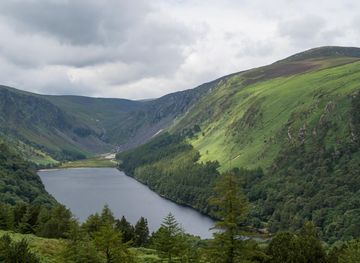

Your all‑in‑one travel companion app
Explore expert travel guides, compare and book tours, experiences, hotels, and more—all from the palm of your hand. Download now for seamless trip planning wherever your wanderlust takes you.


Explore More of Minnesota

Looking beyond Central Lakes Region? Discover Minnesota for broader travel guides, local hot-spots, and regional highlights.
Explore MinnesotaCentral Lakes Region in Photos
Browse through our photo collection highlighting the charm and character of the destination.


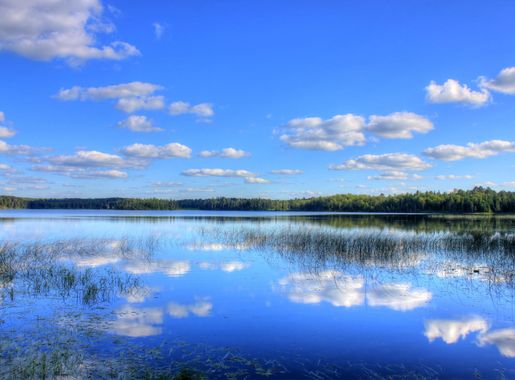


Central Lakes Region: Minnesota's Aquatic Paradise
The Central Lakes Region in Minnesota is a dream come true for nature lovers and outdoor enthusiasts. Nestled in the heart of the state, this region boasts over 400 pristine lakes, making it a prime spot for water activities like fishing, boating, and swimming. The clear waters and lush surroundings are perfect for those looking to escape the hustle and bustle of city life. Beyond the lakes, the region offers an array of recreational opportunities. Hiking and biking trails wind through scenic landscapes, providing breathtaking views of forests and wildlife. In the winter, the area transforms into a snowy wonderland, ideal for snowmobiling, ice fishing, and cross-country skiing. The Central Lakes Region is also rich in history and culture. Charming small towns dot the area, each with its own unique attractions, from quaint shops and local eateries to historic sites and museums. Whether you're seeking adventure or relaxation, the Central Lakes Region in Minnesota has something to offer every traveler.