

Free Central Minnesota Travel Guide & Mobile App
Explore Central Minnesota with free travel guides. Discover regional history, expert tips, proposed trips, and audio guides on web or mobile app.


Explore Central Minnesota for Mississippi River towns, glacial lakes, Indigenous heritage, outdoor recreation and relaxed small-city culture.
Read more about Central Minnesota
Getting to and around Central Minnesota
How to get there
Transportation
Top city travel guides in Central Minnesota
The cities of Central Minnesota, and the easiest places to base yourself.
-

-

-
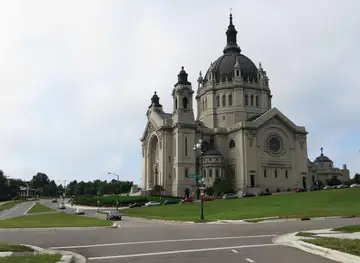
-

-


Swipe for more cities
Destinations in Central Minnesota
Resorts, valleys and scenic spots worth a trip of their own.
-

-

-

-


Swipe for more destinations
Best attractions in Central Minnesota
Central Minnesota's attractions range from riverfront gardens and museums to lake recreation and historic homes. St Cloud's Munsinger Clemens Gardens occupy a formal riverside setting, while the Stearns History Museum explores settlement, industry and everyday life in the surrounding area. Near Little Falls, the Charles Lindbergh House and Museum links a preserved family property with the history of early aviation, and the nearby river corridor adds walking and wildlife opportunities. The Mille Lacs area combines boating and fishing with the Mille Lacs Indian Museum and Trading Post, an important place for learning about Ojibwe history and culture. Around Brainerd, a dense concentration of lakes supports swimming, paddling, angling, golf, cycling and seasonal family recreation. Alexandria offers lake activities and the Kensington Runestone Museum, which presents the controversial runestone and the region's Scandinavian-American past. State parks, county parks, wildlife areas and multi-use trails provide quieter experiences, but facilities vary considerably by location and season. The attraction landscape is therefore less about a single flagship sight than about combining cultural stops with time outdoors and allowing for the distances between communities.
-
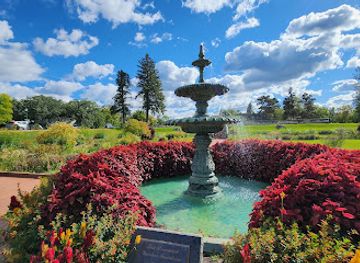
Munsinger Gardens
Discover the enchanting beauty of Munsinger Gardens, a stunning floral oasis in St. Cloud, MN, perfect for relaxation, photography, and nature walks.
-
Tourist attraction
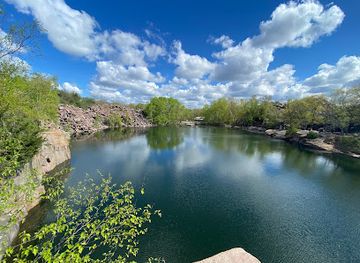
Quarry Park and Nature Preserve
Explore the breathtaking beauty of Quarry Park and Nature Preserve in Minnesota, a perfect blend of nature, adventure, and tranquility.
-
Brewery
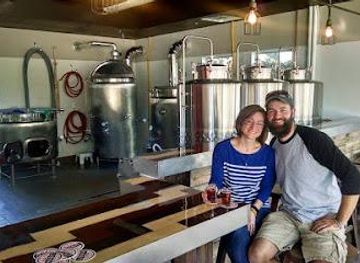
Bad Habit Brewing Company
Explore the vibrant atmosphere and innovative brews at Bad Habit Brewing Company in St. Joseph, Minnesota, a must-visit for craft beer lovers.
-
Tourist attraction
Bend in the River Regional Park
Explore Bend in the River Regional Park: A serene escape in Minnesota with stunning landscapes, hiking trails, and abundant wildlife for nature lovers.
Best landmarks in Central Minnesota
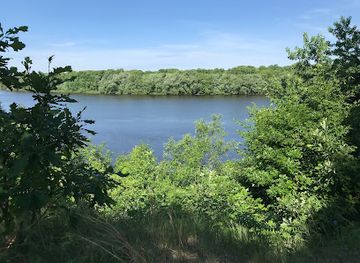
The Mississippi River is Central Minnesota's most important natural and historical landmark, especially where it passes St Cloud and Little Falls through wooded banks, islands, rapids and engineered dams. St Cloud's granite heritage is another defining marker: local quarries and granite buildings reflect an industry that influenced the city's economy and civic architecture. In Little Falls, the Charles Lindbergh House preserves the family setting associated with the celebrated aviator's Minnesota childhood, while the river and hydroelectric works express the town's industrial history. Mille Lacs Lake forms a major geographical landmark and a cultural landscape connected to the Mille Lacs Band of Ojibwe; its significance is interpreted at the Mille Lacs Indian Museum and Trading Post. The large lakes around Brainerd and Alexandria are less monumental in architectural terms but are central to the region's identity, defining settlement, recreation and seasonal travel. Historic courthouses, churches, commercial blocks and farm landscapes in towns such as St Cloud, Little Falls and Alexandria complete a landmark tradition based on river commerce, agriculture, settlement and the enduring presence of water.
-
State park
Charles A. Lindbergh State Park
Explore Charles A. Lindbergh State Park: A perfect blend of outdoor adventure and historical exploration in scenic Minnesota.
-
Museum
Sinclair Lewis Home
Discover the literary legacy of Sinclair Lewis at his historic home in Sauk Centre, Minnesota - a must-visit for literature lovers.
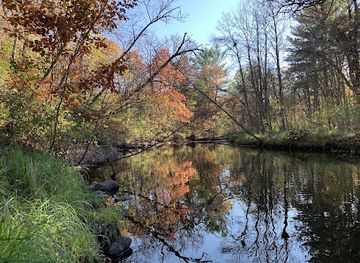

Explore Central Minnesota on the map
Plan your trip on one map. See where the top cities, national parks and sights are, and book hotels and experiences in a few clicks.
Best hotels in Central Minnesota
Best restaurants in Central Minnesota
Dining in Central Minnesota reflects its lakes, farms and small-city communities. Walleye and other freshwater fish appear widely on menus around Mille Lacs, Brainerd and the region's resort lakes, while burgers, sandwiches, soups and bakery goods remain staples in cafés and traditional American diners. Farm shops and seasonal stands provide fruit, vegetables, preserves and other locally produced foods, particularly during the warmer months. Wild rice is associated with the wider Upper Midwest and has important Ojibwe cultural significance; visitors should look for clearly identified, responsibly sourced products rather than treating it as a generic regional garnish. St Cloud offers the broadest range of restaurants, including international cuisines, breweries and contemporary dining, while smaller towns and lake communities tend towards cafés, supper clubs, pubs, resort dining rooms and rural inns. Reservations are useful at popular lake restaurants during summer weekends, but the region's food culture is often best encountered through everyday local establishments and seasonal markets rather than formal culinary tourism.
-
Steak
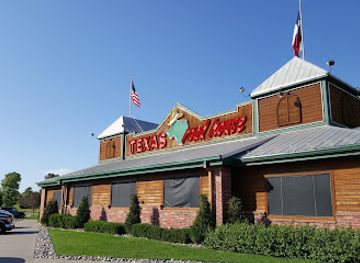
Texas Roadhouse
Discover Texas Roadhouse in Coon Rapids - where savory steaks meet a lively American dining atmosphere.
-
American
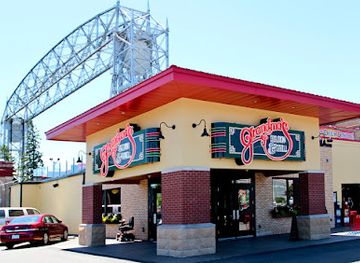
Grandma's Saloon & Grill
Discover comfort food with a local twist at Grandma's Saloon & Grill in Duluth's scenic Canal Park.
-
Restaurant
Red Cow North Loop
Experience delectable American cuisine at Red Cow North Loop - renowned for gourmet burgers & vibrant atmosphere in Minneapolis' Warehouse District.
-
American
Gordy's Hi-Hat
Discover the culinary delights of Gordy's Hi-Hat in Cloquet - from unique burgers to creamy ice cream in a family-friendly atmosphere.
Best bars in Central Minnesota
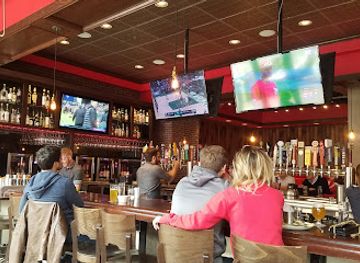
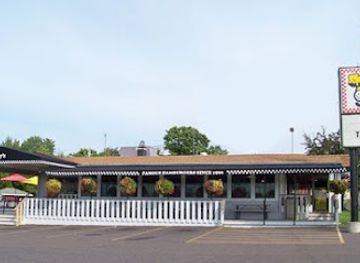
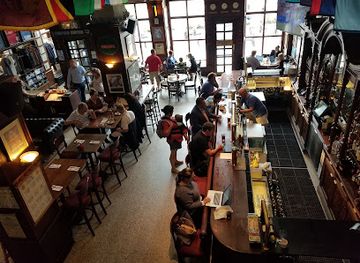
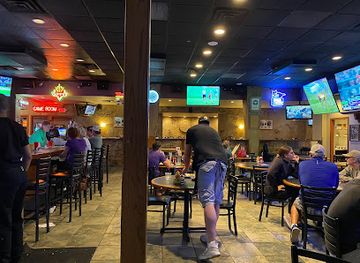
Evening life in Central Minnesota is concentrated in St Cloud, Brainerd, Alexandria and the larger lake communities. St Cloud has the region's broadest selection of pubs, breweries, casual bars, live music and student-oriented venues, while Brainerd and Baxter serve a larger seasonal population around the lakes with pubs, restaurants and informal entertainment. Alexandria combines bars, cafés and live performances with a quieter resort-town atmosphere. In rural districts, traditional taverns, supper clubs, lodge bars and social events are more common than dedicated nightclubs, and venues may be separated by long drives. Summer brings fuller terraces and lakefront activity, whereas winter evenings tend to centre on indoor dining, community events and live music. Check transport arrangements in advance, particularly when staying at a lakeside resort, and plan a sober driver rather than assuming rideshare coverage outside the main towns.
-
Restaurant
Tom's Watch Bar - Minneapolis
Discover the excitement at Tom's Watch Bar in Minneapolis, where top-quality cocktails meet a vibrant sports bar atmosphere.
-
American
Hell's Kitchen Inc.
Discover the eclectic culinary delights of Hell's Kitchen Inc. in Minneapolis, where American cuisine meets vibrant atmosphere.
-
Pub
Brit's Pub
Brit's Pub in Minneapolis: A lively British pub experience with delicious food, great drinks, and a vibrant atmosphere perfect for sports and social gatherings.
-
Grill
Bunny's Bar & Grill
Experience the lively atmosphere and delicious American cuisine at Bunny's Bar & Grill, a must-visit spot in St. Louis Park for food and sports lovers.
Best nightclubs in Central Minnesota
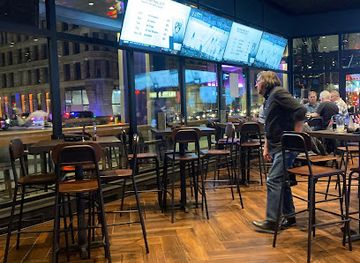
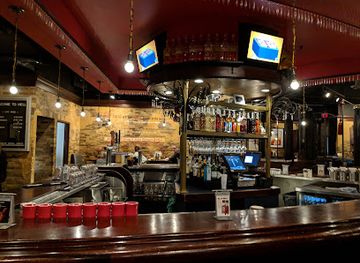
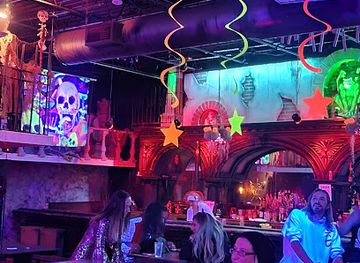
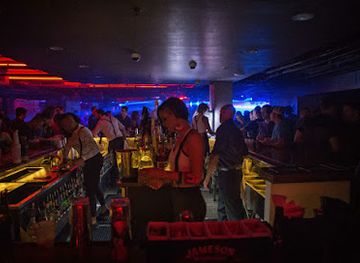
Evening life in Central Minnesota is concentrated in St Cloud, Brainerd, Alexandria and the larger lake communities. St Cloud has the region's broadest selection of pubs, breweries, casual bars, live music and student-oriented venues, while Brainerd and Baxter serve a larger seasonal population around the lakes with pubs, restaurants and informal entertainment. Alexandria combines bars, cafés and live performances with a quieter resort-town atmosphere. In rural districts, traditional taverns, supper clubs, lodge bars and social events are more common than dedicated nightclubs, and venues may be separated by long drives. Summer brings fuller terraces and lakefront activity, whereas winter evenings tend to centre on indoor dining, community events and live music. Check transport arrangements in advance, particularly when staying at a lakeside resort, and plan a sober driver rather than assuming rideshare coverage outside the main towns.
-
Night club
The Pourhouse
Discover the excitement of The Pourhouse, a premier night club and American restaurant in Minneapolis, featuring live music and a lively atmosphere.
-
Gay bar
The Saloon
Experience the vibrant nightlife at The Saloon, a premier gay bar and dance club in Minneapolis, known for its lively atmosphere and unforgettable entertainment.
-
Night club
Ground Zero Nightclub
Discover the electrifying nightlife of Minneapolis at Ground Zero Nightclub, where music, dancing, and fun come together in an unforgettable experience.
-
Night club
The Exchange & Alibi Lounge
Experience the vibrant nightlife of Minneapolis at The Exchange & Alibi Lounge, where great music and cocktails meet an electric atmosphere.


Best shops in Central Minnesota
Shopping in Central Minnesota is centred on practical town centres, independent retailers, seasonal markets and locally made products rather than a single major luxury district. St Cloud provides the largest concentration of high-street shops, services, galleries and larger retail facilities, while Brainerd and Baxter serve residents and visitors to the surrounding lakes. Alexandria has a strong small-town shopping character, with independent stores, antiques, art, gifts and lake-oriented products. Farmers' markets and roadside stands are useful places to look for seasonal produce, preserves, baked goods and locally prepared foods, although locations and dates vary through the year. Outdoor equipment, fishing supplies and clothing are widely available in the lake districts. Regional souvenirs may include granite-related items, locally produced food, books on Minnesota history, Ojibwe arts from reputable sources and Scandinavian-influenced crafts, but visitors should ask about provenance and avoid treating Indigenous designs as generic merchandise. Rural shops often keep more limited hours, so plan market and independent-store visits during daytime and check current arrangements before making a special journey.
-
Shopping mall
Mall of America®
Explore the largest shopping and entertainment destination in the U.S., featuring 500+ stores, exciting attractions, and diverse dining options.
-
Outlet mall
Twin Cities Premium Outlets
Explore over 100 brand-name stores offering incredible deals at the Twin Cities Premium Outlets, your shopping paradise in Eagan, Minnesota.
-
Shopping mall
The Shoppes at Arbor Lakes
Discover The Shoppes at Arbor Lakes: a vibrant shopping and dining destination in Maple Grove, MN, perfect for families and visitors.
-
Outlet mall
Albertville Premium Outlets
Discover unbeatable discounts and a delightful shopping experience at Albertville Premium Outlets, Minnesota's top destination for outlet shopping.

Get your free copy of our complete guide to Central Minnesota, delivered straight to you.
Everything on this page, from attractions and restaurants to essentials and local phrases, in one PDF you can read offline, print or share.
Already have an account? Sign in
Your Central Minnesota guide is ready.
We'll send it to · Not you? Sign out

Getting your guide ready…
We are putting together a fresh copy of the Central Minnesota guide. This can take up to a minute.
This can take a few moments. If your browser asks, choose Allow so the download can start. You'll find the guide in your Downloads folder.
Nothing happened? Download it again
Sorry, the guide is taking longer than usual. Please try again in a minute, or get it by email instead.
Central Minnesota essentials
Currency and Payment
Safety
Emergency Situations
Do's and Don'ts
Local Tips
From Eve
Local phrases worth knowing
You don't need to get them perfect. A few words go a long way, and locals appreciate the effort.
Basics
| English | Local | Say it |
|---|---|---|
| Hello | Hi there | [Hahy thair] |
| Goodbye | See ya | [See yah] |
| Yes | Yup | [Yuhp] |
| No | Nope | [Nohp] |
| Please/You're welcome | You bet | [Yuh bet] |
| Thank you | Thanks | [Thangs] |
| Excuse me/Sorry | Oops, sorry | [Oops, sohr-ee] |
| How are you? | How's it goin'? | [How's it goin'?] |
| Fine. And you? | Good. You? | [Guhd. Yuh?] |
| Do you speak English? | Do ya speak English? | [Doo yah speak Ing-lish?] |
| I don't understand | I don’t get it | [I don’t get it] |
Eating & Drinking
| English | Local | Say it |
|---|---|---|
| I'd like to see the menu, please | Can I see the menu? | [Can I see the men-yoo?] |
| I don't eat meat | I’m a vegetarian | [I'm a vege-tair-ee-an] |
| Cheers! | Cheers! | [Cheers!] |
| I would like to pay, please | Can I get the check? | [Can I get the chek?] |
Emergencies
| English | Local | Say it |
|---|---|---|
| Help! | Help! | [Help!] |
| Go away! | Leave me alone! | [Leev me uh-lohn!] |
| Call the Police! | Call the cops! | [Call the cops!] |
| Call a doctor! | Get a doctor! | [Get a doc-tor!] |
| I'm lost | I can't find my way | [I can't find my way] |
| I'm ill | I'm not feelin' well | [I'm not feelin' well] |
Shopping
| English | Local | Say it |
|---|---|---|
| I'd like to buy... | I want to buy... | [I want to buy...] |
| I'm just looking | Just browsing | [Just brows-ing] |
| How much is it? | What's the price? | [What's the pryce?] |
| That's too expensive | That's a bit pricey | [That's a bit pry-see] |
| Can you lower the price? | Can ya bring it down? | [Can yah bring it down?] |
Time & Numbers
| English | Local | Say it |
|---|---|---|
| What time is it? | What time is it? | [What time is it?] |
| It's one o'clock | It's one o'clock | [It's one o'clock] |
| Half past (10) | Half past ten | [Half past ten] |
| Morning | Morning | [Morn-ing] |
| Afternoon | Afternoon | [Aft-er-noon] |
| Evening | Evening | [Eve-ning] |
| Yesterday | Yesterday | [Yes-ter-day] |
| Today | Today | [To-day] |
| Tomorrow | Tomorrow | [To-mor-row] |
| 1 | One | [Wuhn] |
| 2 | Two | [Too] |
| 3 | Three | [Three] |
| 4 | Four | [For] |
| 5 | Five | [Fahyv] |
| 6 | Six | [Siks] |
| 7 | Seven | [Sev-uhn] |
| 8 | Eight | [Ayt] |
| 9 | Nine | [Nyn] |
| 10 | Ten | [Ten] |
Transport & Directions
| English | Local | Say it |
|---|---|---|
| Where's a/the...? | Where's the...? | [Where's the...?] |
| What's the address? | What's the address? | [What's the ad-dress?] |
| Can you show me (on the map)? | Can ya show me on the map? | [Can yah show me on the map?] |
| When's the next (bus)? | When's the next bus? | [When's the next bus?] |
| A ticket (to ....) | A ticket to ... | [A tiket to ...] |
History of Central Minnesota
Indigenous Homelands and the Mississippi River
Central Minnesota lies within the historic and continuing homelands of Dakota and Ojibwe peoples. The Mississippi River and the region's lakes supported travel, fishing, hunting, gathering and exchange long before European-American settlement. Ojibwe communities expanded their presence in parts of central Minnesota during the eighteenth and nineteenth centuries, while treaties and subsequent federal policies profoundly restricted Indigenous landholding and autonomy. The Mille Lacs Band of Ojibwe remains a significant living community, and institutions such as the Mille Lacs Indian Museum interpret regional history from an Indigenous perspective.
Fur Trade and Early European-American Contact
During the late eighteenth and early nineteenth centuries, fur traders and missionaries travelled through the Mississippi corridor and connected central Minnesota to wider networks reaching the Great Lakes and the Red River country. Trading posts and river landings became points of contact between Indigenous societies, French-Canadian traders and later American settlers. The legacy of this period is visible less through grand surviving buildings than through place names, river routes, archaeological evidence and the continuing importance of the Mississippi as a transport and settlement corridor.
Treaties, Settlement and the Frontier Economy
Nineteenth-century treaties opened large areas of central Minnesota to non-Indigenous settlement, although the process involved coercion, broken agreements and the displacement of Indigenous communities. American settlers established farms, mills, towns and transport links along the Mississippi and around the lakes. St Cloud developed as a regional commercial centre, while Little Falls became an important river town. Agriculture, timber, milling and trade shaped communities whose street layouts, churches, courthouses and early commercial buildings still provide much of the region's historic character.
Granite, Lumber and River Power
St Cloud became closely associated with granite quarrying after the late nineteenth century, when local stone was used in buildings and monuments in Minnesota and beyond. Logging and sawmilling also expanded across central Minnesota, particularly near the Mississippi and the north-central lakes district. At Little Falls, the construction of a hydroelectric dam in the early twentieth century strengthened the town's industrial role. These industries left a durable imprint on local museums, riverfronts, quarries, railway alignments and civic architecture.
Charles Lindbergh and the Age of Aviation
Charles Lindbergh was born in Detroit, Michigan, but grew up in Little Falls, where his father served as a United States congressman. Lindbergh's 1927 solo transatlantic flight made him one of the most famous aviators of the twentieth century and placed his Minnesota childhood home within the national story of aviation. The Charles Lindbergh House and Museum near Little Falls preserves the family property and interprets both his early life and the wider technological and social changes surrounding early flight, while also addressing the more troubling aspects of his later public career.
Tourism, Lakes and Contemporary Central Minnesota
After the expansion of roads and widespread car ownership in the twentieth century, central Minnesota's lakes became increasingly important for seasonal tourism, fishing, boating and cabin life. The Brainerd Lakes Area, Mille Lacs and Alexandria developed different versions of this lake economy, ranging from resorts and marinas to family cabins and outdoor recreation businesses. Today, tourism exists alongside farming, education, healthcare, manufacturing and Indigenous community life, while historic preservation and environmental management seek to balance visitor use with the protection of rivers, forests and lake ecosystems.
Central Minnesota in Photos
Browse through our photo collection highlighting the charm and character of the destination.
Neighbouring regions of Central Minnesota
The closest regions to Central Minnesota, if you have time for more than one.
-

-

-

-

-


Swipe for more regions
Explore more

Explore more of Minnesota
Discover Minnesota: From the bustling Twin Cities and cultural landmarks to the serene lakes and expansive wilderness, experience the diverse beauty and welcoming spirit of the North Star State.
Explore Minnesota