

Free Saint Cloud Travel Guide & Mobile App
Plan your Saint Cloud trip with Evendo. Get free guides to top attractions, restaurants, hotels, and bars. Web access or download the mobile app.


Saint Cloud, Minnesota pairs Mississippi River trails, granite heritage, historic churches, gardens, museums and lively arts in welcoming Central Minnesota.
River, Granite and Central Minnesota
Saint Cloud occupies a broad stretch of the Mississippi River in Central Minnesota, about an hour north-west of the Twin Cities. The river is central to the city’s character: its wooded banks, island views and riverside parks provide a natural counterpoint to a practical regional centre shaped by industry, education and civic life. The city grew around transport links, agriculture and granite quarrying, and the pale local stone remains one of its most recognisable cultural signatures.Read more about Saint Cloud
A Walkable Civic Centre
Gardens, Museums and Local Culture
When is the best time to visit Saint Cloud?
Best: May–June, August · 22–26°C| Month | High (°C) | Rainfall (mm) |
|---|---|---|
| January | -6 | 23 |
| February | -3 | 20 |
| March | 6 | 31 |
| April | 16 | 46 |
| May (best) | 22 | 76 |
| June (best) | 26 | 97 |
| July | 28 | 97 |
| August (best) | 26 | 91 |
| September | 21 | 71 |
| October | 13 | 51 |
| November | 3 | 31 |
| December | -4 | 25 |
Getting to and around Saint Cloud
How to get there
Transportation
Best attractions in Saint Cloud
Saint Cloud’s principal attractions combine river scenery, regional history and cultivated public spaces. The Munsinger Clemens Botanical Gardens follow the Mississippi on two adjoining terraces, with formal plantings, shaded paths and seasonal displays beside the water. Riverside Park and the Lake George area provide walking routes and open space close to downtown, while the Stearns History Museum presents the stories of Central Minnesota through exhibits on settlement, industry, community life and the region’s granite heritage. The Paramount Center for the Arts brings theatre, music, exhibitions and other cultural programming to a restored downtown setting. St Cloud State University contributes galleries, performances and a collegiate atmosphere, and the city’s historic churches and early commercial buildings reward slower exploration. Nearby Quarry Park and Nature Preserve in Waite Park, just outside Saint Cloud, adds trails, exposed granite and outdoor interpretation, while the wider area offers access to rural landscapes and the Mississippi corridor.
-
Tourist attraction
Munsinger Gardens
Discover the beauty of Munsinger Gardens, a serene oasis of flowers and nature along the Mississippi River in St. Cloud, Minnesota.
10 min drive · 3.4 km from city centre
-
Tourist attraction
Quarry Park and Nature Preserve
Explore Quarry Park and Nature Preserve, a beautiful park in Waite Park, Minnesota, with unique granite quarries and emerald waters for outdoor adventures.
17 min drive · 5.6 km from city centre
-
Escape room center
Riddlers Escape, LLC
Experience the thrill of escape at Riddlers Escape, LLC in St. Cloud, Minnesota, where adventure awaits in every room.
13 min drive · 4.2 km from city centre
-
Tourist attraction
Clemens Gardens
Experience the beauty and tranquility of Clemens Gardens, a stunning floral oasis in St. Cloud, MN, perfect for relaxation and exploration.
10 min drive · 3.5 km from city centre


Best landmarks in Saint Cloud
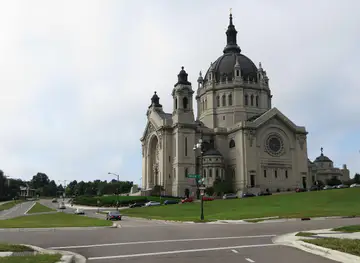
The Cathedral of Saint Mary is one of Saint Cloud’s most prominent religious landmarks, representing the importance of Catholic institutions and immigrant communities in the city’s development. Downtown’s historic commercial buildings preserve the scale of an older river and railway centre, while the Paramount Center for the Arts stands as a notable civic and cultural building in the central district. The Mississippi riverfront and its associated infrastructure are landmarks of a different kind, revealing how water shaped industry, transport and municipal power. Granite is the city’s defining architectural material: monuments, public buildings and memorials across the area reflect the quarrying industry that gave Saint Cloud its enduring nickname, the Granite City. St Cloud State University’s campus contributes another layer, linking present-day public life with the normal school founded in the nineteenth century. Together, these places express the city’s religious, educational, industrial and civic history.
-
Shopping mall
Crossroads Center
Explore the vibrant shopping and dining options at Crossroads Center in St. Cloud, Minnesota, where excitement meets retail therapy.
13 min drive · 4.5 km from city centre
-
Garden
Munsinger Gardens
Explore the breathtaking beauty of Munsinger Gardens in St. Cloud, MN, where vibrant blooms and serene landscapes create a peaceful escape for all visitors.
10 min drive · 3.4 km from city centre
-
Irish pub
Olde Brick House
Discover the charm of Irish culture at Olde Brick House, a top-rated pub in St. Cloud offering traditional dishes and a vibrant atmosphere.
11 min drive · 3.8 km from city centre
-
Nature preserve
Quarry Park and Nature Preserve
Discover the serene beauty of Quarry Park and Nature Preserve, a nature lover's paradise in Waite Park, Minnesota, with stunning landscapes and outdoor adventures.
17 min drive · 5.6 km from city centre


Explore Saint Cloud on the map
Plan your Saint Cloud trip on one map. See where the top attractions, landmarks, restaurants, bars and hotels are, find what's near where you're staying, and book hotels and experiences in a few clicks.
Best hotels in Saint Cloud
Best restaurants in Saint Cloud
Saint Cloud’s dining scene reflects its role as a Central Minnesota service centre, with American comfort food, burger restaurants, pizzerias, cafés, breweries and international cuisines alongside more contemporary kitchens. Regional habits favour hearty breakfasts, sandwiches, baked goods and seasonal produce, while the surrounding agricultural landscape supports dairy, meat, grain and locally grown ingredients. Downtown and the university district provide the greatest concentration of casual restaurants and cafés, with additional dining around major roads and shopping areas. Farmers’ markets and seasonal community events may offer produce, baked items and local specialities, although their timing changes through the year. German and broader European influences remain part of the area’s cultural background, but the modern food scene is more diverse than any single tradition, reflecting student life, immigrant communities and the tastes of a growing regional population.
-
Steak
Texas Roadhouse
Savor mouthwatering steaks and warm hospitality at Texas Roadhouse in Waite Park - your ultimate American dining experience awaits!
14 min drive · 4.7 km from city centre
-
Hamburger
Val's Hamburgers
Discover Val's Hamburgers: A beloved fast-food haven in St. Cloud offering mouthwatering burgers and friendly service.
15 min drive · 5.0 km from city centre
-
Mongolian BBQ
Mongo's Grill
Savor the authentic taste of Mongolia at Mongo's Grill in St. Cloud - where fresh meets flavor in an interactive dining experience.
12 min drive · 4.0 km from city centre
-
Family-friendly
Jimmy's Pour House
Discover family-friendly dining at Jimmy's Pour House in Sauk Rapids – where hearty meals meet a lively atmosphere!
21 min drive · 7.1 km from city centre


Best bars in Saint Cloud
Saint Cloud’s evening scene is modest but varied, centred on downtown, the university area and established commercial districts rather than a large club quarter. Visitors will find neighbourhood bars, pubs, breweries, sports-focused venues and restaurants that remain social after dinner, while live music and community events add cultural options at selected times. The Paramount Center for the Arts and university venues provide theatre, concerts and performances that do not depend on nightlife drinking culture. Student activity gives parts of the city a livelier feel during the academic year, whereas evenings can be quieter during university breaks and in winter. As in the rest of Minnesota, alcohol service is regulated and identification may be requested; venue schedules, entertainment programmes and closing times vary, so checking current information locally is sensible.
-
American
Boulder Tap House
Savor delicious burgers and craft beers at Boulder Tap House, the vibrant American bar & grill in St. Cloud, MN.
11 min drive · 3.7 km from city centre
-
Irish pub
Olde Brick House
Discover the charm of Olde Brick House, a vibrant Irish pub in St. Cloud, offering delicious cuisine and a lively atmosphere for every traveler.
11 min drive · 3.8 km from city centre
-
Bar
7 West TapHouse - St Cloud
Experience the vibrant atmosphere and delicious flavors at 7 West TapHouse, St. Cloud's favorite spot for gourmet burgers and craft beers.
12 min drive · 3.9 km from city centre
-
Bar
The White Horse Restaurant & Bar
Discover the lively atmosphere and delicious American cuisine at The White Horse Restaurant & Bar in Downtown St. Cloud, Minnesota.
11 min drive · 3.7 km from city centre


Best nightclubs in Saint Cloud
Saint Cloud’s evening scene is modest but varied, centred on downtown, the university area and established commercial districts rather than a large club quarter. Visitors will find neighbourhood bars, pubs, breweries, sports-focused venues and restaurants that remain social after dinner, while live music and community events add cultural options at selected times. The Paramount Center for the Arts and university venues provide theatre, concerts and performances that do not depend on nightlife drinking culture. Student activity gives parts of the city a livelier feel during the academic year, whereas evenings can be quieter during university breaks and in winter. As in the rest of Minnesota, alcohol service is regulated and identification may be requested; venue schedules, entertainment programmes and closing times vary, so checking current information locally is sensible.
-
Grill
Duck's Sports Bar & Grill
Experience the lively spirit of Duck's Sports Bar & Grill in St. Cloud, MN, where great food meets exciting sports and friendly faces.
11 min drive · 3.8 km from city centre
-
Bar
Veranda Lounge
Experience the vibrant nightlife at Veranda Lounge, St. Cloud's premier bar for craft cocktails and live entertainment.
12 min drive · 3.9 km from city centre
-
Bar
Beaudreau's Bar
Experience the vibrant atmosphere and extensive drink selection at Beaudreau's Bar in St. Cloud, MN - the perfect spot to unwind and socialize.
14 min drive · 4.5 km from city centre
-
Bar
Midtown Bar & Grill
Discover the vibrant atmosphere of Midtown Bar & Grill, a premier sports bar and restaurant in St. Cloud, MN, offering great food, drinks, and entertainment.
11 min drive · 3.8 km from city centre


Best shops in Saint Cloud
Shopping in Saint Cloud is divided between a traditional downtown core, independent businesses and larger commercial areas, including the Crossroads Center and surrounding retail districts. Downtown offers locally owned shops, cafés, services, galleries and occasional seasonal events in an environment shaped by historic buildings and civic spaces. The major shopping areas provide department stores, national chains and practical everyday retail, while the university district has a younger, more casual commercial character. Markets and community events may feature Minnesota-made food, crafts, artwork and baked goods, with availability varying by season. Granite-themed items and locally designed souvenirs provide a direct connection with Saint Cloud’s quarrying heritage, while regional food products make useful gifts. Visitors looking for antiques, specialist goods or independent makers should allow time to explore beyond the main shopping centre, as smaller retailers are dispersed rather than concentrated in one large market quarter.
-
Shopping mall
Crossroads Center
Explore Crossroads Center in St. Cloud, MN – a premier shopping destination with diverse stores, dining, and entertainment for an unforgettable experience.
13 min drive · 4.5 km from city centre
-
Department store
JCPenney
Explore an extensive selection of clothing, furniture, jewelry, and shoes at JCPenney in St. Cloud, your ultimate shopping destination.
13 min drive · 4.4 km from city centre
-
Gift shop
Five Below
Explore Five Below for trendy gifts, tasty candies, and fun toys, all at unbeatable prices that celebrate the joy of shopping!
12 min drive · 4.2 km from city centre
-
Shopping mall
Marketplace Shopping Center
Explore the vibrant Marketplace Shopping Center in Waite Park, Minnesota, where shopping, dining, and entertainment come together in one exciting location.
13 min drive · 4.3 km from city centre


Get your free copy of our complete guide to Saint Cloud, delivered straight to you.
Everything on this page, from attractions and restaurants to essentials and local phrases, in one PDF you can read offline, print or share.
Already have an account? Sign in
Your Saint Cloud guide is ready.
We'll send it to · Not you? Sign out

Getting your guide ready…
We are putting together a fresh copy of the Saint Cloud guide. This can take up to a minute.
This can take a few moments. If your browser asks, choose Allow so the download can start. You'll find the guide in your Downloads folder.
Nothing happened? Download it again
Sorry, the guide is taking longer than usual. Please try again in a minute, or get it by email instead.
Saint Cloud essentials
Currency and Payment
Safety
Emergency Situations
Do's and Don'ts
Local Tips
From Eve
Local phrases worth knowing
You don't need to get them perfect. A few words go a long way, and locals appreciate the effort.
Basics
| English | Local | Say it |
|---|---|---|
| Hello | Howdy | [haw-dee] |
| Goodbye | See ya | [see yuh] |
| Yes | Yep | [yep] |
| No | Nah | [nah] |
| Please/You're welcome | Please/No prob | [pleez/no prob] |
| Thank you | Thanks a bunch | [thanks uh bunch] |
| Excuse me/Sorry | Pardon me/My bad | [par-dun me/my bad] |
| How are you? | Howdy partner? | [haw-dee par-tner] |
| Fine. And you? | Doin' good. You? | [doin' good. yuh?] |
| Do you speak English? | You speak English? | [yuh speak English?] |
| I don't understand | I'm stumped | [I'm stuhmped] |
Eating & Drinking
| English | Local | Say it |
|---|---|---|
| I'd like to see the menu, please | Can I check out the menu? | [can I chek out the menu?] |
| I don't eat meat | I'm veggie | [I'm vej-ee] |
| Cheers! | Cheers! | [Cheers!] |
| I would like to pay, please | I'll settle up now, thanks | [I'll set-ul up now, thanks] |
Emergencies
| English | Local | Say it |
|---|---|---|
| Help! | Help! | [Help!] |
| Go away! | Beat it! | [Beat it!] |
| Call the Police! | Call the cops! | [Call the cops!] |
| Call a doctor! | Get a doc! | [Get a doc!] |
| I'm lost | I'm turned around | [I'm turned uh-round] |
| I'm ill | I'm under the weather | [I'm un-der the weath-ur] |
Shopping
| English | Local | Say it |
|---|---|---|
| I'd like to buy... | I wanna snag... | [I wanna snag...] |
| I'm just looking | Just browsin' | [just brows-in'] |
| How much is it? | What's the damage? | [whuts the dam-ij?] |
| That's too expensive | That's steep | [That's steep] |
| Can you lower the price? | Can ya do better? | [Can yuh do bet-ur?] |
Time & Numbers
| English | Local | Say it |
|---|---|---|
| What time is it? | What's the time? | [whuts the time?] |
| It's one o'clock | It's one | [It's one] |
| Half past (10) | Ten thirty | [Ten thur-tee] |
| Morning | Mornin' | [Morn-in'] |
| Afternoon | Afternoon | [Afternoon] |
| Evening | Evenin' | [Even-in'] |
| Yesterday | Yesterday | [Yesterday] |
| Today | Today | [Today] |
| Tomorrow | Tomorrow | [Tomorrow] |
| 1 | One | [One] |
| 2 | Two | [Two] |
| 3 | Three | [Three] |
| 4 | Four | [Four] |
| 5 | Five | [Five] |
| 6 | Six | [Six] |
| 7 | Seven | [Seven] |
| 8 | Eight | [Eight] |
| 9 | Nine | [Nine] |
| 10 | Ten | [Ten] |
Transport & Directions
| English | Local | Say it |
|---|---|---|
| Where's a/the...? | Where's the... | [Where's the...] |
| What's the address? | What's the addy? | [What's the addy?] |
| Can you show me (on the map)? | Can you show me on the map? | [Can you show me on the map?] |
| When's the next (bus)? | When's the next bus? | [When's the next bus?] |
| A ticket (to ....) | A ticket to ... | [A ticket to ...] |
History of Saint Cloud
Indigenous Mississippi River Homelands
The Saint Cloud area lies within the wider homelands and historical landscape of Dakota and Ojibwe peoples, whose communities used the Mississippi corridor for travel, trade, hunting and seasonal activity long before the arrival of Euro-American settlers. The river was not simply a geographic boundary but a route connecting settlements and resources across Central Minnesota. Later treaties and the expansion of United States settlement transformed Indigenous relationships with the land, as elsewhere in the region. Modern Saint Cloud’s parks, river islands and water-powered sites occupy a landscape with a much longer human history than the city’s incorporation date suggests.
Settlement and the City’s Naming
Euro-American settlement expanded in the 1850s as land companies promoted communities along the Mississippi and transport routes developed through Central Minnesota. Saint Cloud was platted in 1854 and incorporated as a city in 1856. Its name was taken from Saint-Cloud, the French town west of Paris, reflecting the nineteenth-century fashion for linking American settlements with European names. The new community drew on the river for movement and commerce, while surrounding farmland supplied an agricultural hinterland. Early growth also brought together immigrants and migrants whose languages, religious institutions and commercial activities helped establish the social foundations of the modern city.
Granite, Railways and Industry
During the late nineteenth century, Saint Cloud became closely associated with the granite quarried from the region’s bedrock. Stoneworking supplied buildings, monuments and public works across Minnesota and beyond, bringing specialist labour and industrial investment to the area. Rail connections strengthened the city’s role as a distribution and service centre, linking quarrying, agriculture, timber and river commerce with wider markets. The industry left both an economic legacy and a physical one: the exposed quarries and granite structures of the Saint Cloud area remain visible reminders of the material that shaped local employment and civic identity.
Education and Religious Institutions
Saint Cloud’s development was also shaped by schools, churches and colleges serving a growing population. St Cloud State University began in 1869 as a normal school, an institution established to train teachers, and its continuing presence has made education central to the city’s civic and cultural life. Catholic institutions became particularly influential in the surrounding region, where German-speaking settlers helped establish parishes and schools. The Cathedral of Saint Mary and other historic churches reflect this expansion of religious and community life, while the wider area’s colleges and abbey institutions contributed to Central Minnesota’s reputation as an educational centre.
A Modern Regional Centre
In the twentieth century, Saint Cloud broadened beyond quarrying and river commerce into healthcare, education, retail, government and professional services. Hydroelectric development on the Mississippi supported municipal growth, and roads and later expanded regional transport connected the city with the Twin Cities and communities across Central Minnesota. Industrial employment changed over time, but granite remained an important symbol in public architecture and local memory. Today, Saint Cloud functions as a regional centre while retaining traces of its earlier identity in downtown buildings, historic congregations, university traditions, river infrastructure and the quarries that continue to define the surrounding landscape.
Saint Cloud in Photos
Browse through our photo collection highlighting the charm and character of the destination.
Cities near Saint Cloud
The closest cities to Saint Cloud, if you have time for more than one stop.
-

-
-

-

-


Swipe for more cities
Explore more

Explore more of Minnesota
Discover Minnesota: From the bustling Twin Cities and cultural landmarks to the serene lakes and expansive wilderness, experience the diverse beauty and welcoming spirit of the North Star State.
Explore Minnesota