

Free Duluth Travel Guide & Mobile App
Plan your Duluth trip with Evendo. Get free guides to top attractions, restaurants, hotels, and bars. Web access or download the mobile app.


Discover Duluth, Minnesota’s stunning gateway to Lake Superior, offering rich history, vibrant waterfronts, and endless outdoor adventures for all seasons.
Read more about Duluth
When is the best time to visit Duluth?
Best: June–August · 22–26°C| Month | High (°C) | Rainfall (mm) |
|---|---|---|
| January | -5 | 25 |
| February | -3 | 20 |
| March | 3 | 30 |
| April | 11 | 40 |
| May | 17 | 60 |
| June (best) | 22 | 80 |
| July (best) | 26 | 90 |
| August (best) | 24 | 80 |
| September | 19 | 70 |
| October | 12 | 60 |
| November | 3 | 40 |
| December | -2 | 25 |
Getting to and around Duluth
How to get there
Transportation
Best attractions in Duluth
Duluth, Minnesota, offers a unique blend of natural beauty and historical charm that is sure to captivate visitors. From the stunning views of Lake Superior to the historic architecture of Canal Park, there is something for everyone to enjoy. Take a stroll along the Lakewalk, visit the famous Aerial Lift Bridge, explore the maritime history at the Lake Superior Maritime Visitor Center, or take a scenic drive along the North Shore. With its vibrant arts scene, delicious local cuisine, and friendly community, Duluth is a must-visit destination for any traveler looking to experience the best of the Midwest.
-
Museum
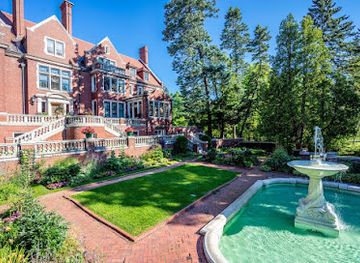
Glensheen Mansion
Explore the historic Glensheen Mansion in Duluth, MN, a stunning lakeside estate showcasing early 20th-century opulence and rich family history.
16 min drive · 5.5 km from city centre
-
Museum
Glensheen Mansion
Explore the exquisite Glensheen Mansion, a historical landmark in Duluth, MN, showcasing opulent architecture and rich history by the shores of Lake Superior.
16 min drive · 5.5 km from city centre
-
Aquarium
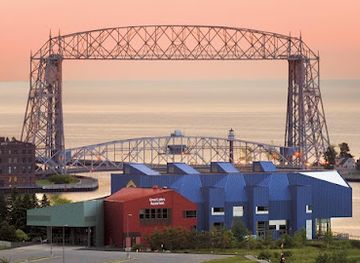
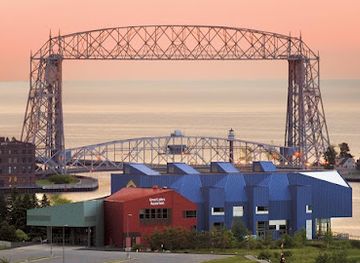
Great Lakes Aquarium
Discover the beauty of aquatic life at the Great Lakes Aquarium, where education meets adventure in Duluth, Minnesota.
9 min walk · 0.7 km from city centre
-
Park
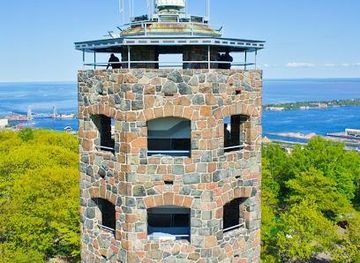
Enger Park
Discover the beauty of Enger Park in Duluth, where stunning views, lush gardens, and historic charm await every visitor.
5 min drive · 1.6 km from city centre

Best landmarks in Duluth
Duluth offers visitors a unique blend of natural beauty and historical charm. From the iconic Aerial Lift Bridge that spans the entrance to the harbor, to the historic Glensheen Mansion overlooking Lake Superior, there is something for everyone to explore. Visitors can take a stroll along the Lakewalk, visit the Great Lakes Aquarium, or hike through the scenic trails of Jay Cooke State Park. Whether you're interested in maritime history, outdoor adventures, or simply enjoying the stunning views of the lake, Duluth has it all.
-
Museum
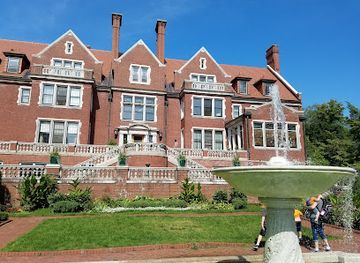
Glensheen Mansion
Explore Glensheen Mansion, a historic landmark in Duluth, showcasing exquisite architecture, lush gardens, and captivating stories from a bygone era.
16 min drive · 5.5 km from city centre
-
Aquarium
Great Lakes Aquarium
Explore the wonders of aquatic life at the Great Lakes Aquarium, where education meets adventure in Duluth, Minnesota's stunning lakeside setting.
9 min walk · 0.7 km from city centre
-
Park
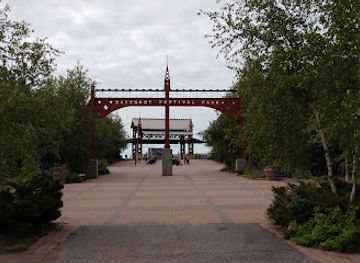
Bayfront Festival Park
Discover the beauty and vibrancy of Bayfront Festival Park in Duluth, a premier destination for relaxation, recreation, and unforgettable live music experiences.
9 min walk · 0.7 km from city centre
-
Bridge
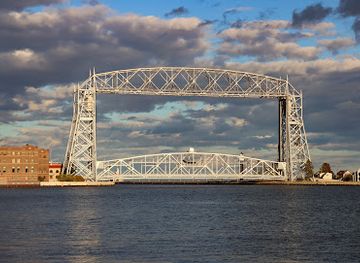
Aerial Lift Bridge
Explore the Aerial Lift Bridge in Duluth, MN—an engineering marvel offering stunning views of Lake Superior and a rich maritime history.
14 min walk · 1.1 km from city centre
Explore Duluth on the map
Plan your Duluth trip on one map. See where the top attractions, landmarks, restaurants, bars and hotels are, find what's near where you're staying, and book hotels and experiences in a few clicks.
Best hotels in Duluth
Best restaurants in Duluth
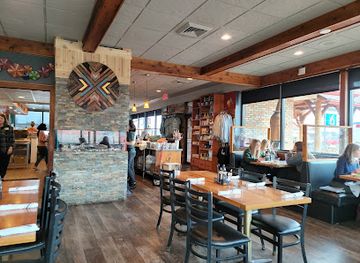
Duluth offers a diverse and vibrant dining scene for visitors to explore, ranging from cozy cafes to upscale restaurants with stunning views of Lake Superior. You can indulge in fresh seafood, locally sourced ingredients, and unique regional specialties, such as wild rice dishes and Scandinavian-inspired cuisine. The city is also home to craft breweries, trendy food trucks, and charming waterfront eateries, ensuring that every palate is satisfied. Whether you're craving a hearty breakfast, a leisurely lunch, or a gourmet dinner, Duluth has something to offer for every taste and budget.
-
Brunch
Duluth Grill
Discover unique flavors at Duluth Grill—your go-to brunch spot in Minnesota's charming Lincoln Park.
9 min drive · 3.1 km from city centre
-
American
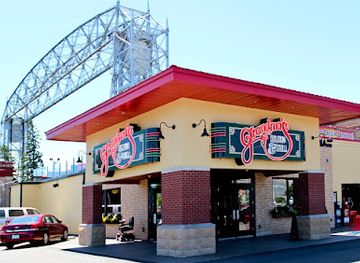
Grandma's Saloon & Grill
Experience the best of American cuisine at Grandma's Saloon & Grill in Duluth's picturesque Canal Park.
13 min walk · 1.1 km from city centre
-
Steak
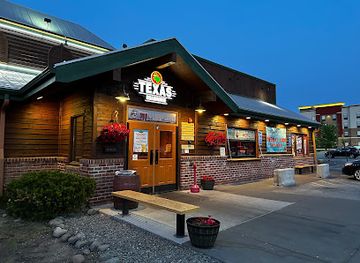
Texas Roadhouse
Savor authentic American cuisine at Texas Roadhouse in Duluth - where every meal is an unforgettable experience.
11 min drive · 3.8 km from city centre
-
Barbecue
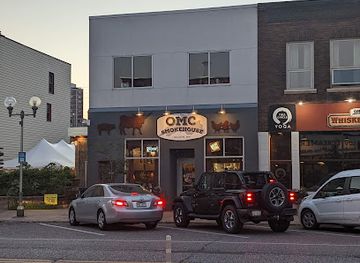
OMC Smokehouse
Discover Duluth's premier barbecue destination at OMC Smokehouse - where smoky flavors meet warm hospitality.
6 min drive · 2.0 km from city centre
Best bars in Duluth
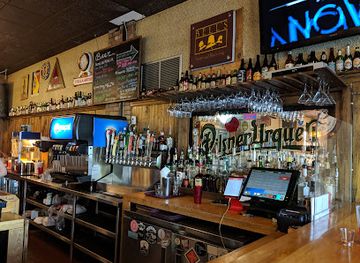
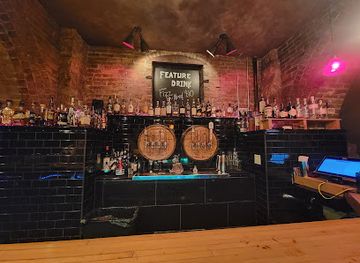
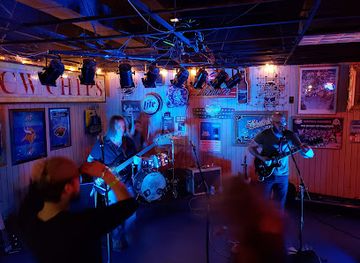
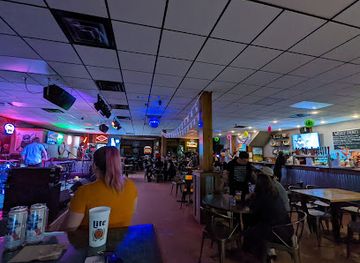
Duluth's nightlife scene offers a vibrant mix of bars and clubs for visitors to enjoy. From cozy craft beer pubs and trendy cocktail lounges to lively dance floors and live music venues, there is something for everyone to experience after dark. Whether you prefer a laid-back evening sipping on local brews or dancing the night away to live bands, Duluth's diverse nightlife scene promises an unforgettable night out for tourists looking to immerse themselves in the city's after-hours energy.
-
Bar
Sir Benedicts Tavern on the Lake
Explore the vibrant flavors of Duluth at Sir Benedicts Tavern on the Lake, where American cuisine meets live music and stunning lake views.
6 min drive · 1.9 km from city centre
-
Grill
310 Pub
Experience the vibrant atmosphere and delicious American grill cuisine at 310 Pub in Canal Park, Duluth, perfect for tourists and locals alike.
10 min walk · 0.8 km from city centre
-
Grill
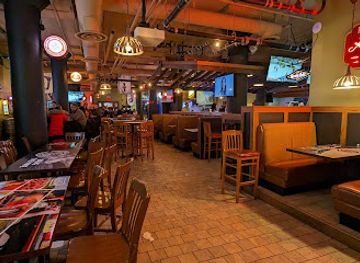
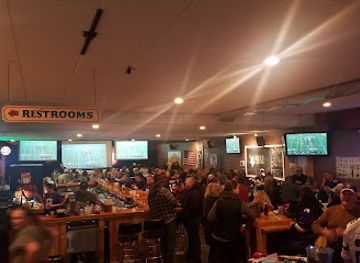
The Other Place Bar & Grill
Discover the vibrant atmosphere and delicious American cuisine at The Other Place Bar & Grill in Duluth, perfect for sports lovers and families alike.
24 min drive · 8.0 km from city centre
-
Bar
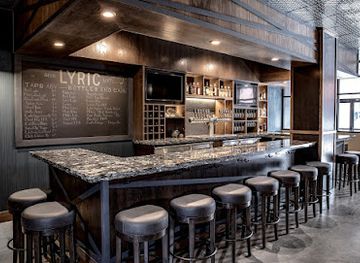
Lyric Kitchen · Bar
Experience the vibrant culinary scene at Lyric Kitchen · Bar in Duluth, where local flavors and a lively atmosphere await every visitor.
6 min walk · 0.5 km from city centre
Best nightclubs in Duluth
Duluth's nightlife scene offers a vibrant mix of bars and clubs for visitors to enjoy. From cozy craft beer pubs and trendy cocktail lounges to lively dance floors and live music venues, there is something for everyone to experience after dark. Whether you prefer a laid-back evening sipping on local brews or dancing the night away to live bands, Duluth's diverse nightlife scene promises an unforgettable night out for tourists looking to immerse themselves in the city's after-hours energy.
-
Lounge
Black Water Lounge
Discover the upscale Black Water Lounge in Duluth, where exquisite dining meets vibrant nightlife, perfect for an unforgettable evening.
14 min walk · 1.1 km from city centre
-
Cocktail bar
The Rathskeller
Discover the lively atmosphere and unique cocktails at The Rathskeller, Duluth's premier cocktail bar and live music venue.
13 min walk · 1.0 km from city centre
-
Bar
The Reef
Experience the vibrant nightlife at The Reef, Duluth's top bar for karaoke, sports, and arcade fun in a lively atmosphere.
11 min drive · 3.6 km from city centre
-
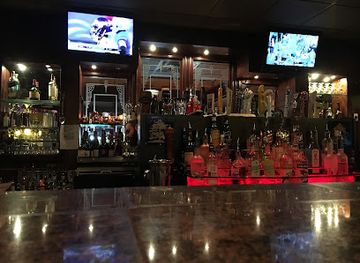
Night club
The Caddy Shack Indoor Golf & Pub
Experience the ultimate fusion of indoor golf, live music, and nightlife at The Caddy Shack in Duluth, Minnesota.
7 min drive · 2.2 km from city centre
Best shops in Duluth
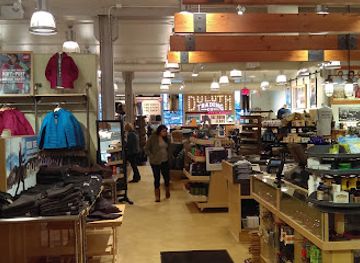
Duluth's shopping scene offers a unique blend of trendy boutiques, charming antique shops, and local artisan markets, making it a paradise for those seeking one-of-a-kind treasures. From the bustling Canal Park district, where you can find everything from outdoor gear to handmade jewelry, to the historic Fitger's complex, home to upscale shops and galleries, there is something for every taste and budget. Don't miss the vibrant farmers' market in the summer months, where you can sample local produce and handmade goods while taking in stunning views of Lake Superior. Whether you're looking for souvenirs, gifts, or just browsing, Duluth's shopping scene is sure to delight visitors of all ages.
-
Shopping mall
Miller Hill Mall
Discover endless shopping and dining experiences at Miller Hill Mall, Duluth's ultimate retail destination.
14 min drive · 4.6 km from city centre
-
Clothing store
Duluth Trading Company
Explore the rugged charm of Duluth Trading Company, renowned for quality men's and women's outdoor apparel and unique gifts in the heart of Duluth.
15 min walk · 1.2 km from city centre
-
Shopping mall
DeWitt–Seitz Marketplace
Explore DeWitt–Seitz Marketplace in Duluth, MN - a vibrant shopping and dining destination showcasing local culture and artisan treasures.
12 min walk · 0.9 km from city centre
-
Outdoor clothing and equipment shop
Duluth Pack Store
Discover Duluth Pack Store, your ultimate destination for outdoor gear, stylish accessories, and leather goods in the heart of Canal Park, Duluth, Minnesota.
12 min walk · 0.9 km from city centre

Get your free copy of our complete guide to Duluth, delivered straight to you.
Everything on this page, from attractions and restaurants to essentials and local phrases, in one PDF you can read offline, print or share.
Already have an account? Sign in
Your Duluth guide is ready.
We'll send it to · Not you? Sign out

Getting your guide ready…
We are putting together a fresh copy of the Duluth guide. This can take up to a minute.
This can take a few moments. If your browser asks, choose Allow so the download can start. You'll find the guide in your Downloads folder.
Nothing happened? Download it again
Sorry, the guide is taking longer than usual. Please try again in a minute, or get it by email instead.
Duluth essentials
Currency and Payment
Safety
Emergency Situations
Do's and Don'ts
Local Tips
From Eve
Local phrases worth knowing
You don't need to get them perfect. A few words go a long way, and locals appreciate the effort.
Basics
| English | Local | Say it |
|---|---|---|
| Hello | Hey there | [Hey thair] |
| Goodbye | Catch you later | [Catch yoo lay-ter] |
| Yes | Yup | [Yuhp] |
| No | Nope | [Nohp] |
| Please/You're welcome | Sure thing | [Shur thing] |
| Thank you | Thanks a lot | [Thanks uh lot] |
| Excuse me/Sorry | Pardon me | [Par-dun me] |
| How are you? | How's it going? | [Hows it go-ing?] |
| Fine. And you? | Not too shabby. You? | [Nawt too shab-bee. Yoo?] |
| Do you speak English? | Ya know English? | [Yuh know Ing-glish?] |
| I don't understand | I'm lost | [I'm lost] |
Eating & Drinking
| English | Local | Say it |
|---|---|---|
| I'd like to see the menu, please | Can I check out the menu? | [Can I chek out the menu?] |
| I don't eat meat | I'm vegetarian | [I'm ve-juh-tair-ee-an] |
| Cheers! | Bottoms up! | [Bot-tums up!] |
| I would like to pay, please | Can I settle up, please | [Can I set-tul up, please] |
Emergencies
| English | Local | Say it |
|---|---|---|
| Help! | I need a hand! | [I need uh hand!] |
| Go away! | Beat it! | [Beat it!] |
| Call the Police! | Get the cops! | [Get the cops!] |
| Call a doctor! | Ring up a doc! | [Ring up uh doc!] |
| I'm lost | I'm turned around | [I'm turned uh-round] |
| I'm ill | I'm under the weather | [I'm under the weath-er] |
Shopping
| English | Local | Say it |
|---|---|---|
| I'd like to buy... | I'm interested in... | [I'm in-ter-es-ted in...] |
| I'm just looking | Just browsing | [Just brow-zing] |
| How much is it? | What's the damage? | [Whats the dam-age?] |
| That's too expensive | That's a bit steep | [That's uh bit steep] |
| Can you lower the price? | Can you cut me a deal? | [Can you cut me a deal?] |
Time & Numbers
| English | Local | Say it |
|---|---|---|
| What time is it? | What's the time? | [Whats the time?] |
| It's one o'clock | It's one | [Its one] |
| Half past (10) | Ten thirty | [Ten thur-tee] |
| Morning | AM | [AM] |
| Afternoon | PM | [PM] |
| Evening | Evening | [Evening] |
| Yesterday | Yesterday | [Yesterday] |
| Today | Today | [Today] |
| Tomorrow | Tomorrow | [Tomorrow] |
| 1 | One | [Wun] |
| 2 | Two | [Too] |
| 3 | Three | [Three] |
| 4 | Four | [Four] |
| 5 | Five | [Five] |
| 6 | Six | [Six] |
| 7 | Seven | [Seven] |
| 8 | Eight | [Ate] |
| 9 | Nine | [Nine] |
| 10 | Ten | [Ten] |
Transport & Directions
| English | Local | Say it |
|---|---|---|
| Where's a/the...? | Where's the...? | [Wheres the...?] |
| What's the address? | What's the addy? | [Whats the addy?] |
| Can you show me (on the map)? | Can you point it out (on the map)? | [Can you point it out (on the map)?] |
| When's the next (bus)? | When's the next (bus)? | [Whens the next (bus)?] |
| A ticket (to ....) | A pass (to ....) | [A pass (to ....)] |
History of Duluth
The Indigenous Roots
Long before European settlers arrived, the area now known as Duluth was inhabited by the Anishinaabe people, also known as the Ojibwe. They called the region 'Onigamiinsing', which means 'at the little portage'. The Ojibwe lived off the land, relying on the rich resources of Lake Superior for fishing and the surrounding forests for hunting and gathering.
The Arrival of Daniel Greysolon
In 1679, French explorer Daniel Greysolon, Sieur du Lhut, arrived in the area, becoming one of the first Europeans to explore the western shores of Lake Superior. His exploration helped establish fur trading routes and relationships with the local Indigenous tribes. The city of Duluth is named in his honor.
The Fur Trade Era
Throughout the 18th and early 19th centuries, Duluth was a bustling hub for the fur trade. The North West Company and later the American Fur Company established trading posts in the area, fostering economic activity and cultural exchanges between European traders and the Indigenous population.
The Birth of Duluth
Duluth was officially founded in 1856, as the area saw an influx of settlers due to the promise of rich resources and strategic location. The city was incorporated in 1870, rapidly growing due to its significance as a transportation and trade center, especially with the development of the railroad and shipping industries.
The Zenith City
In the late 19th and early 20th centuries, Duluth earned the nickname 'The Zenith City of the Unsalted Seas' due to its booming economy and strategic position on the Great Lakes. It became a major port for shipping iron ore, coal, and grain, fueling the region's industrial growth.
The Great Fire of 1918
One of the most devastating events in Duluth’s history was the Cloquet Fire in October 1918. The fire, fueled by dry conditions and strong winds, spread rapidly across northeastern Minnesota, including parts of Duluth. It caused widespread destruction, resulting in the loss of hundreds of lives and significant property damage.
The Rise of Tourism
In the mid-20th century, Duluth began to transition from an industrial hub to a tourism destination. The city leveraged its natural beauty, with attractions like the Aerial Lift Bridge, Canal Park, and the scenic North Shore Drive becoming major draws for visitors. The development of these attractions helped revitalize the local economy.
Cultural and Educational Growth
Duluth has also become known for its educational and cultural institutions. The University of Minnesota Duluth, founded in 1947, has grown into a major university, contributing to the city's vibrant cultural scene. The Duluth Entertainment Convention Center and the annual Duluth Superior Film Festival are just a few examples of the city's diverse cultural offerings.
The Legacy of Bob Dylan
Duluth is the birthplace of the iconic musician Bob Dylan, born Robert Zimmerman in 1941. Although he moved to Hibbing, Minnesota, during his childhood, Dylan’s legacy is celebrated in Duluth, with various landmarks and events commemorating his connection to the city.
Duluth in Photos
Browse through our photo collection highlighting the charm and character of the destination.
Cities near Duluth
The closest cities to Duluth, if you have time for more than one stop.
-
 Ely
Discover Ely, Minnesota - a picturesque haven offering outdoor adventures, unique wildlife experiences, and a warm, welcoming community atmosphere.
2 h 26 min drive · 126 km from city centre
Ely
Discover Ely, Minnesota - a picturesque haven offering outdoor adventures, unique wildlife experiences, and a warm, welcoming community atmosphere.
2 h 26 min drive · 126 km from city centre
-
 Grand Marais
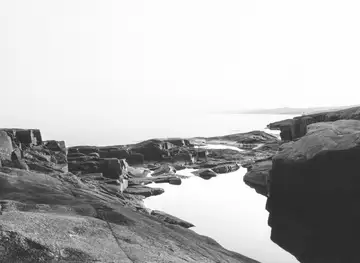
Discover Grand Marais, Minnesota: A picturesque town on Lake Superior's shore, offering stunning landscapes, a vibrant art scene, and endless outdoor adventures.
3 h 12 min drive · 172 km from city centre
Grand Marais
Discover Grand Marais, Minnesota: A picturesque town on Lake Superior's shore, offering stunning landscapes, a vibrant art scene, and endless outdoor adventures.
3 h 12 min drive · 172 km from city centre
-
 Stillwater
Discover Stillwater, Minnesota – a scenic river town with historic charm, vibrant culture, and outdoor adventures waiting around every corner.
Stillwater
Discover Stillwater, Minnesota – a scenic river town with historic charm, vibrant culture, and outdoor adventures waiting around every corner.
-
 Saint Cloud
Discover Saint Cloud, Minnesota: A charming city with beautiful parks, rich history, vibrant arts, and friendly locals, nestled along the Mississippi River.
3 h 49 min drive · 209 km from city centre
Saint Cloud
Discover Saint Cloud, Minnesota: A charming city with beautiful parks, rich history, vibrant arts, and friendly locals, nestled along the Mississippi River.
3 h 49 min drive · 209 km from city centre
-
 Saint Paul
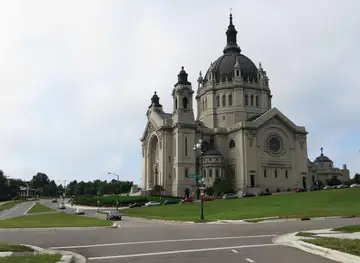
Discover Saint Paul, Minnesota's capital city, where history, culture, and modern charm converge along the banks of the Mississippi River.
Saint Paul
Discover Saint Paul, Minnesota's capital city, where history, culture, and modern charm converge along the banks of the Mississippi River.
Swipe for more cities

