

Free Mankato Travel Guide & Mobile App
Plan your Mankato trip with Evendo. Get free guides to top attractions, restaurants, hotels, and bars. Web access or download the mobile app.


Mankato, Minnesota, pairs Blue Earth River scenery with Dakota history, local museums, university culture, outdoor trails and southern Minnesota towns.
River City and Regional Centre
Mankato lies in southern Minnesota, where the Blue Earth River joins the Minnesota River amid wooded bluffs, broad floodplains and fertile farmland. Its compact centre combines an active university community with civic institutions, independent businesses and a walkable riverfront, while the surrounding landscape provides an unusually accessible setting for cycling, hiking, golf and winter sports. The city serves as a cultural and commercial centre for the wider Minnesota River Valley, yet retains the approachable scale of a regional Midwestern community.Read more about Mankato
History in the Landscape
Culture, Trails and Local Life
When is the best time to visit Mankato?
Best: May–June, September · 22–27°C| Month | High (°C) | Rainfall (mm) |
|---|---|---|
| January | -6 | 20 |
| February | -4 | 20 |
| March | 6 | 31 |
| April | 16 | 46 |
| May (best) | 22 | 66 |
| June (best) | 27 | 86 |
| July | 28 | 97 |
| August | 27 | 86 |
| September (best) | 23 | 76 |
| October | 16 | 56 |
| November | 6 | 36 |
| December | -2 | 25 |
Getting to and around Mankato
How to get there
Transportation
Best attractions in Mankato
Mankato’s attractions combine regional history, family-oriented culture and outdoor access. The Blue Earth County Historical Society and its museum explain the area’s Indigenous, agricultural and civic past, while the Children’s Museum of Southern Minnesota offers hands-on exhibits for younger visitors. Downtown, the Carnegie Art Center occupies a former library building and presents changing exhibitions and community arts activity. Riverside parks, including Sibley Park and Land of Memories Park, provide space for walking, picnicking and views towards the Minnesota River. The Red Jacket Trail extends the city’s reach into wooded and open landscapes and is popular with cyclists and walkers. Sports and performances at Minnesota State University, Mankato add a lively dimension to the calendar. Just beyond the urban area, Minneopa State Park offers prairie, woodland and a waterfall, while Mount Kato provides seasonal outdoor recreation on the city’s southern edge.
-
Tourist attraction
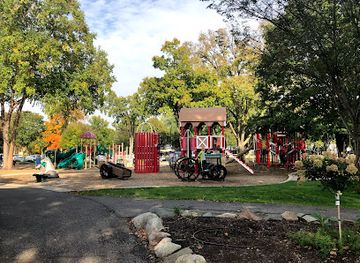
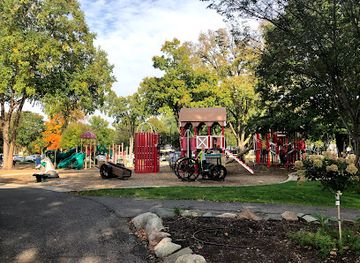
Sibley Park
Explore Sibley Park, a beautiful urban park in Mankato, Minnesota, perfect for outdoor activities, picnics, and family fun amidst nature's tranquility.
14 min drive · 4.7 km from city centre
-
Bowling alley
Wow! Zone
Discover the ultimate family entertainment destination at Wow! Zone in Mankato, featuring bowling, arcade fun, laser tag, and a delicious menu.
8 min drive · 2.6 km from city centre
-
Tourist attraction
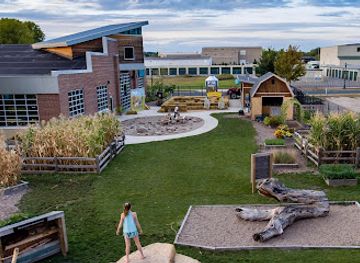
Children's Museum of Southern Minnesota
Discover creativity and fun at the Children's Museum of Southern Minnesota, a top-rated interactive destination for families and children in Mankato.
10 min drive · 3.2 km from city centre
-
Tourist attraction
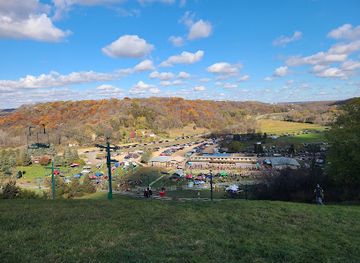
Mount Kato Ski Area
Discover the thrill of winter sports at Mount Kato Ski Area, an ideal ski resort in Minnesota with diverse slopes for every adventurer.
19 min drive · 6.3 km from city centre

Best landmarks in Mankato
Mankato’s landmarks reveal the layered history of a river city and regional centre. Reconciliation Park, near the Minnesota River, commemorates the 38 Dakota men executed in Mankato in 1862 and places remembrance within a broader conversation about Dakota history and reconciliation. The Hubbard House, a preserved nineteenth-century residence, represents the city’s early civic and commercial elite, while the Betsy-Tacy Houses recall the childhood world that inspired Maud Hart Lovelace’s beloved books set in fictional Deep Valley. Downtown’s historic commercial buildings and the Carnegie Art Center, housed in a former Carnegie library, reflect the civic investment of the late nineteenth and early twentieth centuries. Minnesota State University, Mankato’s campus is another defining feature, occupying elevated ground above the city and expressing the importance of education in Mankato’s modern development.
-
Restaurant
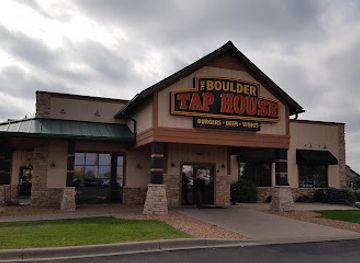
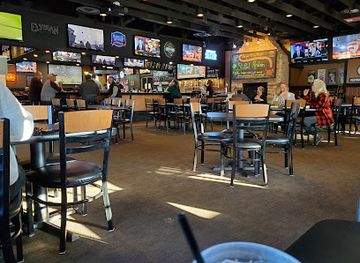
Boulder Tap House - Mankato
Experience the vibrant atmosphere and diverse menu at Boulder Tap House in Mankato, where delicious burgers and craft beers await.
5 min drive · 1.8 km from city centre
-
Park
Sibley Park
Experience the tranquility and recreational wonders of Sibley Park in Mankato, Minnesota, where nature and community converge.
14 min drive · 4.7 km from city centre
-
Bar
NaKato Bar & Grill
Discover the vibrant flavors of Mankato at NaKato Bar & Grill, where delicious food and refreshing drinks come together in a lively atmosphere.
8 min drive · 2.6 km from city centre
-
Coffee shop
Coffee Hag
Discover Coffee Hag, Mankato's favorite coffee shop and bakery, where rich brews meet delicious pastries in a cozy riverside setting.
6 min drive · 1.9 km from city centre
Explore Mankato on the map
Plan your Mankato trip on one map. See where the top attractions, landmarks, restaurants, bars and hotels are, find what's near where you're staying, and book hotels and experiences in a few clicks.
Best hotels in Mankato
Best restaurants in Mankato
Mankato’s dining scene reflects southern Minnesota’s agricultural setting and its university population. Downtown restaurants, cafés and bars range from familiar American comfort food to contemporary cooking, while independent bakeries and coffee shops give the centre a relaxed daytime rhythm. Regional staples such as walleye, burgers, locally sourced produce, dairy products and baked goods appear alongside international cuisines brought by students, immigrants and newer residents. Farmers’ markets and seasonal community events provide opportunities to encounter local vegetables, preserves, honey and prepared foods, although their schedules vary through the year. Around Minnesota State University, Mankato, casual restaurants and affordable cafés cater to a younger clientele, while the wider commercial area contains familiar chains and larger dining rooms. The result is a practical, varied food culture rather than a narrowly defined regional cuisine.
-
Restaurant
Boulder Tap House - Mankato
Savor delicious burgers and craft beers at Boulder Tap House in Mankato - where flavor meets fun!
5 min drive · 1.8 km from city centre
-
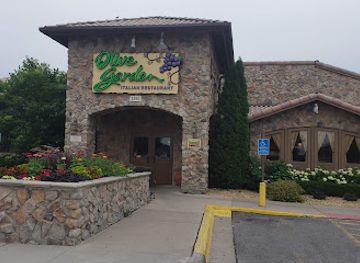
Italian
Olive Garden Italian Restaurant
Experience authentic Italian cuisine at Olive Garden in Mankato – where family traditions meet modern flavors.
6 min drive · 2.1 km from city centre
-
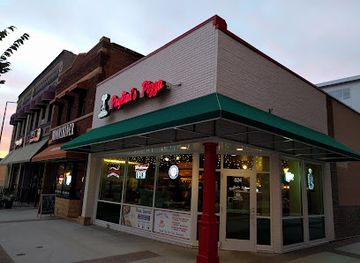
Pizza
Pagliai's Pizza
Discover Mankato's culinary gem at Pagliai's Pizza - where fresh ingredients meet delightful flavors in every slice.
8 min drive · 2.7 km from city centre
-
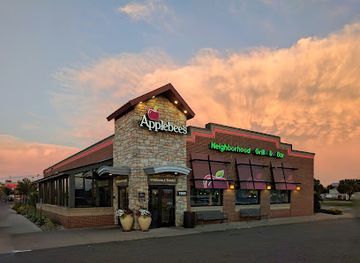
Restaurant
Applebee's Grill + Bar
Experience the best of American dining at Applebee's Grill + Bar in Mankato - where family-friendly meals meet vibrant atmosphere.
7 min drive · 2.2 km from city centre
Best bars in Mankato
Mankato’s evening life is concentrated around downtown and the university area, with a mixture of pubs, casual bars, breweries, live-music evenings and venues hosting community events. The atmosphere changes with the academic calendar: students add energy during term time, while weekends and festival periods draw residents from across the surrounding region. Some evenings are better suited to conversation over a locally produced beer or cocktail, whereas established entertainment spaces may present bands, comedy or other performances. The city is not a major nightclub destination, and late-night choices are more limited than in Minneapolis or Saint Paul. Theatre, university performances, gallery receptions and sporting events provide important alternatives to bar-based nightlife. Visitors should carry identification, use a safe ride home and remember that alcohol service and entry are governed by Minnesota law.
-
Restaurant
Pub 500
Discover the culinary delights of Pub 500, a premier gastropub in Mankato, offering a diverse menu of American cuisine and an enticing drink selection.
8 min drive · 2.6 km from city centre
-
Pub
Tav on the Ave
Experience the vibrant atmosphere and delicious local fare at Tav on the Ave, Mankato's favorite pub for food and fun.
6 min walk · 0.5 km from city centre
-
Bar
NaKato Bar & Grill
Discover the lively atmosphere of NaKato Bar & Grill, where delicious food and great drinks await you in the heart of Mankato, Minnesota.
8 min drive · 2.6 km from city centre
-
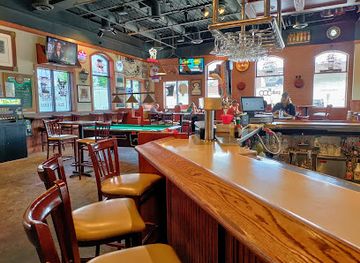
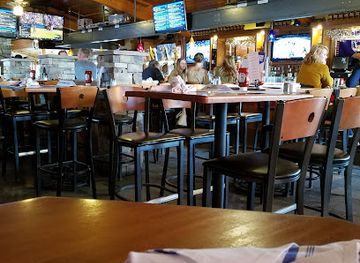
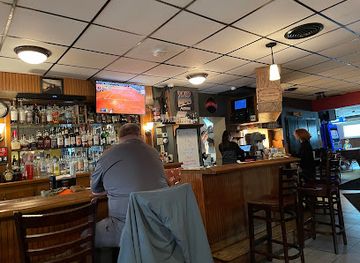
Sports bar
Ummie's
Experience the vibrant atmosphere of Ummie's, Mankato's go-to sports bar for great food, drinks, and live sports action.
8 min drive · 2.7 km from city centre

Best nightclubs in Mankato
Mankato’s evening life is concentrated around downtown and the university area, with a mixture of pubs, casual bars, breweries, live-music evenings and venues hosting community events. The atmosphere changes with the academic calendar: students add energy during term time, while weekends and festival periods draw residents from across the surrounding region. Some evenings are better suited to conversation over a locally produced beer or cocktail, whereas established entertainment spaces may present bands, comedy or other performances. The city is not a major nightclub destination, and late-night choices are more limited than in Minneapolis or Saint Paul. Theatre, university performances, gallery receptions and sporting events provide important alternatives to bar-based nightlife. Visitors should carry identification, use a safe ride home and remember that alcohol service and entry are governed by Minnesota law.
-
Bar
NaKato Bar & Grill
Discover the lively ambiance and delicious offerings at NaKato Bar & Grill, a top destination for food and fun in Mankato, Minnesota.
8 min drive · 2.6 km from city centre
-
Grill
Rounders Sports Bar & Grill
Discover the energetic vibe of Rounders Sports Bar & Grill in Mankato, MN – where delicious food meets sports excitement in a vibrant setting.
8 min drive · 2.5 km from city centre
-
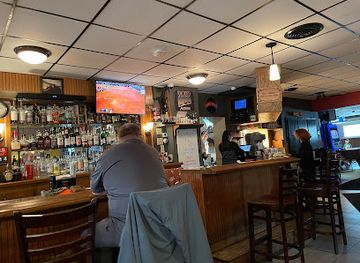
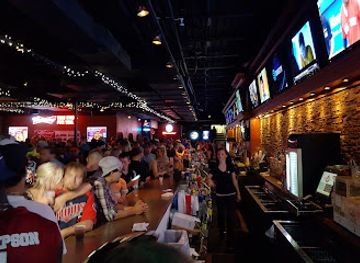
Bar
Underground Bar & Grill
Discover the Underground Bar & Grill in Mankato, where delicious food, live music, and a vibrant nightlife create unforgettable experiences.
8 min drive · 2.5 km from city centre
-
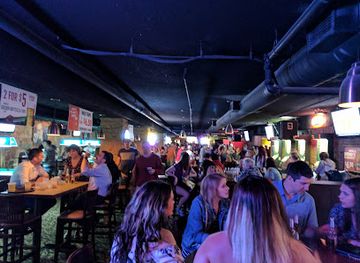
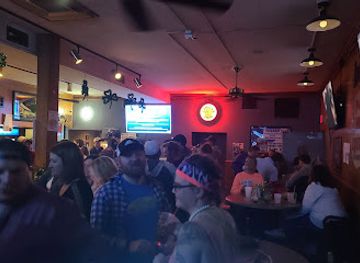
Bar
Circle Inn
Experience lively nights at Circle Inn, where great drinks, live music, and a friendly atmosphere come together in North Mankato.
8 min drive · 2.5 km from city centre
Best shops in Mankato
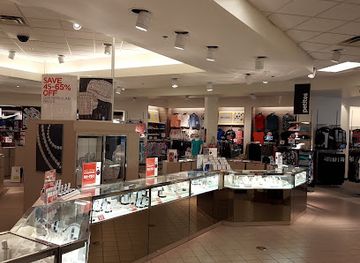
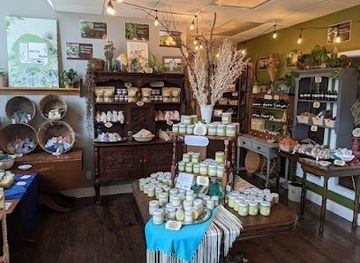
Shopping in Mankato is divided between the independent businesses and heritage buildings of downtown, the larger retail concentration around River Hills Mall and Madison Avenue, and seasonal markets serving local producers. Downtown shops sell clothing, books, gifts, art and homewares, while galleries and craft retailers offer more distinctive alternatives to standard chain-store purchases. Farmers’ markets and community events may feature Minnesota-grown produce, baked goods, honey, preserves and handmade items, with availability changing through the season. Visitors interested in the region’s history can look for Dakota-related educational material and locally produced arts, while those seeking practical retail choice will find department stores and national brands in the commercial districts outside the centre. Mankato’s shopping character is therefore regional and service-oriented, with its most individual atmosphere found among downtown independents and temporary market stalls.
-
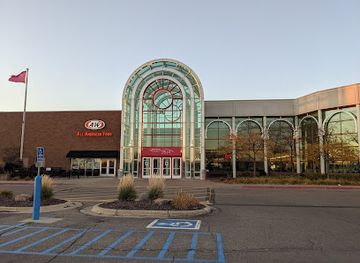
Shopping mall
River Hills Mall
Explore River Hills Mall in Mankato, Minnesota - a vibrant shopping hub with over 130 stores, diverse dining options, and year-round entertainment.
5 min drive · 1.7 km from city centre
-
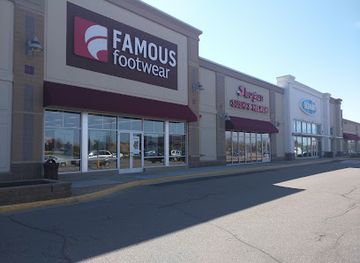
Shopping mall
Mankato Heights Plaza
Discover a vibrant shopping experience at Mankato Heights Plaza, featuring diverse stores, dining options, and entertainment in the heart of Minnesota.
7 min drive · 2.3 km from city centre
-
Department store
JCPenney
Experience diverse shopping at JCPenney in Mankato, where you’ll find clothing, furniture, jewelry, and shoes for every taste and budget.
5 min drive · 1.7 km from city centre
-
Natural goods store
Lakota Made LLC
Explore Lakota Made LLC in Mankato, MN: Your destination for authentic Native American goods, natural remedies, and holistic wellness.
5 min drive · 1.8 km from city centre
Get your free copy of our complete guide to Mankato, delivered straight to you.
Everything on this page, from attractions and restaurants to essentials and local phrases, in one PDF you can read offline, print or share.
Already have an account? Sign in
Your Mankato guide is ready.
We'll send it to · Not you? Sign out

Getting your guide ready…
We are putting together a fresh copy of the Mankato guide. This can take up to a minute.
This can take a few moments. If your browser asks, choose Allow so the download can start. You'll find the guide in your Downloads folder.
Nothing happened? Download it again
Sorry, the guide is taking longer than usual. Please try again in a minute, or get it by email instead.
Mankato essentials
Currency and Payment
Safety
Emergency Situations
Do's and Don'ts
Local Tips
From Eve
Local phrases worth knowing
You don't need to get them perfect. A few words go a long way, and locals appreciate the effort.
Basics
| English | Local | Say it |
|---|---|---|
| Hello | Howdy | [hou-dee] |
| Goodbye | See ya | [see yah] |
| Yes | Yep | [yep] |
| No | Nah | [nuh] |
| Please/You're welcome | Please/No problem | [pleez/no prob-lem] |
| Thank you | Thanks | [thanks] |
| Excuse me/Sorry | Pardon me/My bad | [par-dn me/my bad] |
| How are you? | How's it goin'? | [hows it go-in] |
| Fine. And you? | Good. You? | [good. yoo] |
| Do you speak English? | Ya speak English? | [ya speak ing-glish] |
| I don't understand | I'm lost | [im lost] |
Eating & Drinking
| English | Local | Say it |
|---|---|---|
| I'd like to see the menu, please | Can I check out the menu? | [can i chek out the menu] |
| I don't eat meat | No meat for me | [no meet for me] |
| Cheers! | Cheers! | [cheers] |
| I would like to pay, please | Check please | [chek please] |
Emergencies
| English | Local | Say it |
|---|---|---|
| Help! | Help! | [help] |
| Go away! | Get outta here! | [get outta here] |
| Call the Police! | Police! | [poh-leece] |
| Call a doctor! | Doctor! | [doc-ter] |
| I'm lost | I'm lost | [im lost] |
| I'm ill | I'm sick | [im sik] |
Shopping
| English | Local | Say it |
|---|---|---|
| I'd like to buy... | I wanna buy... | [i wanna buy] |
| I'm just looking | Just browsing | [just bro-sing] |
| How much is it? | How much? | [how much] |
| That's too expensive | Too pricey | [too prye-see] |
| Can you lower the price? | Can ya do a deal? | [can ya do a deal] |
Time & Numbers
| English | Local | Say it |
|---|---|---|
| What time is it? | What time is it? | [what time is it] |
| It's one o'clock | It's one | [its one] |
| Half past (10) | Half past ten | [half past ten] |
| Morning | Morning | [morning] |
| Afternoon | Afternoon | [afternoon] |
| Evening | Evening | [evening] |
| Yesterday | Yesterday | [yes-ter-day] |
| Today | Today | [to-day] |
| Tomorrow | Tomorrow | [to-mor-row] |
| 1 | One | [wun] |
| 2 | Two | [too] |
| 3 | Three | [three] |
| 4 | Four | [for] |
| 5 | Five | [five] |
| 6 | Six | [six] |
| 7 | Seven | [sev-en] |
| 8 | Eight | [ayt] |
| 9 | Nine | [nine] |
| 10 | Ten | [ten] |
Transport & Directions
| English | Local | Say it |
|---|---|---|
| Where's a/the...? | Where's the...? | [wheres the] |
| What's the address? | Address? | [add-dress] |
| Can you show me (on the map)? | Show me on map? | [show me on map] |
| When's the next (bus)? | Next bus? | [next bus] |
| A ticket (to ....) | Ticket (to ...) | [ticket (to)] |
History of Mankato
Dakota Homeland and Mahkato
The Mankato area has long been part of the homeland of the Dakota people, whose communities travelled, hunted, farmed and traded along the Minnesota River and its tributaries. The name Mankato is associated with Mahkato, commonly translated as “blue earth”, a reference to the region’s blue clay or earth deposits. River confluences made the area important for movement and exchange, while the prairie, woodland and wetland environment supported established Dakota lifeways. Any account of Mankato’s history begins with this Indigenous presence rather than with nineteenth-century American settlement, and contemporary interpretation increasingly places Dakota history and living cultural identity at the centre of the city’s historical landscape.
American Settlement and City Formation
Following the expansion of the United States into southern Minnesota, Euro-American settlement grew around the river crossing and the area’s agricultural potential during the 1850s. Mankato was platted in 1852 and developed as a transport and commercial point in the Minnesota River Valley. River traffic, milling, farming and merchant activity supported its growth, while roads and later rail connections strengthened links with other parts of the state. The settlement was incorporated as a city in 1868. Surviving civic buildings and historic neighbourhoods reflect the prosperity and institutional development that followed as Mankato became a regional centre.
The US–Dakota War of 1862
The US–Dakota War of 1862 emerged from broken treaties, delayed annuity payments, hunger, land pressure and increasingly hostile relations between the Dakota and the United States. After the conflict, hundreds of Dakota prisoners were held at Camp Lincoln in Mankato. On 26 December 1862, 38 Dakota men were hanged in the city in the largest mass execution in United States history. The event remains a central and painful part of Mankato’s identity. Reconciliation Park, the annual Dakota Wacipi and related educational work reflect continuing efforts to acknowledge the lives lost, the broader consequences of the war and the enduring presence of Dakota people.
Railways, Industry and Regional Growth
During the late nineteenth and early twentieth centuries, railways and river-linked commerce helped Mankato expand beyond its original settlement. Agricultural processing, manufacturing, retail and public institutions grew alongside the city’s role as a service centre for surrounding farms and smaller communities. Bridges, warehouses, schools and commercial buildings altered the riverfront and downtown, while electric utilities and improved roads encouraged further urban development. The area’s industrial history is also connected with the wider Minnesota River Valley’s farming economy. Historic homes, commercial blocks and civic structures now provide visible reminders of the period when transport and manufacturing reshaped Mankato.
Education and Contemporary Mankato
Higher education became an increasingly important influence on Mankato’s economy and cultural life. The institution now known as Minnesota State University, Mankato began in 1868 as a normal school and developed into a public university with a major campus overlooking the city. Its students, faculty, performances, exhibitions and sporting events contribute to Mankato’s contemporary identity. At the same time, riverfront redevelopment, heritage preservation, museums and public art have supported a renewed civic focus on the city centre. Modern Mankato therefore combines a regional agricultural and industrial legacy with university-led cultural activity and a more prominent interpretation of its Dakota history.
Mankato in Photos
Browse through our photo collection highlighting the charm and character of the destination.
Cities near Mankato
The closest cities to Mankato, if you have time for more than one stop.
-

-
-
-

-


Swipe for more cities
Explore more

Explore more of Minnesota
Discover Minnesota: From the bustling Twin Cities and cultural landmarks to the serene lakes and expansive wilderness, experience the diverse beauty and welcoming spirit of the North Star State.
Explore Minnesota