

Free Minneapolis Travel Guide & Mobile App
Plan your Minneapolis trip with Evendo. Get free guides to top attractions, restaurants, hotels, and bars. Web access or download the mobile app.


Explore Minneapolis: A harmonious blend of lakes, arts, and cuisine in the heart of Minnesota. Discover vibrant culture, stunning nature, and culinary delights.
Read more about Minneapolis
When is the best time to visit Minneapolis?
Best: June, August–September · 21–28°C| Month | High (°C) | Rainfall (mm) |
|---|---|---|
| January | -3 | 25 |
| February | 0 | 21 |
| March | 6 | 31 |
| April | 16 | 61 |
| May | 21 | 85 |
| June (best) | 26 | 102 |
| July | 29 | 95 |
| August (best) | 28 | 90 |
| September (best) | 21 | 70 |
| October | 14 | 61 |
| November | 4 | 36 |
| December | -2 | 25 |
Getting to and around Minneapolis
How to get there
Transportation
Best attractions in Minneapolis
Minneapolis, Minnesota offers visitors a perfect blend of urban sophistication and natural beauty. From the iconic Mall of America, the largest shopping mall in the United States, to the historic Mill City Museum and the breathtaking Minnehaha Falls, there is something for everyone. Explore the vibrant arts scene in the Northeast Arts District, take a stroll around the picturesque Chain of Lakes, or visit the renowned Walker Art Center. Don't miss the chance to catch a show at the famous Guthrie Theater or experience the electric atmosphere of a Minnesota Twins baseball game at Target Field. With a rich history, diverse cultural offerings, and endless outdoor activities, Minneapolis is a must-visit destination for any traveler.
-
Stadium
U.S. Bank Stadium
Experience the excitement of U.S. Bank Stadium, a modern architectural marvel hosting unforgettable events in Minneapolis, from NFL games to spectacular concerts.
18 min walk · 1.4 km from city centre
-
Stadium
Target Field
Discover the excitement of Target Field, the premier destination for baseball fans in Minneapolis, showcasing thrilling games and vibrant atmosphere.
7 min drive · 2.2 km from city centre
-
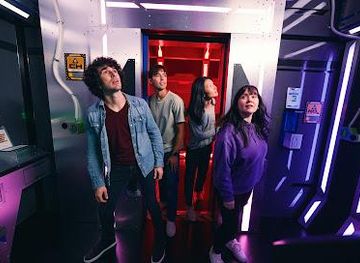
Escape room center
The Escape Game Minneapolis
Experience the thrill of immersive puzzles and teamwork at The Escape Game Minneapolis, a top-rated escape room adventure in Bloomington, Minnesota.
32 min drive · 12 km from city centre
-
Park
Minnehaha Regional Park
Explore the enchanting Minnehaha Regional Park, home to stunning waterfalls, scenic trails, and diverse wildlife in the heart of Minneapolis.
21 min drive · 6.9 km from city centre



Best landmarks in Minneapolis
Minneapolis offers visitors a rich tapestry of landmarks to explore, from the iconic Stone Arch Bridge overlooking the Mississippi River to the historic Mill City Museum showcasing the city's milling heritage. Art enthusiasts can marvel at the contemporary works at the Walker Art Center and the outdoor sculpture garden featuring the famous Spoonbridge and Cherry. For a taste of history, visitors can tour the historic Guthrie Theater, visit the historic State Capitol building, or explore the historic Fort Snelling. Nature lovers can escape to Minnehaha Park and admire the stunning Minnehaha Falls, or stroll through the scenic landscapes of the Minneapolis Sculpture Garden. With a vibrant mix of culture, history, and natural beauty, Minneapolis has something for every type of visitor to enjoy.
-
Art museum
Minneapolis Institute of Art
Explore the Minneapolis Institute of Art, a cultural gem showcasing a vast collection of artworks from ancient to contemporary, perfect for all art lovers.
8 min walk · 0.6 km from city centre
-
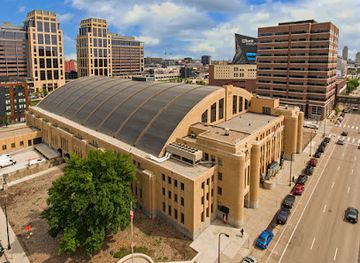
Live Music
The Armory
Discover The Armory, Minneapolis' premier live music venue and event space, where history meets modern entertainment in a vibrant setting.
18 min walk · 1.4 km from city centre
-
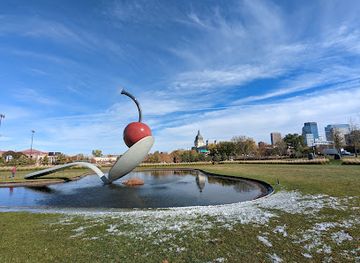
Park
Minneapolis Sculpture Garden
Explore the Minneapolis Sculpture Garden, a vibrant cultural landmark featuring stunning sculptures and lush landscapes, perfect for art lovers and nature enthusiasts.
6 min drive · 1.9 km from city centre
-
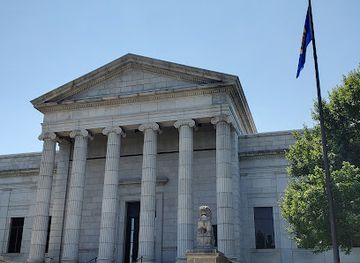
Performing arts theater
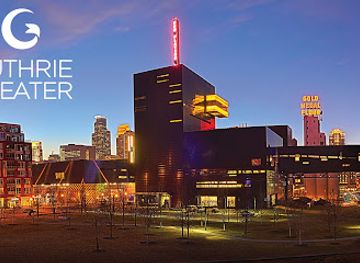
Guthrie Theater
Experience the magic of live performances at the Guthrie Theater, a landmark of creativity and innovation in Minneapolis, Minnesota.
6 min drive · 1.9 km from city centre
Explore Minneapolis on the map
Plan your Minneapolis trip on one map. See where the top attractions, landmarks, restaurants, bars and hotels are, find what's near where you're staying, and book hotels and experiences in a few clicks.
Neighbourhoods in Minneapolis
-

-


Swipe for more neighbourhoods
Best hotels in Minneapolis
Best restaurants in Minneapolis
Minneapolis boasts a diverse and vibrant dining scene that caters to all tastes and preferences. From trendy farm-to-table restaurants serving up locally sourced ingredients to cozy cafes offering artisanal coffees and pastries, visitors can indulge in a culinary adventure like no other. The city is also known for its thriving food truck culture, where you can sample a variety of global cuisines on the go. For those looking for a taste of Minnesota, traditional supper clubs and seafood joints along the Mississippi River provide a unique dining experience. Whether you're craving upscale dining or casual eats, Minneapolis has something to satisfy every palate.
-
Brazilian
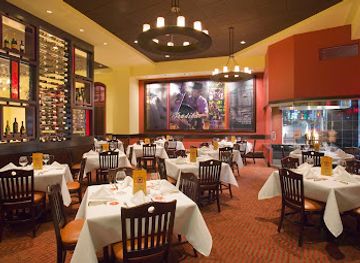
Fogo de Chão Brazilian Steakhouse
Indulge in an authentic Brazilian steakhouse experience at Fogo de Chão in Minneapolis—where flavors meet tradition.
5 min drive · 1.7 km from city centre
-
American
Hell's Kitchen Inc.
Experience vibrant American cuisine at Hell's Kitchen Inc., where flavor meets creativity in the heart of Minneapolis.
17 min walk · 1.4 km from city centre
-
American
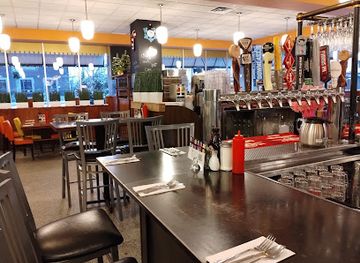
Hen House Eatery
Experience the charm of Hen House Eatery in Minneapolis – where delightful American comfort food meets cozy ambiance.
17 min walk · 1.4 km from city centre
-
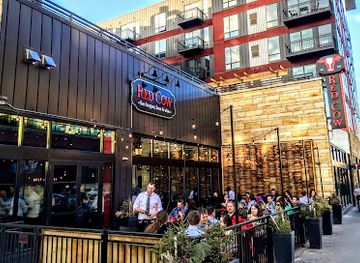
Restaurant
Red Cow North Loop
Discover Red Cow North Loop: A Culinary Gem in Minneapolis Offering Gourmet Burgers and Unique American Dishes.
7 min drive · 2.3 km from city centre
Best bars in Minneapolis
Minneapolis offers a vibrant and diverse nightlife scene that caters to all tastes and preferences. From trendy cocktail bars and rooftop lounges with stunning views of the city skyline, to lively nightclubs with top DJs and live music venues showcasing local talent, there is something for everyone to enjoy. The city is known for its craft beer scene, with numerous breweries and taprooms to explore. Visitors can also experience unique themed bars and speakeasies for a more intimate and immersive experience. Whether you're looking to dance the night away or relax with a craft cocktail, Minneapolis has it all.
-
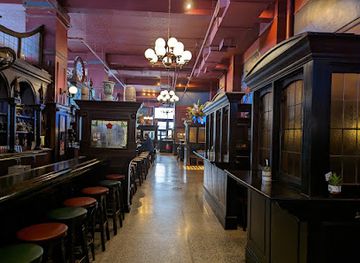
Pub
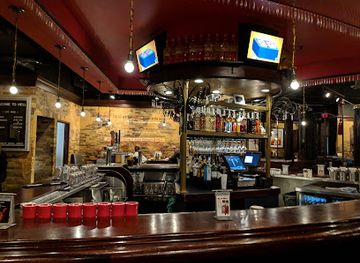
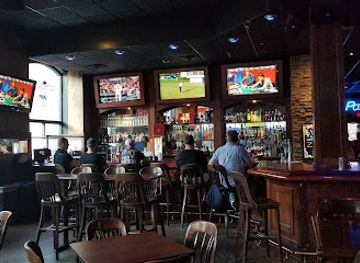
Brit's Pub
Discover Brit's Pub, a vibrant British pub in Minneapolis, offering delicious food, refreshing drinks, and a fantastic rooftop patio.
16 min walk · 1.3 km from city centre
-
Bar
The Local - Minneapolis
Experience the heart of Ireland in Minneapolis at The Local, where American flavors meet Irish hospitality in a vibrant pub atmosphere.
17 min walk · 1.3 km from city centre
-
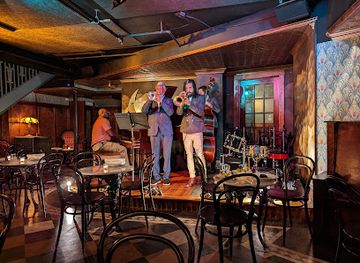
Bar
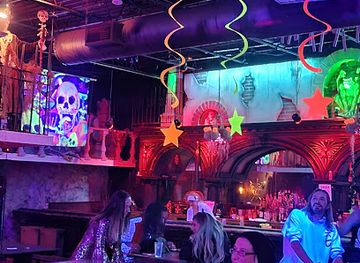
Volstead's Emporium
Experience the allure of a Prohibition-era speakeasy at Volstead's Emporium, where unique cocktails and live music create unforgettable nights.
7 min drive · 2.3 km from city centre
-
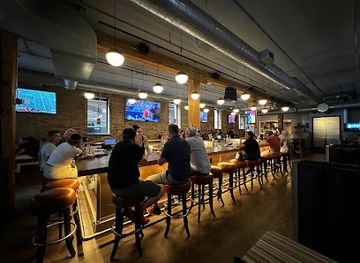
Grill
Sneaky Pete's
Experience the best of Minneapolis at Sneaky Pete's, your go-to grill and sports bar for food, drinks, and vibrant entertainment.
6 min drive · 1.9 km from city centre
Best nightclubs in Minneapolis
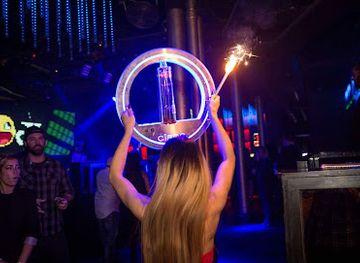
Minneapolis offers a vibrant and diverse nightlife scene that caters to all tastes and preferences. From trendy cocktail bars and rooftop lounges with stunning views of the city skyline, to lively nightclubs with top DJs and live music venues showcasing local talent, there is something for everyone to enjoy. The city is known for its craft beer scene, with numerous breweries and taprooms to explore. Visitors can also experience unique themed bars and speakeasies for a more intimate and immersive experience. Whether you're looking to dance the night away or relax with a craft cocktail, Minneapolis has it all.
-
Night club
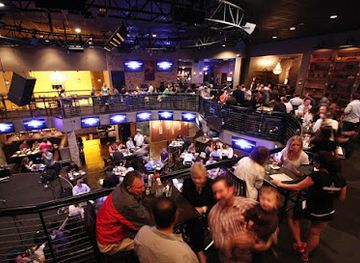
The Pourhouse
Experience the vibrant nightlife at The Pourhouse, a premier night club in Minneapolis offering live music, American cuisine, and an unforgettable atmosphere.
6 min drive · 1.9 km from city centre
-
Night club
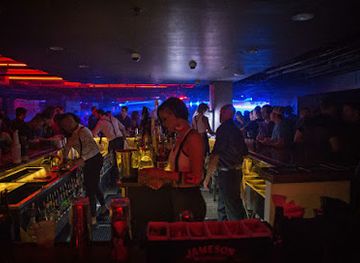
Ground Zero Nightclub
Discover the electrifying nightlife at Ground Zero Nightclub, Minneapolis – where dance, music, and vibrant energy come together.
9 min drive · 3.1 km from city centre
-
Night club
The Exchange & Alibi Lounge
Experience the vibrant nightlife of Minneapolis at The Exchange & Alibi Lounge, where music, dancing, and unforgettable memories await.
6 min drive · 1.9 km from city centre
-
Night club
Monarch Minneapolis
Experience the exhilarating nightlife of Monarch Minneapolis, where music and dance create unforgettable moments in the heart of the Warehouse District.
6 min drive · 2.1 km from city centre
Best shops in Minneapolis
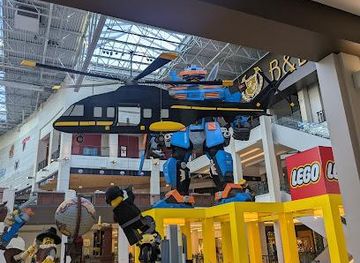
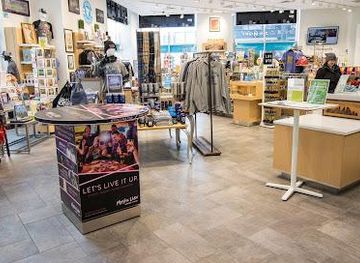
Minneapolis offers a diverse shopping scene for visitors to explore, from upscale boutiques and trendy shops in the North Loop neighborhood to the unique vintage stores and artisan markets in Uptown. The iconic Mall of America, located just a short drive away, is a must-visit destination with over 500 stores, entertainment options, and attractions. Visitors can also discover local treasures at the Midtown Global Market, showcasing a variety of international cuisine, arts, and crafts. With a mix of big-name brands and local artisans, Minneapolis shopping provides a vibrant and eclectic experience for all types of shoppers.
-
Shopping mall
Mall of America®
Explore the Mall of America®, a premier shopping and entertainment complex in Bloomington, MN, with endless shopping, dining, and attractions for all ages.
32 min drive · 12 km from city centre
-
Visitor center
Meet Minneapolis Visitor Center
Explore Minneapolis like a local at the Meet Minneapolis Visitor Center, your gateway to the city's vibrant culture and hidden gems.
5 min drive · 1.7 km from city centre
-
Market
Keg and Case Market
Experience the vibrant Keg and Case Market in St. Paul, where local flavors meet unique shopping in a historic setting.
32 min drive · 12 km from city centre
-
Gift shop
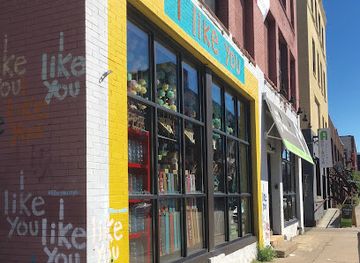
I Like You
Explore I Like You, a unique gift shop in Northeast Minneapolis, offering heartfelt treasures and local artisan goods for every occasion.
17 min drive · 5.7 km from city centre

Get your free copy of our complete guide to Minneapolis, delivered straight to you.
Everything on this page, from attractions and restaurants to essentials and local phrases, in one PDF you can read offline, print or share.
Already have an account? Sign in
Your Minneapolis guide is ready.
We'll send it to · Not you? Sign out

Getting your guide ready…
We are putting together a fresh copy of the Minneapolis guide. This can take up to a minute.
This can take a few moments. If your browser asks, choose Allow so the download can start. You'll find the guide in your Downloads folder.
Nothing happened? Download it again
Sorry, the guide is taking longer than usual. Please try again in a minute, or get it by email instead.
Minneapolis essentials
Currency and Payment
Safety
Emergency Situations
Do's and Don’ts
Local Tips
From Eve
Local phrases worth knowing
You don't need to get them perfect. A few words go a long way, and locals appreciate the effort.
Basics
| English | Local | Say it |
|---|---|---|
| Hello | Howdy | [HOU-dee] |
| Goodbye | See ya | [SEE yah] |
| Yes | Yah | [YAH] |
| No | Nah | [NAH] |
| Please/You're welcome | Sure thing | [SHUR thin] |
| Thank you | Thanks a lot | [THANKS uh lot] |
| Excuse me/Sorry | Pardon me | [PAR-dun mee] |
| How are you? | How's it going? | [HOWZ it GO-in?] |
| Fine. And you? | Doing well. You? | [DOO-in well. Yoo?] |
| Do you speak English? | Do you talk English? | [DOO yoo TAWK Ing-glish?] |
| I don't understand | I'm lost | [AHM lawst] |
Eating & Drinking
| English | Local | Say it |
|---|---|---|
| I'd like to see the menu, please | Could I check out the menu, please? | [kood eye CHEK out the MEH-nyoo, please?] |
| I don't eat meat | I don't do meat | [AHM lawst doo meet] |
| Cheers! | Bottoms up! | [BAH-tums up!] |
| I would like to pay, please | I'm ready to settle up, please | [AHM RED-ee too SET-ul up, please] |
Emergencies
| English | Local | Say it |
|---|---|---|
| Help! | Send help! | [SEND help!] |
| Go away! | Scram! | [SKRAM!] |
| Call the Police! | Get the cops! | [GET the cops!] |
| Call a doctor! | Get a doc! | [GET a doc!] |
| I'm lost | I'm turned around | [AHM turnd uh-ROUND] |
| I'm ill | I'm under the weather | [AHM UN-der the WEH-ther] |
Shopping
| English | Local | Say it |
|---|---|---|
| I'd like to buy... | I'm interested in... | [AHM IN-tur-ess-ted in...] |
| I'm just looking | Just browsing | [JUST BROW-zing] |
| How much is it? | What's the damage? | [WUTZ the DAM-ij?] |
| That's too expensive | That's steep | [THATS steep] |
| Can you lower the price? | Can you do better on the price? | [Can yoo doo BET-ter on the price?] |
Time & Numbers
| English | Local | Say it |
|---|---|---|
| What time is it? | What's the time? | [WUTS the TIME?] |
| It's one o'clock | It's one | [ITS wun] |
| Half past (10) | Ten-thirty | [TEN-thur-tee] |
| Morning | AM | [AY-EM] |
| Afternoon | PM | [PEE-EM] |
| Evening | Evening | [EE-ven-ing] |
| Yesterday | Yesterday | [YES-ter-day] |
| Today | Today | [to-DAY] |
| Tomorrow | Tomorrow | [to-MOR-row] |
| 1 | One | [WUN] |
| 2 | Two | [TOO] |
| 3 | Three | [THREE] |
| 4 | Four | [FOR] |
| 5 | Five | [FIVE] |
| 6 | Six | [SIX] |
| 7 | Seven | [SEV-un] |
| 8 | Eight | [AYT] |
| 9 | Nine | [NINE] |
| 10 | Ten | [TEN] |
Transport & Directions
| English | Local | Say it |
|---|---|---|
| Where's a/the...? | Where can I find...? | [WHERE kan eye FIND...?] |
| What's the address? | What's the location? | [WUTS the lo-KAY-shun?] |
| Can you show me (on the map)? | Can you point it out (on the map)? | [Can yoo POINT it out (on the map)?] |
| When's the next (bus)? | When's the next (bus) coming? | [WENZ the NEXT (BUS) KUM-ing?] |
| A ticket (to ....) | A pass (to ....) | [A pass (to ....)] |
History of Minneapolis
The Founding of Minneapolis
Minneapolis, established in 1867, sits on both banks of the Mississippi River. The city owes its origins to Saint Anthony Falls, the highest waterfall on the Mississippi, which provided power for milling operations. The falls attracted settlers, and the village of Minneapolis, which means 'City of Waters' in a combination of Dakota Sioux and Greek, was born.
The Flour Milling Capital
In the late 19th and early 20th centuries, Minneapolis became the world's flour milling capital. The city's numerous mills, powered by the Saint Anthony Falls, produced massive quantities of flour. This era was dominated by companies like Pillsbury and General Mills, which helped Minneapolis earn the nickname 'Mill City.'
The Great Minneapolis Fire of 1893
On August 13, 1893, a devastating fire swept through a large portion of the city, destroying 23 blocks of downtown Minneapolis. The fire started in the basement of a dry goods store and quickly spread, fueled by wooden buildings and dry conditions. The aftermath led to significant changes in building codes and fire safety regulations in the city.
The Rise of the Lumber Industry
Alongside flour milling, the lumber industry played a crucial role in Minneapolis's growth. Timber harvested from the vast forests of Minnesota was processed in the city's sawmills and shipped nationwide. This industrial boom attracted a diverse workforce and contributed to the city's economic development.
The Minneapolis Sculpture Garden
Opened in 1988, the Minneapolis Sculpture Garden is one of the largest urban sculpture parks in the United States. It features iconic works such as 'Spoonbridge and Cherry' by Claes Oldenburg and Coosje van Bruggen. The garden reflects Minneapolis's commitment to public art and cultural enrichment.
The Civil Rights Movement in Minneapolis
Minneapolis played a significant role in the Civil Rights Movement. In the 1960s, local activists fought for desegregation, fair housing, and equal employment opportunities. The movement saw the rise of influential leaders like W. Harry Davis and Nellie Stone Johnson, who worked tirelessly to improve conditions for African Americans in the Twin Cities.
The Creation of the Skyway System
In response to harsh winter conditions, Minneapolis developed an extensive Skyway System in the 1960s. This network of interconnected, climate-controlled pedestrian bridges spans 11 miles and connects numerous buildings in downtown Minneapolis. The Skyway System exemplifies the city's innovative approach to urban planning and infrastructure.
The Guthrie Theater
Founded in 1963, the Guthrie Theater is a cornerstone of Minneapolis's cultural scene. Established by Sir Tyrone Guthrie, the theater has gained a reputation for its high-quality productions and commitment to both classic and contemporary works. The Guthrie's modern building, designed by Jean Nouvel, opened in 2006 and has become an architectural landmark.
The Impact of the University of Minnesota
The University of Minnesota, founded in 1851, has been a significant influence on Minneapolis. As one of the largest universities in the United States, it has contributed to the city's reputation as a center of education, research, and innovation. The university's presence has fostered a vibrant student population and numerous cultural and sporting events.
Minneapolis in Photos
Browse through our photo collection highlighting the charm and character of the destination.
Cities near Minneapolis
The closest cities to Minneapolis, if you have time for more than one stop.
-
-

-

-

-


Swipe for more cities
Explore more

Explore more of Minnesota
Discover Minnesota: From the bustling Twin Cities and cultural landmarks to the serene lakes and expansive wilderness, experience the diverse beauty and welcoming spirit of the North Star State.
Explore Minnesota